
[2 avril 2026]
Splitting Ice
Manif d’art 12 — La biennale de Québec
28.02.2026 — 19.04.2026
By Jean-Michel Quirion
For Splitting Ice, the twelfth edition of Manif d’art – La biennale de Québec, the curator, Didier Morelli – an author, art historian, and multidisciplinary artist – invites visitors to see winter as one season in the cycle of water’s transformations, from splitting to drifting to flowing. In forty venues, Morelli has brought together sixty artists who raises geographic and political questions covering many parts of the world. The result offers an ecology of images in which identity-related, historical, and climatic issues arise.
When winter gradually withdraws to leave room for spring’s promises, the crystalline calligraphies of frost recede from the landscape to let water flow into streams, rivers, and lakes and pour onto shores. The interstices formed by the transition from solid state to liquid, including those in the works gathered for La Manif, become sites of immersion, transmission, affirmation, and healing. The artworks I comment on here ask us to perceive, through image practices, the (un)explored contours of territories, temporalities, and bodies of water.
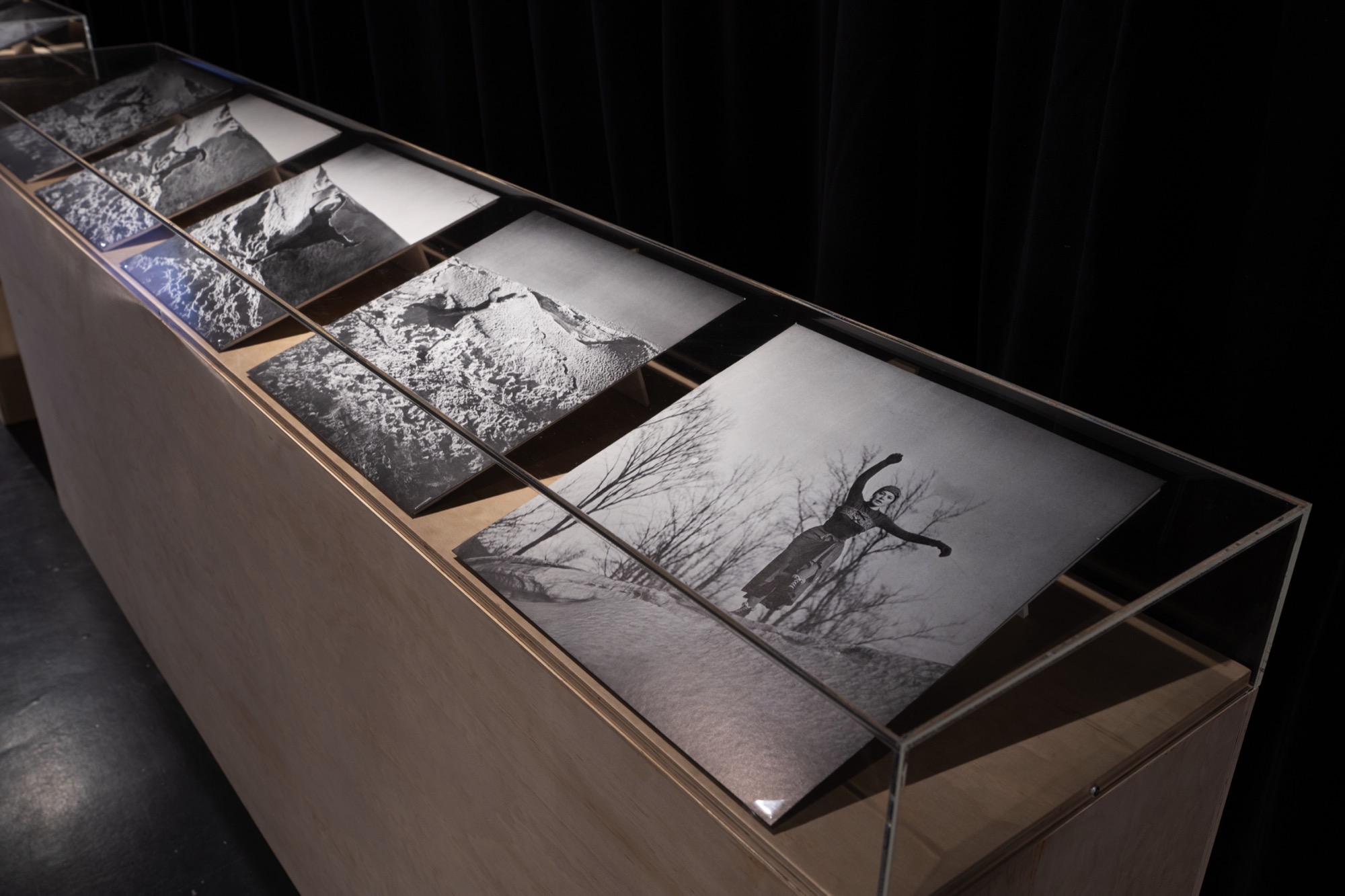 Françoise Sullivan, Danse dans la neige (album), tirage / print 1977, performance photographiée par / performance photographed by Maurice Perron, photo : Ivan Binet
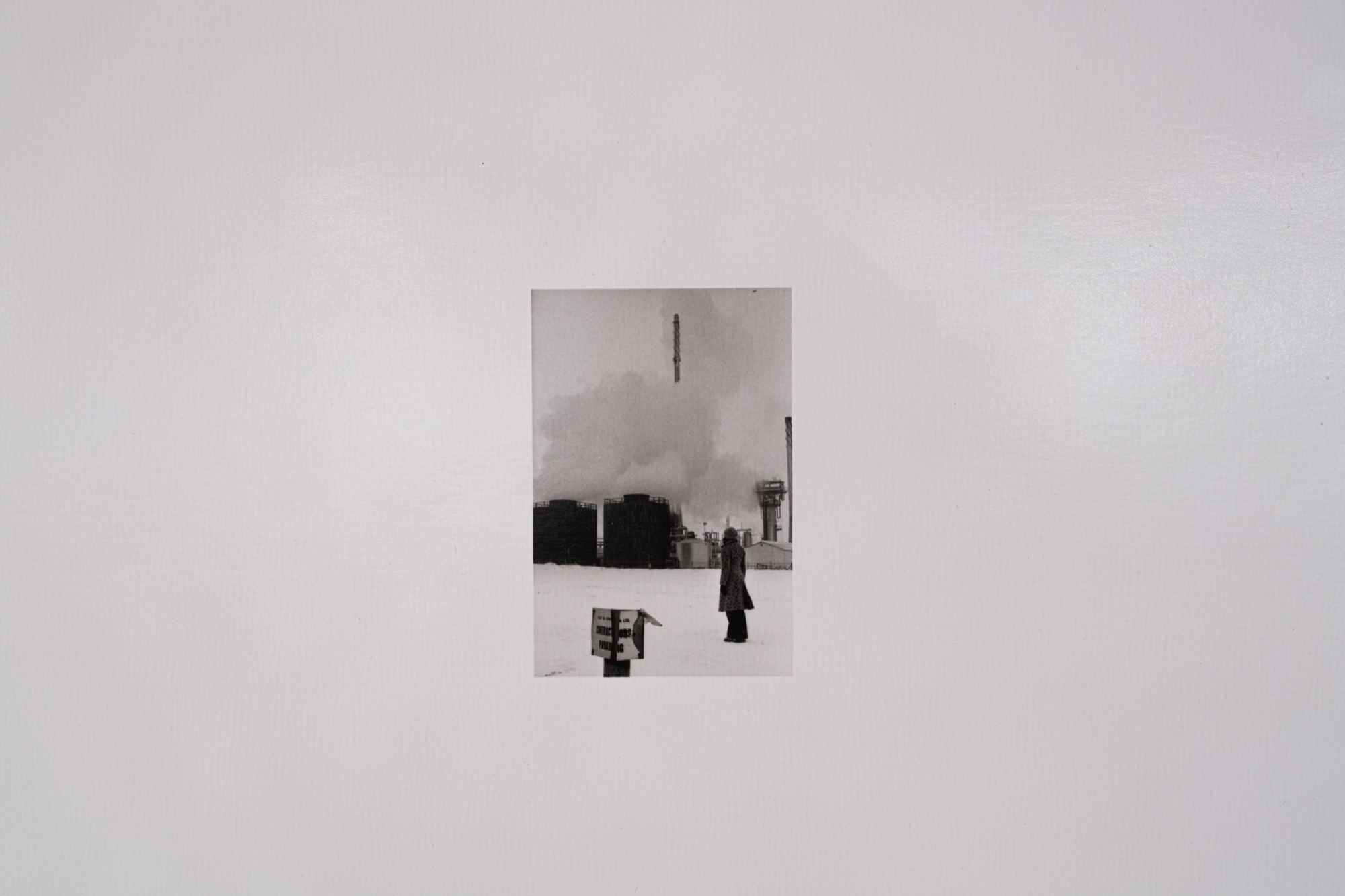
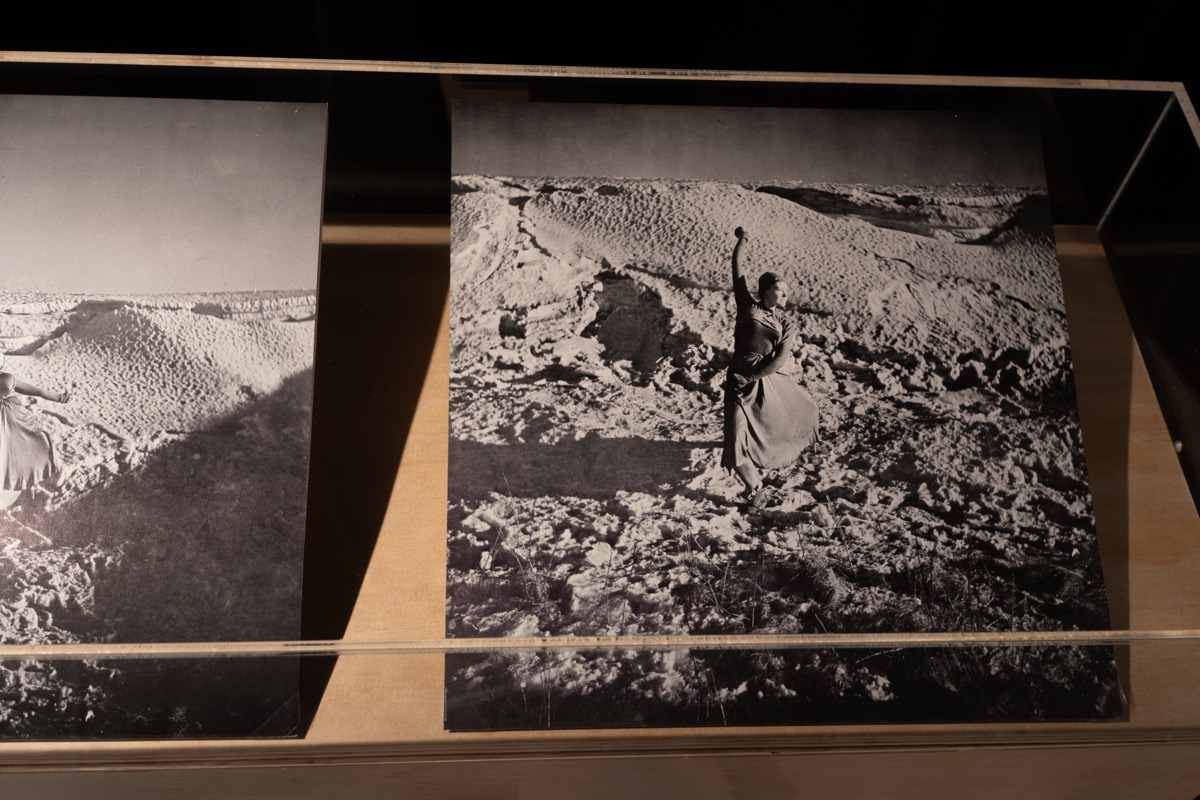
Morelli explicitly invokes the figure of the Françoise Sullivan, who has spent over a hundred years on this earth. The photographic documentation of her performative interventions – Danse dans la neige (1948) and Promenade parmi les raffineries de pétrole (1973) – in which she transforms snow through her body’s movements, was the inspiration for the biennial’s theme. The traces of dancing or walking left on the ground are likened to the body marks linking scarred territories, environmental evils, and dislocated temporalities. Presented as diptychs, Sullivan’s foundational images act as a conceptual matrix: winter is not a setting but a season travelled through and experienced.
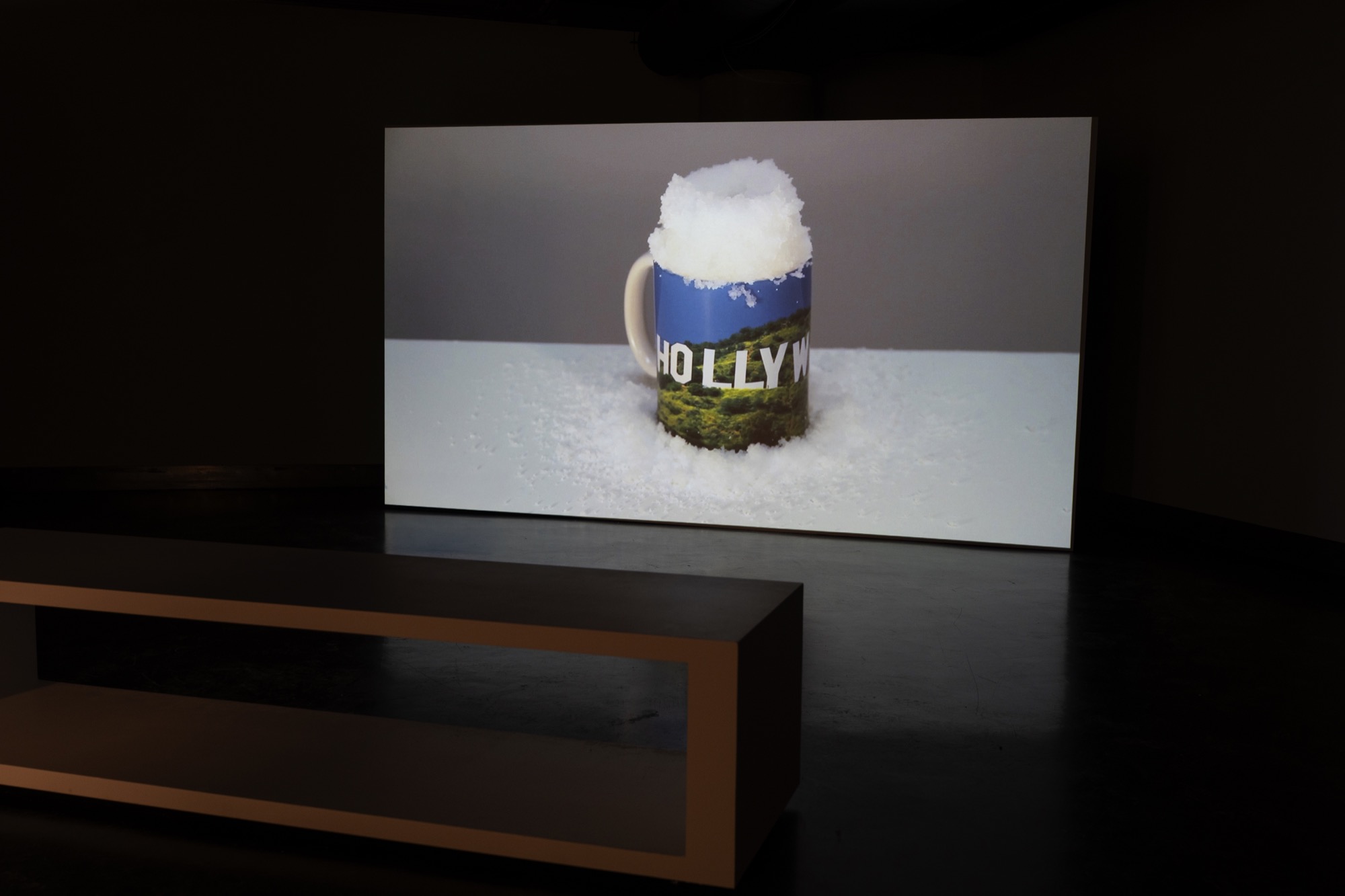
This transition from snow to other forms flows through works presented at Espace Quatre Cents, in which photographic and video images are the media preferred to express protest and displacement. In her film A Story of Elusive Snow (2013), the Korean artist Minha Park probes the imaginary surrounding “White Christmas,” as popularized by Bing Crosby and then packaged by Hollywood as a product for export since the 1940s. Park has cast herself as a remote, detached figure, rather out of place, haunted by her memories of winter in Seoul. Under the California sky, she filmed synthetic snowflakes, plastic ice, and machine-blown storms. Winter becomes a facsimile setting in which snow, reduced to a filmy substance, literally cracks.
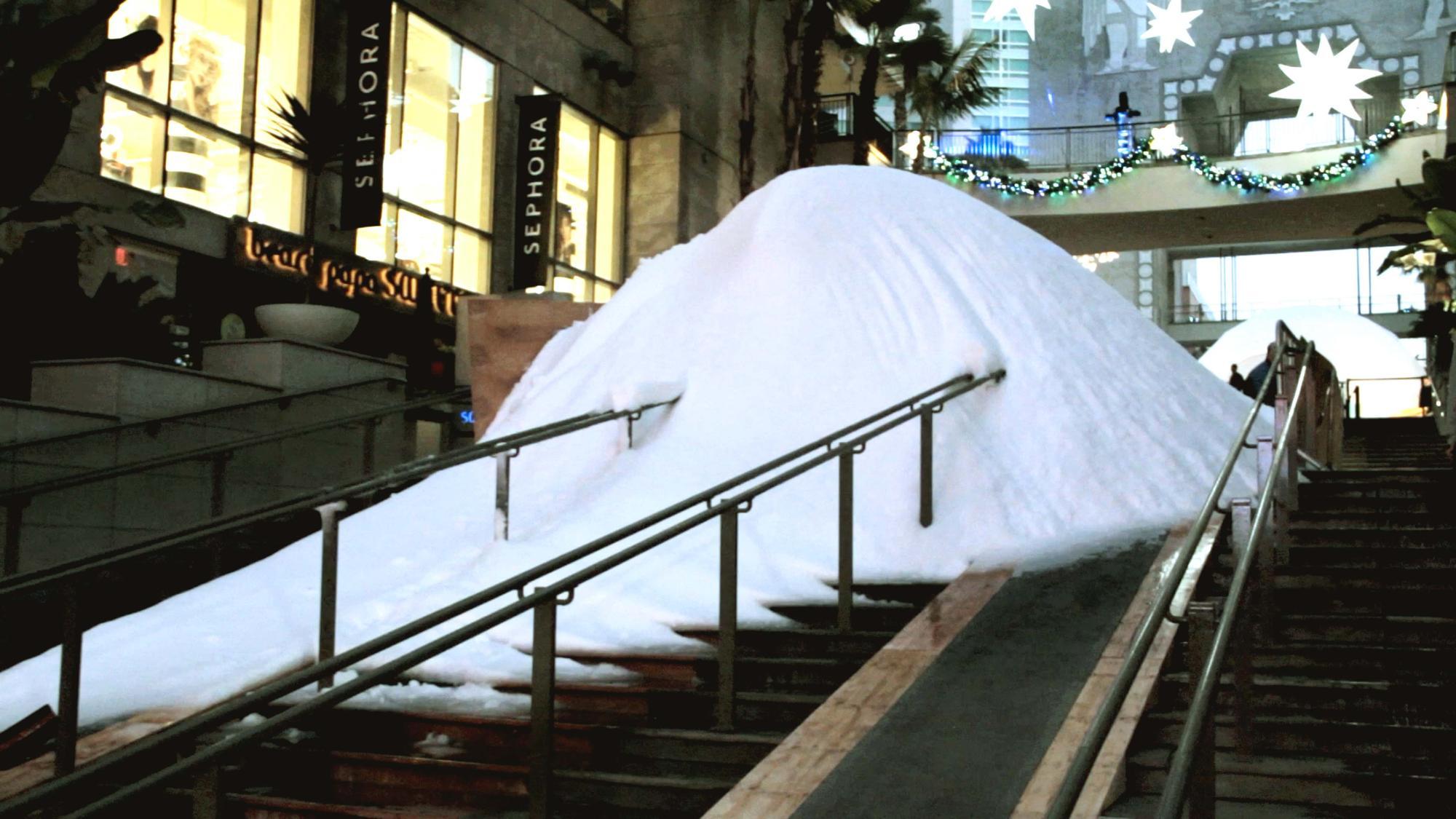
Minha Park, A Story of Elusive Show, 2013, vidéo HD / HD video, 14 min
Also referring to cinema, Joyce Joumaa presents Near Far (2026), in which the imaginary of the movie Titanic – including the song “My Heart Will Go On,” performed by Céline Dion – resonates with an important moment in Quebec history: the 1995 sovereignty referendum. Inspired by the movie’s final scene, in which each protagonist confronts the cold differently, Joumaa juxtaposes this image of separation against archival material on the referendum from the National Film Board of Canada. Here, the icy water becomes a threshold, a border between the dissolution and the reconfiguration of identities. Deployed in the form of an attractive apparatus – huge screen, powerful speakers, and open microphones – the work engages visitors in an immersive experience. The sentimental karaoke that takes shape superimposes popular references and identity debates by restaging, without revealing Joumaa’s intentions, today’s cultural and political tensions.
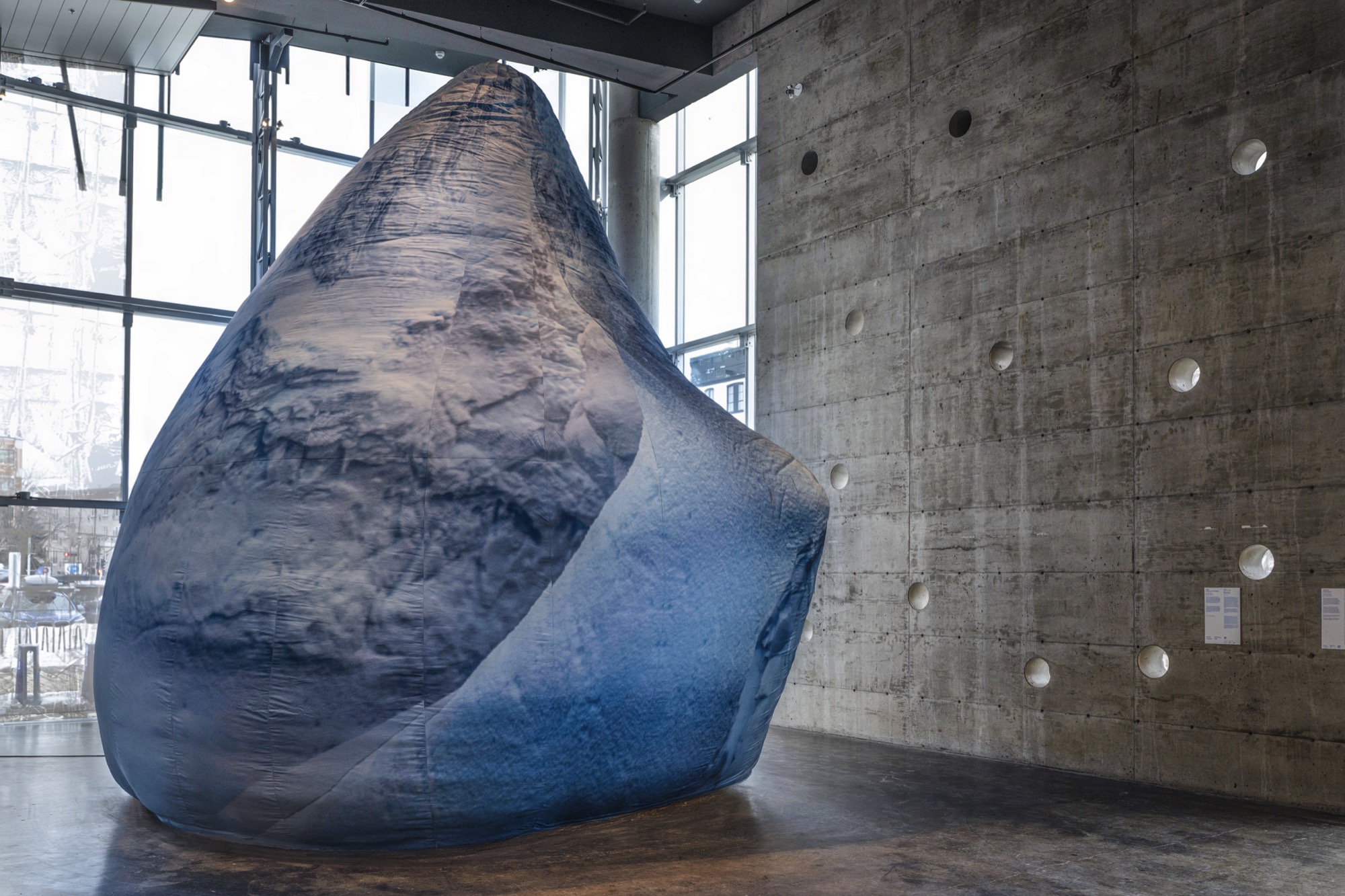
Far from the collective clamour of Joumaa’s “titanic” work, Jessie Kleemann presents the kinetic installation ILULIAQ (2024). Revealing even in its silence, a mass imprinted to resemble a huge block of ice towers more than six metres high, animated by irregular bursts of air. This iluliaq – “iceberg” in Greenlandic – thus breathes in and out. In its slow oscillation that evokes glacial drift, it comes into tension with the accelerated temporality of melting glaciers, rising waters, and the erosion of shorelines. Glaciers have become an indicator of climatic upheavals even as they bear northern stories anchored in Indigenous realities, in which the transformation of the environment has a major impact on territorial struggles.
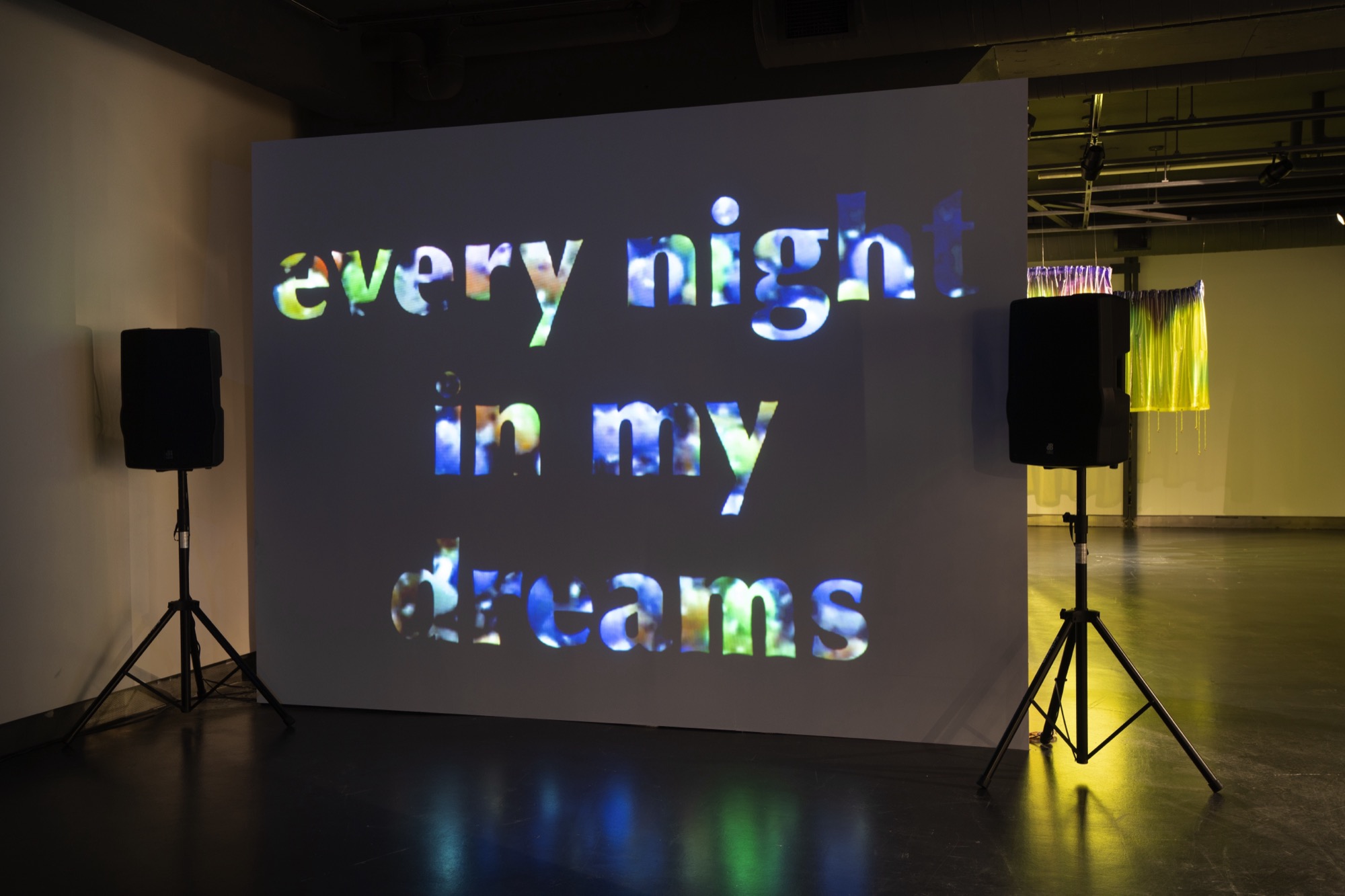
Joyce Joumaa, Near Far, 2026, installation vidéo / video installation, photo : Ivan Binet
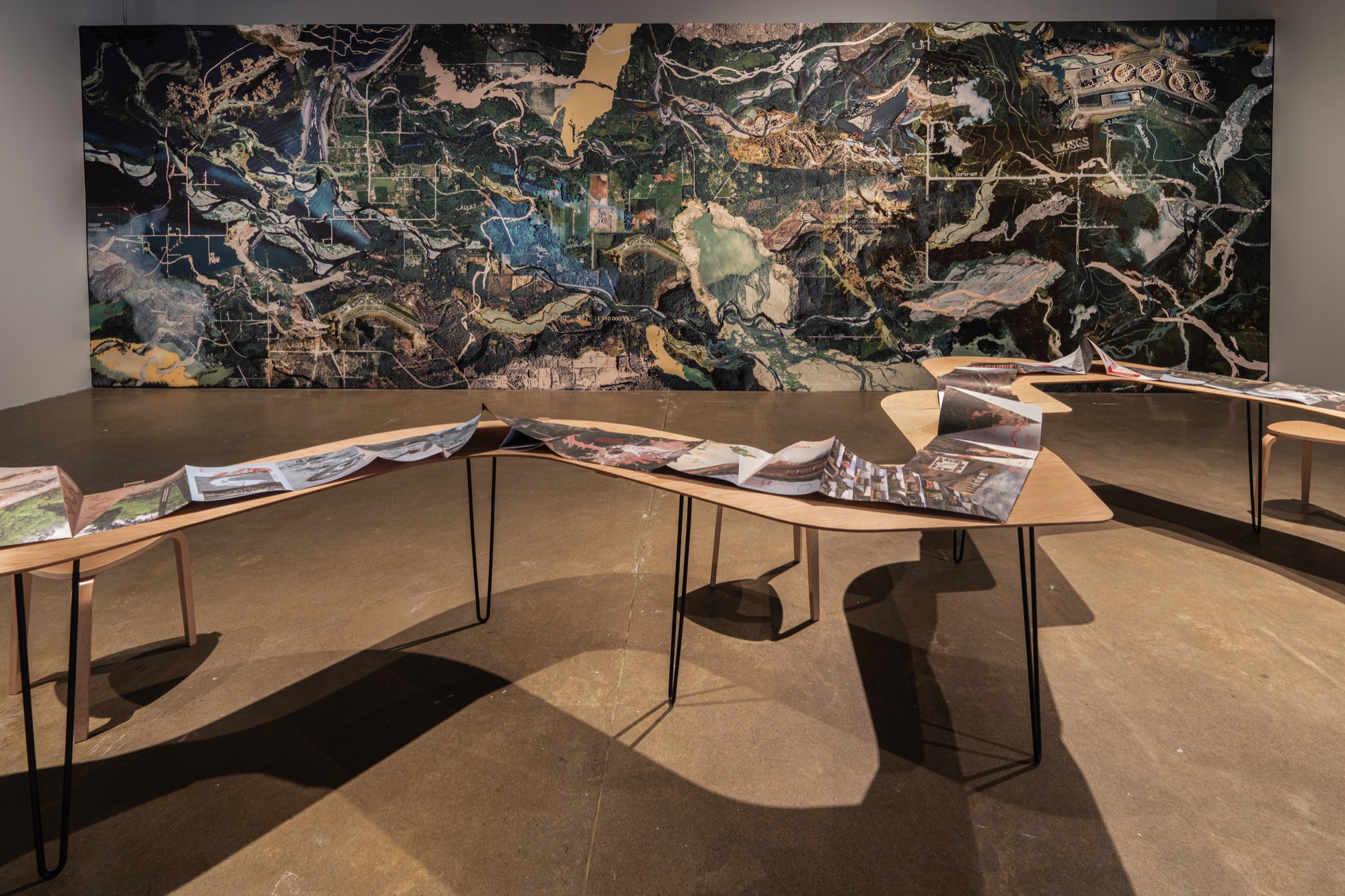
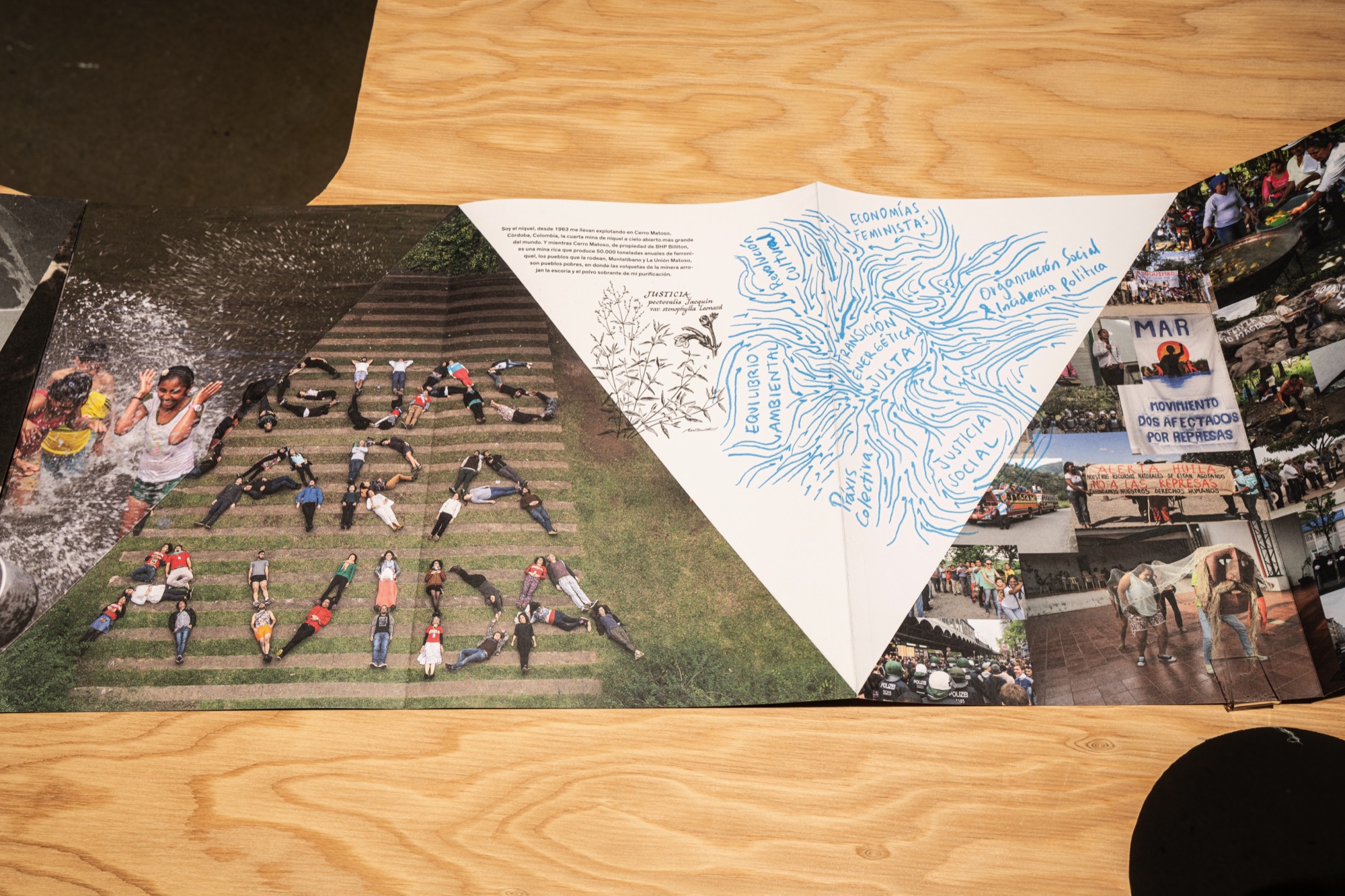
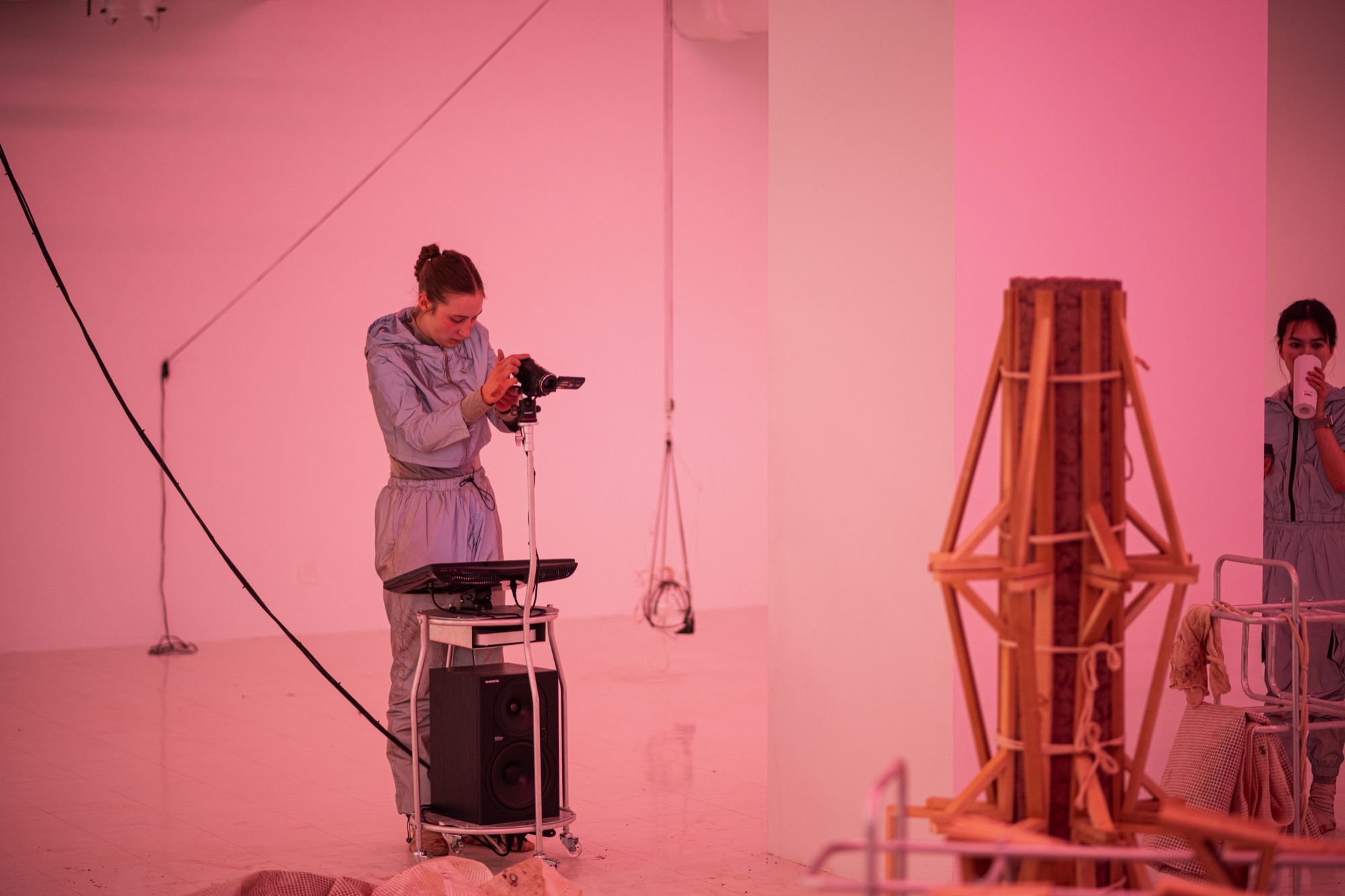
Beyond Espace Quatre Cents, water ceases to be ice and becomes a disputed, claimed, and redirected resource. Presented at VU, Carolina Caycedo’s exhibition shifts the gaze toward the Global South. With her long-term project Be Dammed (2012–ongoing), Caycedo shows high-angle views, on photographic maps, of the effects of mega-dams on South American communities, revealing watery landscapes affected by extraction, conflict, and forms of subsistence and exposing the concrete consequences of dispossession policies on environments and lives. This reflection is extended in the video Fuel to Fire (2023), in which a pagamento ritual – an ancestral indigenous act of restitution – is performed deep in the Colombian Páramo de Santurbán. Caycedo highlights a relationship with water based on care, self-sacrifice, and reciprocity, charting a restorative ecology to counter exploitation rationales. Echoing Caycedo’s gestures of restitution, Anouk Verviers’s series Building, destroying, and rebuilding cob columns as high as our bodies (2023–ongoing), at the Galerie des arts visuels de l’Université Laval, mobilizes water as an agent of care and persistence and brings women’s bodies into cycles of healing.
In the public space, set against the windows of La Charpente des Fauves, Sabrina Ratté radicalizes Caycedo’s perspective with Terraforma (2026) in which she (re)imagines speculative panoramas from which water seems to have totally disappeared. Through digital simulations generated with satellite data from Brazil, China, and Sweden, Ratté exposes hybrid topographies that confuse geo-temporal reference points. With no water or human beings, the land is arid, pitted, and empty, punctuated with illusions of ice. Occasionally, reflections sparkle on the surfaces of ghostly lakes.
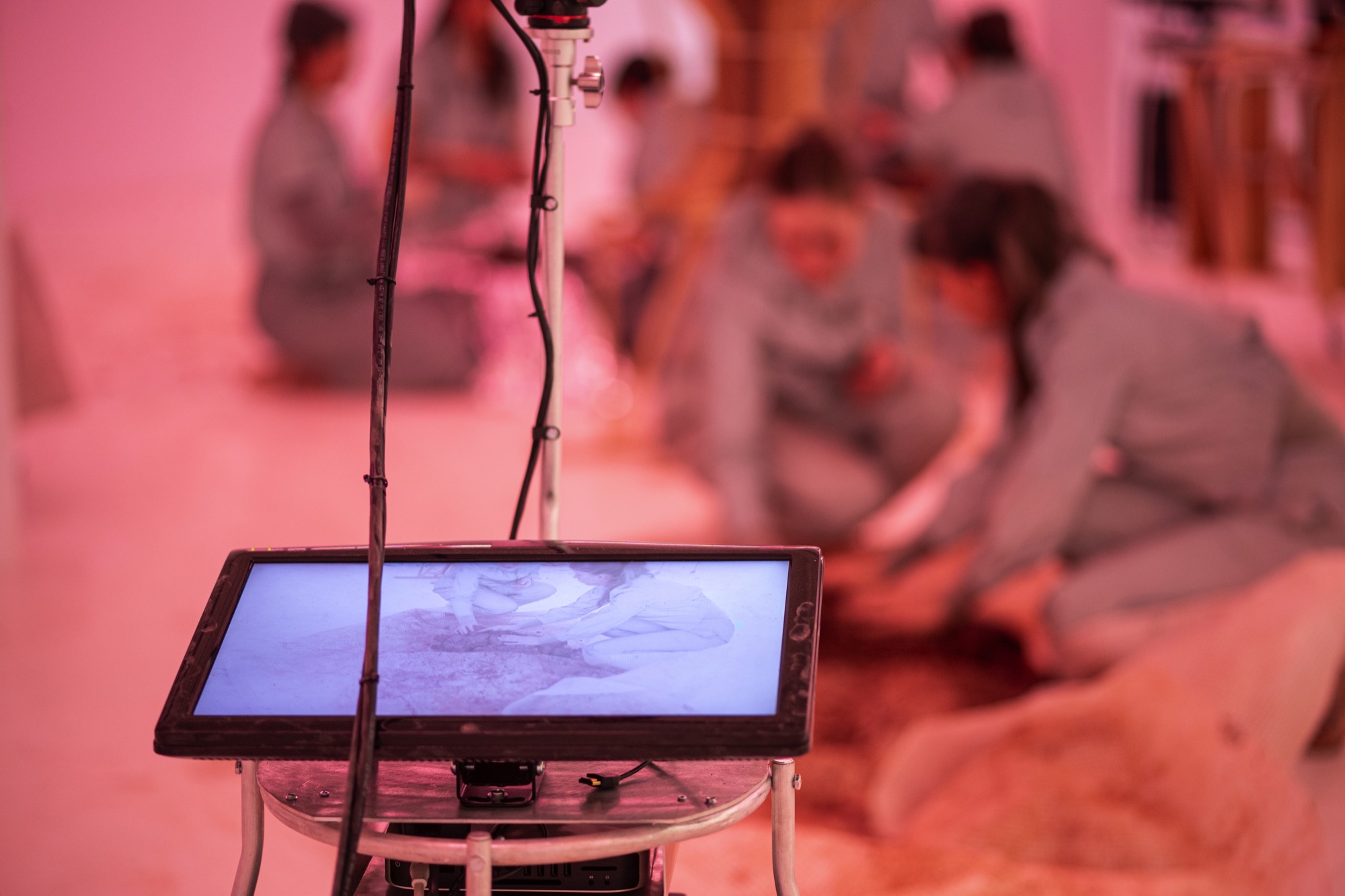
Anouk Verviers, Construire, déconstruire et reconstruire des colonnes de torchis aussi hautes que nos corps / Building, destroying, and rebuilding cob columns as high as our bodies, 2023–2026, installation performative / performative installation, dimensions variables / various dimensions, photo : Christian Baron
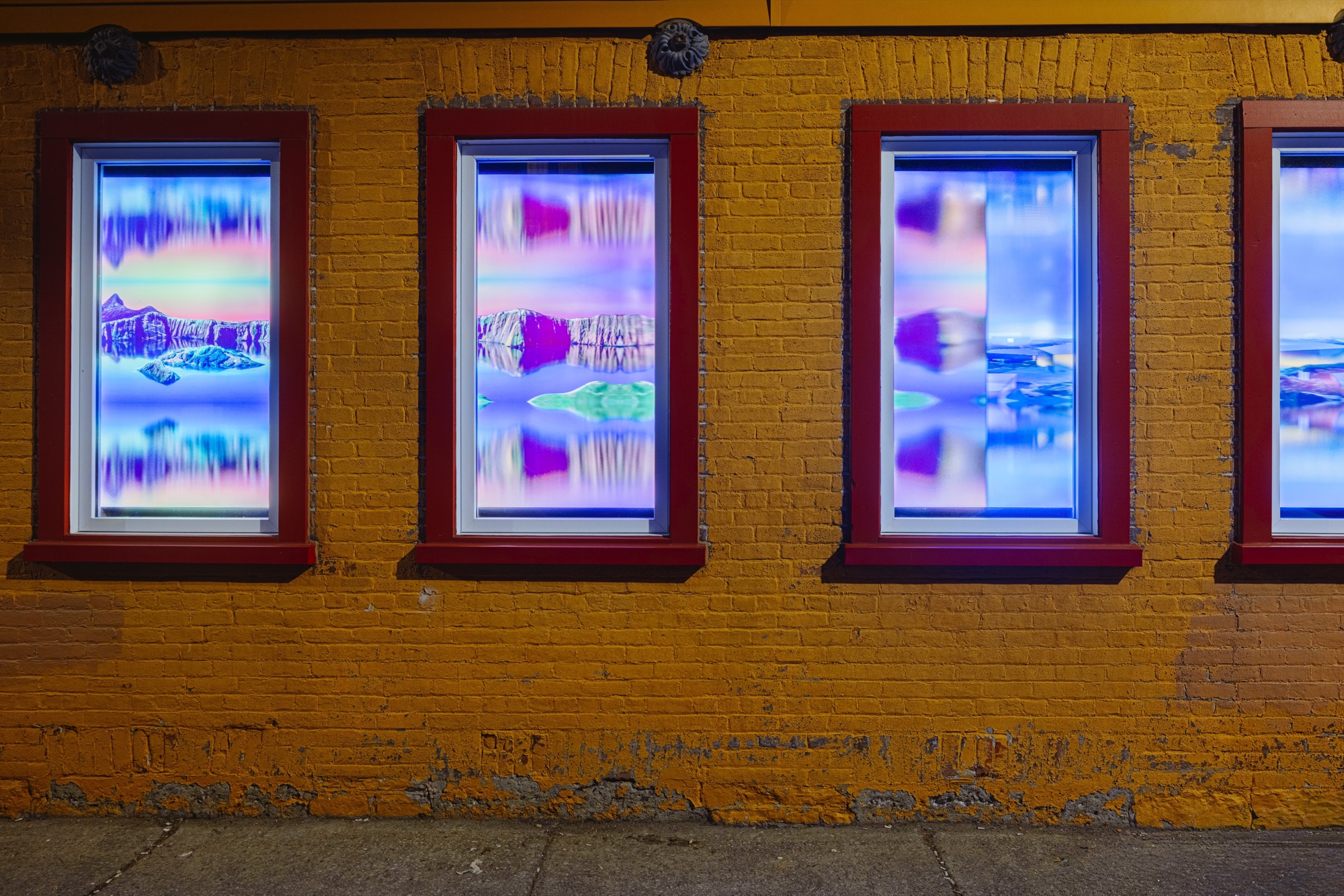
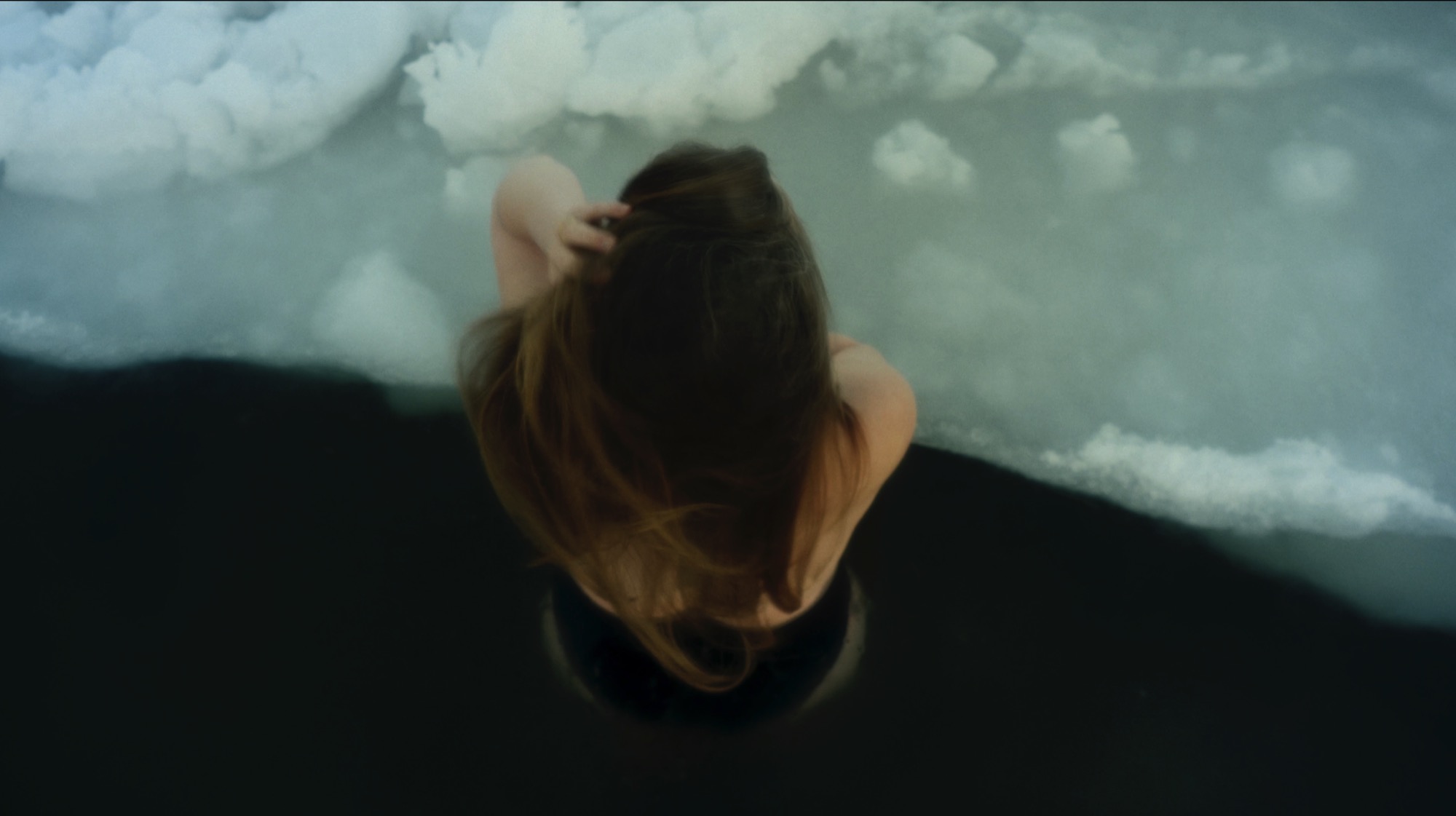
In contrast, some artists turn water into a site of emancipation and commemoration. At La Maison de la littérature, for example, Vanessa Bell and Vicky Sabourin, who have been working together for two years, see the St. Lawrence River as a place in which to immerse their imaginations. Their installation La Faille (2026) combines texts, archives, photographs, and videos with ceramic objects and various relics, establishing a balance between images and materials, absences and traces. On the image of a vertiginous cliff created by Sabourin, Bell has written hundreds of words, depositing their exchanges like sediment. Bell’s winter dip in the river, recorded in writing and video, is proclaimed as an act of presence and persistence in which water turns vulnerability into strength.
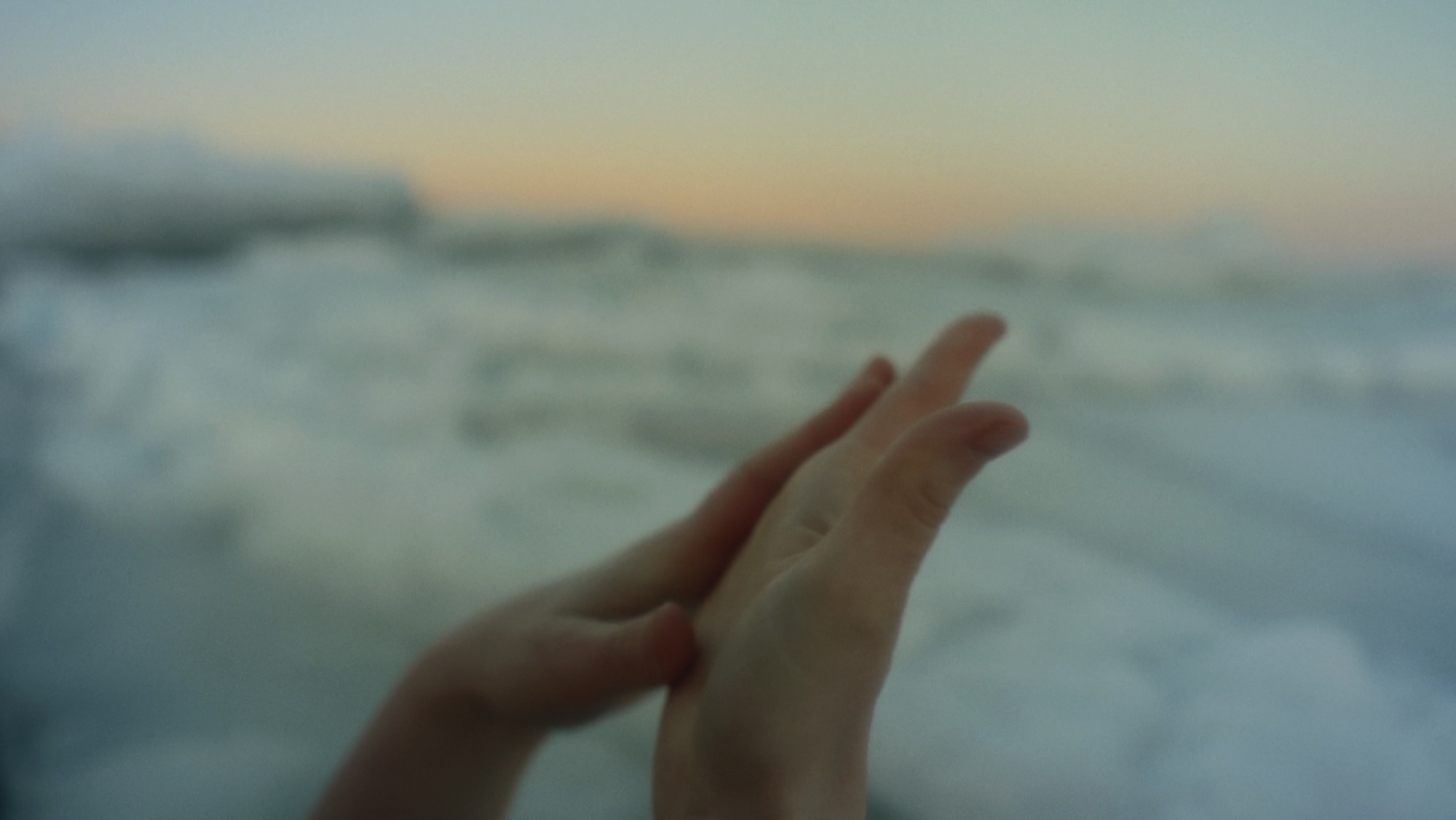
Vanessa Bell, La faille, 2026, vidéo / video, 2 min 39 s
As the spring thaw is heralded by the rhythmic dripping of snow melt, a visit to La Manif is essential. With Splitting Ice, Morelli evades the trap of an essentially northern biennial by displacing the winter imaginary and opening toward a broader ecology of the human relationship with water. Ice, once split up, floats away and dissolves. A living material, it merges with rivers, oceans, and by extension, distant geographies all over the world. This shift leads to the inclusion of artists whose practices are rooted less in the experience of winter than in physical, ecological, historical, social, and political connections with water, a source of life. Translated by Käthe Roth
A cultural worker for more than a decade and now co-editor of Vie des Arts, Jean-Michel Quirion has management experience in artist-run centres. He regularly contributes articles to specialized magazines such as Ciel variable, ESPACE art actuel, and Esse arts + opinions. As a curator, he has organized exhibitions here and abroad, from Montreal to Berlin.