
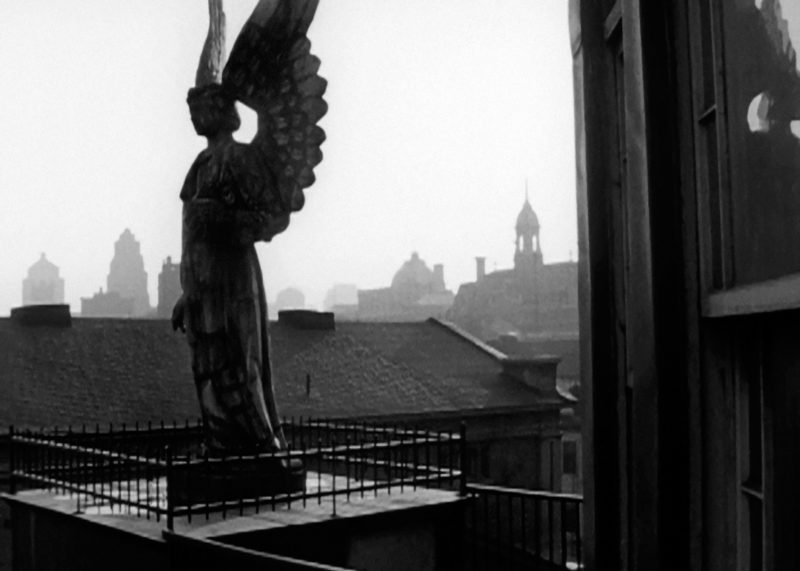
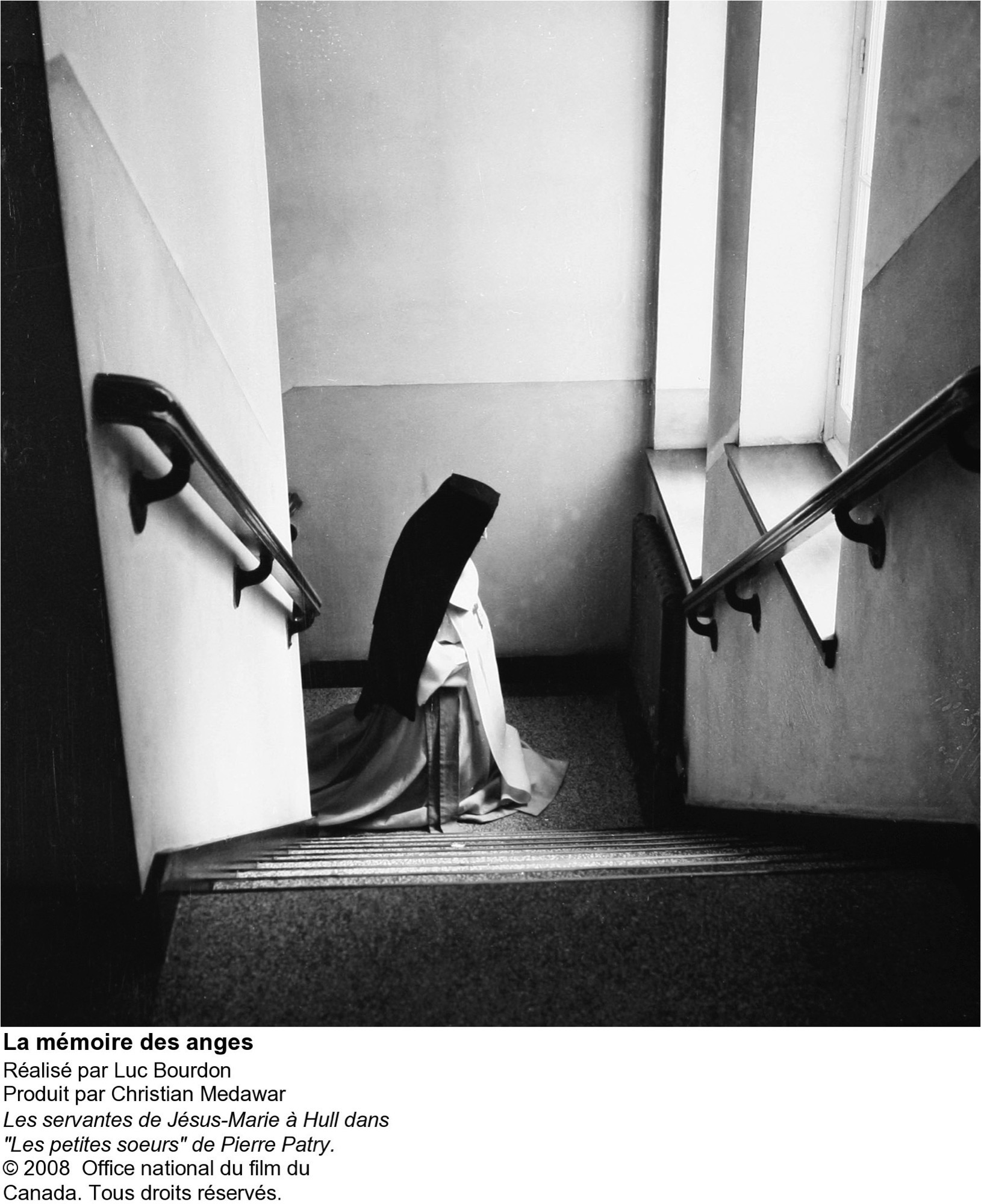
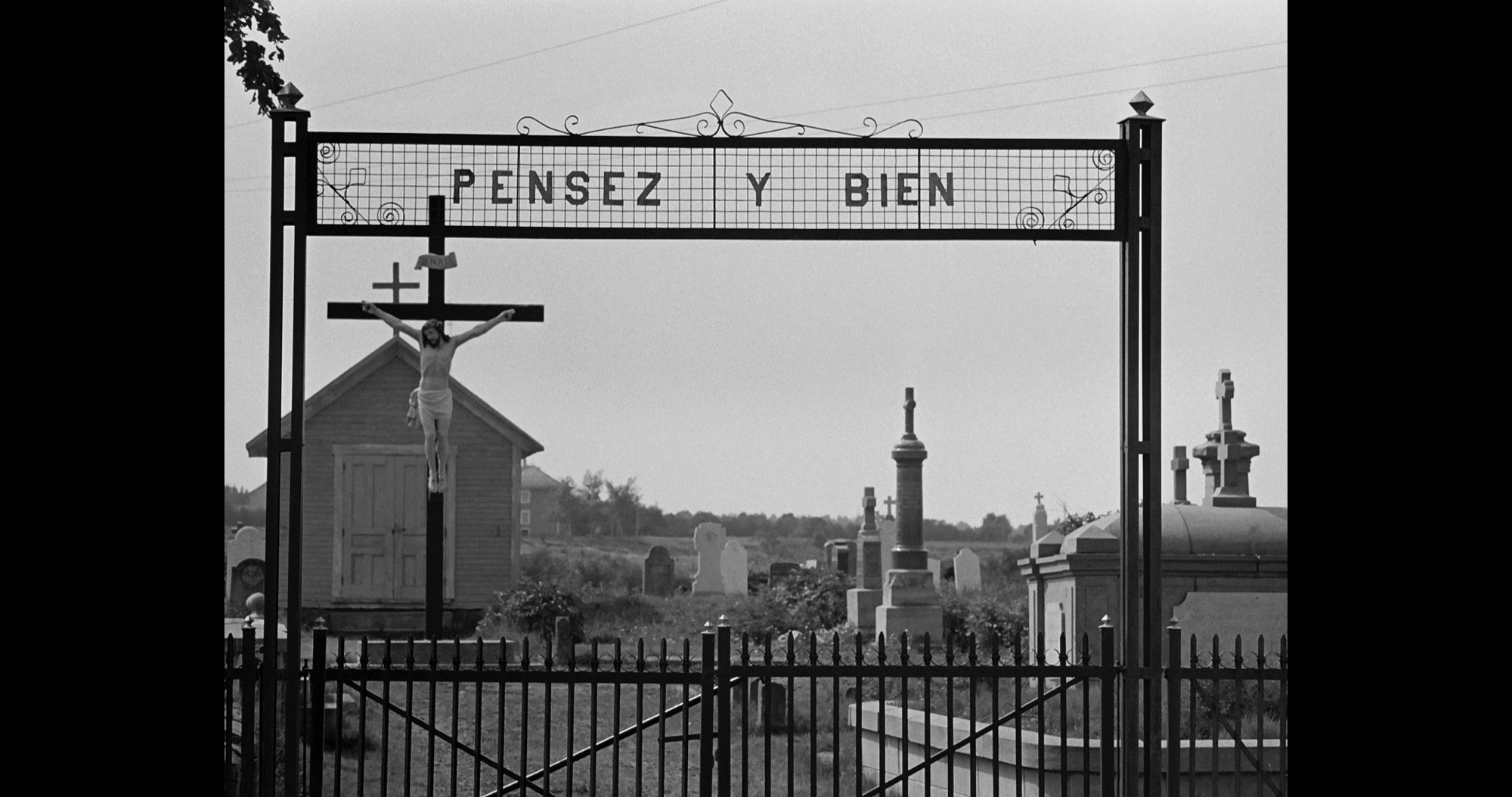
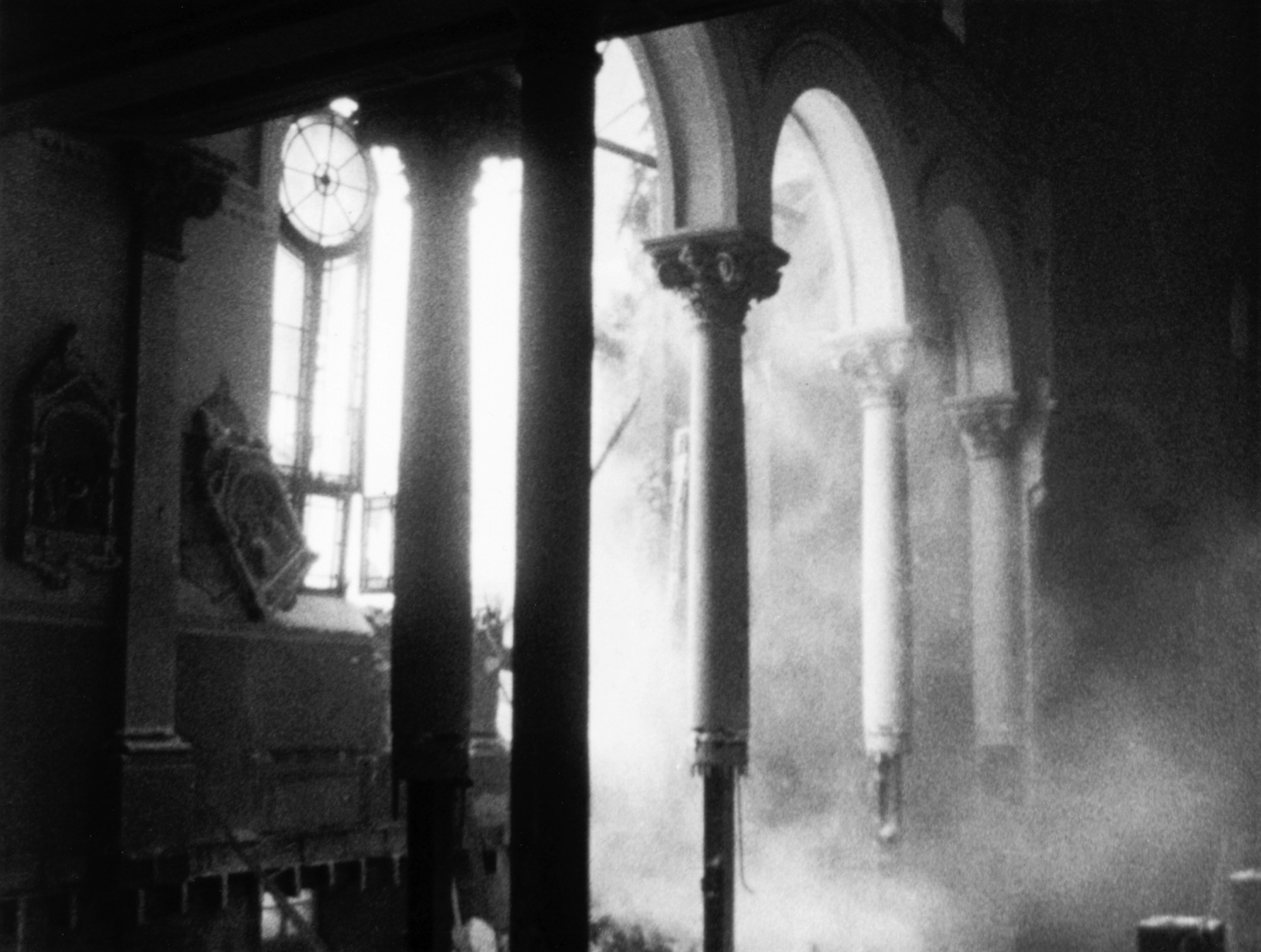
Luc Bourdon, La mémoire des anges, 2008
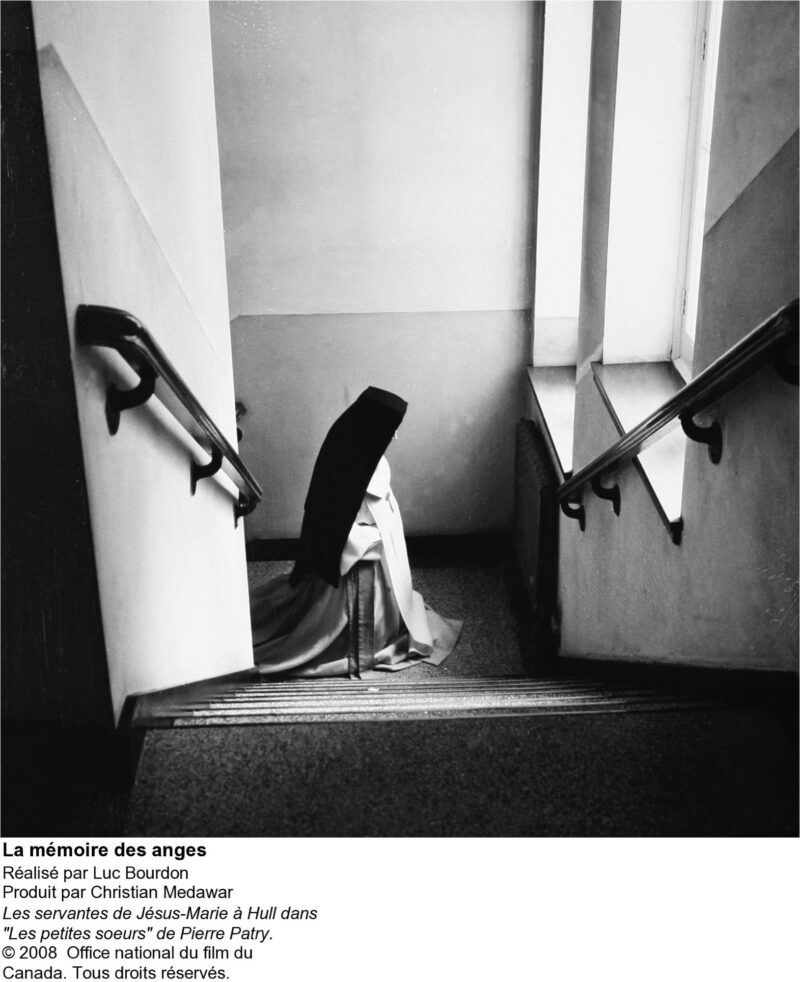
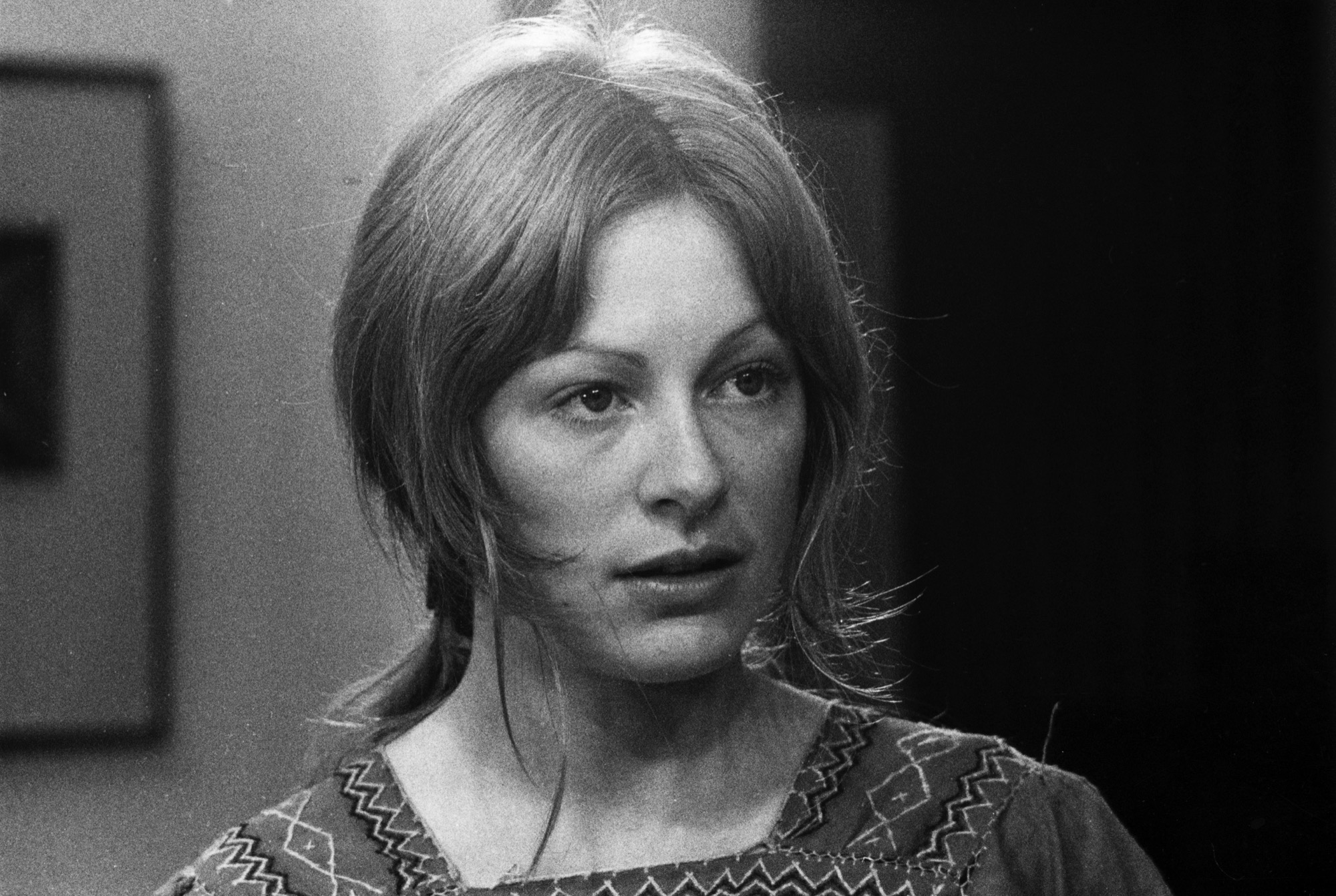
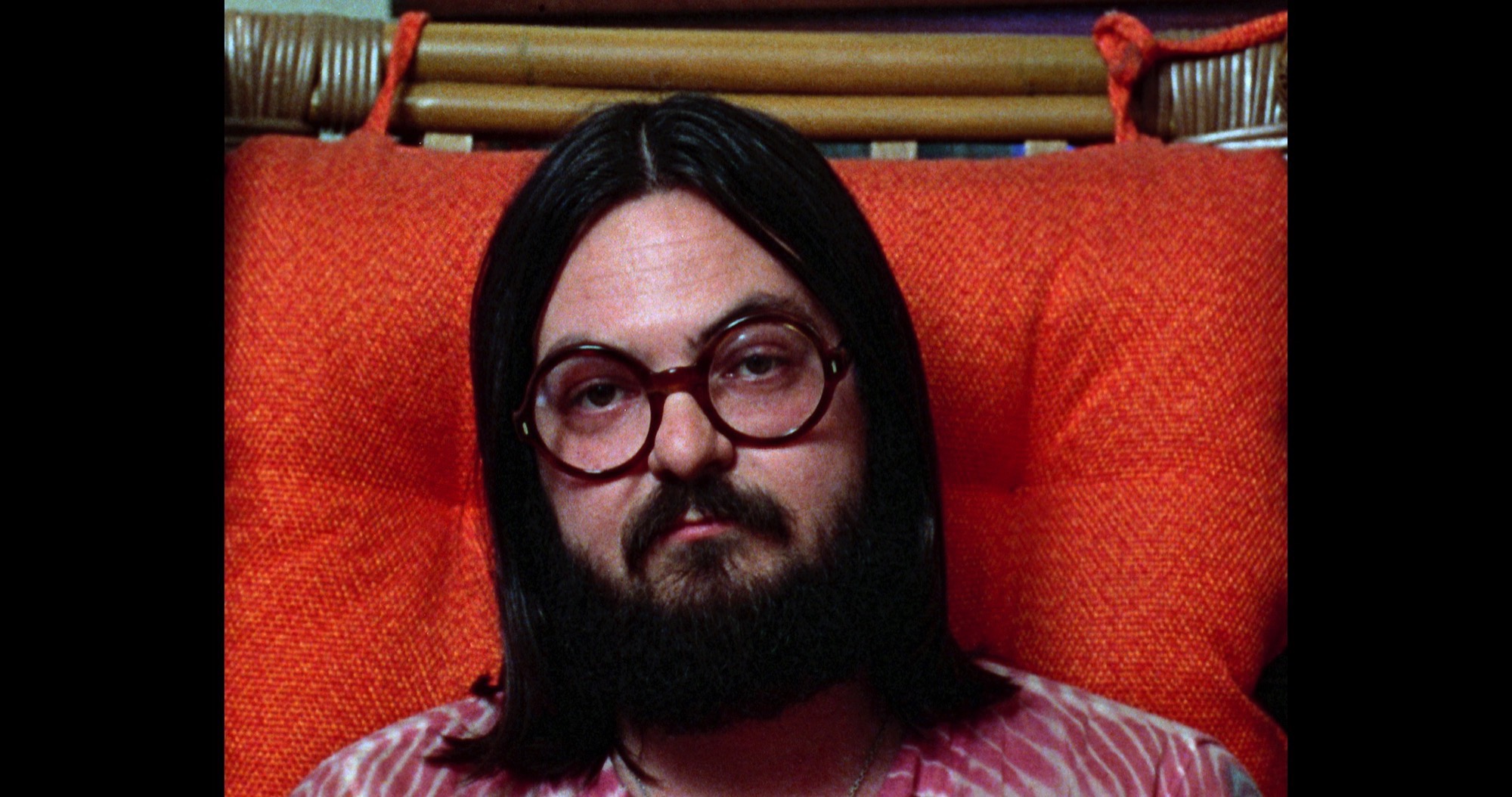
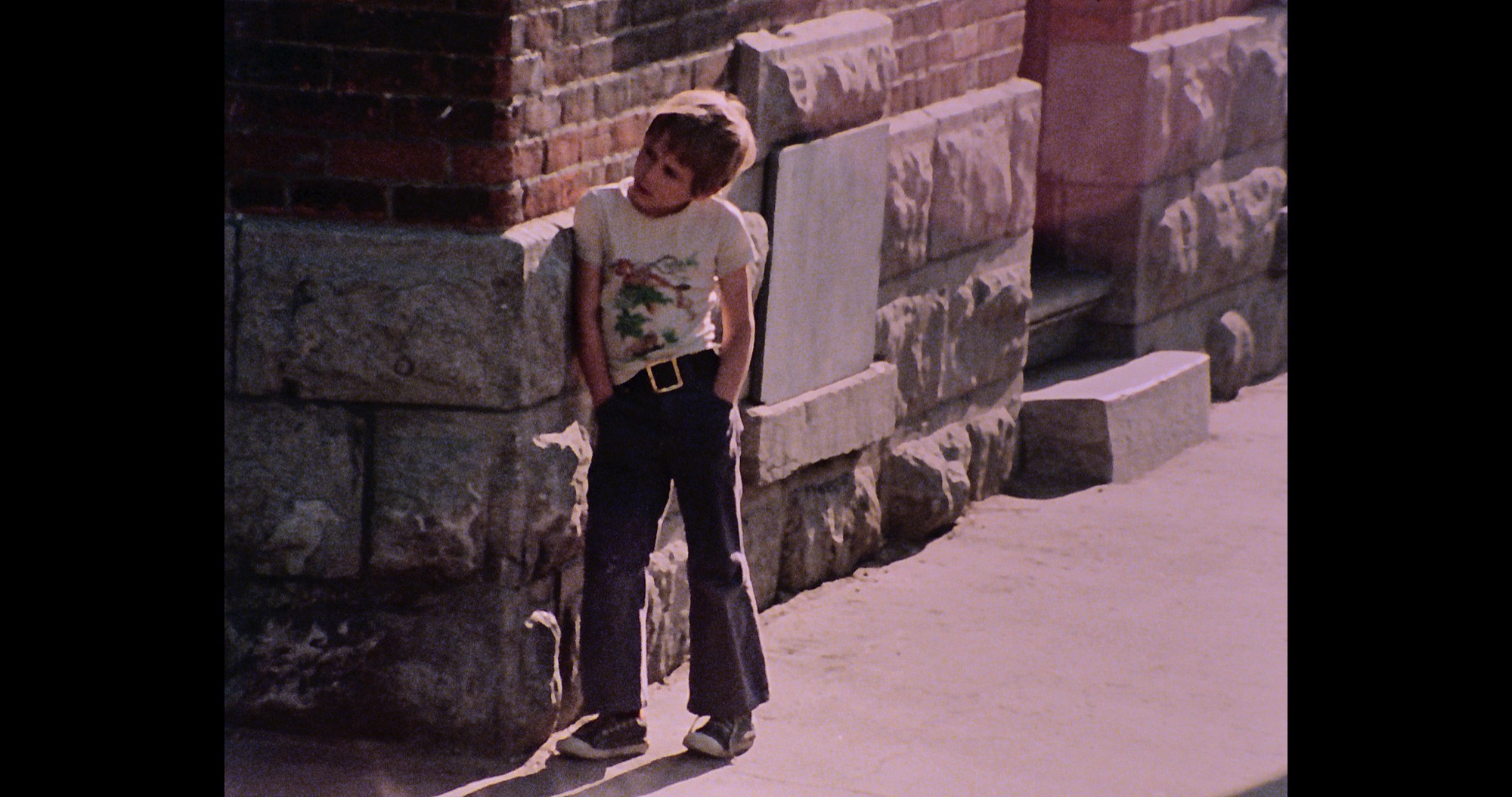
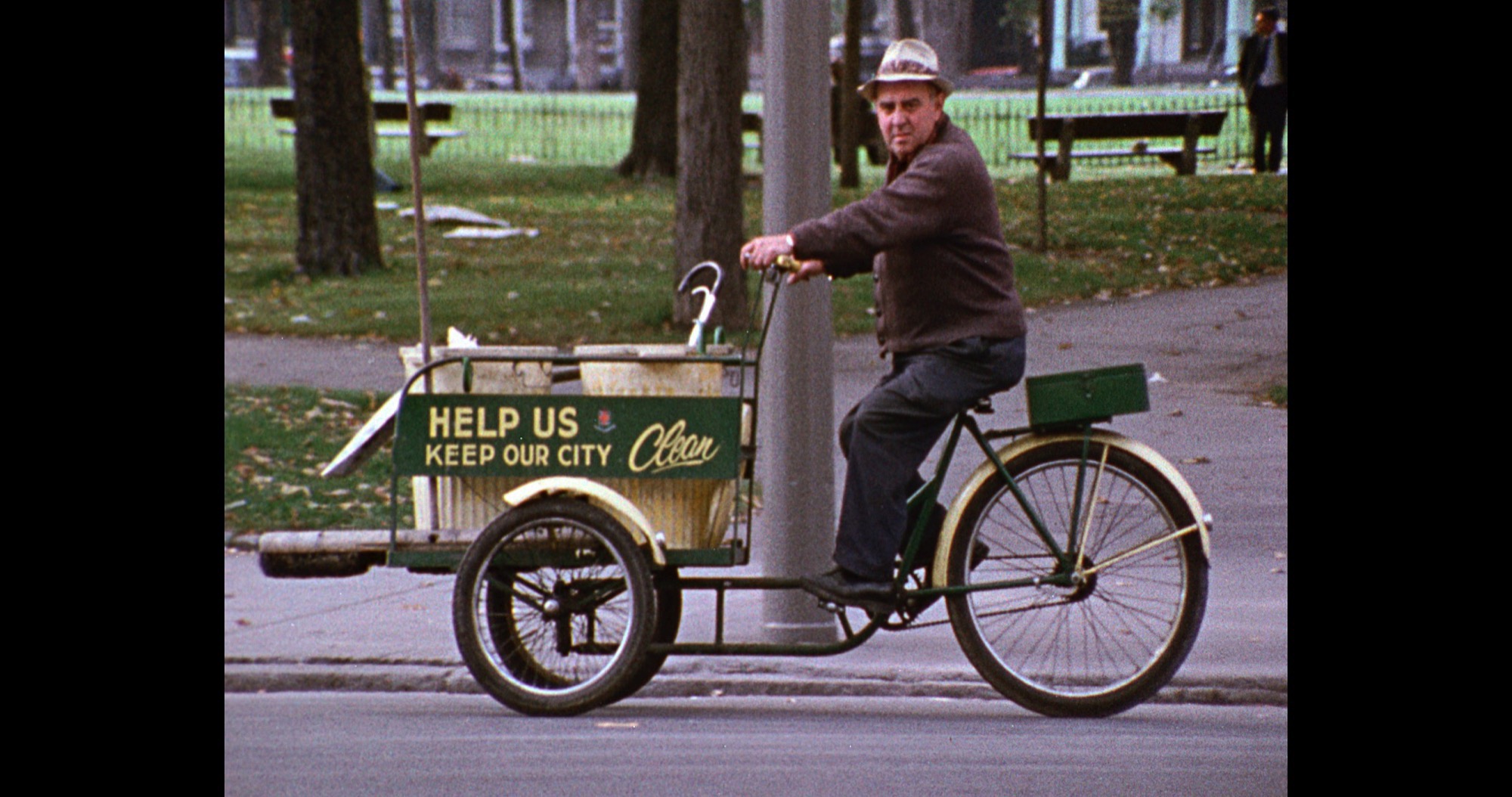
La part du diable, 2017 Office national du film du Canada / National Film Board of Canada
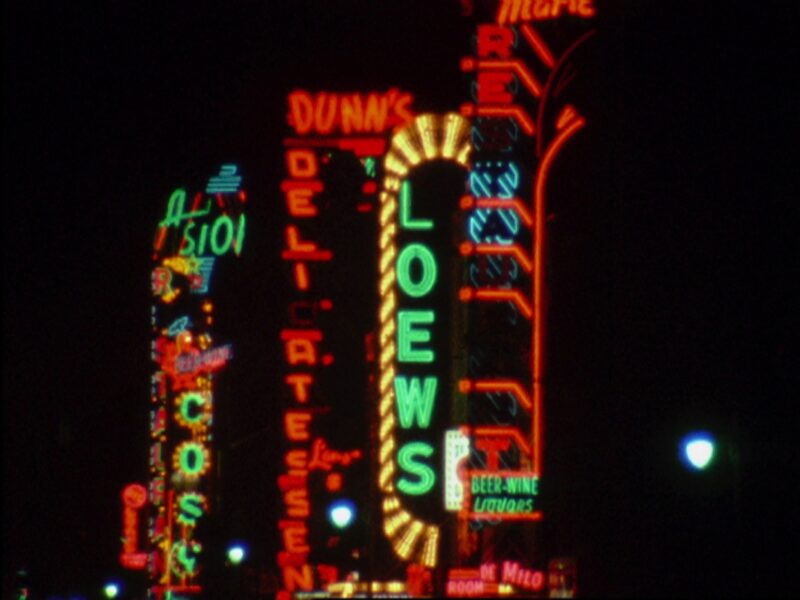
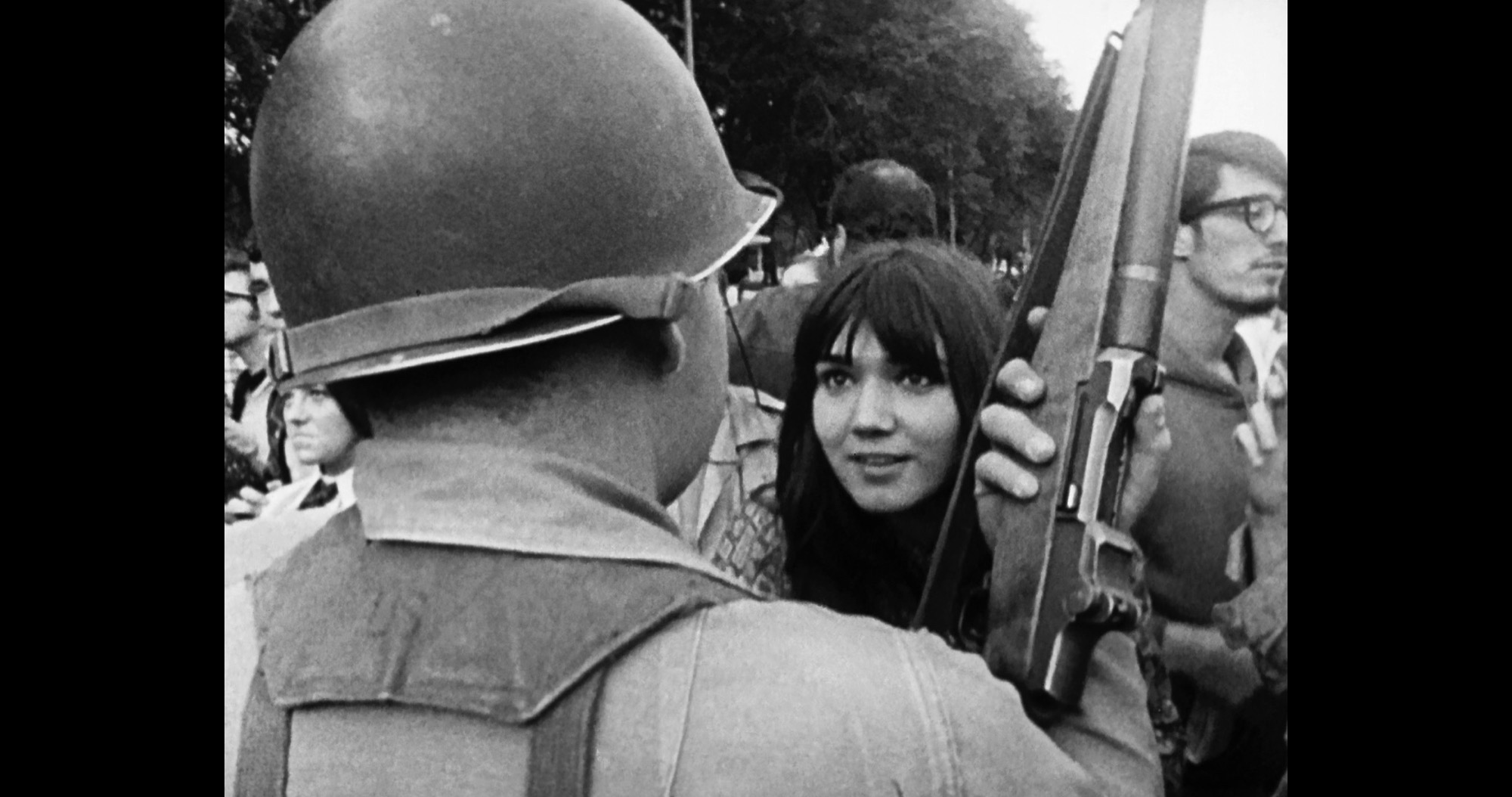
La part du diable, 2017 Office national du film du Canada / National Film Board of Canada
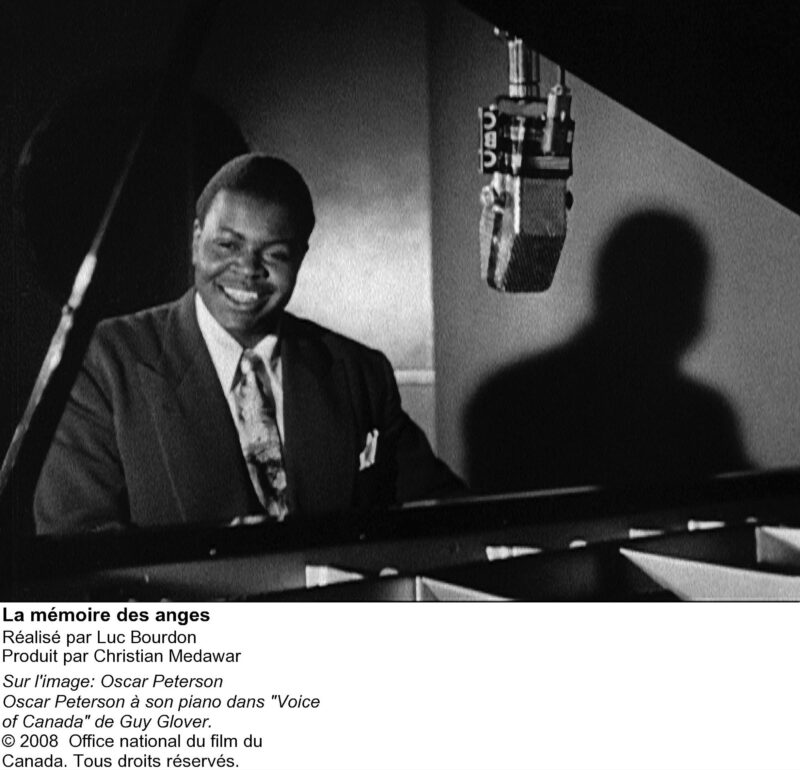
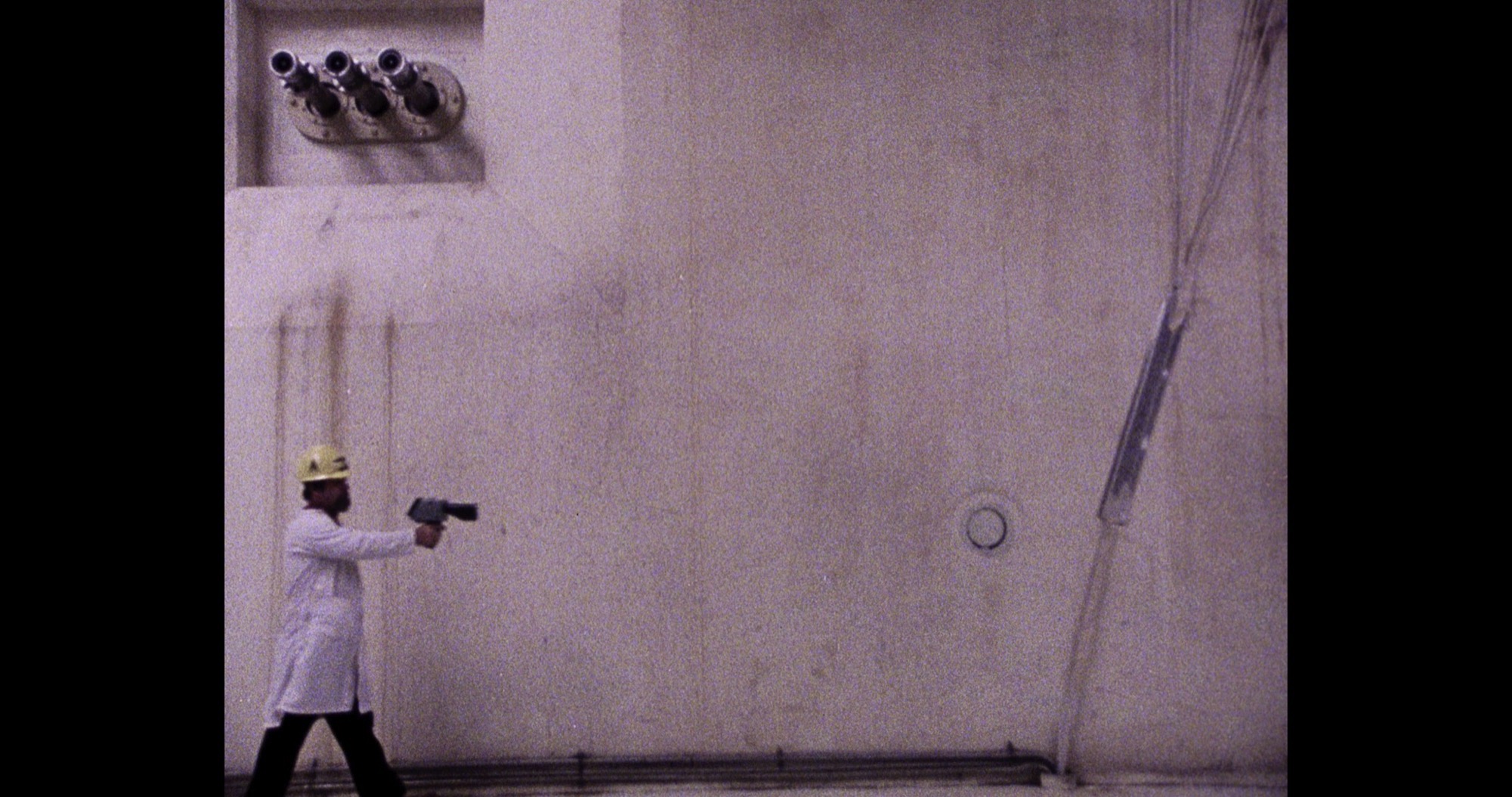
La part du diable, 2017 Office national du film du Canada / National Film Board of Canada
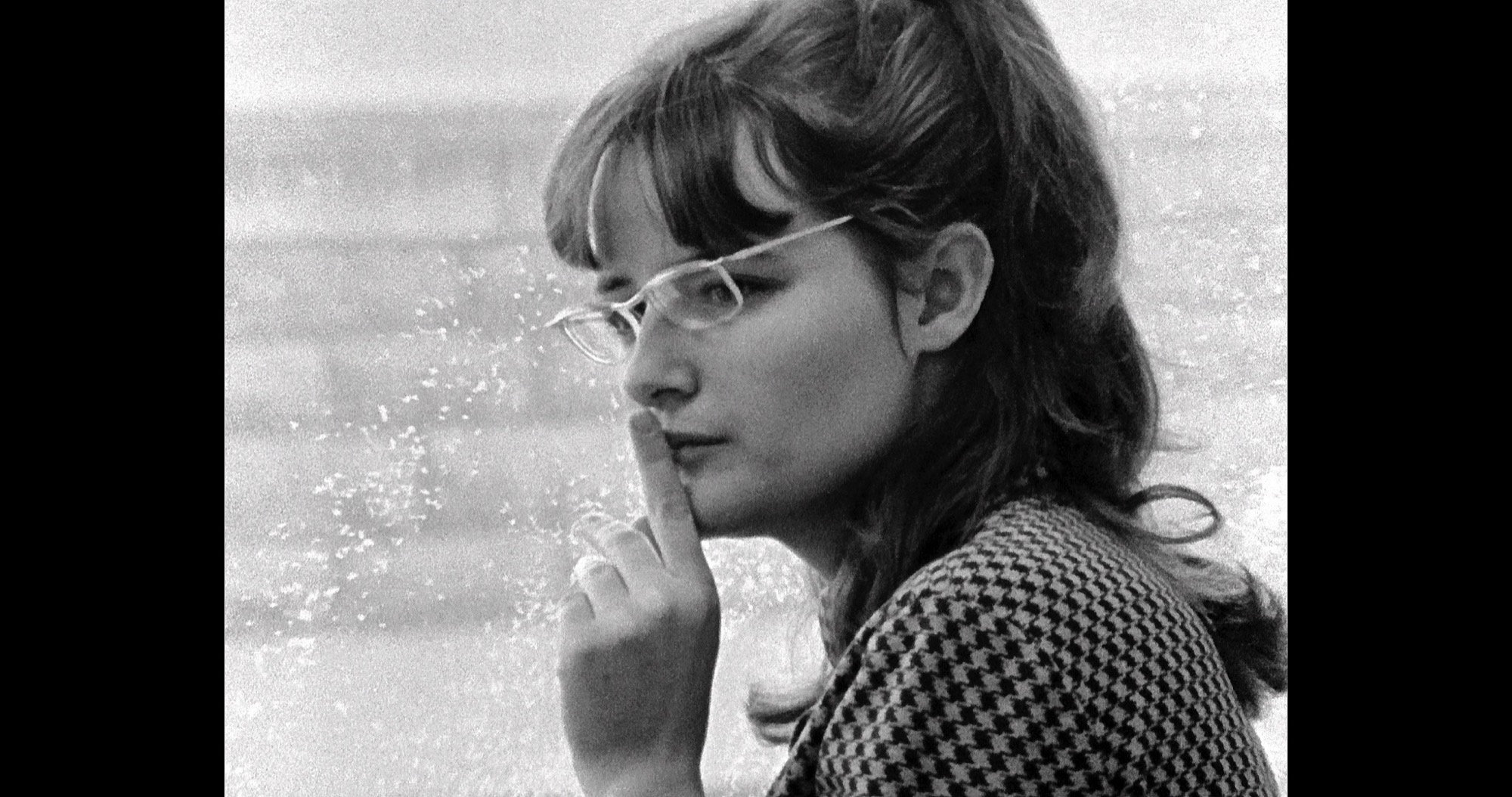
La part du diable, 2017 Office national du film du Canada / National Film Board of Canada
La part du diable, 2017 Office national du film du Canada / National Film Board of Canada
La part du diable, 2017 Office national du film du Canada / National Film Board of Canada
La part du diable, 2017 Office national du film du Canada / National Film Board of Canada
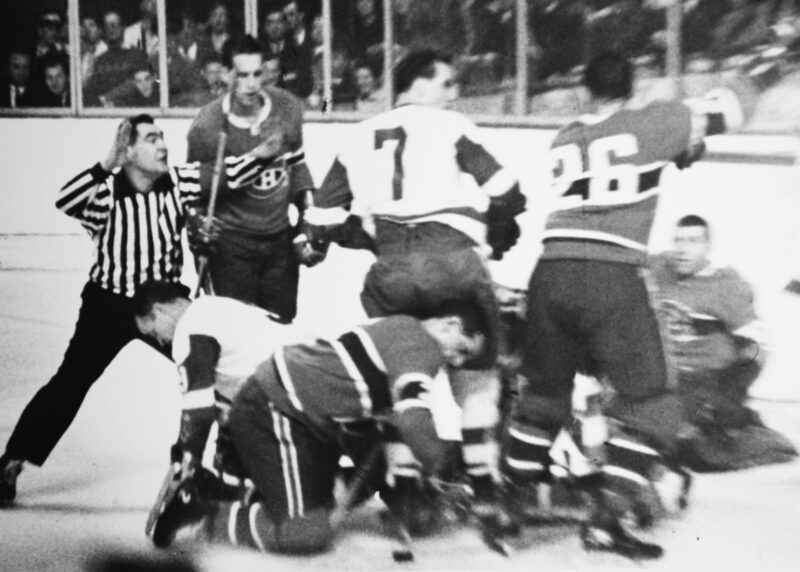
La part du diable, 2017 Office national du film du Canada / National Film Board of Canada
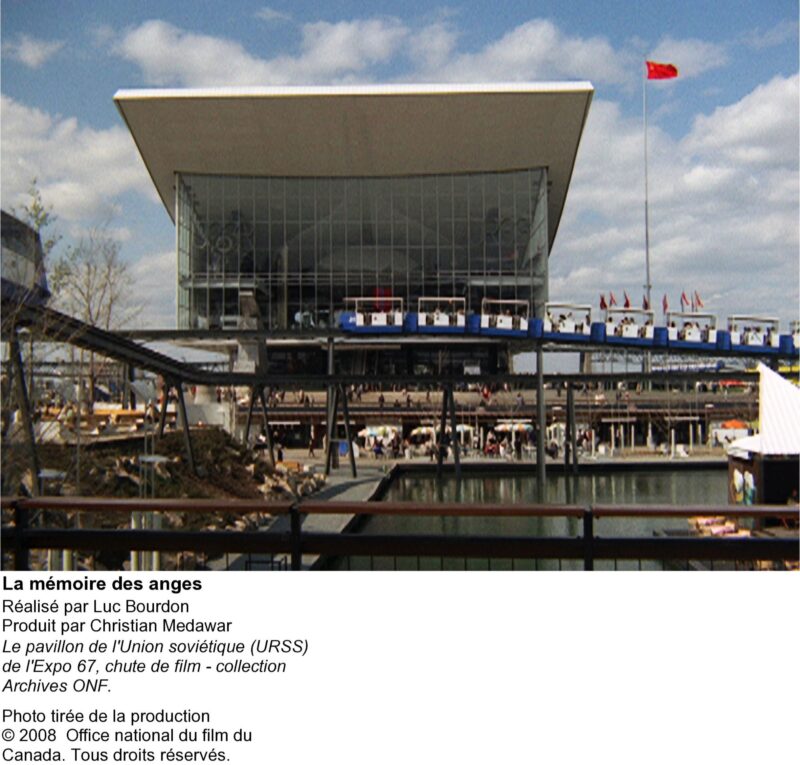
La part du diable, 2017 Office national du film du Canada / National Film Board of Canada
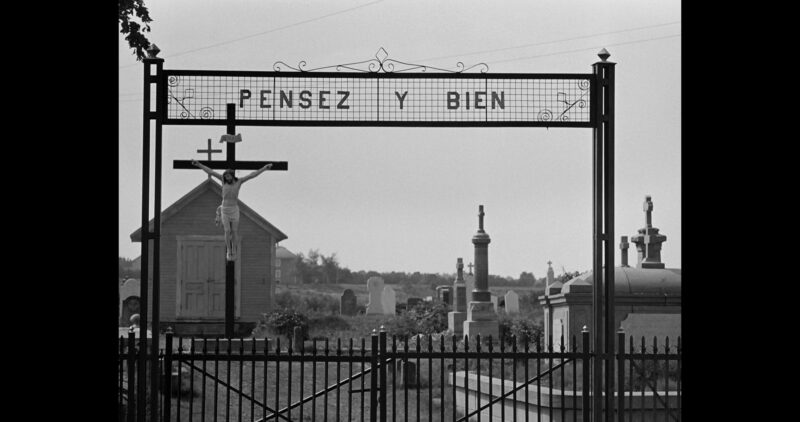
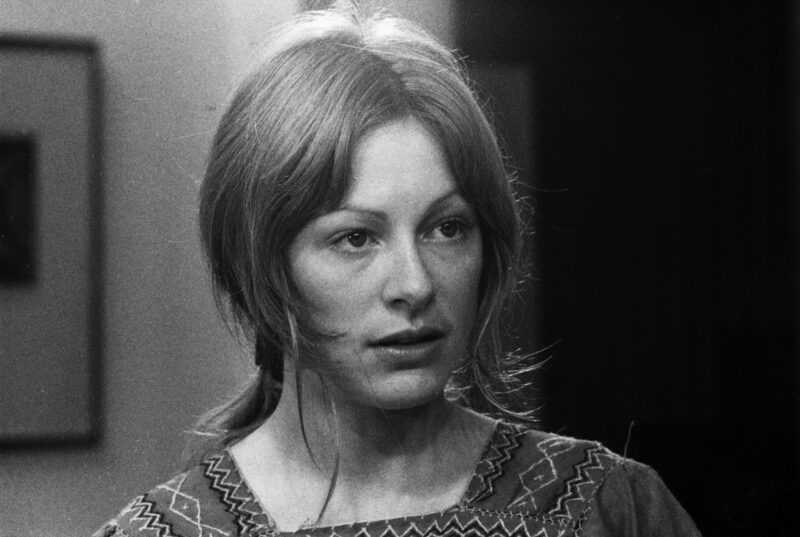
La part du diable, 2017 Office national du film du Canada / National Film Board of Canada
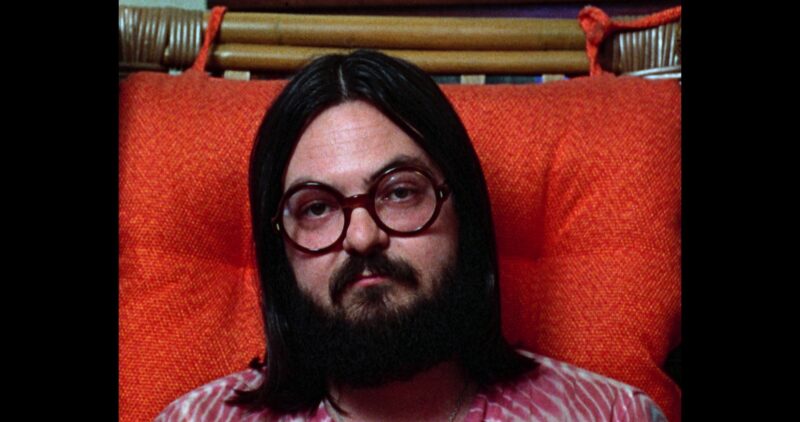
La part du diable, 2017 Office national du film du Canada / National Film Board of Canada
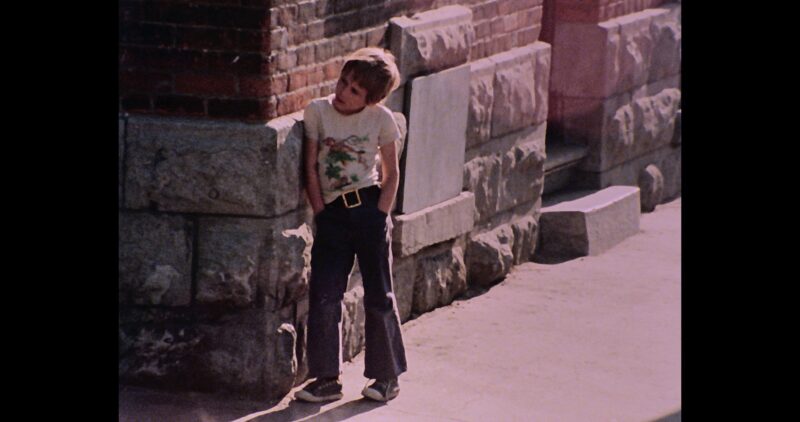
La part du diable, 2017 Office national du film du Canada / National Film Board of Canada
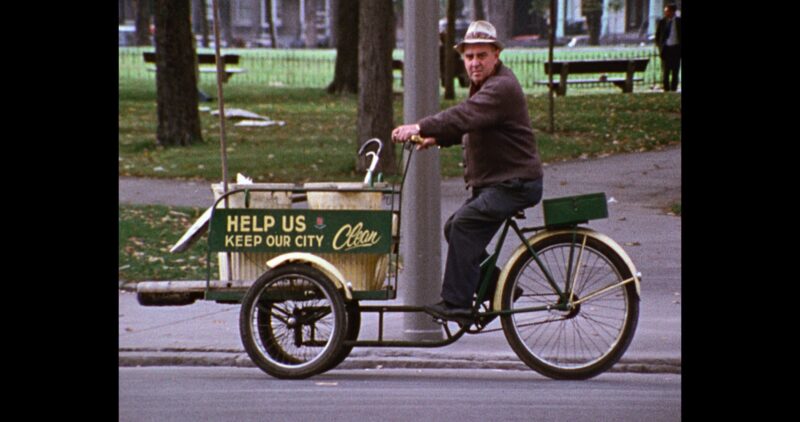
La part du diable, 2017 Office national du film du Canada / National Film Board of Canada
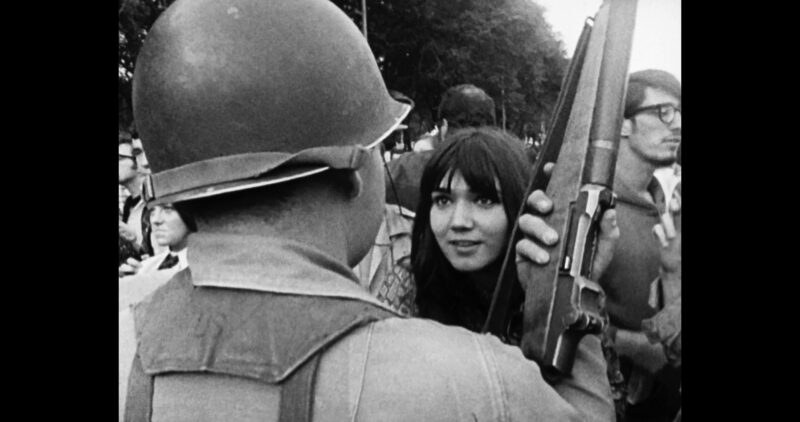
La part du diable, 2017 Office national du film du Canada / National Film Board of Canada
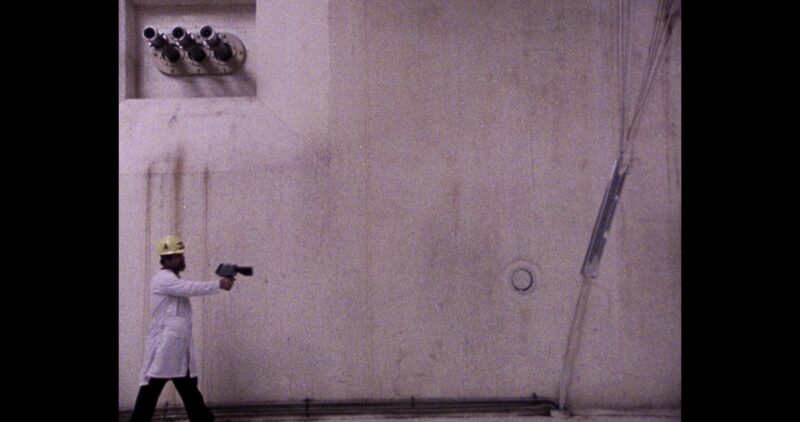
La part du diable, 2017 Office national du film du Canada / National Film Board of Canada
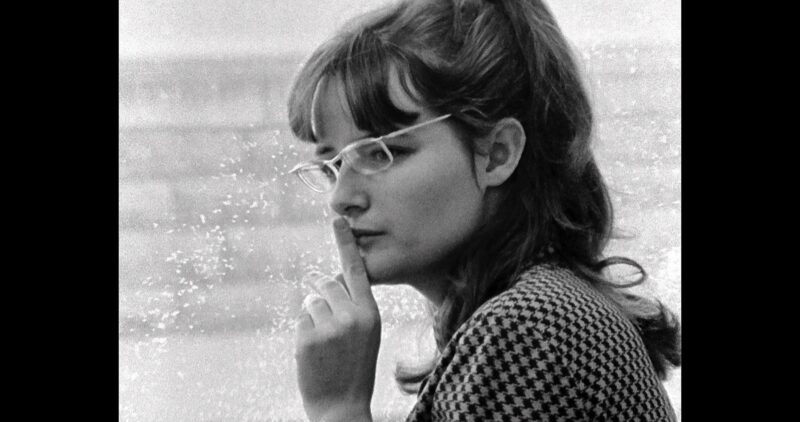
La part du diable, 2017 Office national du film du Canada / National Film Board of Canada
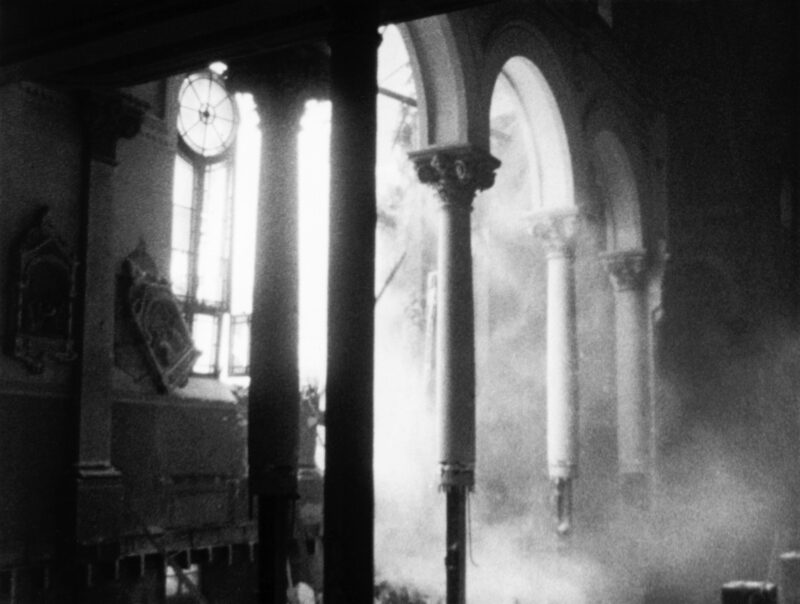
La part du diable, 2017 Office national du film du Canada / National Film Board of Canada


[Fall 2021]
Playing with Images and Sounds
an Interview by Nicole Gingras
A major figure in video art and film in Canada, Luc Bourdon has worked with various independent organizations in Quebec, including Vidéographe, Productions Réalisations Indépendantes de Montréal, Cinéma Parallèle, and the Festival du nouveau cinéma de Montréal. Since the 1980s, he has produced some fifty works – documentary, fiction, experimental – many of which are on arts and culture, and all of which feature the themes of history and memory. In 2021, he delved into the collection at Vidéographe, which was celebrating its fiftieth anniversary, to make Les Vidéographes, a series of programs broadcast over a one-year period in Canada and internationally. The series served as a pretext for this conversation about video, film, writing, and film editing.
Nicole Gingras: What was your first contact with video?
Luc Bourdon: Technically, it was in 1975: I shot my first video at high school using Portapak equipment. But my first real encounter with video took place one summer day in 1982, which I spent shooting a video letter dedicated to an artist who had left to live in Paris. In the evening, I slipped into the editing suite at Vidéographe and stayed until late at night refining my letter. It was twenty minutes long. I remember that night as being when I discovered the freedom of video as a medium, a tool that makes it possible to look in differ- ent ways and capture time by other means: the potential of saying “I see” and playing with images and sounds.
N.G.: Speaking to someone who’s far away and establishing a close connection through words are both strategies that characterize your works. Tell me about that interest.
L.B.: I’ve always loved words. I love them for their sound, their originality, their evocative power. I love the voices that endow words with grace, such as the voices of Luc Caron, Jean-Pierre Ronfard, and Marie Cardinal reading their texts aloud.
I’ve read every day since I was seven, when my father put the newspaper La Presse in front of me and told me that it was time to know what was going on in the world. I love writing letters, wandering and nomadic correspondences, travel logs, and many notes in the corners of my computer screen. I take care to answer my emails as if they were telegrams to be carefully composed. I’m a craftsman of images in movement who has had to write to explain and validate his creative ideas.
N.G.: Your video-making years were from 1980 to 1995: short, narrative, exploratory works infused with romanticism or lyricism, with an autobiographical touch. In retrospect, Plan de fuite (1995) marked the beginning of your transition from video art to film, which dominated the following decade.
L.B.: I have trouble situating myself with respect to what I’ve done. Fortunately, I happened upon the Vidéographe productions when I was curator of the project for its fiftieth anniversary, and I got to look at my works from a different angle. Most of my productions from 1980 to 1995 were filmed in a day or two, as I wanted to play with the immediacy, instantaneity, and creative freedom that video provided. From that time, I appreciate The Story of Feniks and Abdullah (1988), a video letter about a love affair imbued with undeniable candour and naiveté. Plan de fuite was indeed the last “art video” that I made, even though much of it was shot in 35 mm. It was the end of one period without knowing what would come next.
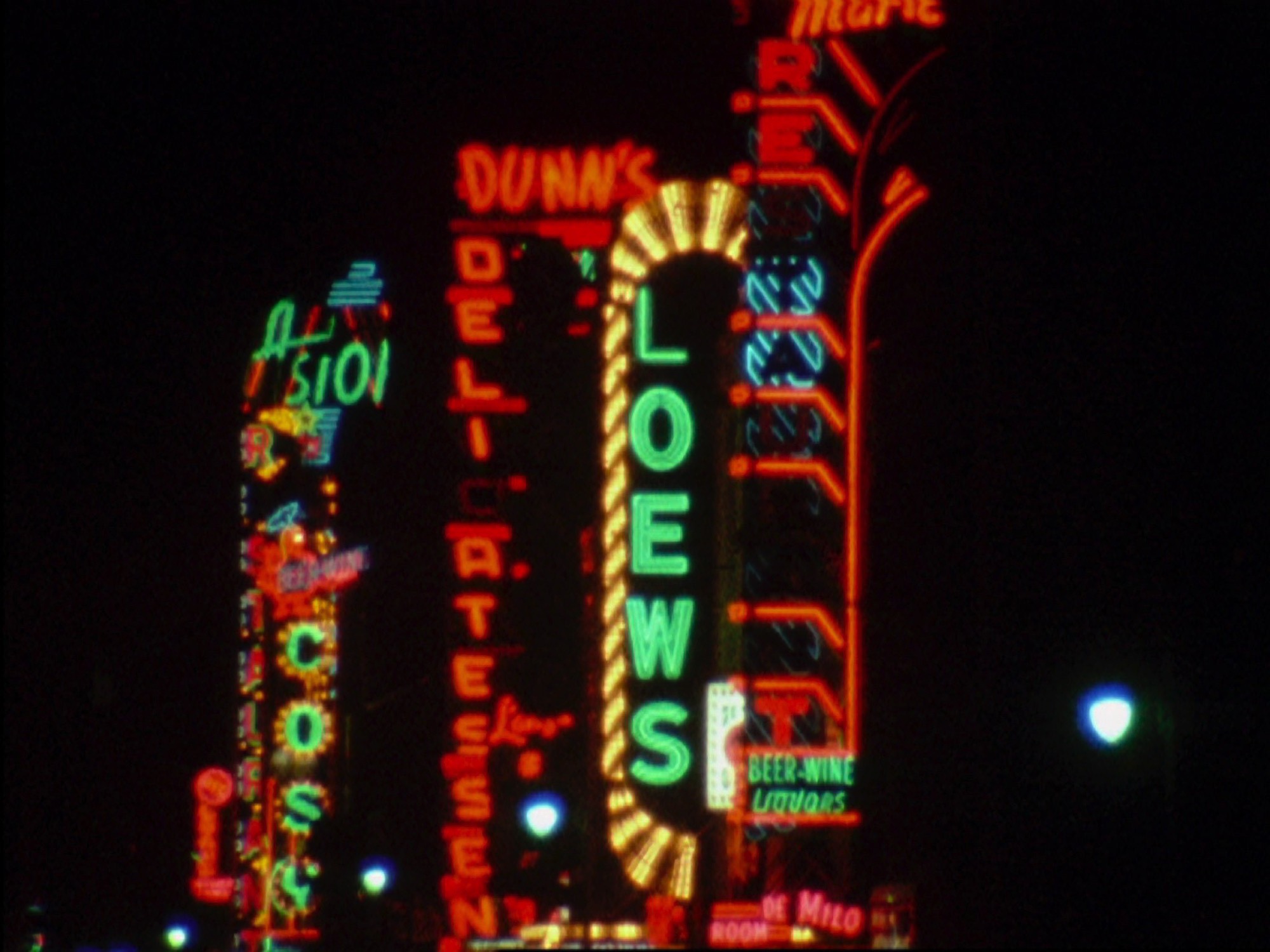
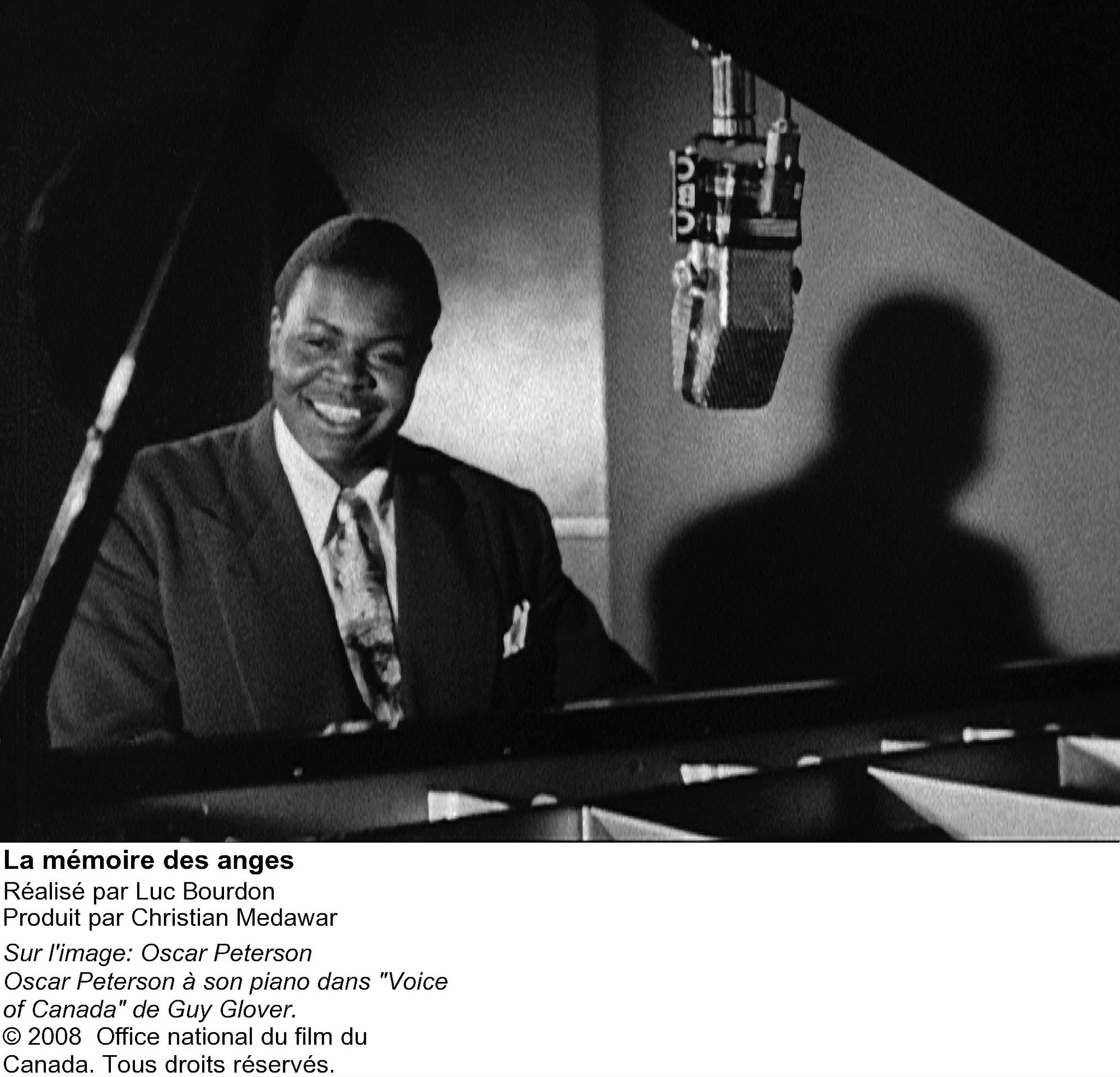
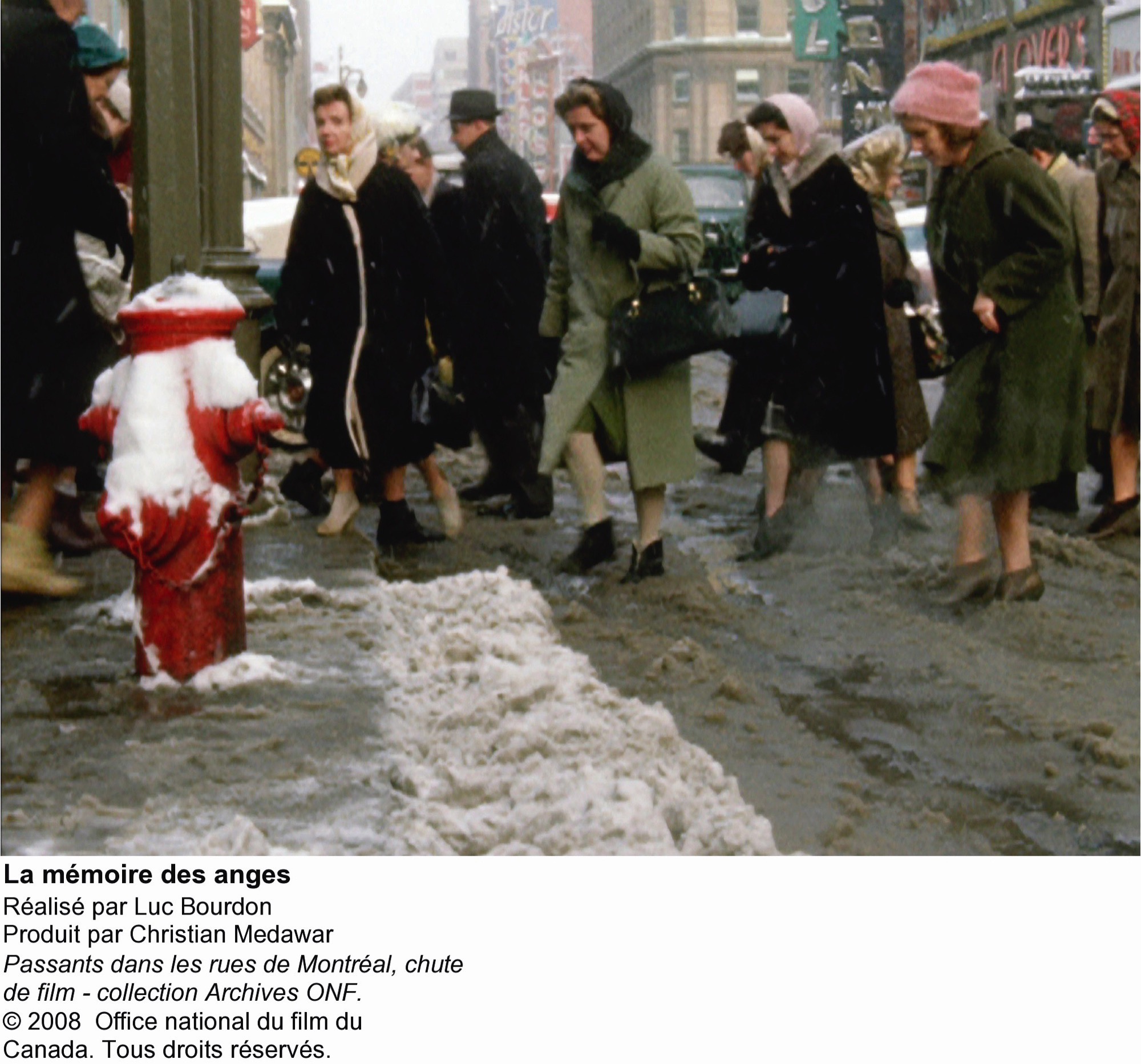
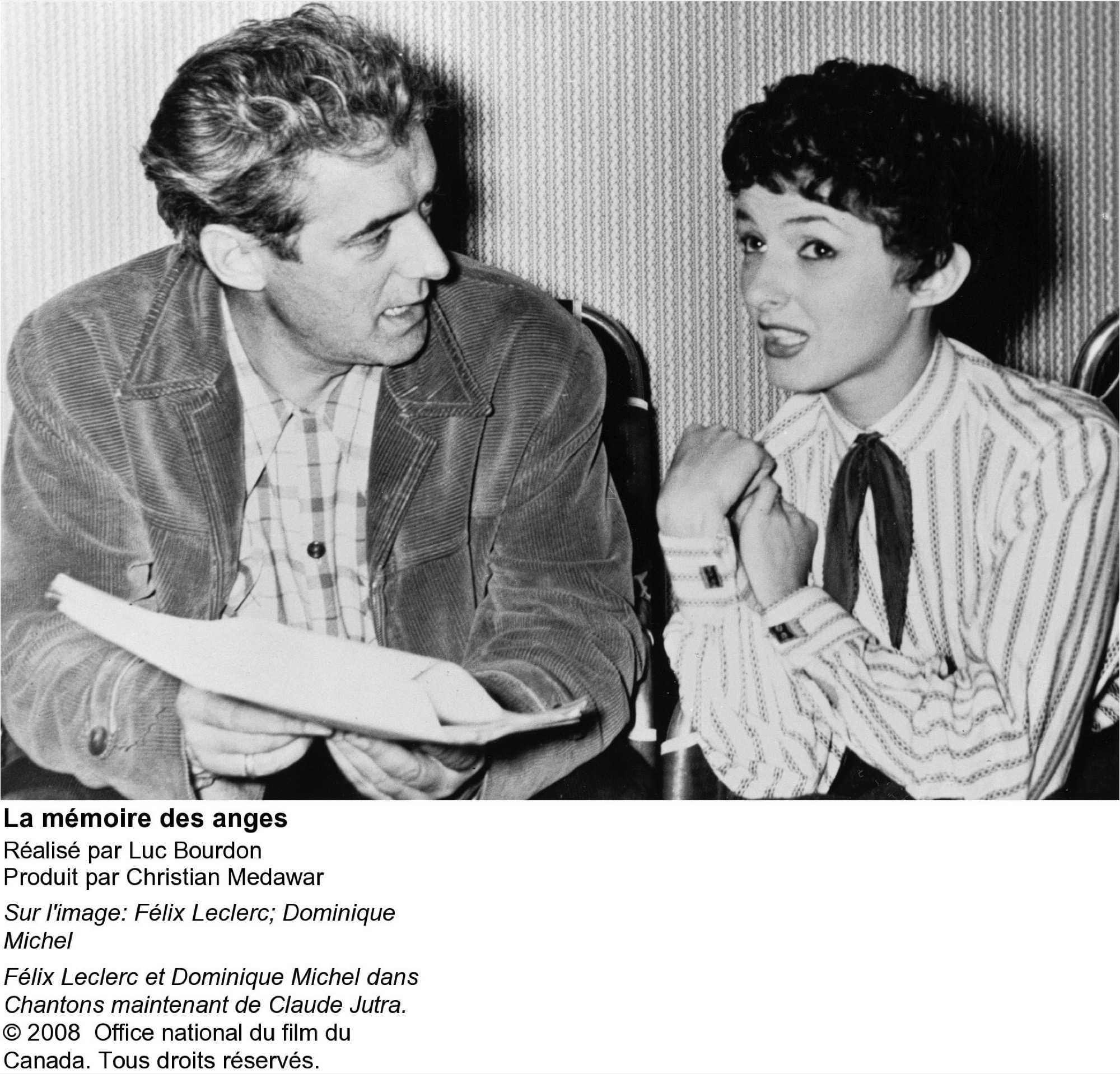
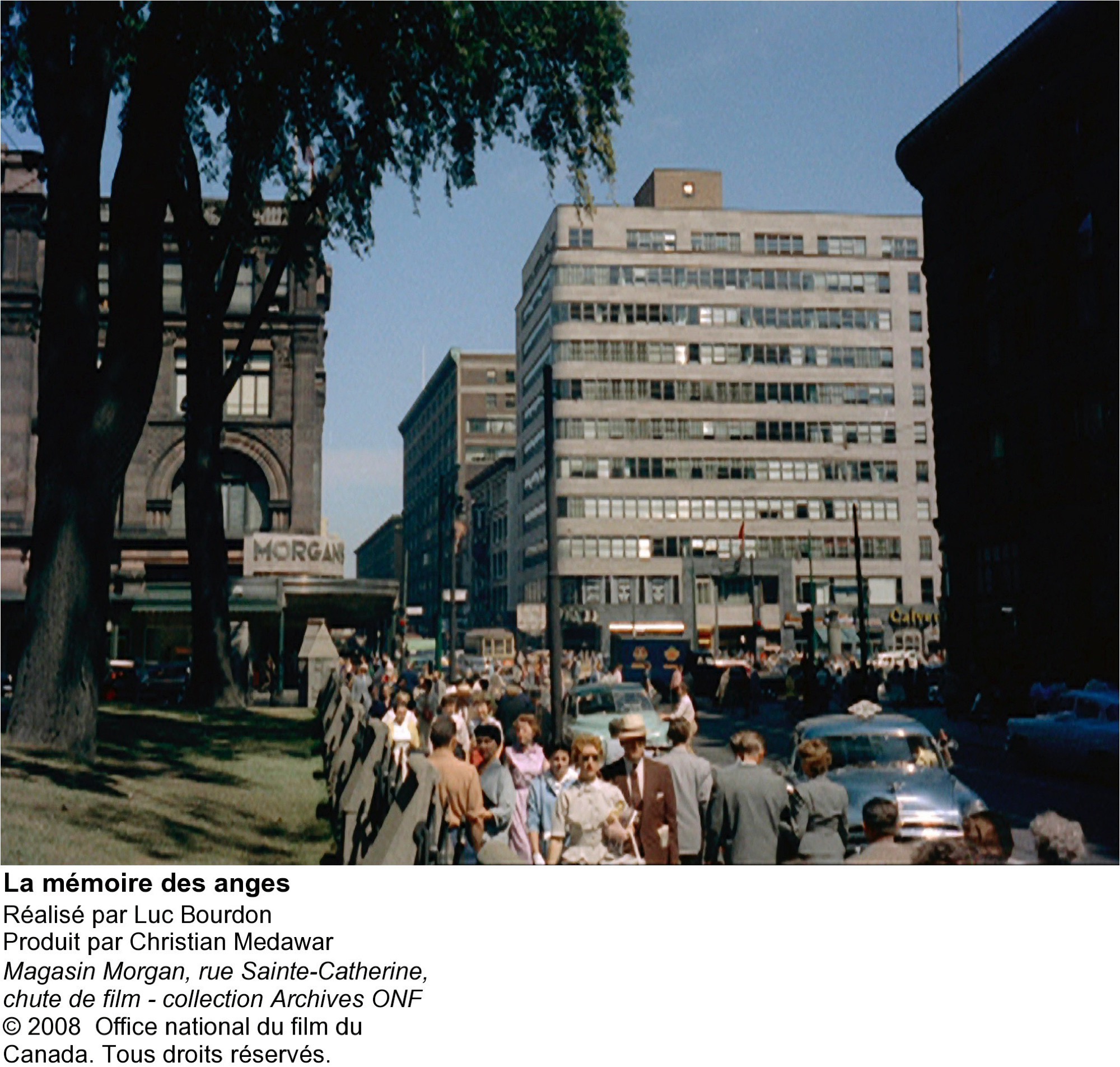
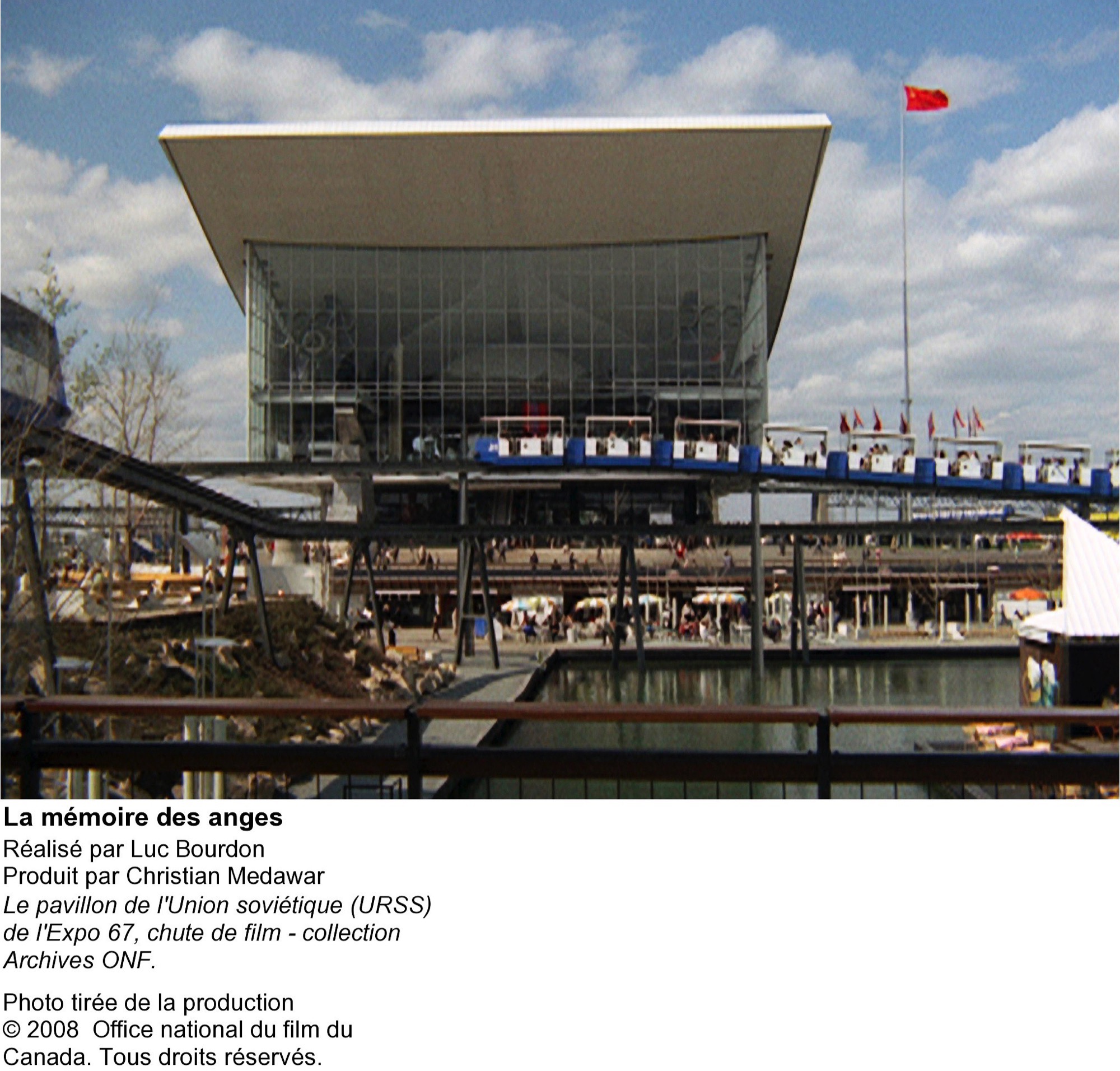
I spent from 1996 to 2003 at the Festival du nouveau cinéma et des nouveaux médias and the Ex-Centris complex. In 2005, I entered another stage by starting La mémoire des anges (2008), my first feature-length film – a production that would require more energy and research than the previous ones.
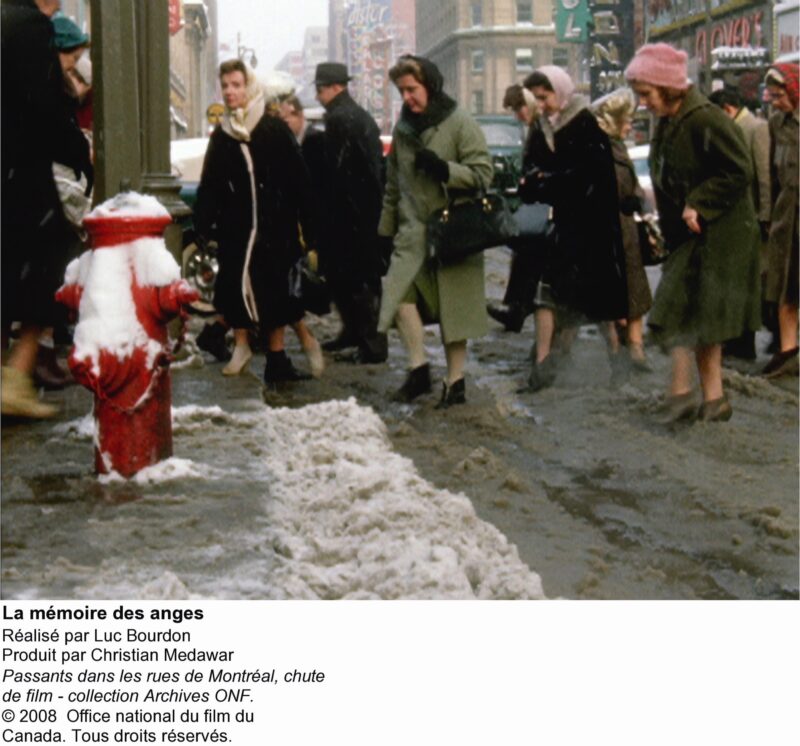
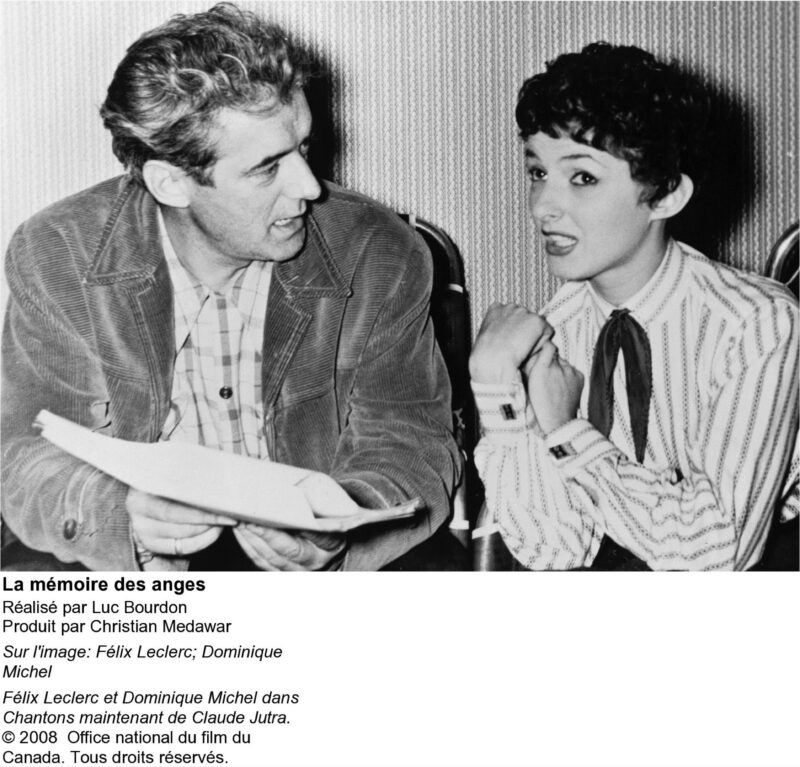
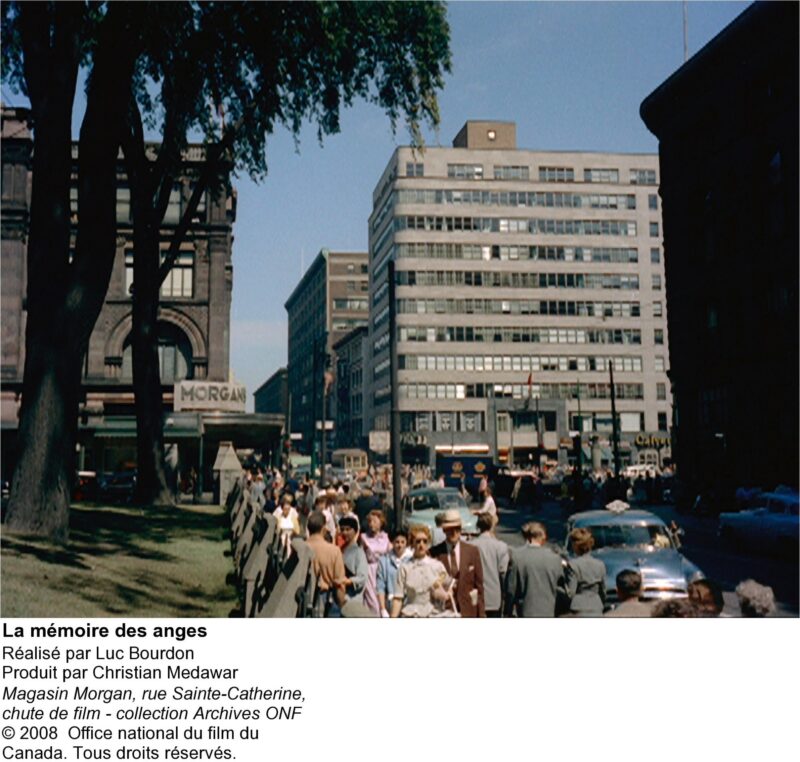
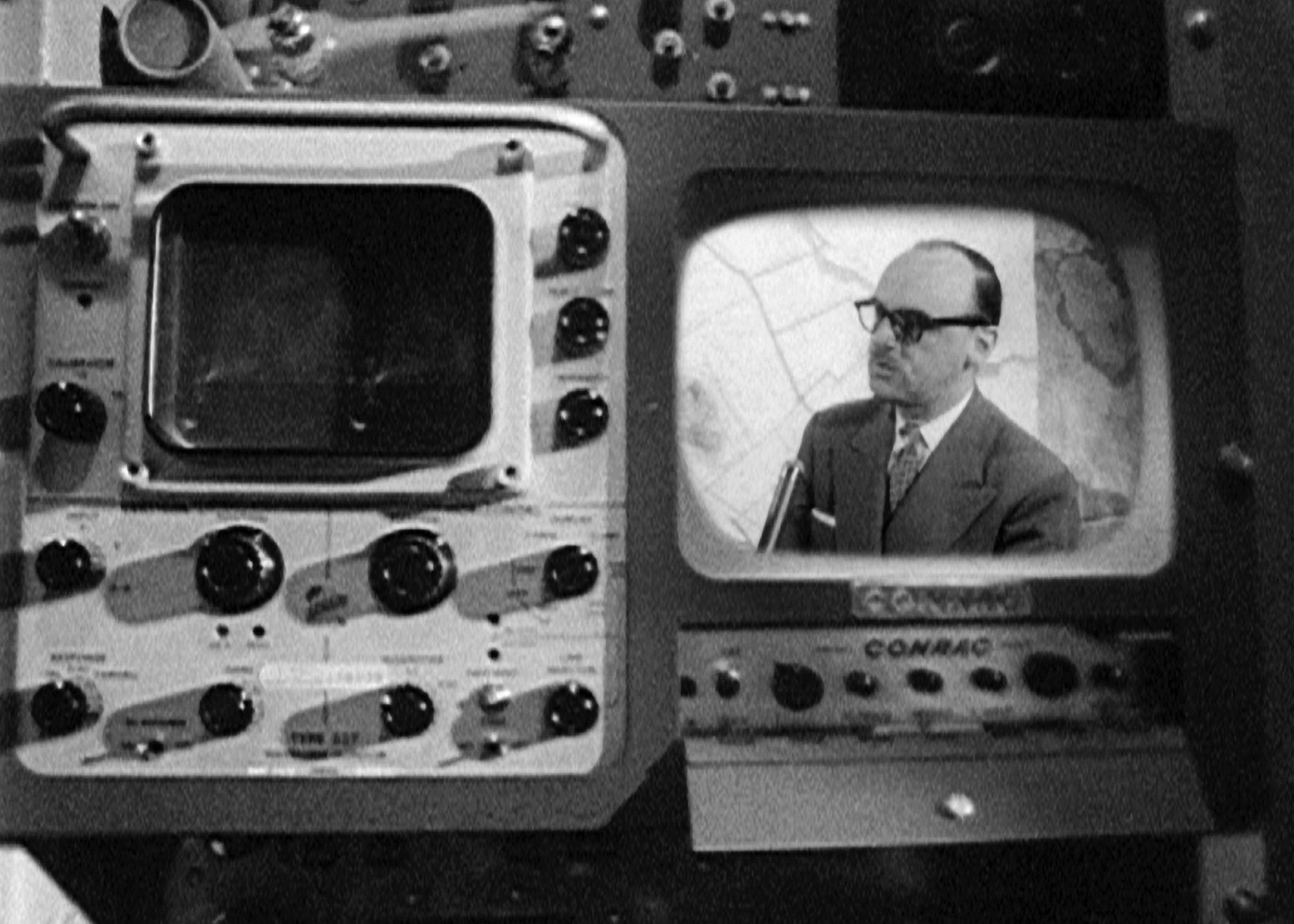
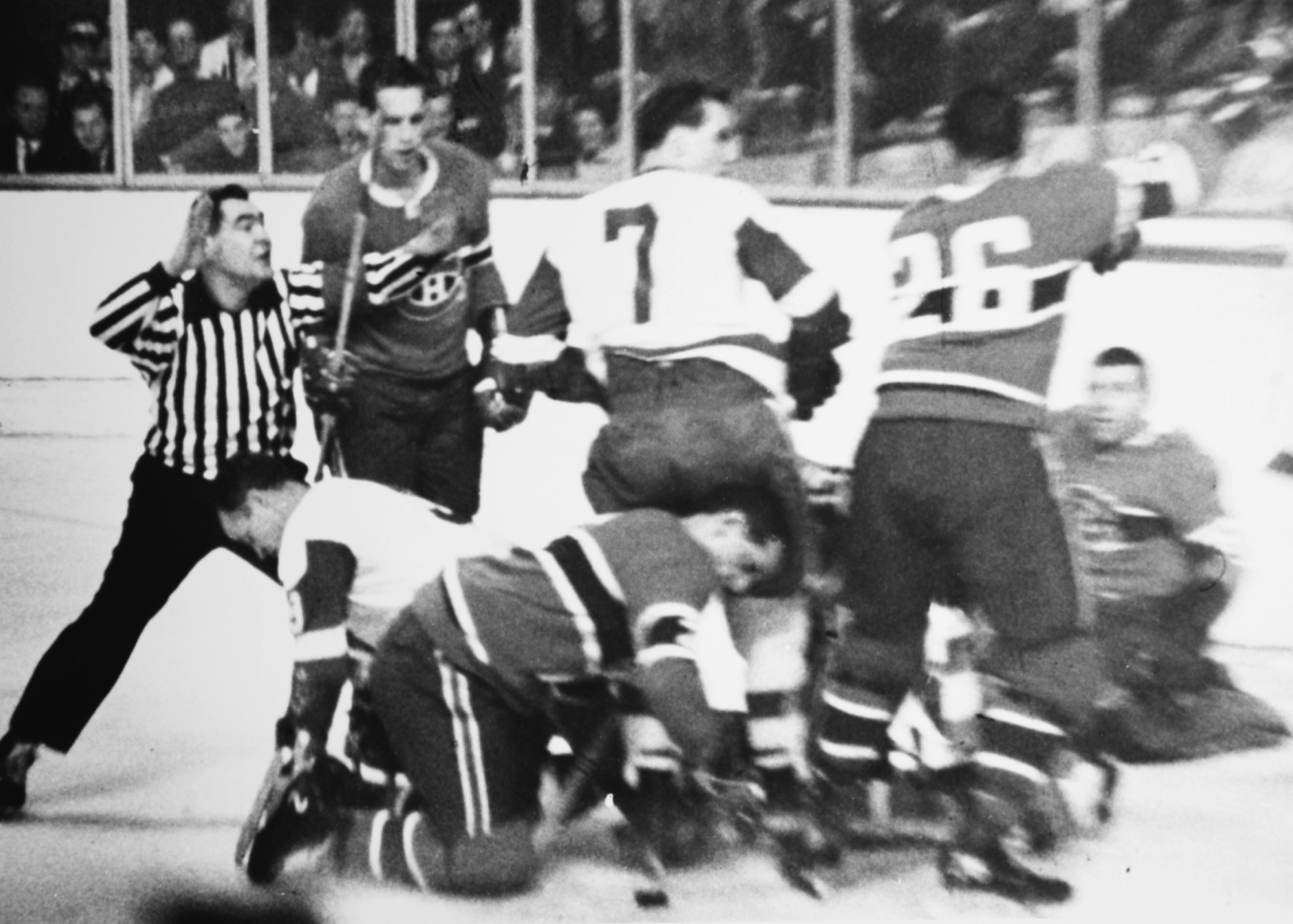
N.G.: Let’s talk about La mémoire des anges, a montage film produced from the archives of the National Film Board (NFB). How does one approach a project the raw material for which is the history of film in Quebec?
L.B.: In 2005, the producer, Colette Loumède, asked me to develop a non-traditional documentary production. We talked about a film without shooting, which would have the potential to reveal a little-used heritage by exploring the field of audiovisual archives – doing something new with something old in the era of the digital remix.In fall 2005, I went through the NFB collection by viewing VHS cassettes from the video library. The first film I watched was Marilú Mallet’s Les Borges (1978), a portrait of the Portuguese family that had lived in the house I was living in (and where I still live today). In it, I discovered sequences about the history of my beloved dwelling. Through the videocassettes, I discovered a Montreal that I didn’t know: that of my parents in the 1940s and 1950s, that of my childhood in the 1960s, and that of my adolescence in the 1970s. I came across a body of film rich in tradition and experimentation that has stood the test of time remarkably well. I was looking for little gems hidden between two sequences, between two shots. Over two weeks, I edited together a thirty-minute rough cut with the help of Michel Giroux. The result was convincing enough to open the door to the next step.
The following spring, the period of research and scriptwriting began: nine months of viewing films of all sorts. That was when I discovered the subject: a collection of places, scenes of daily life, and songs performed by film and theatre artists. My compass was the two books published for the NFB’s fiftieth anniversary, which brought together titles produced between 1939 and 1989. At the end of the research period, I went through the production outtakes preserved in the archives: images without sound revealing carefully filmed cinematography and a fascinating past. I took note of these finds, knowing that what I was discovering was what I would have others discover.
In 2007, Michel Giroux and I began production on a film to be designed in the editing room. Film by film, we cut out each of the sequences, songs, music, pieces of dialogue, ambient sounds, and shots selected from two hundred titles. Once we had finished this preliminary cut, the work of creating new sequences featuring the shots of a city, its people, and its stars began. The film emerged and became an identifiable object that had to be brought to life at the right pace. Then the moment came when there was no longer anything to say about or do with this material. Excerpts from a hundred and twenty films were ready for the next step: the final visual edit, from the negatives of each of the productions.
Once the final visual edit was complete, we turned to the sound editing, done by Sylvain Bellemare and Frédéric Cloutier: a soundtrack created strictly, in a process like the images from the films, on audio harvested from the archives (without the addition of sound effects or recordings other than those available in the NFB collection). The envelope of sounds created provided the skin for the body of an impressionistic film full of songs, music, and images.
N.G.: And in 2014, your exploration of the NFB archives continued when you began to work on La part du diable (2017).
L.B.: Yes, La part du diable was the follow-up to the first montage film made at the NFB. The whole process began again: three years of creation following research, then editing, finishing, and distribution of an essay covering the 1970s – a decade that, incidentally, I experienced.
N.G.: I like to think of these two feature-length films as works created from found images. How does a filmmaker work with images made by others?
L.B.: I’ve made several films using archives: shorts, commissions, trailers, installations. To create with images made by others involves an attitude of respect toward the result of a film – an original creation – that you didn’t conceive, accompanied by the responsibility of not betraying the author’s intentions. This responsibility also exists when I shoot and edit a documentary that necessitates the participation, words, and opinions of others.
There is also an easy position to take: that of paying tribute to images and sounds and, thus, to highlight the work of the teams that shot, conceptualized, made the soundtrack for, or produced them. That being said, at the stage of the creative process in the editing suite, there isn’t much difference between working with one’s own images and with those made by others. The big difference is at the level of ideation of the research and writing a shooting script. The scenario proves to be a map for navigating throughout the process. The work with archives involves more improvisation, as the opening concept can be freer, broader, tending toward exploration of the subject.
N.G.: I’ve mentioned your rather passionate attachment to words. When you made these two feature-length films, how did you manage to keep words as a material at a distance?
L.B.: In La part du diable, there is a sequence of words on the screen, around an Indigenous legend. It’s the exception that proves the rule. In fact, I wasn’t all that happy with this sequence, which slows the pace and forces the audience to read a text, causing a break in the action.
In the works of the 1980s and up to Plan de fuite, I used text on the images; they became a means for inserting words and phrases into the work. An abundance of art-video experiments discovered during festivals influenced me. I think, among others, about Garry Hill’s Happenstance (1982), in which a play on words is deployed onscreen. Or Michael Snow’s So Is This (1982), which remains one of the strongest fiction works I have ever seen. This film without images or sounds, this “verbatim,” gradually captivates our imagination and enables us to build a world unto itself.
Experiments by artists with video art and experimental film influenced, through the film strip, the evolution of audiovisual language and exploded the notion of images in motion. When making documentaries, I abandoned the use of words onscreen to concentrate on oral tradition – stories, interviews, testimonials by people onscreen. I experimented with the documentary form and the use of talking heads. In my next step, I filmed actions, scenes, gestures in significant places. The love of words remains and persists in the cutting and intersecting of voices, music, and sound. It is found clearly in Une vie pour deux (la chair et autres fragments de l’amour), made in 2013 with Alice Ronfard and filmed as a theatre/film laboratory. The text of this feature-length film is embodied in the play, speech, and voices of the performers – an attempt to combine family, theatre, literature, and film.
N.G.: Currently, where are you with images and sounds?
L.B.: The pandemic wiped out the 2020 agenda and has shaken up the 2021 agenda. Other projects have emerged: an archival research project – a marathon of images – and production of a short film that will enable me to return to the camera and the editing suite. Translated by Käthe Roth
1 Collage made from an essay by Roland Barthes, Fragments d’un discours amoureux (1977), as part of a creative residency at Western Front in Vancouver, upon invitation of the artist Kate Craig, who was a producer at the time.
2 The last project in a series of collaborations between Bourdon and Ronfard since 1986, this film was shot in two days to record the première of the eponymous play by Evelyne de la Chenelière, a free adaptation of Marie Cardinal’s novel Une vie pour deux (1978).
Nicole Gingras is an independent researcher, curator, author, and publisher. She is also the programmer for the FIFA Experimental section of the International Festival of Films on Art.
[ Complete issue, in print and digital version, available here: Ciel variable 118 – Exhibiting Photography ]