
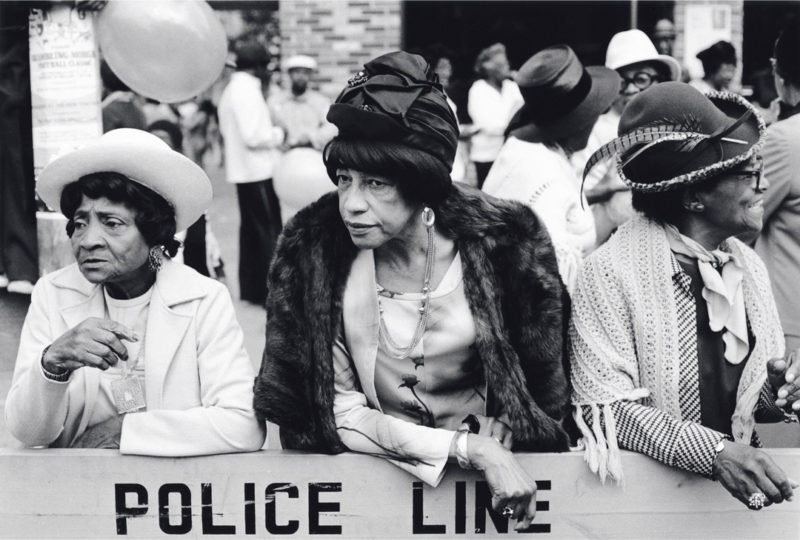
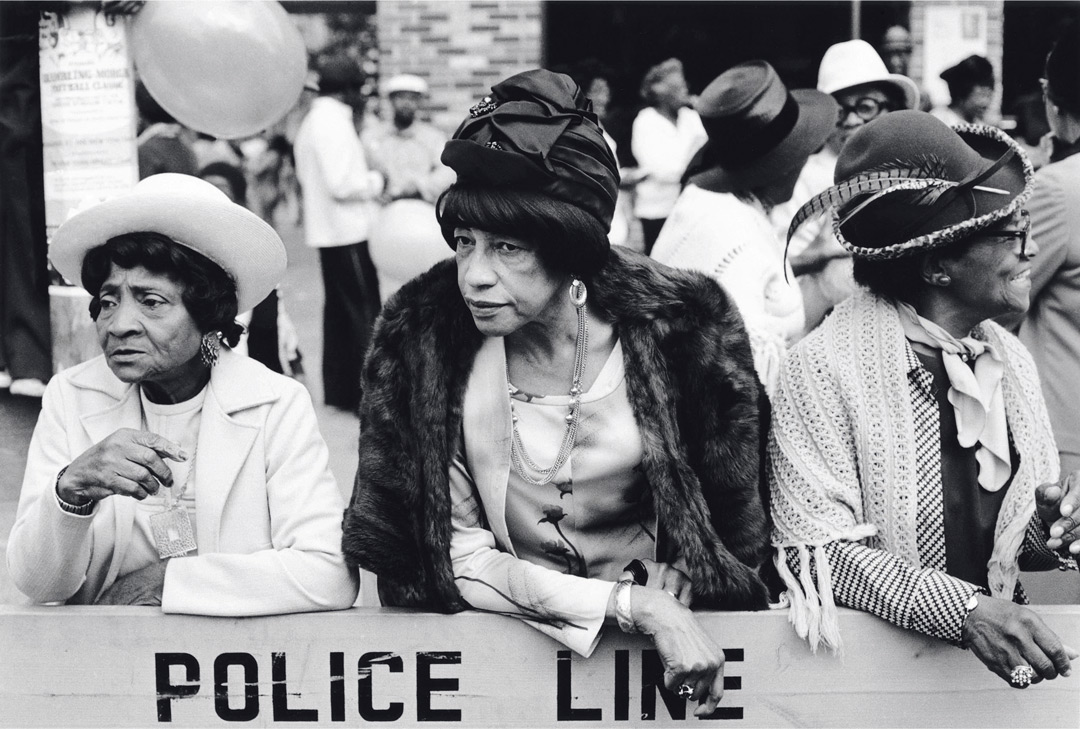
Dawoud Bey, Three Women at a Parade, Harlem, NY, 1978, tirage argentique / gelatin silver print, 28 × 36 cm, © Dawoud Bey, permission de l’artiste / courtesy of the artist, Sean Kelly Gallery, Stephen Daiter Gallery, Rena Bransten Gallery
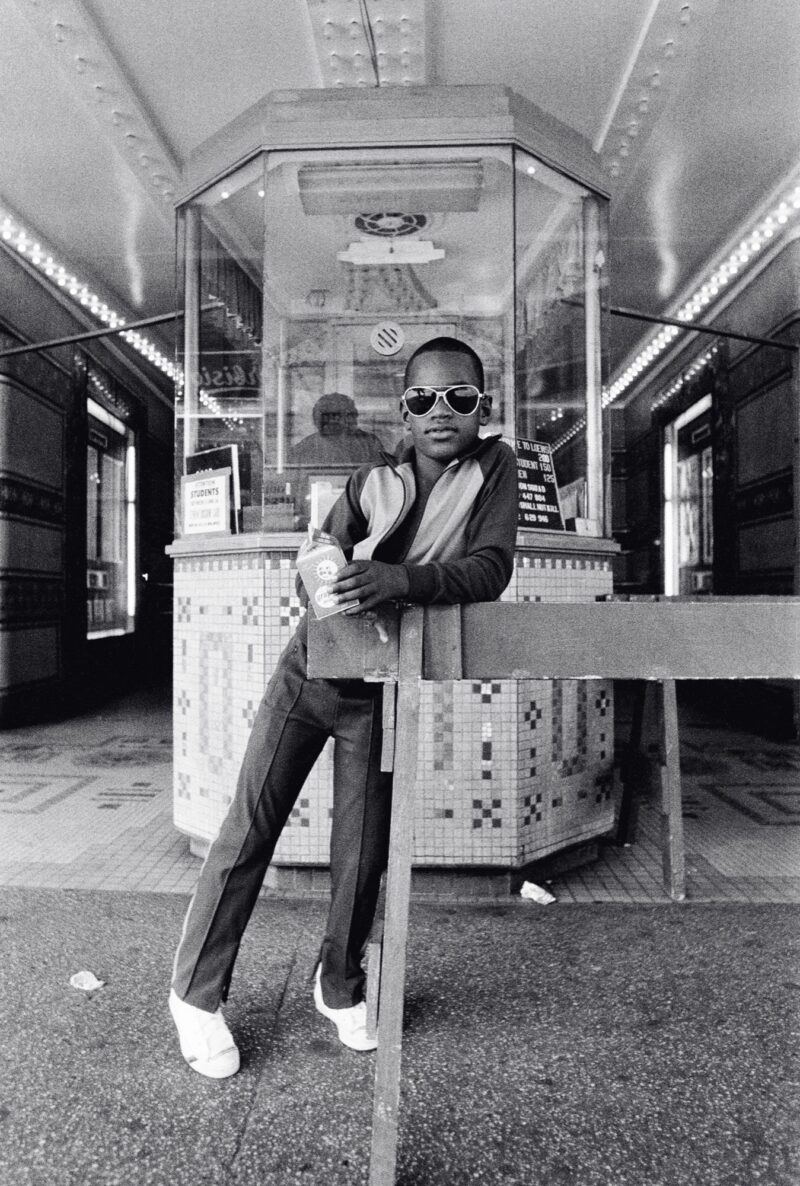
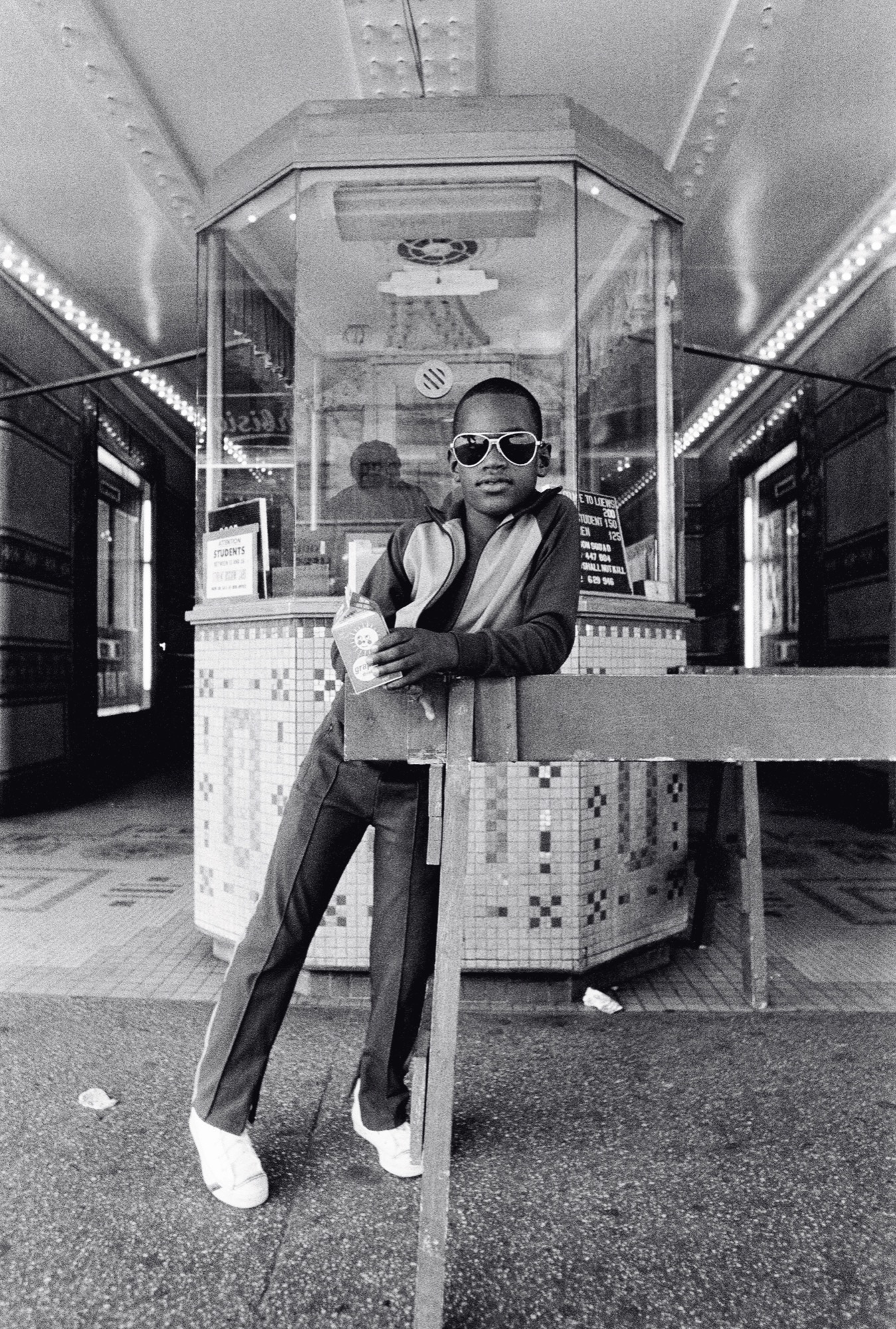
Dawoud Bey, A Boy in Front of the Loew’s 125th Street Movie Theater, Harlem, NY, 1976, tirage argentique / gelatin silver print, 36 × 28 cm, permission de l’artiste / courtesy of the artist, Sean Kelly Gallery, Stephen Daiter Gallery, Rena Bransten Gallery
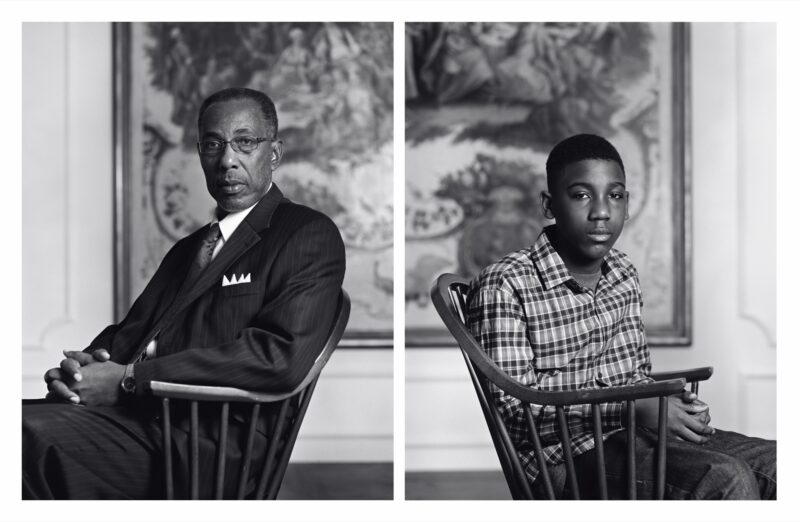
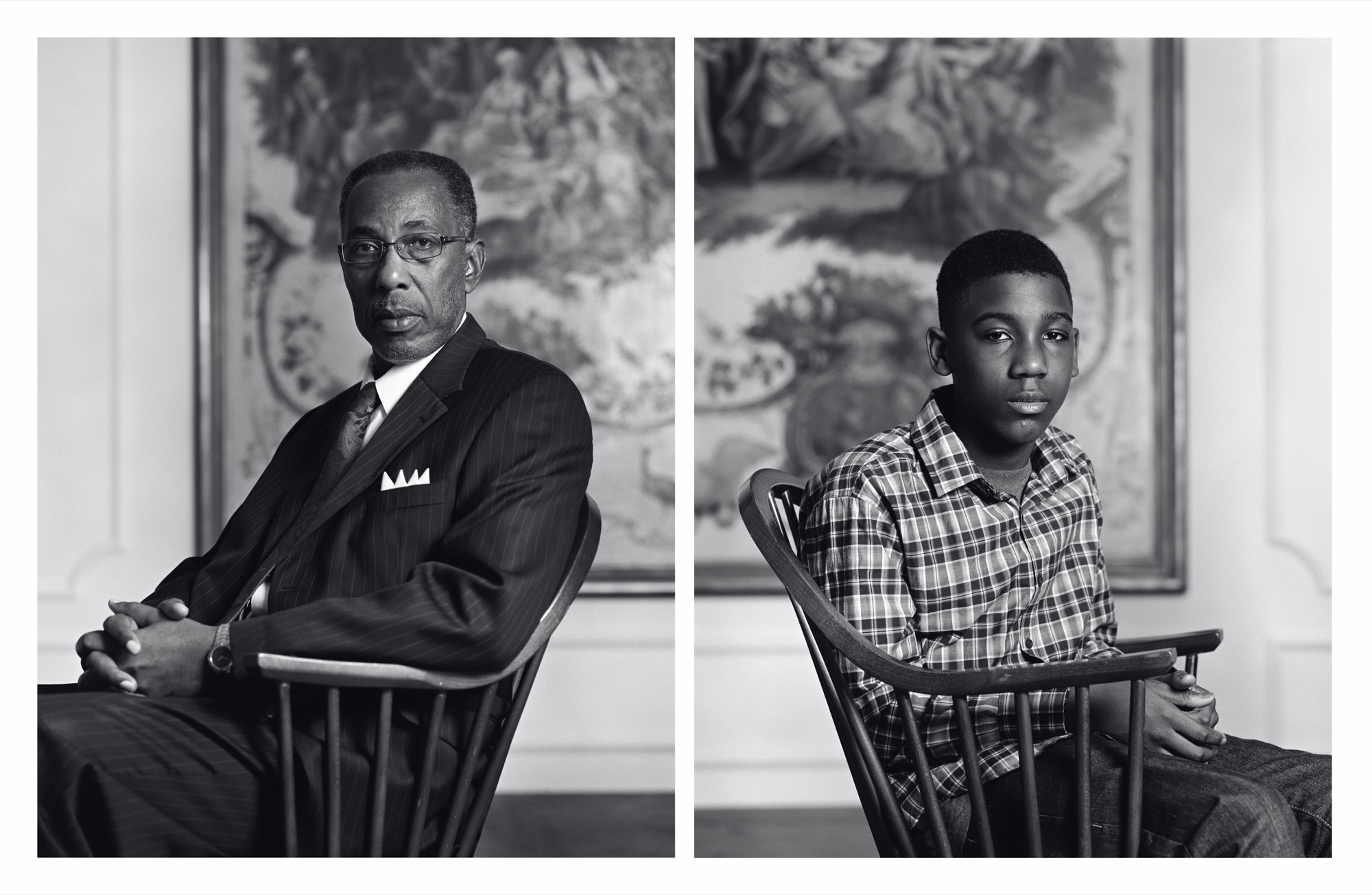
Dawoud Bey, Don Sledge and Moses Austin, Birmingham, AL, 2012, impression au jet d’encre / inkjet print, 102 × 162 cm
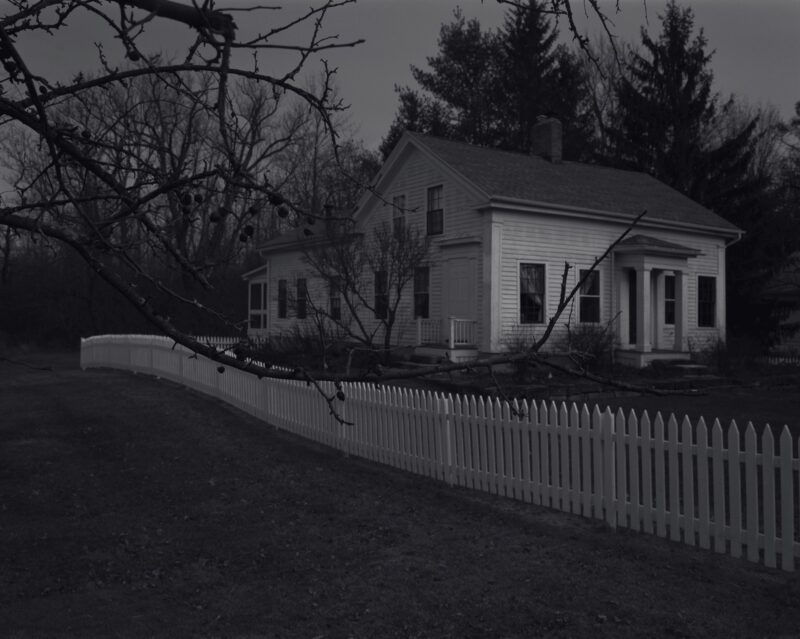
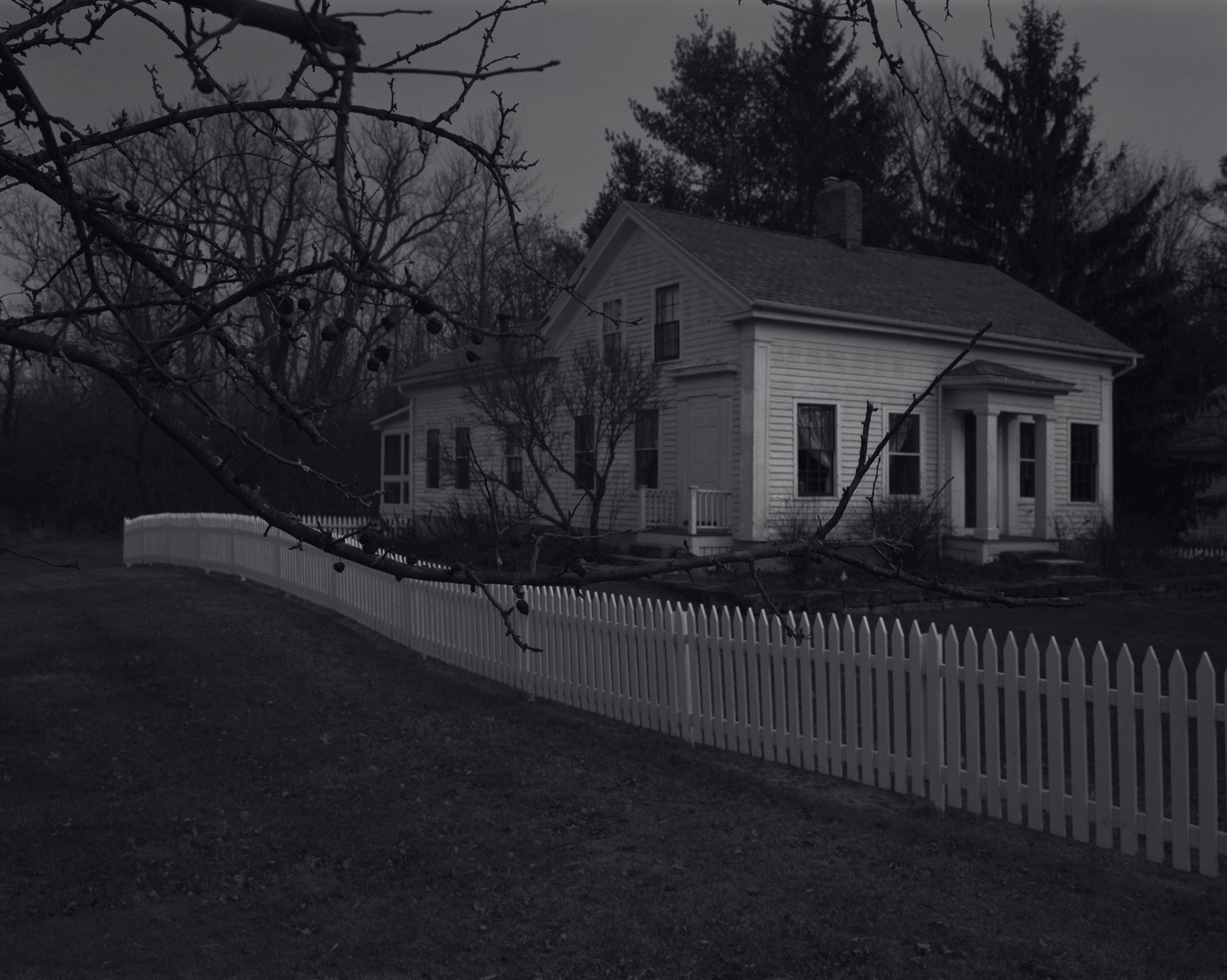
Dawoud Bey, Untitled #20 (Farmhouse and Picket Fence I), 2017, tirage argentique / gelatin silver print, 112 × 140 cm
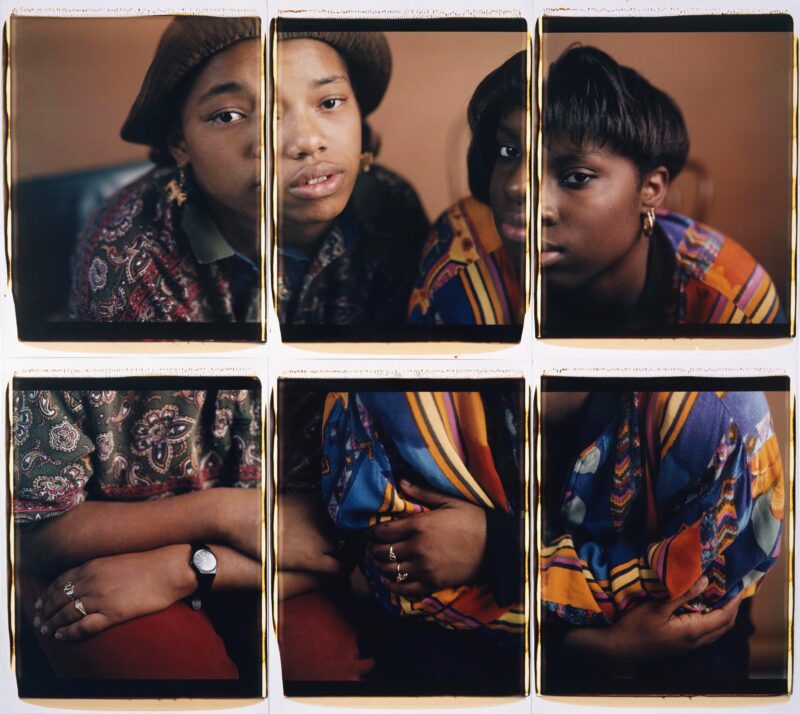
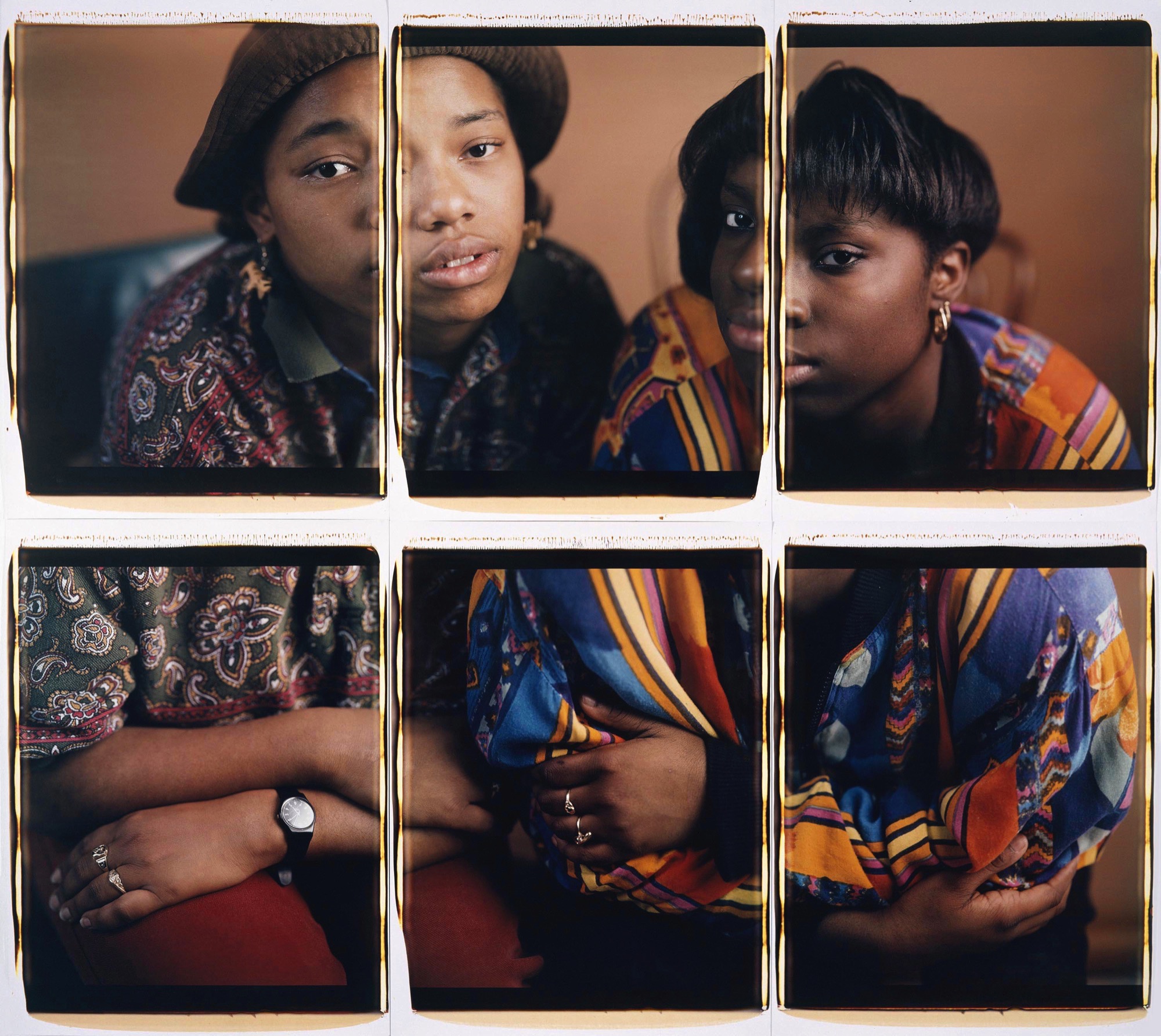
Dawoud Bey, Martina and Rhonda, 1993, impression par diffusion de six colorants par transfert / six dye diffusion transfer prints (Polaroid), 122 × 152 cm
[Winter 2022]
Dawoud Bey, An American Project
By Ariane Noël de Tilly
Whitney Museum of American Art, New York
17.04.2021 — 3.10.2021
Since the very inception of his photographic career, Dawoud Bey has pointed his lens toward people and, especially, marginalized communities. The retrospective of his work presented at the Whitney Museum of American Art highlighted the ethical dimension of his creative process, his close collaboration with the people he photographs, and the social and political function that he confers upon photography.
Visitors’ immersion in Bey’s world started with a selection from his series Harlem, U.S.A., an evocative and inspiring chronicle of the Manhattan neighbourhood between 1975 and 1979. In this series, Bey’s goal, which was to grant greater visibility to the subjects photographed and to present them without prejudice or artifice – as proud, hardworking, happy people – is reminiscent of that of James Van Der Zee, who made numerous portraits of African Americans living in Harlem in the 1920s and 1930s. Harlem, U.S.A. brings together spontaneous images, caught on the fly, some of which give an early glimpse of the spirit of collaboration with his subjects that Bey would develop further in the following decade.
The street photographs featuring children illustrate the empathy between photographer and models. The resulting images clearly show the children’s bubbling energy, but also remind us how much they liked, from time to time, to imitate adults. The subject of the photograph titled A Boy in Front of the Loew’s 125th Street Movie Theater, Harlem, NY (1976), dressed in a well-fitting track suit, impeccably white sneakers, and aviator sunglasses, looks perfectly at home in his surroundings. His pose is relaxed; his attitude, self-assured. We could almost believe that he’s the owner of this movie theatre, but two details betray his imitation of an adult: the carton of grape juice that he’s holding in both hands, and the fact that he has to stand on tiptoes to lean on the barrier in front of the box office. The subjects of Two Girls at Lady D’s, Harlem, N.Y. (c. 1976) stand with their hips slung like fashion models and their faces aglow with pleasure.
After working for fifteen years with a 35 mm camera and a 4 × 5 camera on a tripod for portraits, in 1991 Bey began a series with a 20 × 24 Polaroid camera weighing more than 120 kilograms and more than 1.8 metres high, requiring two people to operate it. It was in a studio belonging to Polaroid that Bey began a series of portraits of his friends and classmates at Yale, inspired by Rembrandt. The selection of photographs from this body of work gives a good demonstration of how his approach evolved: at first he created single portraits, such as Whitfield, New York, NY (1991), but he then realized that the images were more interesting when they formed a dyad – for example, the diptych Lorna, New York, NY (1992), which is composed of two portraits of the artist Lorna Simpson. For each picture, she took a slightly different pose and expression. The left-hand portrait shows her in a more meditative mood; in the right-hand one she is more present, looking directly at the spectator.
Quickly, this series developed in a different direction: rather than multiplying portraits of a single person, Bey produced fragmented portraits of dyads or groups. This is the case for Martina and Rhonda, Chicago, IL (1993), a double portrait composed of six photographs presented in a grid configuration, three across and two down. We immediately understand that it’s a portrait, but when we try to follow the continuity from one part of the body or the pose into the next frame, we realize that the images are not perfectly aligned. Visually, the effect is interesting, as the double portrait is created with six details, inviting us to understand that the whole is ultimately an assemblage of fragments.
The retrospective at the Whitney ended with a selection from the series Night Coming Tenderly, Black (2017). The title of this series was taken from a couplet in a poem by Langston Hughes, “Dream Variations.” Whereas the other series presented human figures and contemporary subjects, Night Coming Tenderly, Black stood out for its unpopulated landscapes. The Underground Railroad was the inspiration for this project. Specifically, Bey photographed the last eighty kilometres that enslaved Black Americans had to travel to reach Lake Erie and thus Canada, land of freedom. The landscapes shown are necessarily nocturnal, as night was when they could move without being seen. Through his treatment of variations on the colour black, which offered the cloak of darkness, Bey pays tribute to the work of Roy DeCarava, a photographer who influenced him throughout his career.
Night Coming Tenderly, Black is core to Bey’s “American Project,” which is to bring Black people and their history into the light of day. It is a project of collaboration, dialogue, visibility, inclusion, and freedom. In addition to being truly important and necessary, it is in itself an undertaking that encourages us to rethink the United States in the current context of omnipresent violence, racism, social inequalities, and suppression of the right to vote for people of colour. As the Whitney retrospective showed, whether they are human or historical, all of the subjects that Bey studies with his camera are presented with utter dignity and respect. Translated by Käthe Roth.
Ariane Noël de Tilly is a professor in the Department of Art History at the Savannah College of Art and Design. She holds a PhD in art history from the University of Amsterdam and has completed postdoctoral studies at the University of British Columbia. In her research, she examines the exhibition and preservation of contemporary art, the history of exhibitions, and engaged art.