
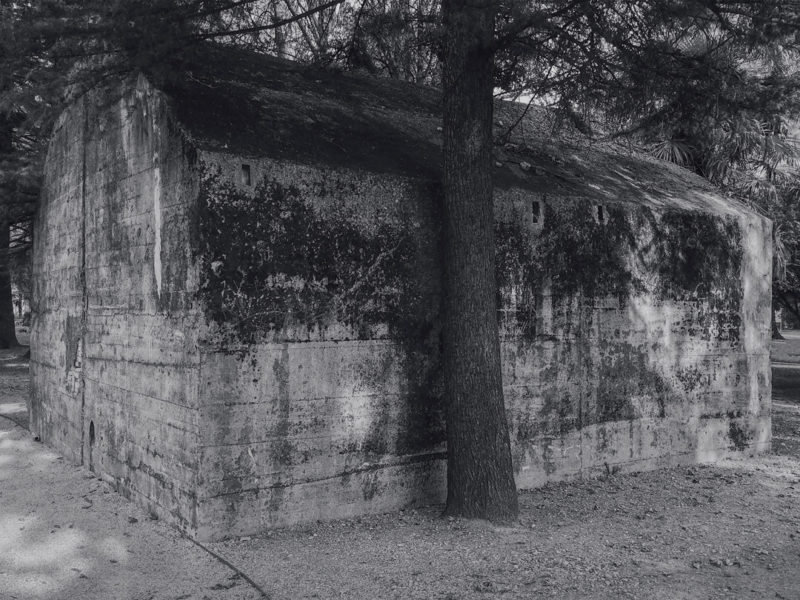
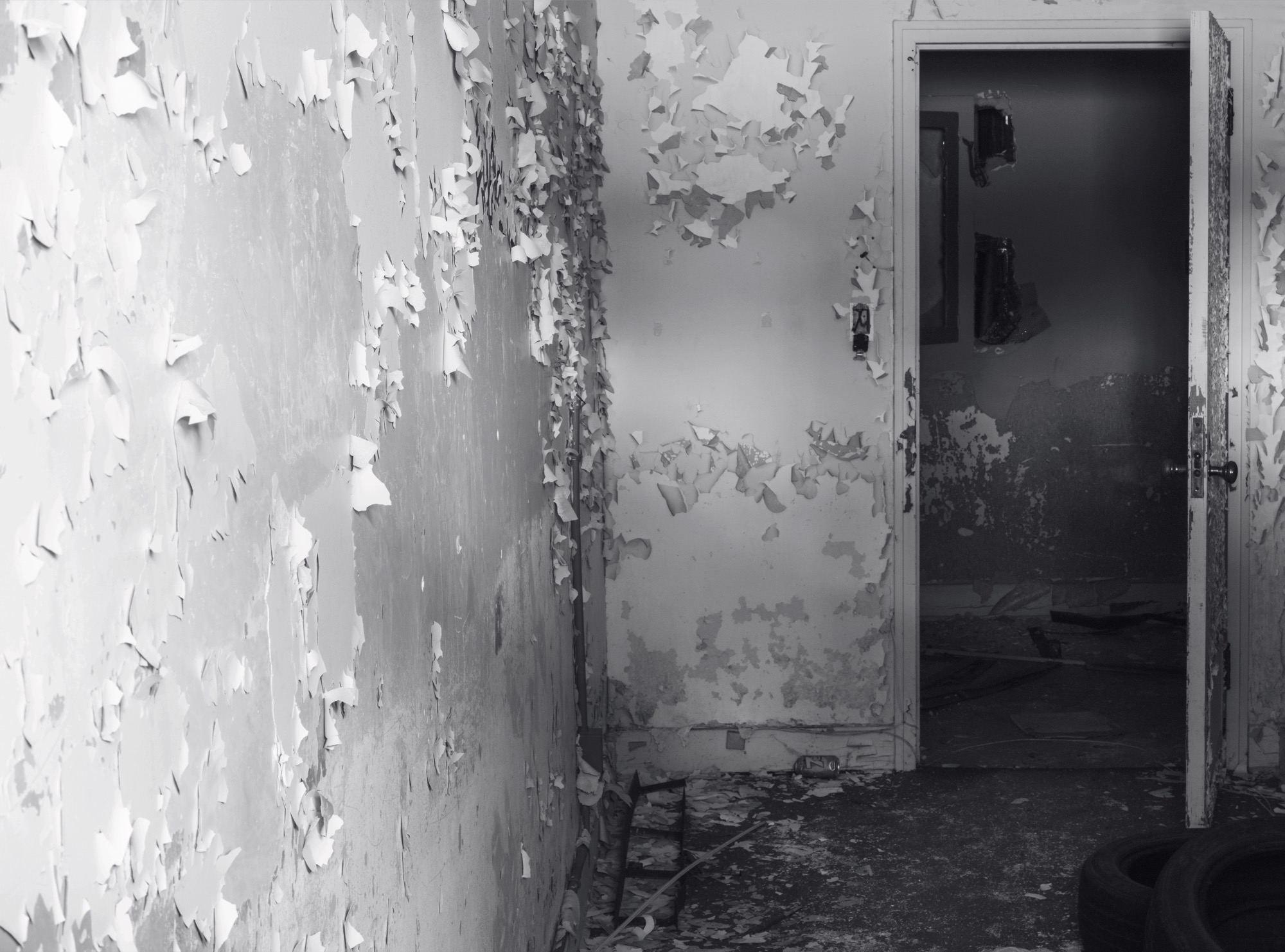
Sylvie Readman, Efflorescences, 2021, impression au jet d’encre sur papier archive / inkjet print on archival paper, 90 × 109 cm
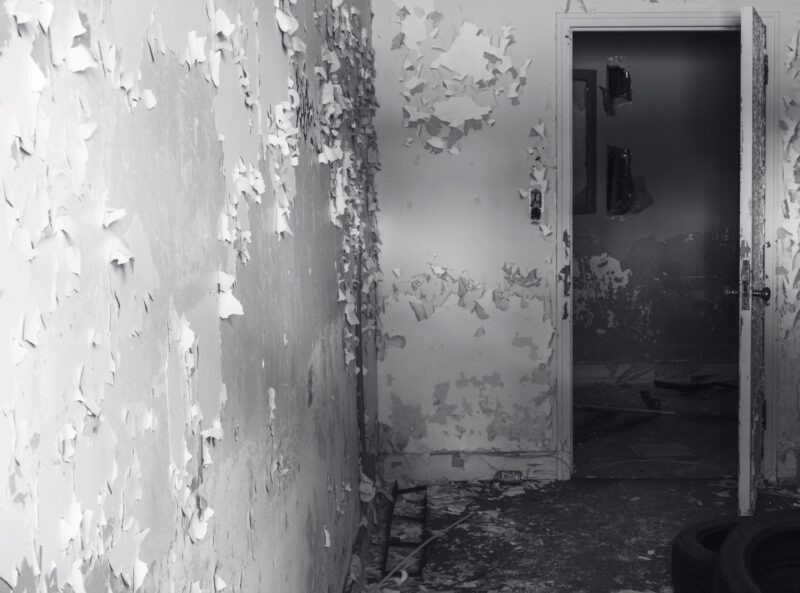
Sylvie Readman, Efflorescences, 2021, impression au jet d’encre sur papier archive / inkjet print on archival paper, 90 × 109 cm ; Mue, 2021, impression au jet d’encre sur Mylar / inkjet print on Mylar, 152 × 194 cm
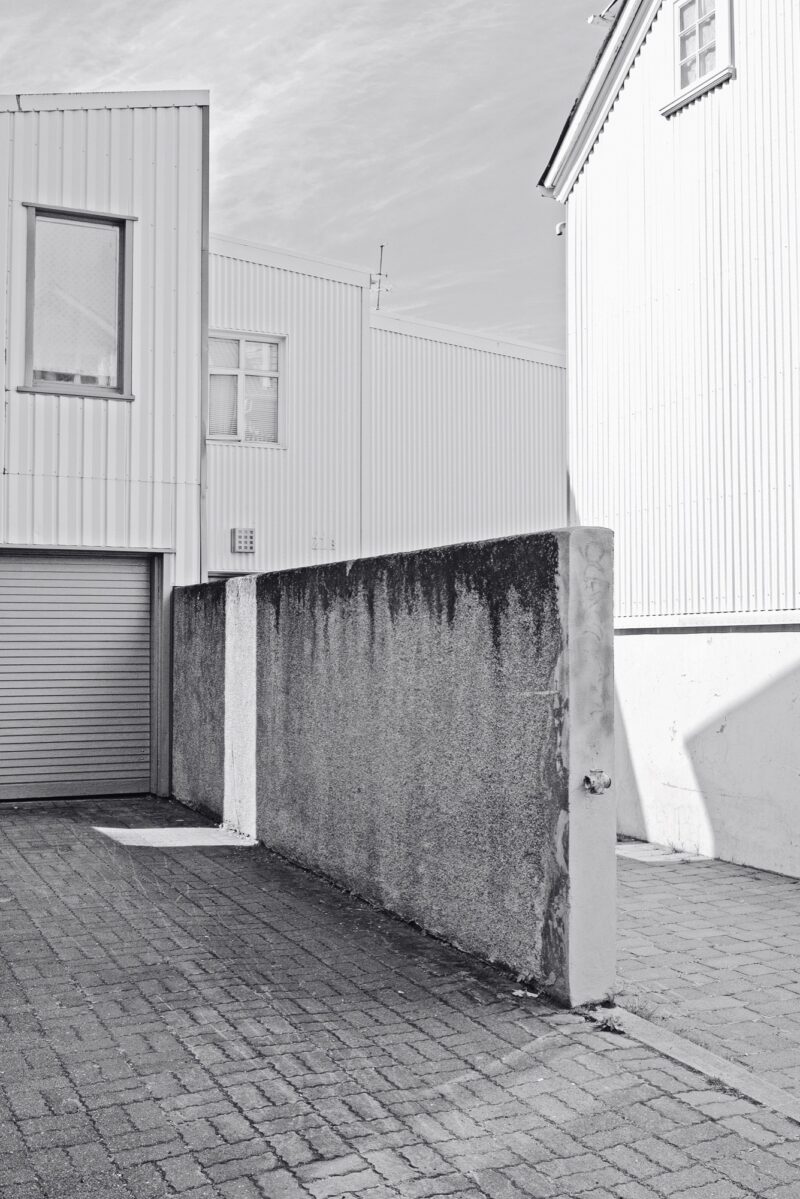
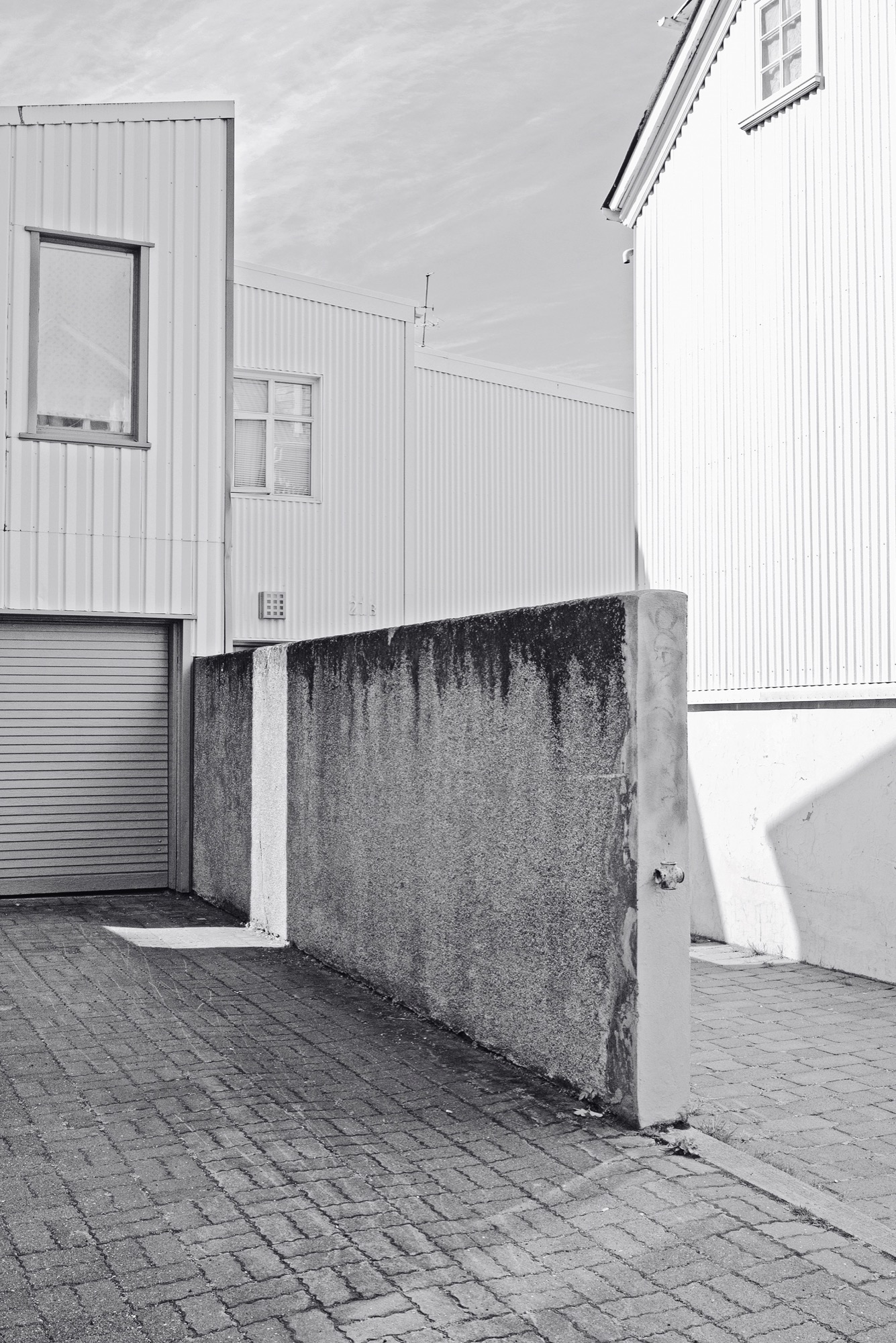
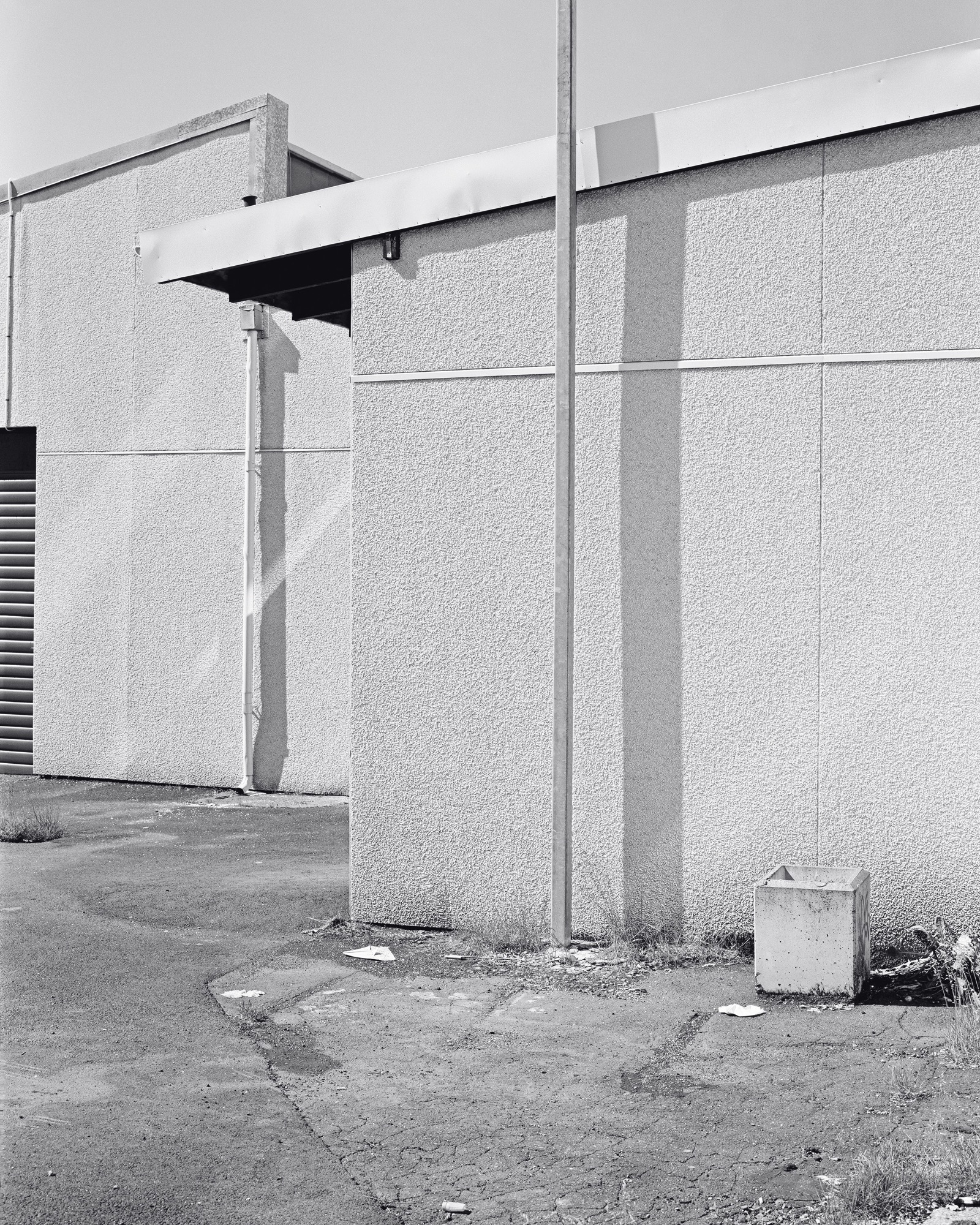
Denis Rioux, Sans titre (muret), 2021, impression jet d’encre sur papier archive mat / inkjet print on matte archival paper, 41 × 61 cm ; Sans titre (cour intérieure II), 2021, 86 × 107 cm
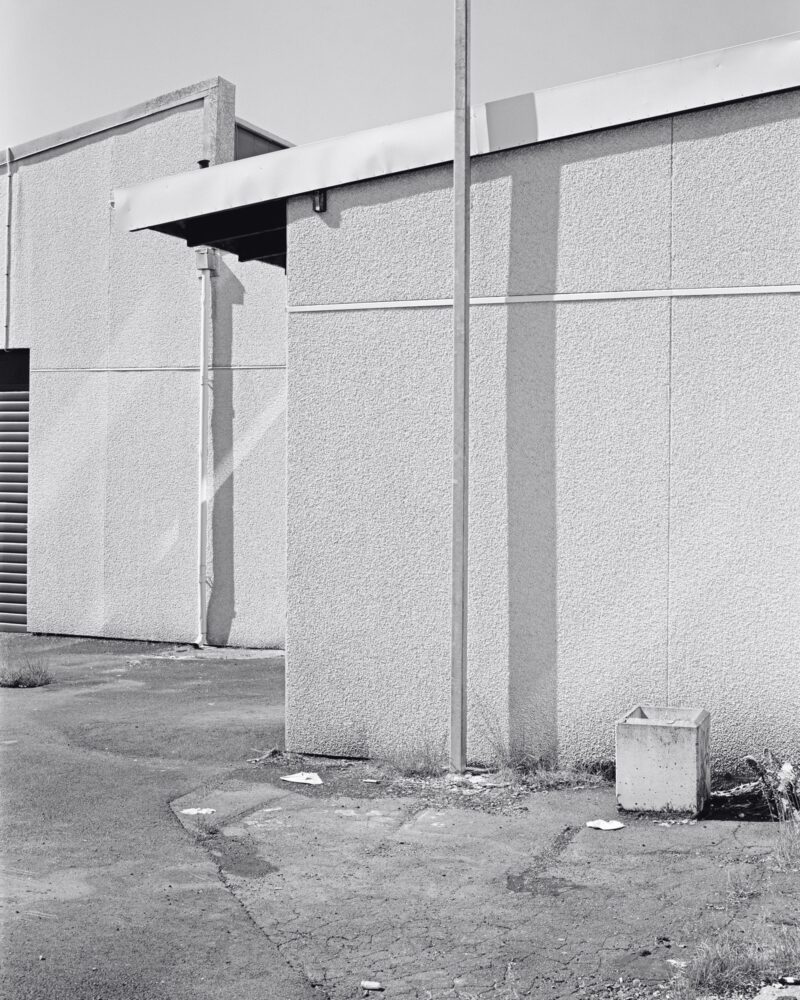
Denis Rioux
Denis Rioux

[Winter 2022]
Sylvie Readman, Denis Rioux, Porosités
By Mona Hakim
Galerie Laroche/Joncas, Montréal
8.09.2021 — 9.10.2021
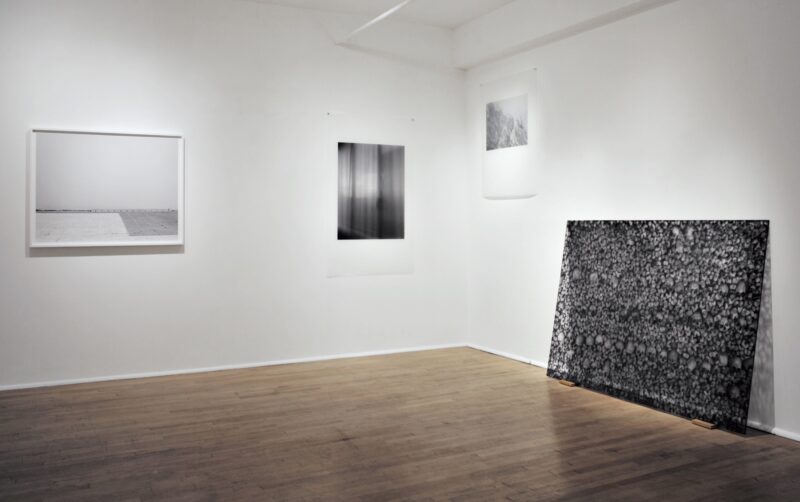
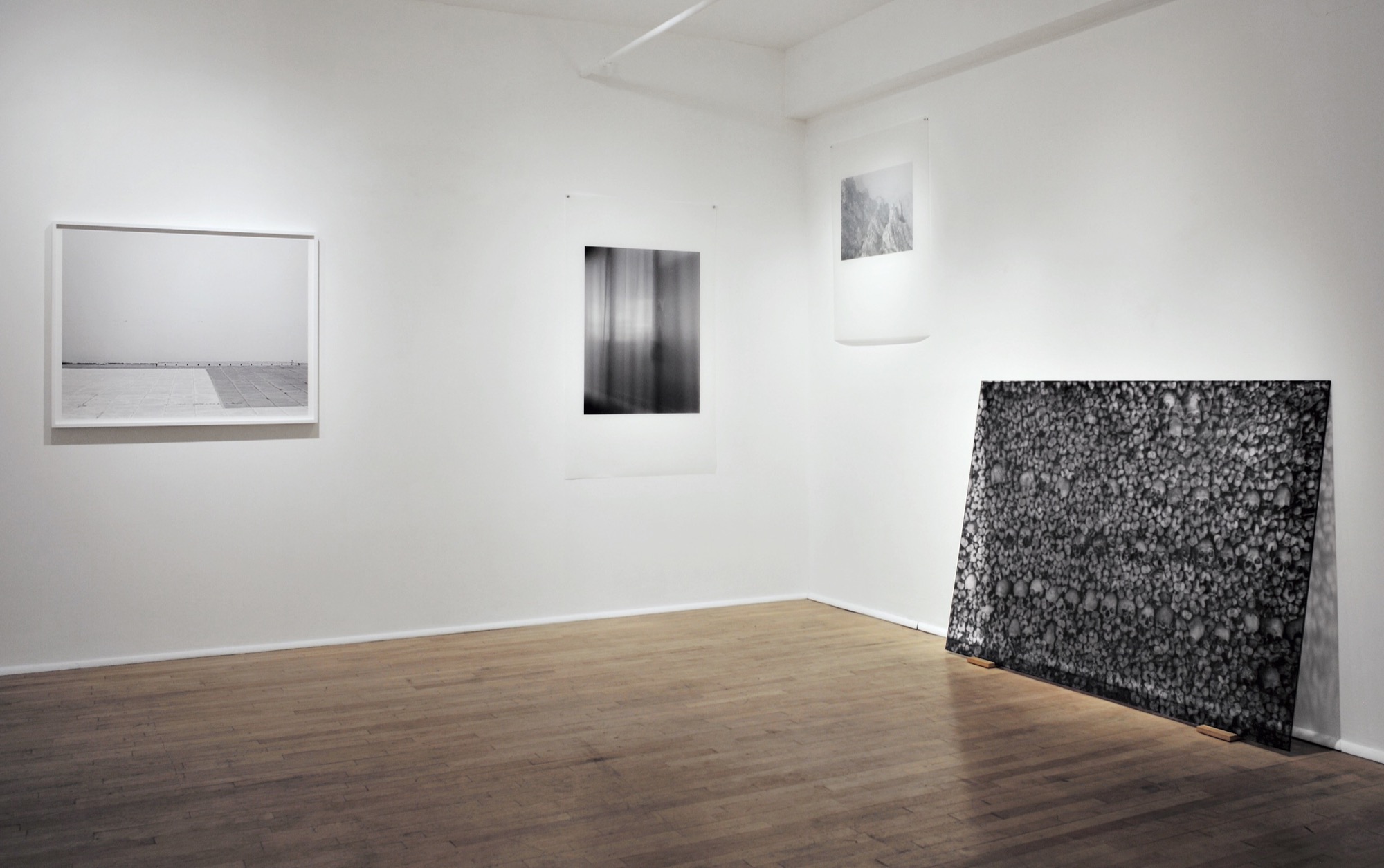
Presented in a single exhibition space and arranged facing each other, the photographs of Sylvie Readman and Denis Rioux highlight their common concern with the issues and properties of the photographic language within which the primary conditions of the visual and conceptual experience operate. This pairing of two established artists proves effective to the extent that their points of convergence and divergence correspond from one sensitive surface to the other, from one wall to the other, at Galerie Laroche/Joncas.
Readman offers a body of black-and-white works that are solidly aligned with the consistently intense, rigorous technical work for which she has been known since the 1980s. Her manipulations of light, matter, and space – by technical strategies that include overexposure, foreshortening, or blurring, panning, or granular effects – have given rise to a production that reveals her fine skill at exploring the far reaches of picture taking and perception. She probes these spaces through various temporal frames, whether mnemonic trace, imaginary time of the image, evanescence of materials, the boundaries of our relationship with nature, or the precariousness of the human condition.
All of this has its place in this exhibition. The suburban sites of previous production have given way to more or less compartmentalized (though architectural) spaces, establishing a more mysterious atmosphere that edges on gloomy. Thus, the images of standing rocks resembling steles and of a display of skulls draw on the metaphor of the vanitas and set the tone for a photographic corpus that speaks of loss. In succession are frontal shots of a wall of decaying stones, a room with flaking paint on the walls, and a bulging building reminiscent of a blockhouse. With a heightened density of greys and textures, Readman gives substance to time, which in turn alters the bodies of the subjects she captures. But Readman also turns her photographic mechanism toward us, reminding us of our own finiteness and our perceptual limitations. Semi-cloistered places, tight shots that obstruct the eye’s depth of field, and a variety of frameless material supports (Plexiglas, Mylar, cotton paper) deliberately challenge and solicit proximity. All, in their way, force the gaze to cross zones of shadow, to breach the aspect of invisibility that these images, like all images, harbour.
On the opposite wall, Rioux’s photographs offer a striking contrast, at least seemingly, with those facing them (with a few exceptions). Storage structure, backyard, walls, a heap of logs, and a telephone pole standing in the middle of a field of high grass are thrown into relief under raw lighting and shadows frozen in geometric shapes. The subjects captured are no more nor less abstracted from their physical context, revealed in their initial condition of appearance. They seem to refer to nothing other than themselves, captured solely because they are there.
Rioux treats these strange, ethereal landscapes with spare formality: above all, lines, angles, and forms are a matter of graphic signs and of spatial and temporal cut-outs, here helping to create ruptures, to distance us from referents. Our eye will then try to come to rest on contiguous spaces of light or to probe invisible angles. In Sans titre (muret) and Sans titre (cour intérieure II), for instance, the eye tries to slide between the folds of wall surfaces or into corners that seem, however, to lead to a dead end. Rioux’s unique strategies are dextrously executed, as if to give a quality of presence to that which is absent.
Porosités, the title of the exhibition, may refer literally to the friable surfaces of walls, stones, and other materials portrayed, or evoke the permeability of the simulated voids in the images, or remind us, by extension, of the basic role of light-sensitive surfaces. But the term could also evoke the fusion of photographic conditions of appearance and disappearance, the dualities of materiality/immateriality, presence/ absence, shadow/light, and flatness/ tactility. These oppositions that have been appropriated distinctly, and arbitrarily, by Readman and Rioux, in a concern with correspondence and dialogue in order to tie together the complexities of a photographic language that they share. It is in this perspective of dialogue that the exhibition must be primarily understood, as the artists skilfully encourage viewers to introduce themselves, in their turn, to the illusionistic plot that plays out between the walls. Translated by Käthe Roth.
Mona Hakim is a historian, art critic, and curator. Her research delves into various issues related to current photographic practices. Her recent writings have appeared in the monographs Chuck Samuels: Devenir la photographie (2021), Bertrand Carrière: Solstice (2020), and Isabelle Hayeur (2020). As a curator, she has organized more than twenty exhibitions.