
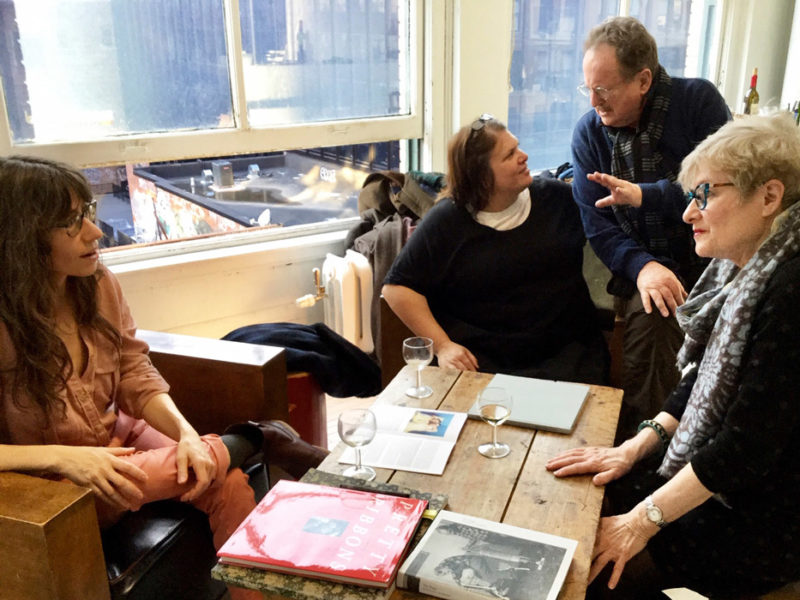
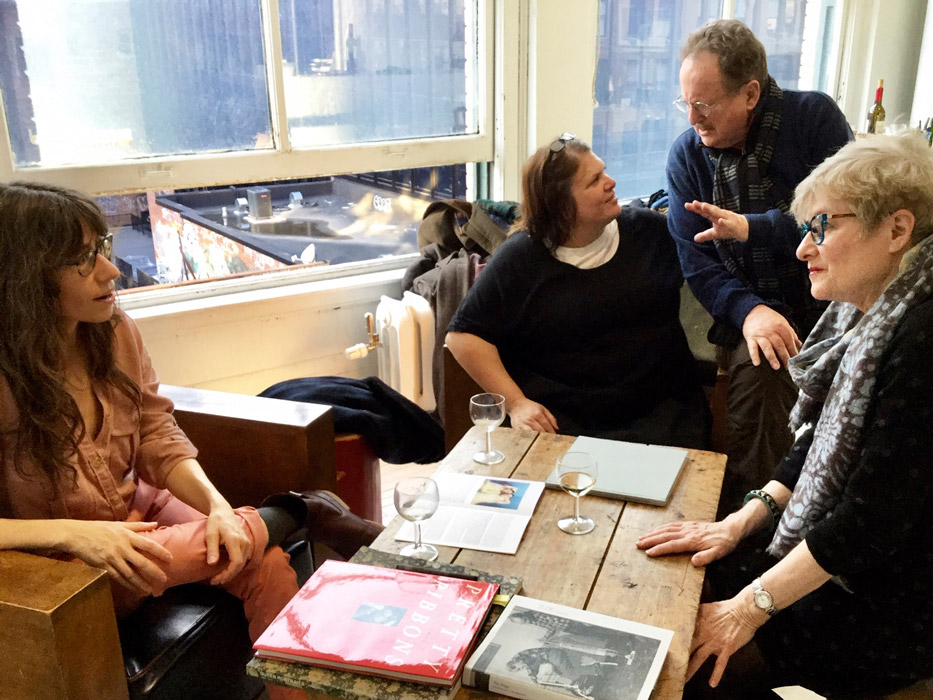
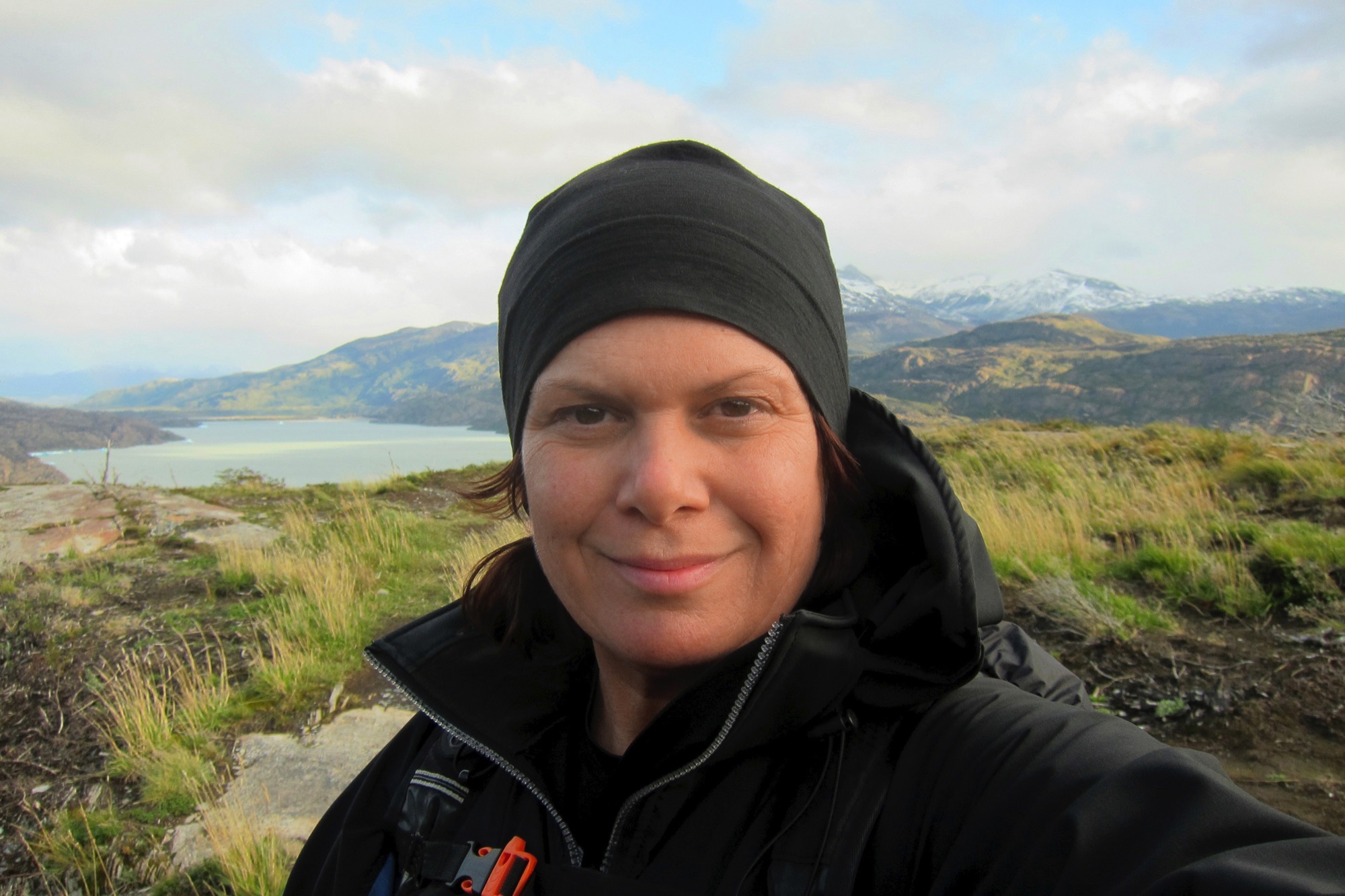
Galerie La Castiglione. De gauche à droite / from left to right: Andrea Szilasi, MarieJosée Rousseau, George Steeves et / and Ingrid Jenkner
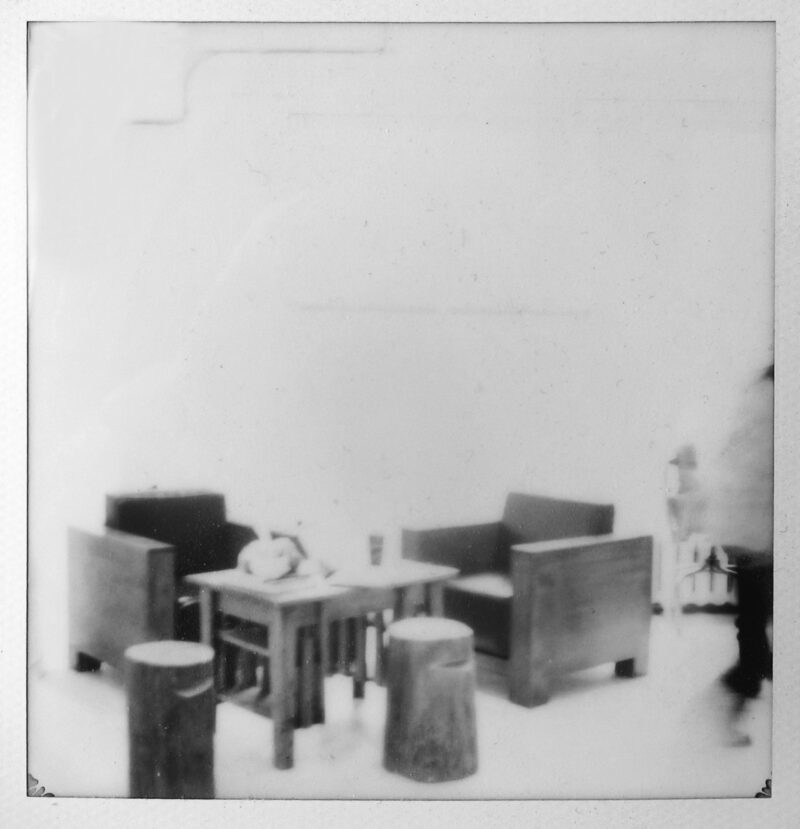
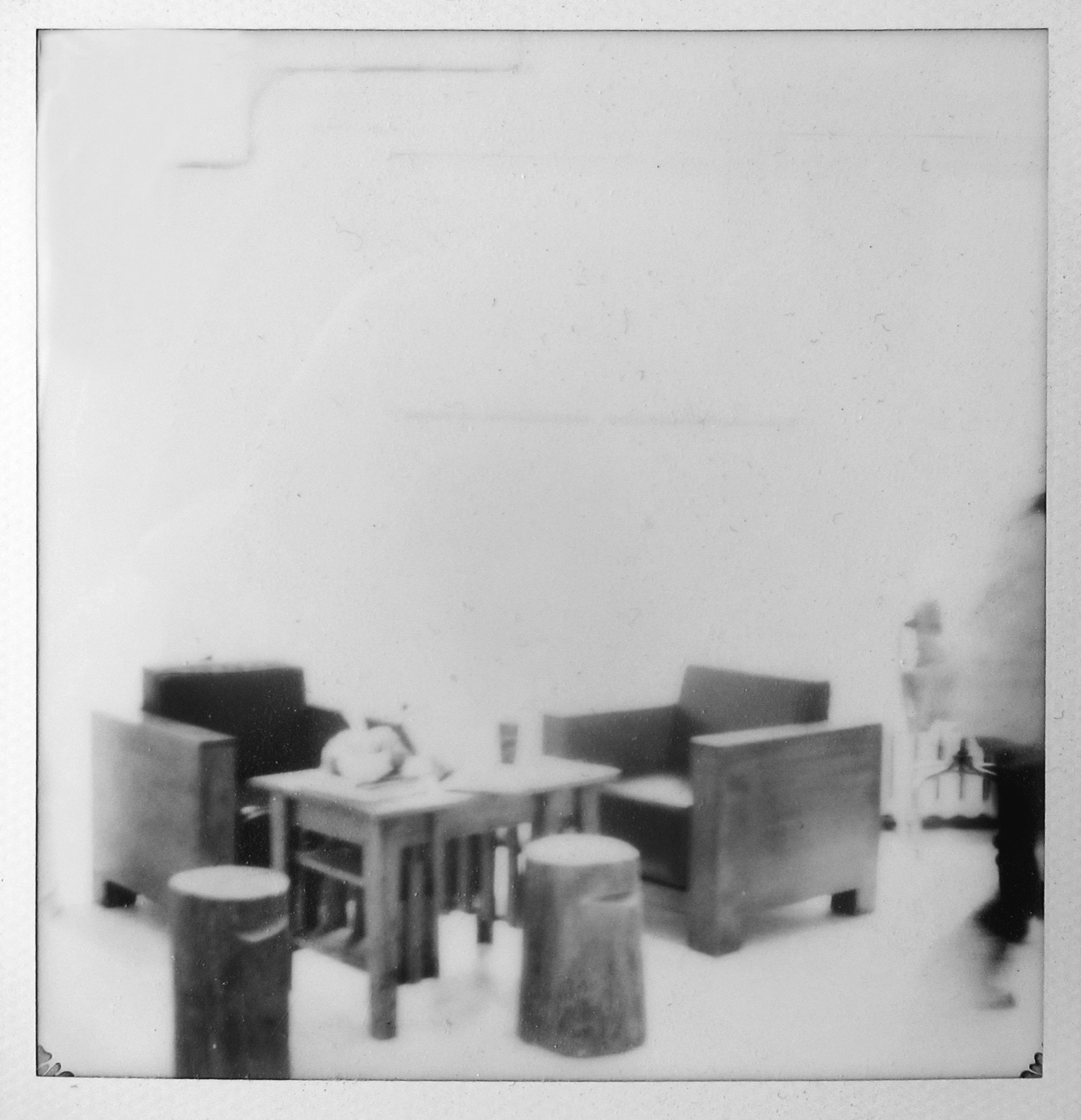
La galerie / Gallery La Castiglione, polaroid : Yan Giguère, 2019
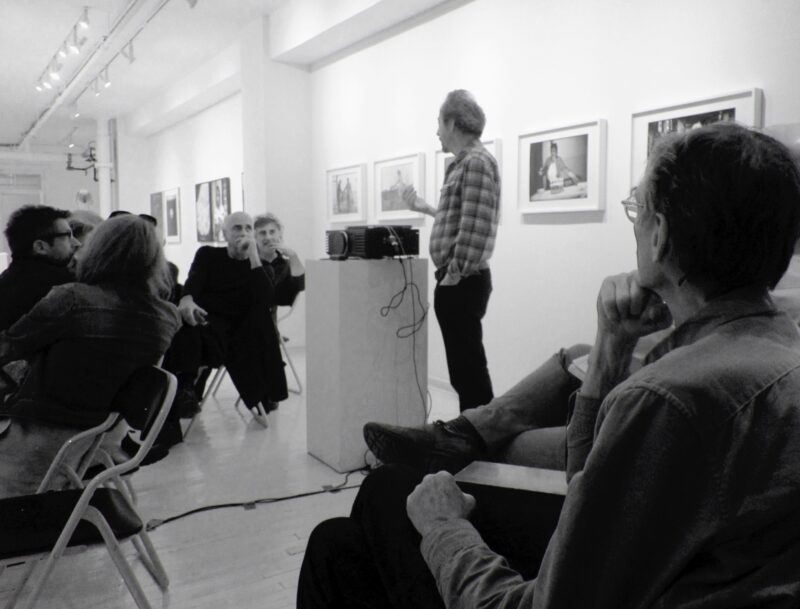
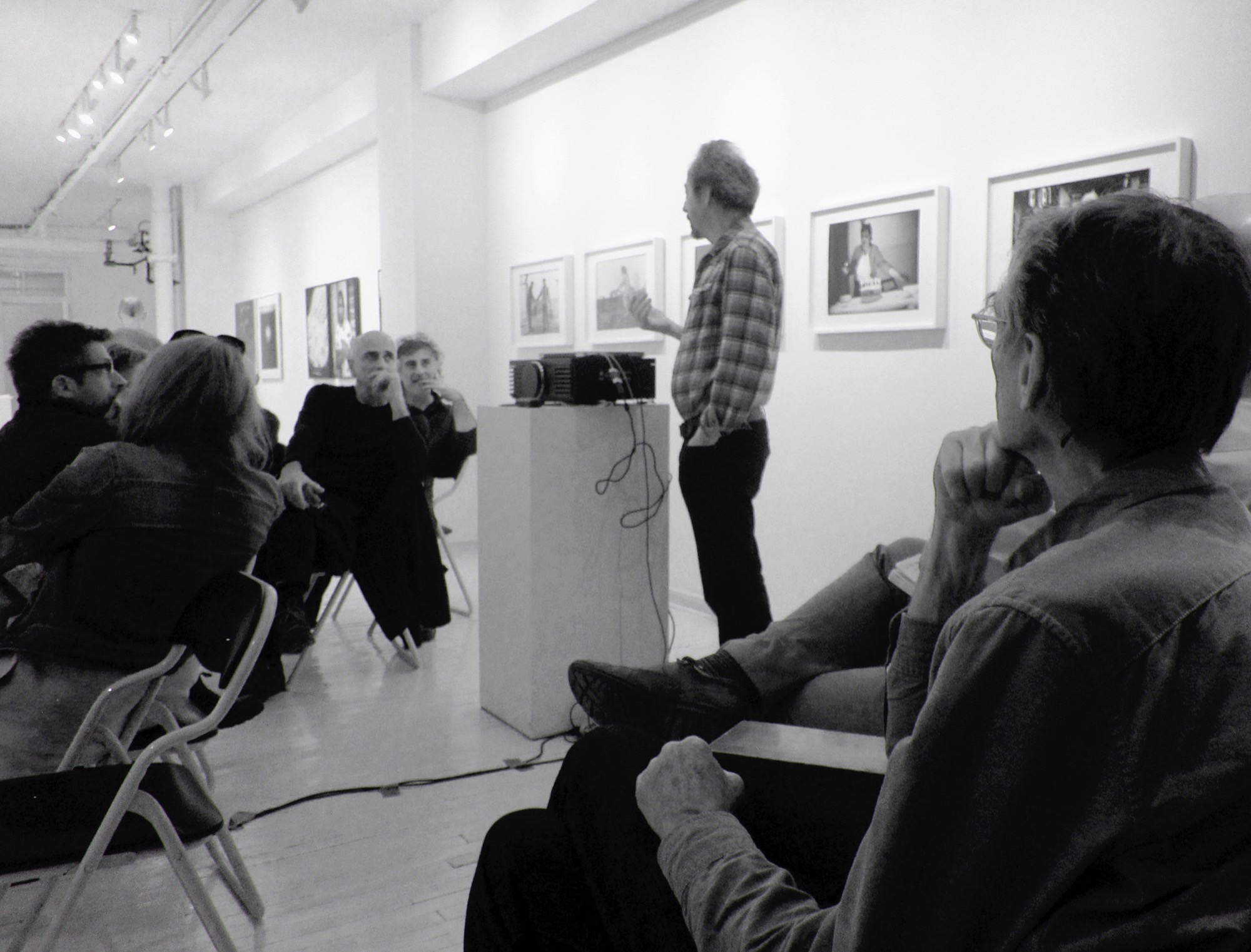
Projection du film / film projection John Max, un portrait de / from Michel Lamothe, octobre 2017
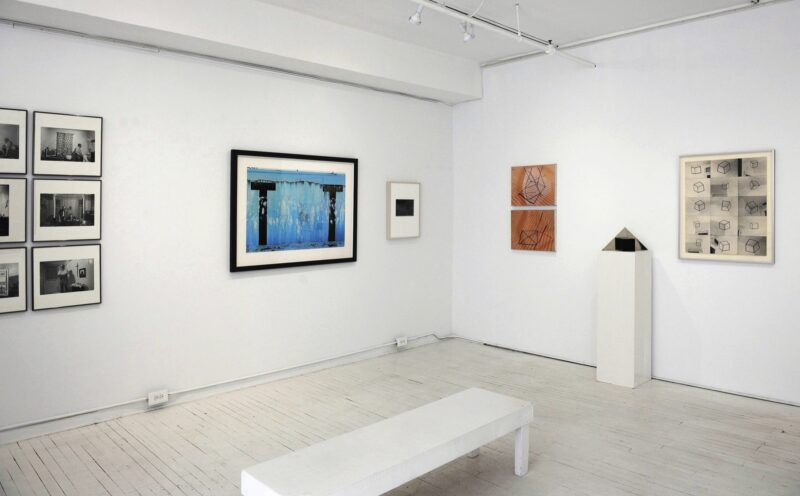
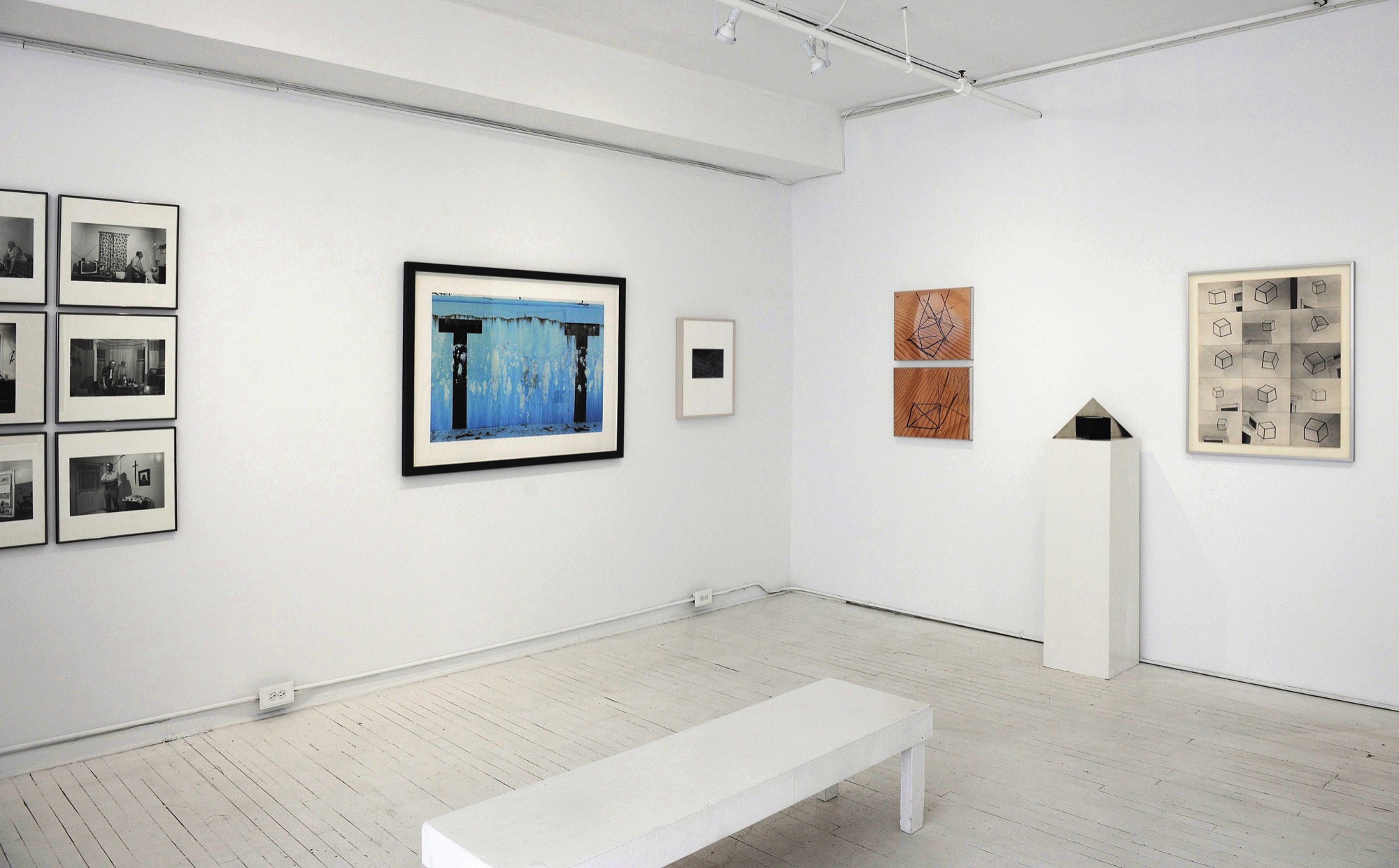
Exposition de groupe / group exhibition, Papier 2020, galerie / gallery La Castiglione, 2020
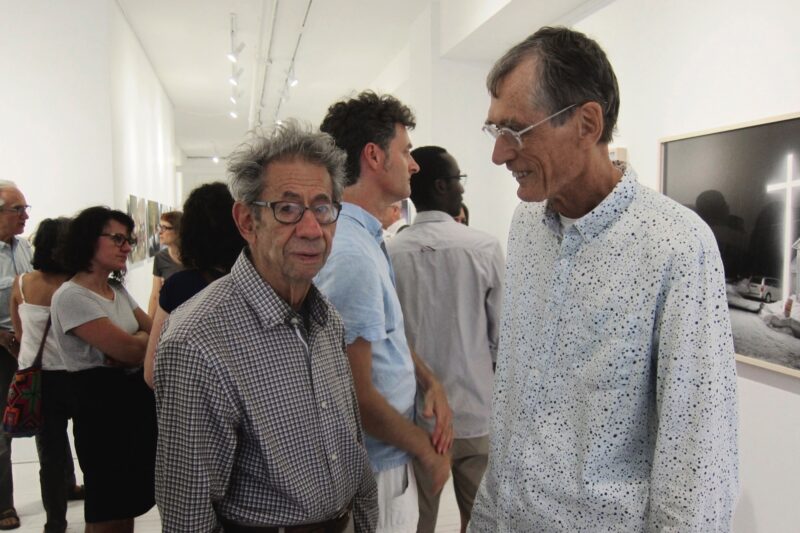
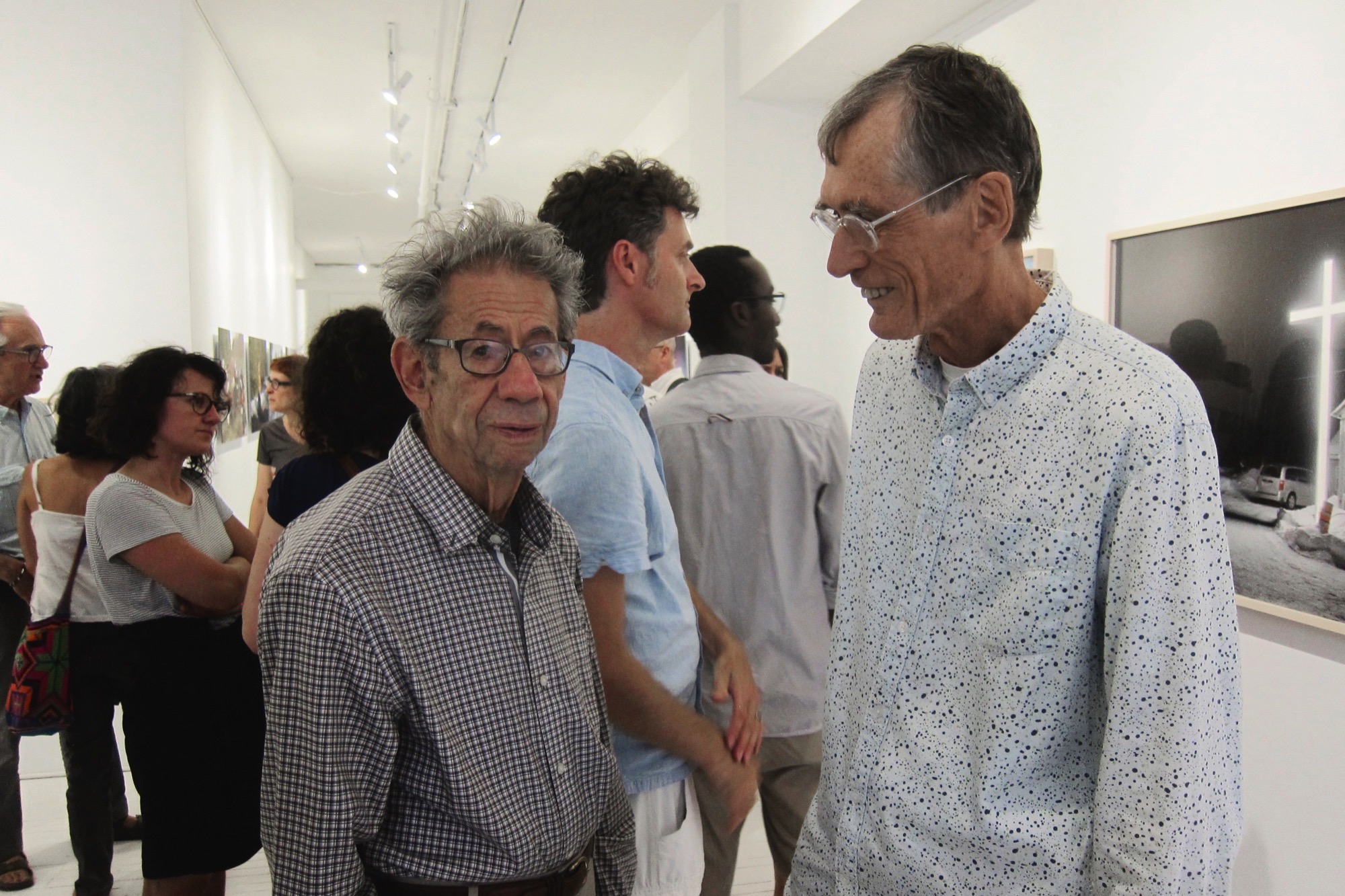
Vernissage de l’exposition / opening of exhibition Territoires I, avec à l’avant plan / with in the foreground Gabor Szilasi et Normand Rajotte, septembre 2018

[Fall 2021]
Marie-Josée Rousseau, At the Crossroads of Photographic Practices
An interview by Jérôme Delgado
After a wide variety of experiences; studying sociology, psychology, management, and art history; jobs in finance and communications; and a trip around the world – thirty countries in three years – MarieJosée Rousseau opened La Castiglione, the only Quebec gallery specializing in photography, in 2014. Through an eclectic program of exhibitions, she worked with both established artists (Normand Rajotte, Serge Tousignant, and others) and young and emerging ones (Janie JulienFort, Laurence HervieuxGosselin, and others). In 2020, she left the space she was renting in downtown Montreal to make La Castiglione an itinerant gallery. Since then, she has been wondering how things will go.
Jérôme Delgado: Given your personal career, where did you pick up such a strong interest in photography?
Marie-Josée Rousseau: For me, digital photography was a revelation: the autonomy it offers, its speed of execution, and its ubiquity enabled me to conduct an unparalleled exploration of my environment. The medium opened up new possibilities for exploring the people around me and people in foreign countries. My camera quickly became an extension of myself. It was my passport for travelling to distant lands, infusing me with the courage I needed to venture to unknown and inspiring places.
I think that photography helped me to get to know myself better, and to better understand the world around me. It allowed me to explore isolated, inaccessible spots, from which my thoughts drew meaning. I returned from these expeditions inspired, bringing back tens of thousands of pictures, as well as an intense desire to take a deeper look at these fascinating non-places.
When I got back to Montreal, I had to understand my process: to connect the pictures I had taken and those to come with current concepts related to photography; to comprehend more deeply the elements of which a given territory is made; to clarify my ideas and go beyond feelings. Through this process, I met other photographers, and we talked about our respective work. These exchanges gave me a better grasp of what the work of the photographer really is. It means creating a signature, seeking meaning in the proliferation of images (which can drive you crazy!), finding one’s own expression in these constant comings and goings between raw material and the world of ideas, expression that it’s difficult to extricate oneself from, as one returns to it unremittingly. Arriving at an outcome in order to create a meaningful original artwork and hoping that it will have meaning for others.
During this period, I enjoyed looking at the work of other artists, getting an overview of what was being done here and elsewhere. Although art galleries devoted to photography had sprung up all over the world, it occurred to me that there wasn’t one in Montreal. So that’s how the seed of exhibiting and promoting photography was gradually sown.
JD: You seem to have developed a close relationship with the artists you represent, but also with a broader photographic community – one that’s multigenerational and has diverse aesthetic sensibilities. How do you perceive the photographic community in Montreal and Quebec?
MJR: La Castiglione became the gathering place for everyone involved, in one way or another, with photography and, more specifically, photography done by Quebec artists. In order to exist, the gallery had to be collaborative. It became, in a way, an extension of the artist’s studio, a place to meet other professionals from the art field, the public, and collectors.
The gallery became a crossroads of practices, where emerging photographers could rub elbows with established artists, and where different currents, disciplines, and schools of thought were always welcome. I wanted the venue to offer a focus on what is being done in photography in Quebec; rich and diversified creation. Within its walls, there were fabulous conversations, wonderful encounters!
JD: Can you give examples of the spirit of collaboration that reigned at La Castiglione?
MJR: I’ve collaborated with more than sixty artists, the vast majority of them from Quebec. Many of our conversations were about outstanding Quebec photography. The photographs of John Max (1936–2011) often came up in our discussions. His work had been stored at the Montreal Museum of Fine Arts for more than a decade thanks to the kindness of a small group of Montreal photographers and Max’s friends who ensured that his original and unique body of work would be kept in a safe place. It was essential to present it at the gallery, and it took me more than a year to gain access to the photographs – dealing, among others, with his son, his only legal heir, who lives in Mexico. A relationship of trust had to be built to allow access to the stored works and to offer them for sale.
A few original prints from the series Open Passport, printed by Max in 1972, were found conserved in boxes. Reviving his work brought together a whole community of professionals: making our young artists aware of our history, piquing the curiosity of museum curators and conservators, contributing to art historians’ research, and raising the interest of collectors and institutions. Today, pieces from this emblematic body of work are found in major Quebec collections such as those of the Fondation Giverny pour l’art contemporain, Hydro-Québec, and the Caisse de dépôt et placement du Québec.
JD: Unlike most gallery owners, you didn’t name your gallery after yourself. Why?
MJR: I was captivated by the story of the Countess of Castiglione and her influence on photography. She was an avant-garde woman who had herself photographed hundreds of times over more than forty years; at the time, a single portrait of oneself was a rarity. I liked this female historical figure linked to photography, who could grow outside of me.
A part of me wanted the gallery to be a place with which everyone could identify, that anyone could appropriate – a concept that isn’t as easy when the name of the owner is front and centre.
JD: What led you to feel that opening a private, specialized gallery was the thing to do as a contribution to the field?
MJR: The history of photography is a very short interval in the history of art, and it has seen an extraordinary technological evolution. Today, photography is found everywhere! At times, I’d call it invasive, due to its virtual omnipresence. Each time, I find myself dazed by it, with a gap that’s even bigger.
So, I wanted to show a kind of photography that would enable visitors to connect with the object. This encounter between the viewer and the work is not explained, it is experienced. For me, photography must be embodied in an object that can be seen and touched. The gallery is that special place that offers the opportunity to come into direct contact with the work, giving free rein to the aesthetic encounter.
I wanted to show photography that’s alive, in its capacity for reproduction, while reassuring collectors by applying a strict ethic in terms of issues surrounding conservation and publishing. I think I’ve generated confidence in the relevance of collecting photography.
JD: Has specialization turned out to be a good thing or not? If not, how do you position yourself with regard to the secondary photography market – do you do this? Is it idealistic to devote oneself only to creation?
MJR: It’s easy to end up working on the same broad questions, the same materials. Because art is also subject to the fashions and politics of the moment, I wanted to differentiate myself from others in order to legitimize my position within a relatively constrained Montreal market. At the same time, I opted for a passion and an expertise that were limited, it is true, to photography, but about which I still had a lot to learn.
Navigating within so small a market has had its disadvantages. Photography has long sought to flourish through its best feature, its reproducibility. But I think at the level of establishing a secondary market, that was more detrimental than anything else, as it presented very few out-of-print editions. It is still possible to acquire originals by the great Quebec photographers in a primary market. Some of them, unfortunately, have gone unnoticed, leaving behind exceptional works. This is where the art gallery steps in, supporting the work of artists and placing them in historical context.
I wanted to promote contemporary practices. Through the photographic medium, I wanted to sniff out current issues, be they aesthetic, material, philosophical, political, sociological, or spiritual – to try to catch a glimpse of what might prove to be transcendent today and could possibly be inscribed in tomorrow’s history.
JD: After six years in business, you decided in 2020 to run an itinerant gallery. The context of the pandemic pushed you in that direction, but you also expressed financial reasons. What comes next?
MJR: I think that La Castiglione has carved out a strong position with collectors and institutions, winning their trust, but what needs to be made up to turn a profit is, unfortunately, still too big a gap. I have to rethink the business model for La Castiglione.
Becoming itinerant was a short-term solution, and now that the pandemic seems to be abating, I still don’t see how I’ll be able to reopen a gallery with a street address. It’s still too early to project the future. Inevitably, the fact of having closed a venue that brought together many players in photography distanced me a bit from the abundance that fed my energy and ideas. In recent months, we’ve all found ourselves pretty isolated at home, disoriented by the waves of COVID-19.
I’m giving myself the year to reflect on the new forms that La Castiglione might take – or not. Without rushing into anything, I’m using this moment of calm to think about how photography will develop within my professional career. Translated by Käthe Roth
1 Born Virginia Oldoïni in Florence in 1837, died in Paris in 1899.
Freelance journalist Jérôme Delgado is the publishing coordinator at Ciel variable.
[ Complete issue, in print and digital version, available here: Ciel variable 118 – Exhibiting Photography ]