
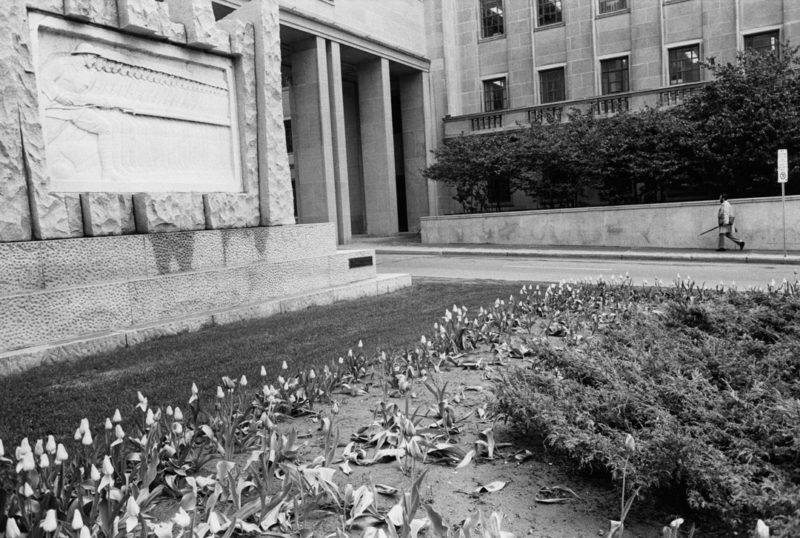
Tom Gibson, Ottawa, Ontario, 1976, épreuve à la gélatine argentique / gelatin silver print, 21 × 30 cm
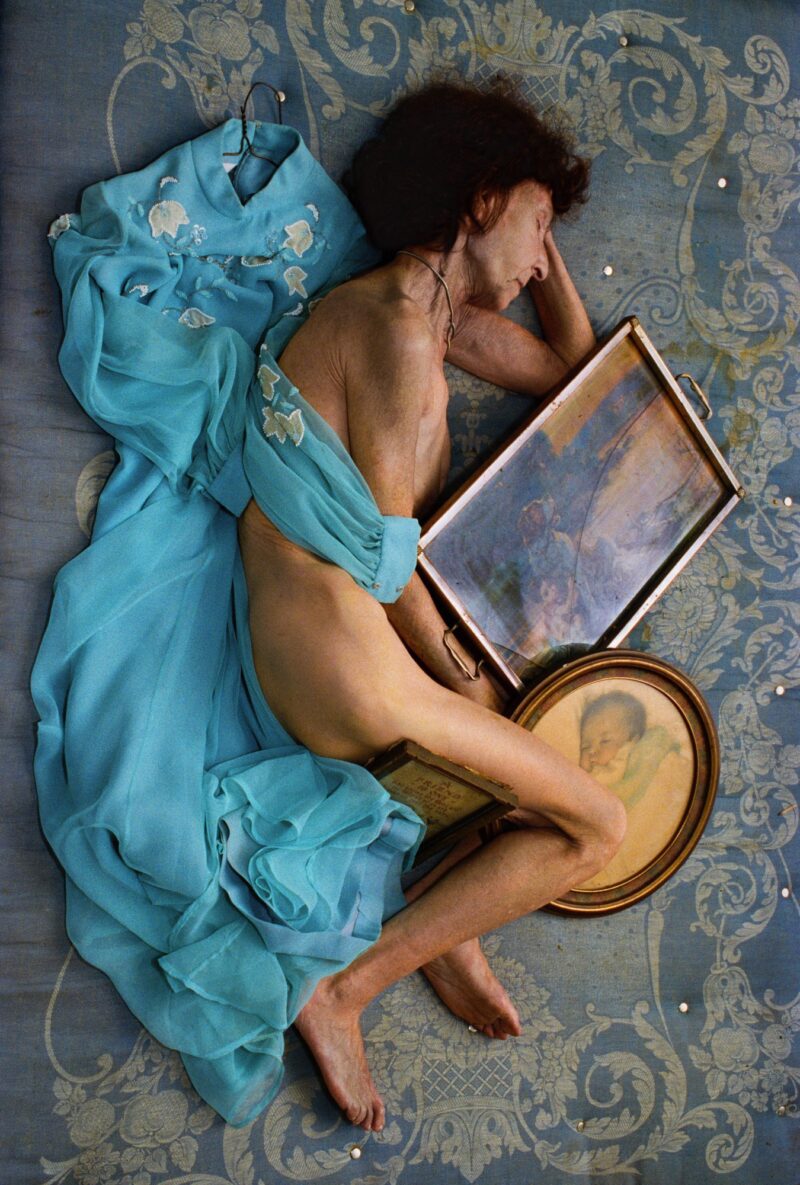
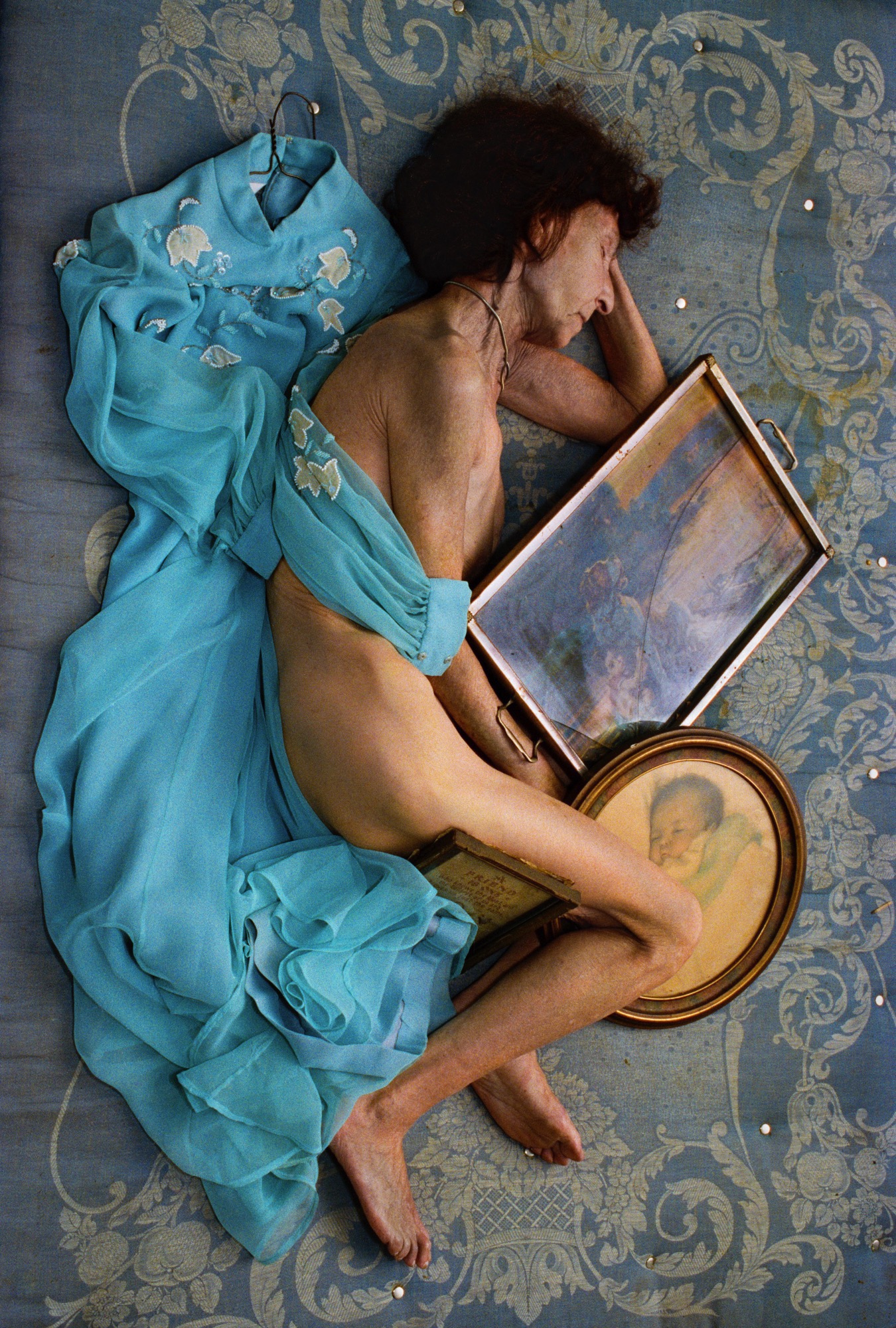
Credit line: Donigan Cumming. Untitled (April 27, 1991). From Pretty Ribbons, 1993. Courtesy of the artist. Details: Negative No. 1664-20 ALL RIGHTS RESERVED UNAUTHORIZED REPRODUCTION IN ANY FORM PROHIBITED
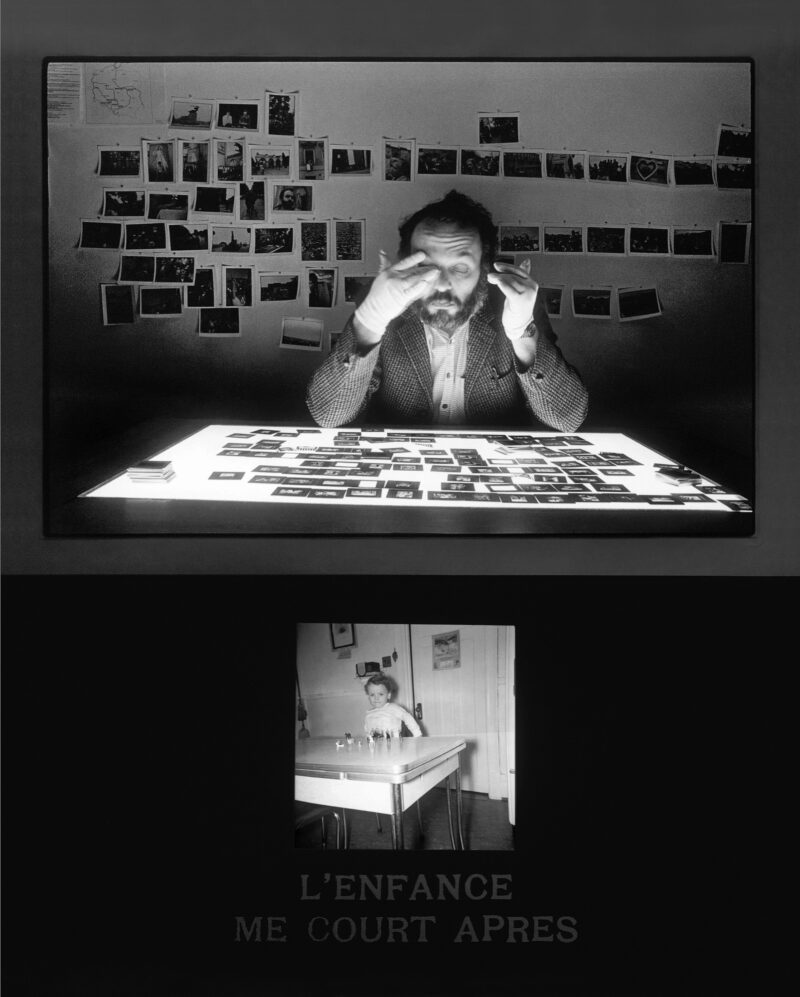
focus aout05
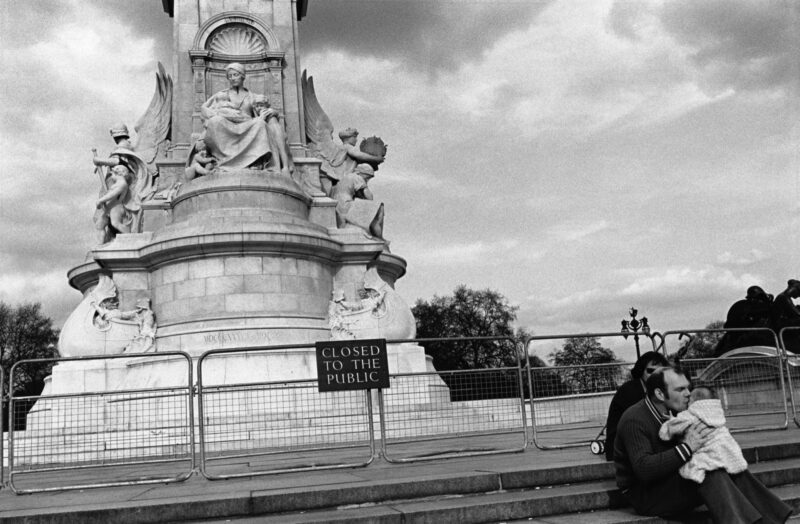
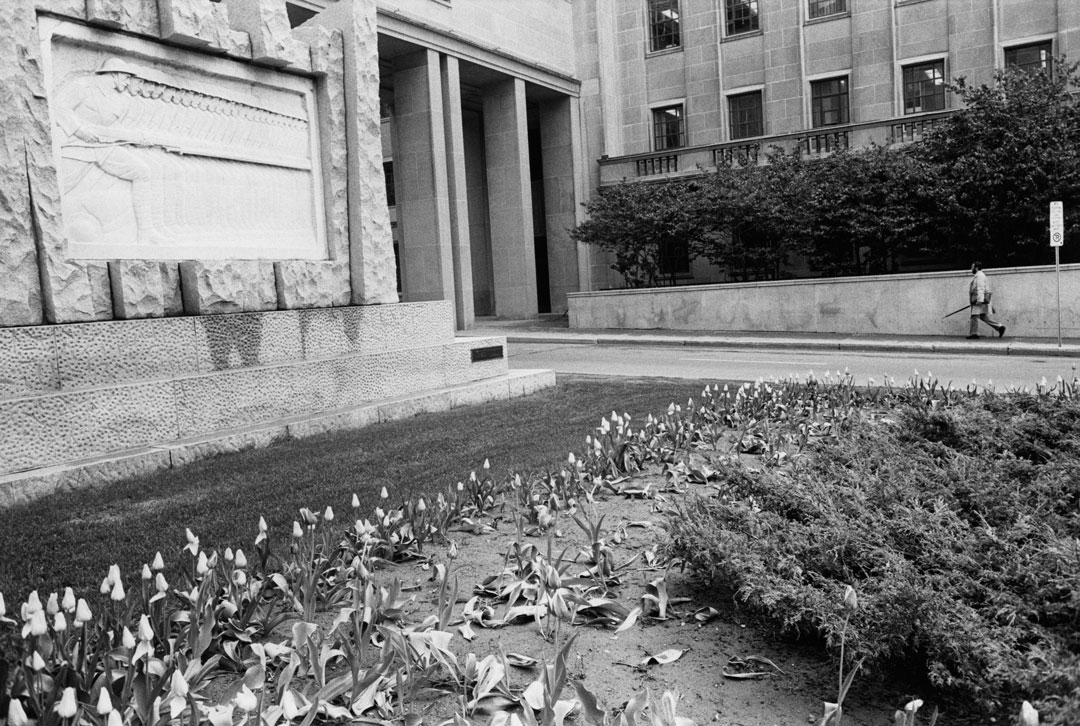
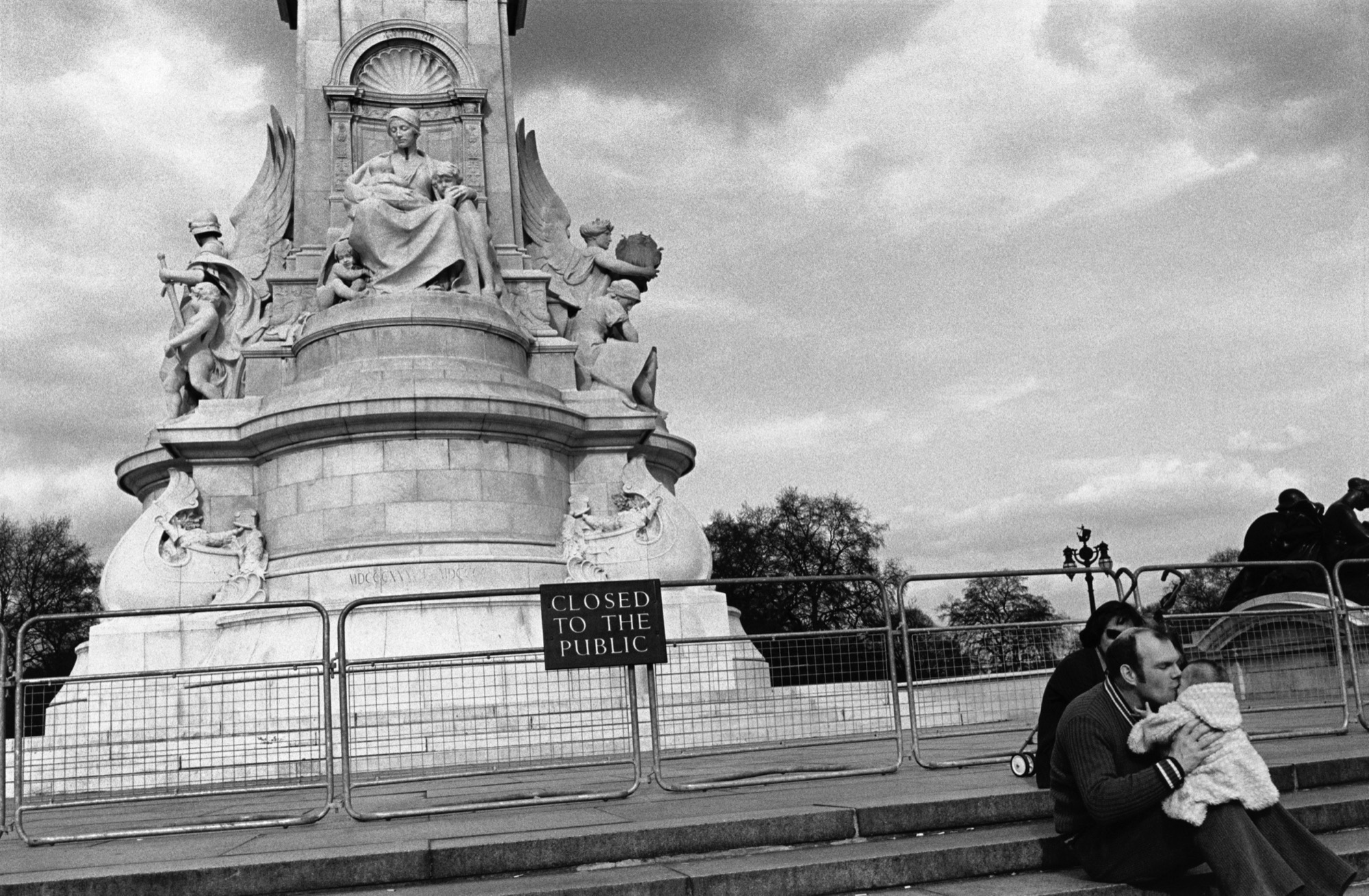
Tom Gibson London, England, 1975 épreuve à la gélatine argentique / gelatin silver print, 18 × 28 cm
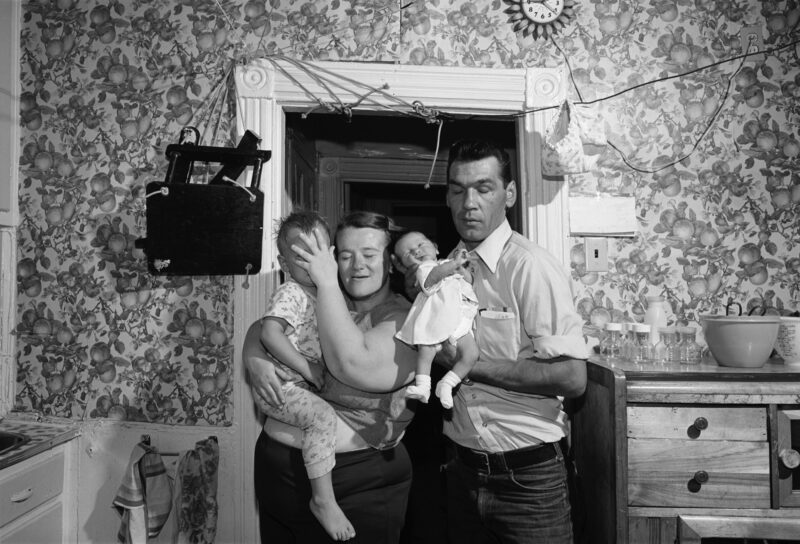
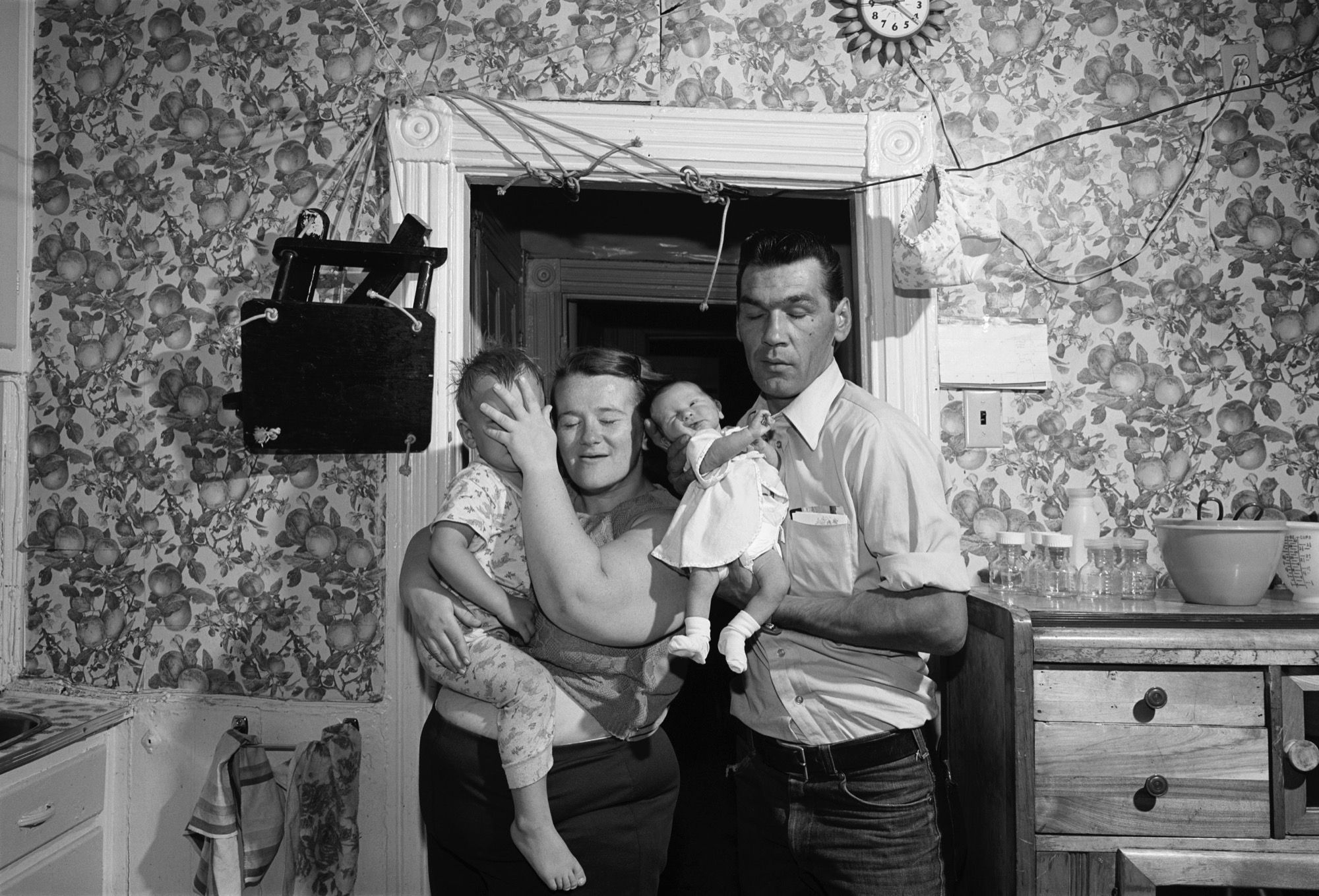
11. Untitled (June 9, 1982), from the series Reality and Motive in Documentary Photography, Part 1 (1986) – Gelatin silver print, 25.7 x 37.8 cm
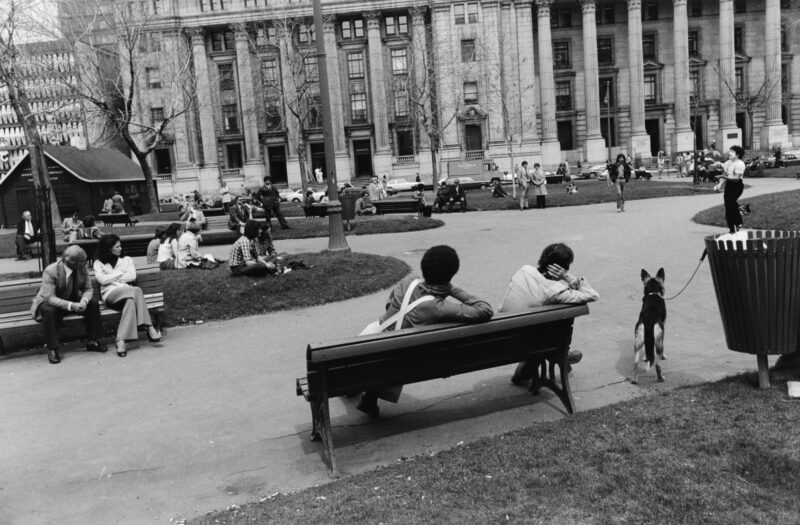
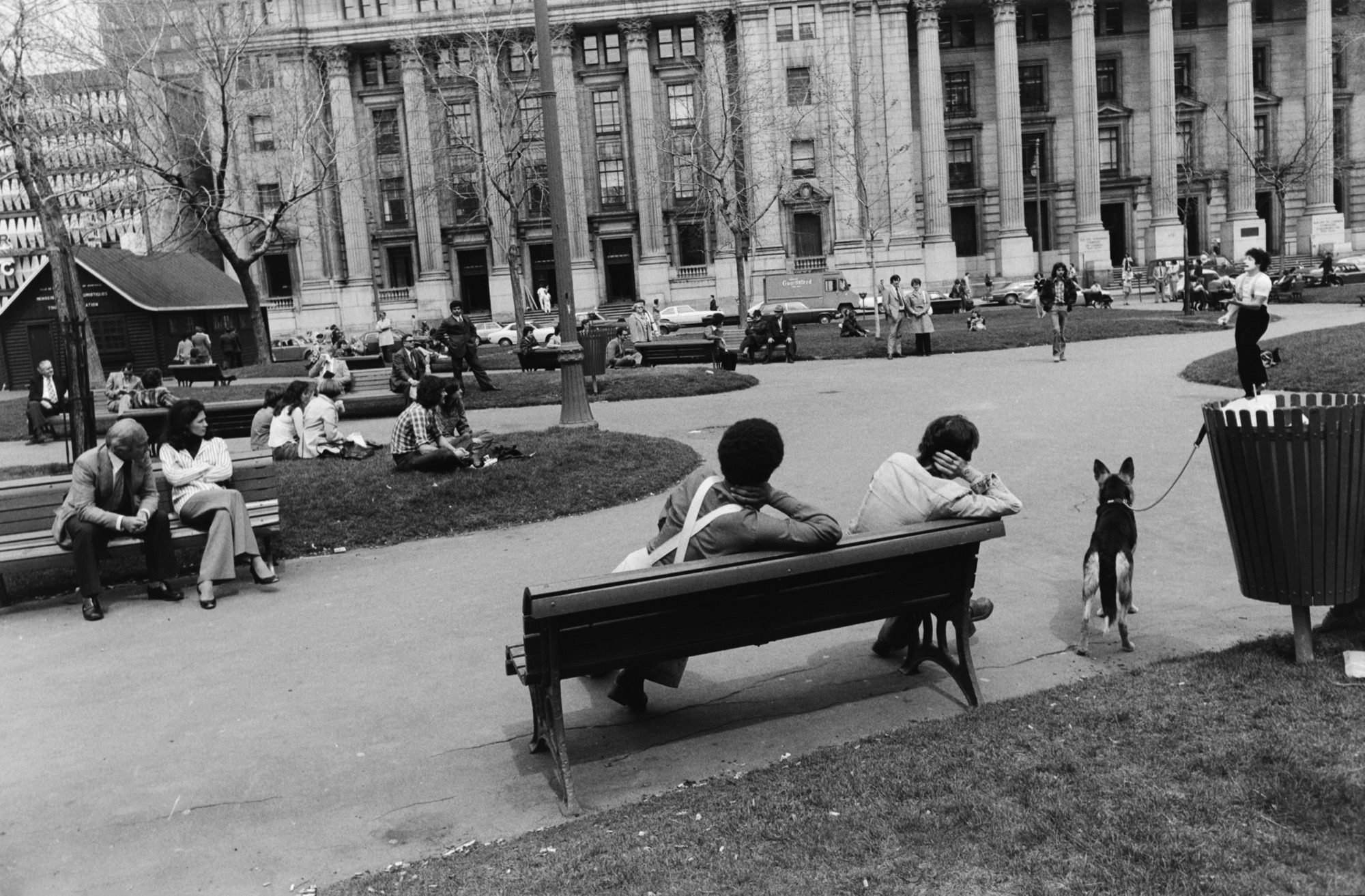
Tom Gibson Dominion Square, Clown, Dog, Montreal 1979, épreuve à la gélatine argentique / gelatin silver print, 21 × 32 cm

[Fall 2021]
Robert Graham’s History of Photography in Montreal
by Zoë Tousignant
There are those of us who believe that what lies beyond the photographic frame is as interesting as what is contained within it. This is not founded on a sentiment that the photo graph alone is not enough. Quite the contrary: it comes from a place of such deep enthrallment with the photographic image that what surrounds that image, literally and conceptually – the institutional frame, the maker’s point of view, the technological apparatus, the context of publication, the sociocultural framework, and so on – is also deemed worthy of attention. Passionate embroilment, rather than disregard, is at the root of analyses that transcend the strict confines of the image.
Robert Graham has been writing passionately about what lies inside and outside the photographic frame for the past forty years. His reviews and essays have been published in periodicals such as Ciel variable, Parachute, RACAR, and Vanguard, as well as in catalogues and monographs produced by institutions that include Le Mois de la Photo à Montréal, VOX, the Canadian Museum of Contemporary Photography, and AXENÉO7. A retrospective examination of Graham’s body of writing provides the ingredients for a kind of survey of the local evolution of photography theory and criticism over the past few decades, as well as revealing the particularity of his authorial voice, which is at once extremely erudite, thoroughly thoughtful, and a touch humorous.
In parallel to his critical practice, Graham has collected photographs, proving again that intellectual interest can readily commingle with a baser desire to possess. Parts of his private collection were recently made public in the exhibition Three Montréal Photographers +.1 Curated by Graham himself, the exhibition brought together fifty-nine works – all drawn from his collection – most of them by Tom Gibson, Donigan Cumming, and Michel Campeau, photographers about whom he has previously written and with whom he has enjoyed longstanding bonds of friendship. Although displayed in separate sections of the gallery space, their photographs were intended to dialogue, both with each other and with images by three other international photographers (symbolized in the title by the plus sign): Eadweard Muybridge, Miroslav Tichý, and Martin Parr.
As Graham explains in the accompanying catalogue’s essay, which offers a reflective overview of his academic back ground and approach as a critic, he has always been interested in the “parergonic,” or the “organizations and practices which surround and support artistic activity.”2 The concept of the parergon, elaborated most notably by Jacques Derrida in Truth in Painting (La vérité en peinture, 1978), refers to that which is beyond the strict contours of the work of art and has been thought (by Kant) to be a mere adjunct to the proper object of the judgment of taste.3 In Derrida’s view, what resides outside of a work of art is in fact fundamental, for it determines or defines what it is not. Graham has expressed his engagement with the parergonic by regularly appealing to a number of disciplines and epistemological tools that would once have been seen as extraneous to art history – a strategy rooted, he says, in the interdisciplinary nature of his studies in communications at McGill University.
In a sense, the exhibition could be seen as a visual manifestation of Graham’s body of writing, as collecting has for him been closely tied to the particular course and shape of his intellectual biography. In the catalogue essay, he describes collecting as coming “across examples of work which are visual correlatives of my thoughts. The collection provides mental furnishing and material aids of study. A memory theatre of spatially distributed information and discursive equipment for fashioning my curiosity and coalescing into something worth spending time on.” The works in his collection, then, act as stand-ins for ideas, and, though undoubtedly appreciated as individual images, they are brought together in order to construct a more comprehensive theoretical picture – what Graham calls his “thesis.” Seen from this perspective, one could conclude that the critic/collector is the main nexus from which Three Montréal Photographers + derives its coherence and meaning. As with many exhibitions devoted to private collections of photography, the main point of entry into Three Montréal Photographers + could be an exploration of the collector’s singular motivations. But to take this approach would be to downplay the complexity of this project and to underestimate Graham’s work as curator of the exhibition.
In my view, the project’s significance emerges most powerfully if the angle of interpretation is shifted to focus attention on “Montreal” (the central word in the exhibition’s title). From this standpoint, Montreal can be viewed as a scene, or a site, where a series of actions and events have taken place over a given period of time. These actions and events are not isolated but completely intermingled. Together, they amount to what can be called a history of photography – a local history of photography that is specific to the site on which they have unfolded. In this view, individuals are a necessary force in bringing about certain actions and events, but their contributions to the scene take precedence over personal accomplishments. Importantly, the people who may be seen as having played a part include not only photographic practitioners, but also critics, curators, gallery owners, teachers, and others. The task of history writing – and curating – then becomes tracing the intricacies of the scene’s development and investigating the conditions of its localness.
So, what is the story told by Three Montréal Photographers +? First, the narrator is clearly Graham himself: the story is recounted from his point of view, as someone who has known personally and written about the three protagonists. This is important, for it posits from the start the idea that affective relationships and art criticism can both shape the trajectory of history. Nevertheless, Graham is not at the centre of the narrative. As I see it, the principal character is the oldest of the three, Tom Gibson, who sadly passed away, at the age of ninety, only a few days after the exhibition ended. His contribution to the scene was at least twofold: he produced an extensive body of work – essentially, 35 mm street photographs taken through the eyes of a painter, examples of which were presented in the first section of the exhibition – and was a leading figure in the establishment of the photography program in Concordia University’s Faculty of Fine Arts. As both teacher and administrator, Gibson would have a lasting impact on the unique way that the photographic curriculum at that university evolved, and, more broadly, on the practice of photography as an art form in Montreal.
The two other protagonists, Donigan Cumming and Michel Campeau, both part of the generation that followed Gibson’s, could be said to represent parallel strands of how photographic art would develop. The older photographer’s reaction to Cumming’s work is amusingly relayed in the exhibition catalogue: Graham recalls Gibson saying to him, “You have to see this guy’s pictures. He uses his flash to light up all the dust balls.” Cumming’s first major artistic statement, the three-part series Reality and Motive in Documentary Photography (1982–86), had sent the Canadian photography world into a genuine tizzy, and while Graham admits that he, too, initially struggled with its controversial content, he was the first critic to respond positively to the series. He has been a Cumming devotee since, and the works included in the exhibition reflect the trajectory of Cumming’s entire oeuvre – they show his longstanding engagement with certain subjects (a community of people rooted in Montreal’s westerly downtown core) and illustrate his way of continuously and irreverently treating his own previous images as fair game.
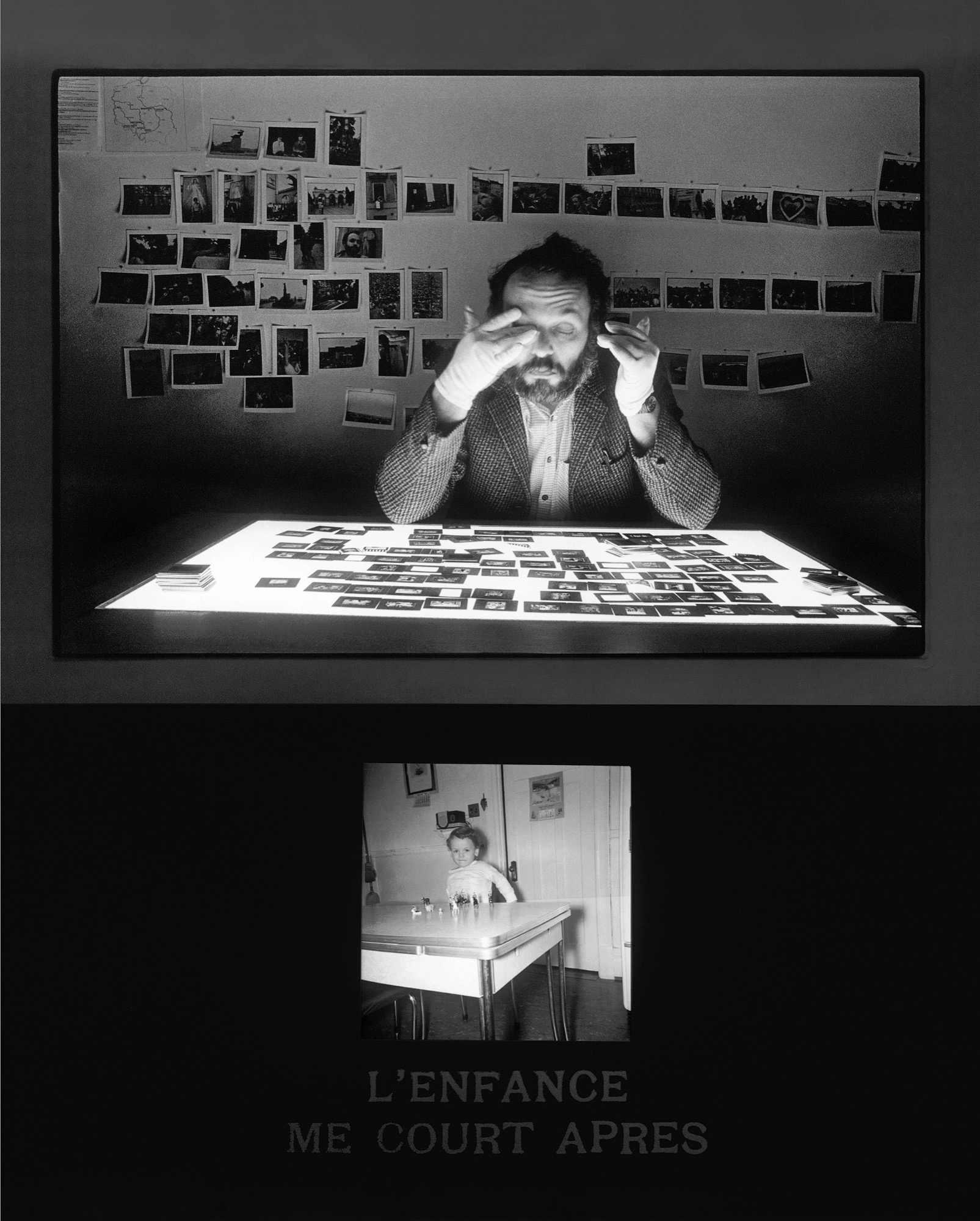
The full breadth – or just about – of Campeau’s career was also encompassed in the exhibition by such series as Week-end au « Paradis terrestre » ! (1972–82), Les tremblements du cœur (1988), and Splendeur et fétichisme industriels (2012–14). Born and raised in Montreal, Campeau was an important figure in the development of social documentary photography in Quebec in early the 1970s. Eventually abandoning this style in favour of a personal investigation of photography’s codes and rituals, Campeau remains a ringleader of the city’s photographic community. As Graham puts it in his essay, he is “decidedly embedded in and integrated with his society.” One of the works chosen to represent his Darkroom series (2005–10), the production of which involved travelling around the world to document different photographers’ personal darkrooms before they were dismantled, shows the interior of Cumming’s darkroom, recognizable through an old print pinned to the wall and a painted portrait of Cumming’s partner, photography historian Martha Langford, as a girl. Although it may be Campeau’s most international series (in terms of its subject matter and circulation), Darkroom is nevertheless grounded in the details of the local scene.
Of course, the international works included in the exhibition also play a role in the story, since Montreal is a city that is part of a larger network of exchange of art and ideas. Telling the history of photography in Montreal cannot involve the exclusion of all that is foreign (but neither should it mean being helplessly mesmerized by what has happened elsewhere). For Graham, the images by Muybridge, Tichý, and Parr function as points of comparison to the works by the Montreal photographers. But I would suggest that they also reflect the total imbrication of the local scene with the international. Again, what’s outside is part of the inside. In the end, the exhibition tells a story that captures the complex and very specific interconnections between people active in Montreal over the past four or five decades. And Robert Graham is part of that story.
1 McClure Gallery, Westmount, May 7–29, 2021.
2 Robert Graham, Trois photographes montréalais +/Three Montréal Photographers + (Montreal: Robert Graham Editions, 2021), 5. Graham’s entire body of writing, including the catalogue essay and his previous articles on Gibson, Cumming, and Campeau, is now accessible online on the author’s website, robertgraham.ca.
3 Voir Jacques Derrida, La vérité en peinture, Paris, Flammarion, 1978, p. 61–63.
4 Graham, Trois photographes, 9.
5 Ibid., p. 2.
6 Ibid., p. 20.
7 Ibid., p. 32.
Zoë Tousignant is a photography historian and curator based in Montreal.
[ Complete issue, in print and digital version, available here: Ciel variable 118 – Exhibiting Photography ]