
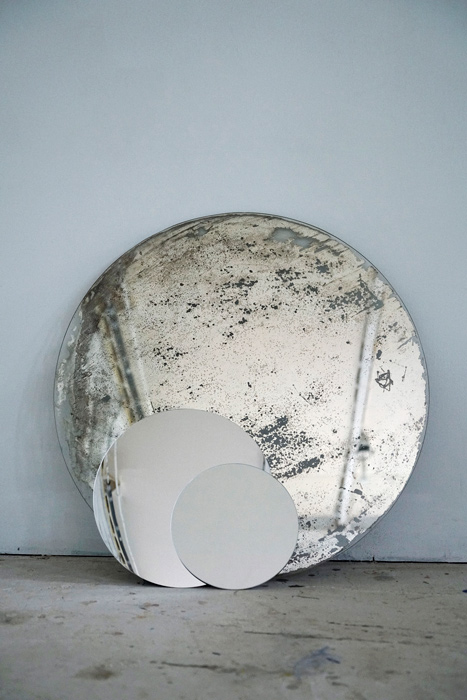
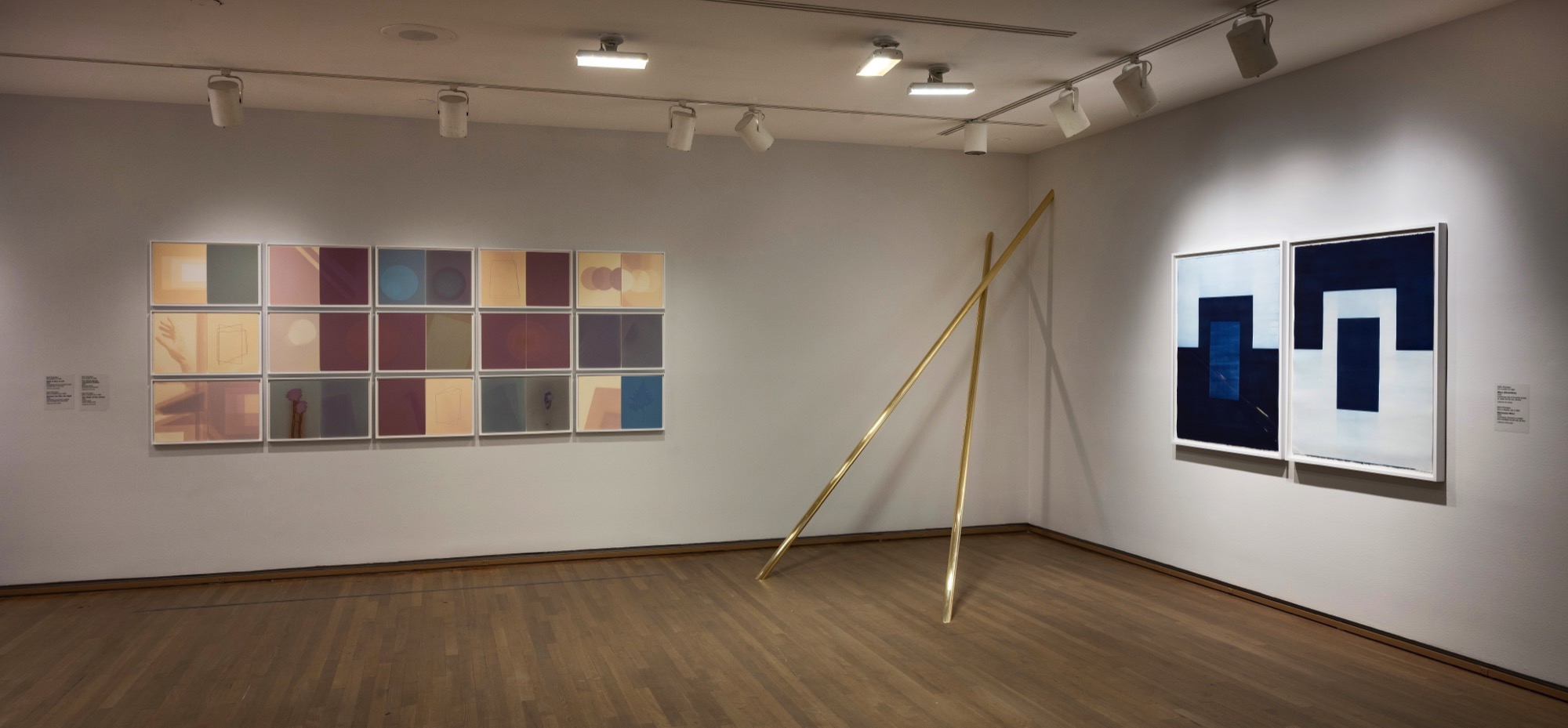
Yann Pocreau, Les astres / Celestial Bodies, 20182020, impression numérique / digital print, 221 × 140 cm
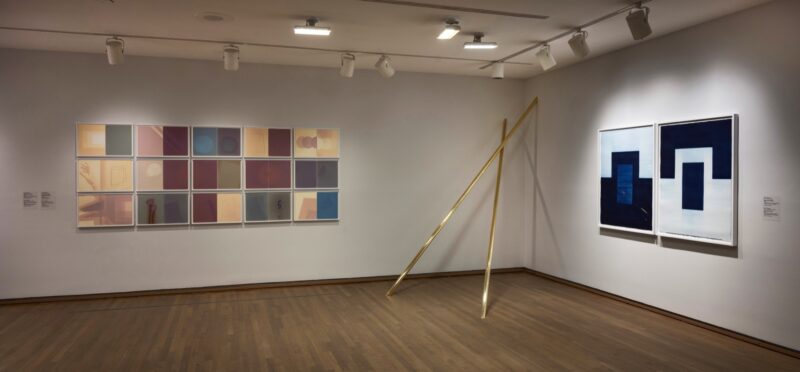
photo : Denis Farley
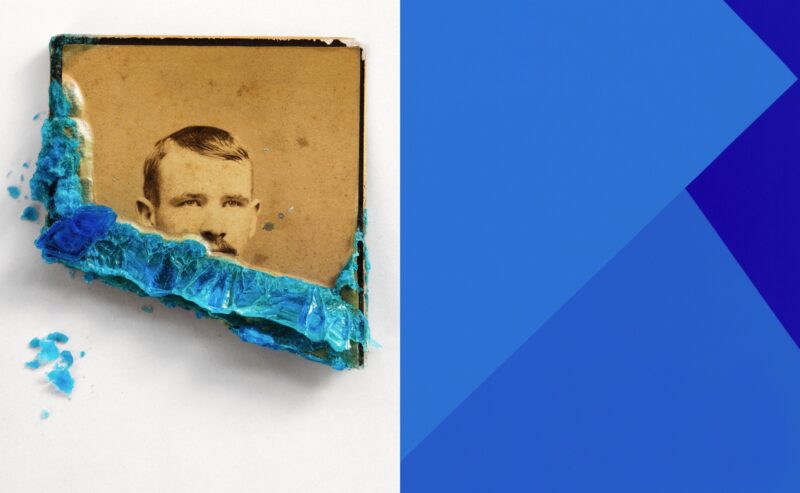
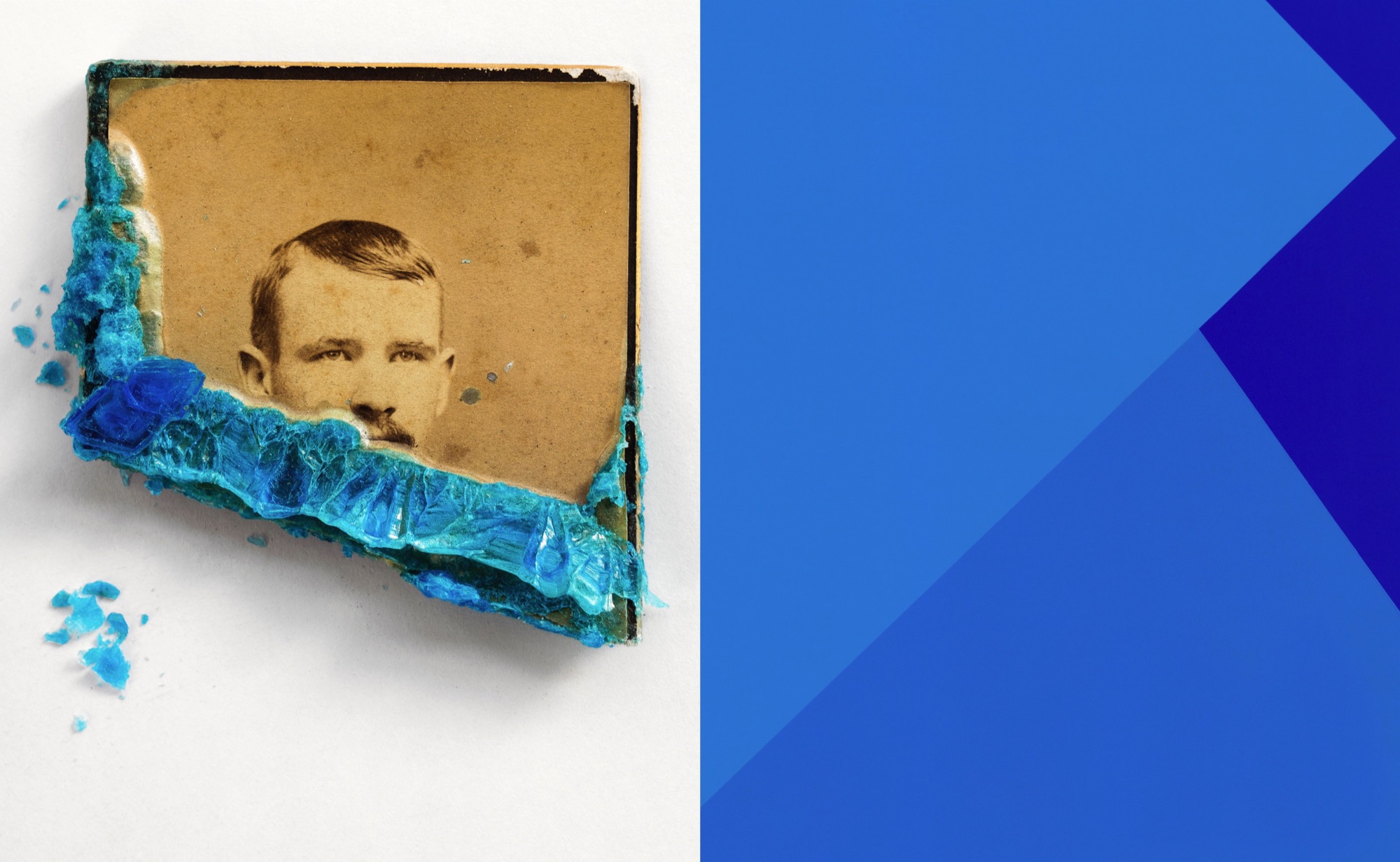
Impermanences 01 / Impermanencies 01, 2017, impressions numériques / digital prints, 84 × 102 cm
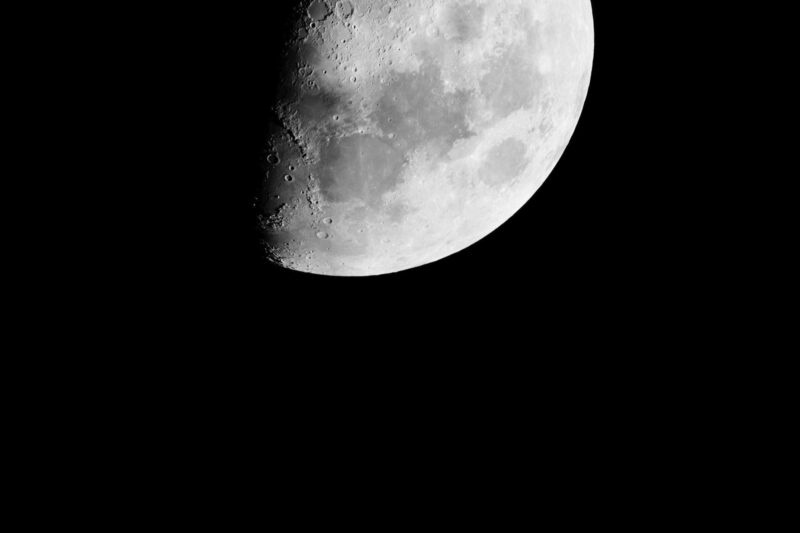
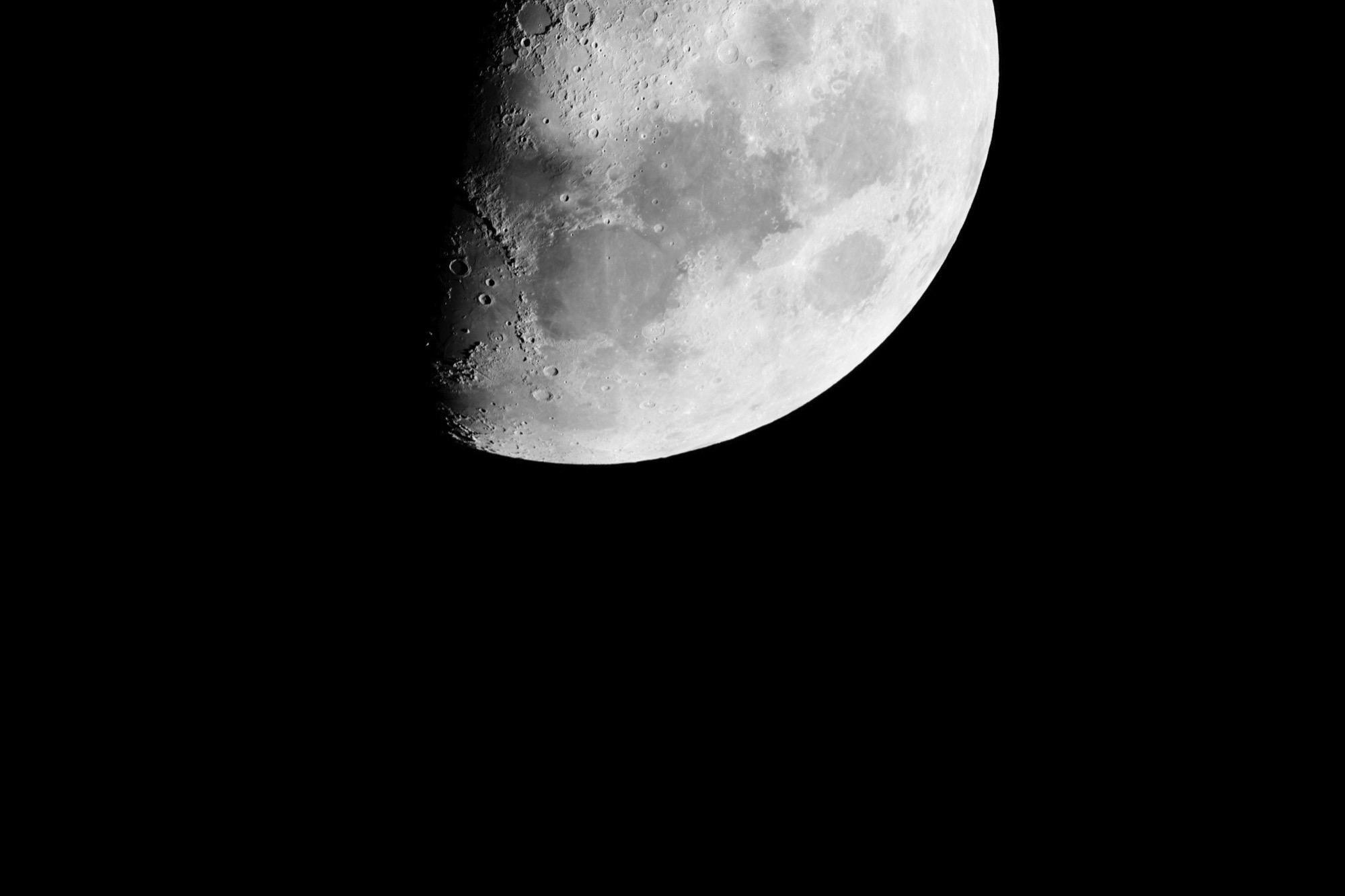
La Lune, pour moi, le 20 juillet 2018 (détail) / The Moon, to Me, July 20, 2018 (detail), 2018, avec la collaboration de / with the collaboration of Guillaume Poulin, diapositives, projecteur / slides, projector
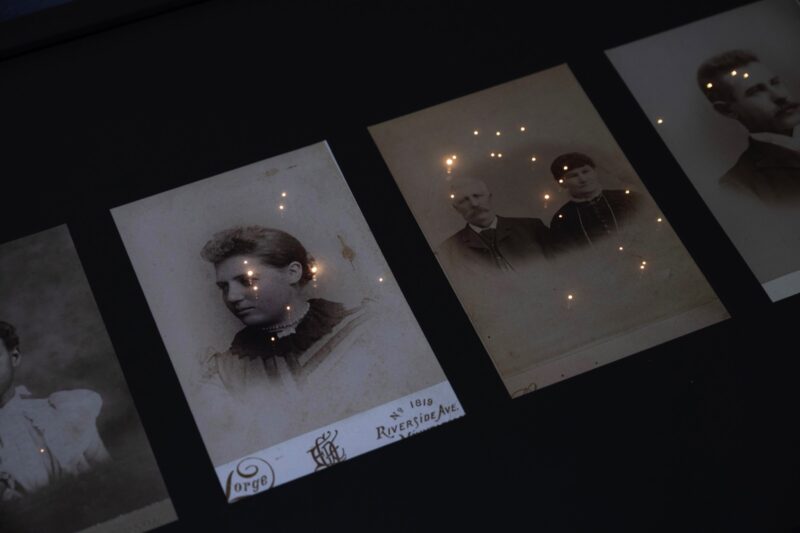
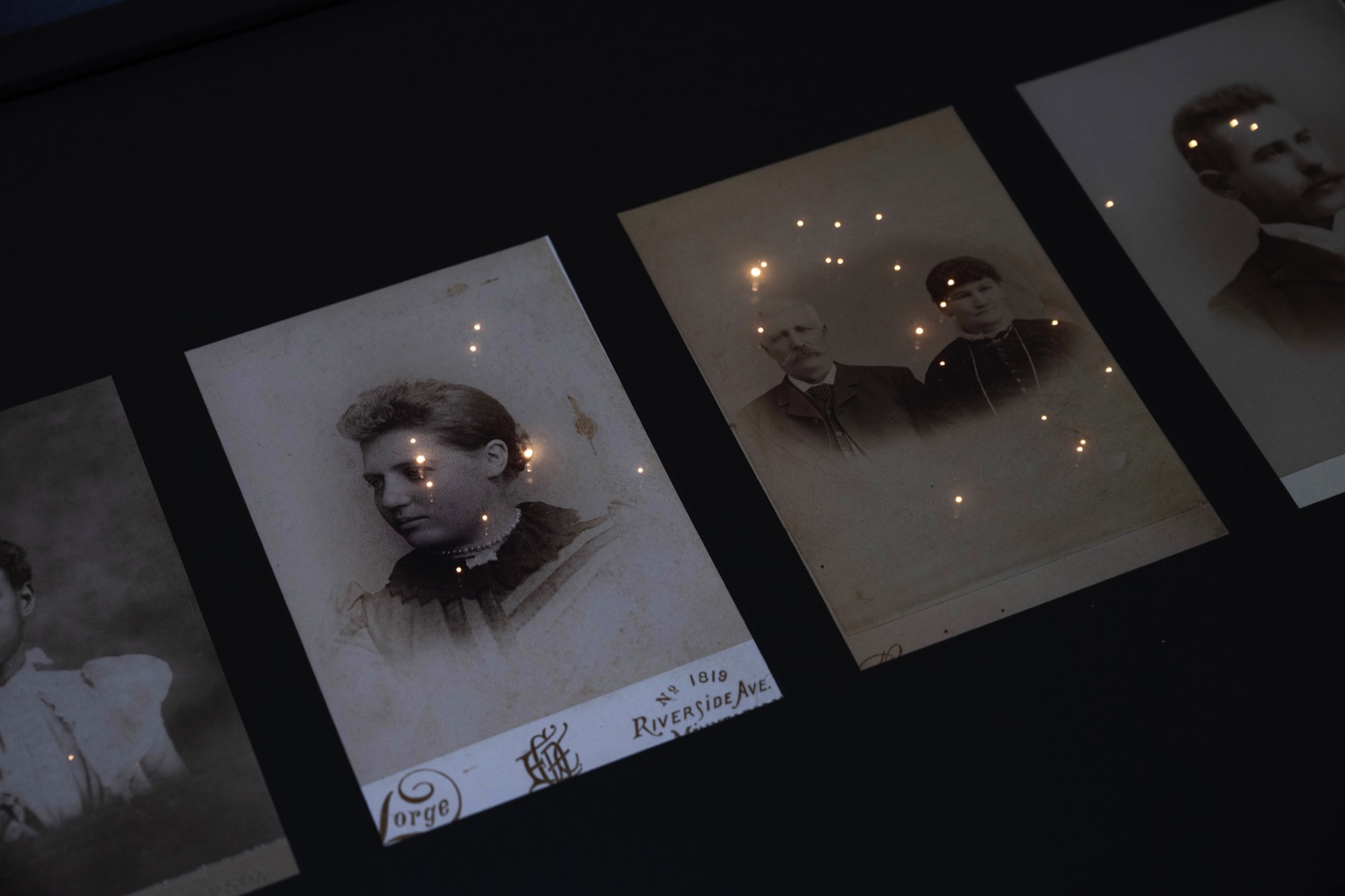
Les impermanents / Impermanencies, 2017–2021, cartes-de-visite format cabinet percées, boîtiers lumineux, dimensions variées / perforated cabinet cards, lightboxes, various dimensions, photo : Denis Farley

[Fall 2021]
Yann Pocreau, Les Impermanents
By Daniel Roy
Musée des beauxarts de Montréal
10.04.2021 — 1.08.2021
Continuing his reflections on the materiality of light, Yann Pocreau presented a corpus of brand-new works at the Montreal Museum of Fine Arts, the result of research conducted during residencies at the Fonderie Darling (2016–18) and the Mont-Mégantic Observatory (2018). He was investigating light sources that reach us from the heavens and exploring their physical, metaphoric, and philosophical dimensions. The exhibition Impermanencies, involving photographs made with or without a camera, gleaned images, a projection, and an in situ sculptural installation, is presented as a series meditations on light and the cosmos, inviting visitors to reflect on time, the fleetingness of life, and the finiteness of living beings and things.
In the subdued ambience of the first gallery, the series These things that I will miss (index) (2020–21) presents thirty lumen prints. These juxtaposed sheets of photosensitive paper with washed-out colours form a polychrome grouping of gentle contrasts. Oscillating between abstraction and figuration, some of the images offer geometric compositions that reproduce the movements of the stars and planets. Other images refer more directly to objects. These hark back to early photographic works: flowers, the contours of which strongly reacted with the chemistry of the paper, evoke Henry Fox Talbot’s first photograms; a fern, carefully arranged on a blue-tinted sheet, is reminiscent of cyanotypes by Anna Atkins, the pioneer of botanical photography. The formal abstractions quickly bring to mind experiments by avant-gardes who were interested in exploring light and the creative possibilities of the photographic medium. Then the hand, with its index finger pointing at the sky, appears loaded with meaning; since Michelangelo, this figure has symbolized artistic creation. At once, the work takes on a sense of homage. Pocreau redirects light upon the precursors of photography, but also upon the researchers and creators who shaped the medium as art.
A glance at the wall text informs us that among the pieces in this grouping, some were not treated with a fixer. Some of these prints – we don’t know which ones –are doomed to imminent extinction. Considering this, our thought turns toward all the creators whose names are lost to history, who have been erased by time. This idea returns in Impermanencies 01 (2017), a photograph of an old portrait the paper support of which is in the process of deteriorating. Obviously, the photograph is not as permanent as might have been desired. It can be altered. Memory, too.
In the second gallery, plunged into darkness, a slide projector projects images of a half-moon onto a wall. The succession of shots in The Moon, to me, July 20, 2018 (2018) re-creates the effect of the crossing of the heavenly body, which we see move from below to above. The looped repetition of these slides recalls the orbital trajectory of Earth’s natural satellite, which forms lunar cycles. Around this projection, along the gallery’s walls, the eponymous work of the exhibition, Impermanencies (2017–21), is presented. Consisting of seventy-four nineteenth-century portraits of anonymous people, these visiting cards, gleaned from junk shops, have been perforated to allow light from bulbs placed just behind them to pass through. These alterations, which reproduce the eighty-eight constellations inventoried to date, confer a momentary glimmer on these unknown subjects, long dead. This work reminds us that stars, those points of light that seem eternal, also end up being snuffed out – even though, seen from Earth,
their rays reach us quite some time after their death.
As we leave this gallery, we come once again upon Solar Radius (2021), cylindrical sculptures made of polished brass, evoking light beams. Installed in the corners, these in situ works give the impression that jets of light are penetrating space. The title refers us to science: in astrophysics, the solar radius is the unit of length used to express the dimensions of stars. A sense of scale becomes clear to us, and we are overtaken with vertigo. Pocreau’s works make us aware, profoundly and sensitively, of the immensity of the cosmos, leading us to reflect on the space that we occupy in the universe. It’s a tiny space, certainly, an ephemeral presence, but one that we hope is as luminous as Pocreau’s works. Translated by Käthe Roth
A graduate of Collège Marsan in professional photography, Daniel Roy is currently working on a master’s degree in art history at UQAM. He is interested in the notion of temporality in images, and in the artists who appropriate old photographic processes for use in current discourses.
[ Complete issue, in print and digital version, available here: Ciel variable 118 – Exhibiting Photography ]