
[Summer 2022]

Edward Burtynsky, Heinz Ketchup Bottling Plant, 1982 from the series / de la série Packing, gift of the artist / don de l’artiste, 2019
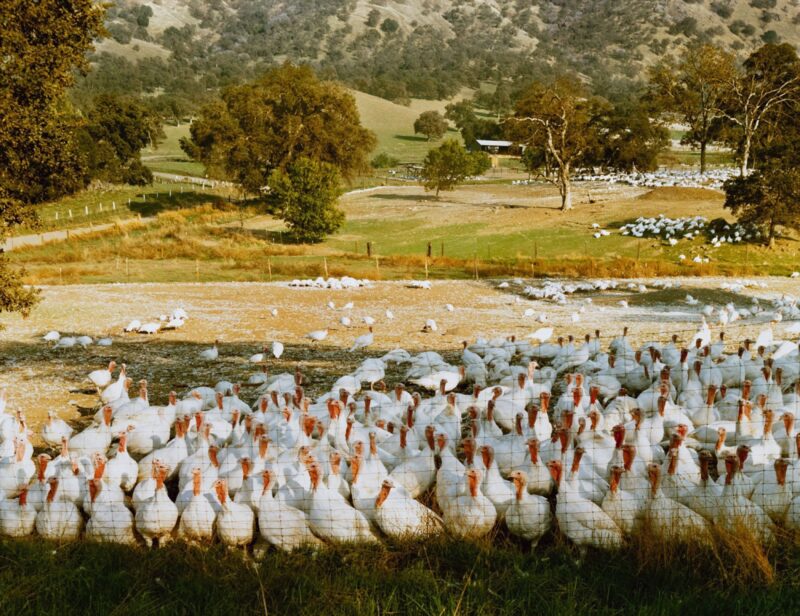
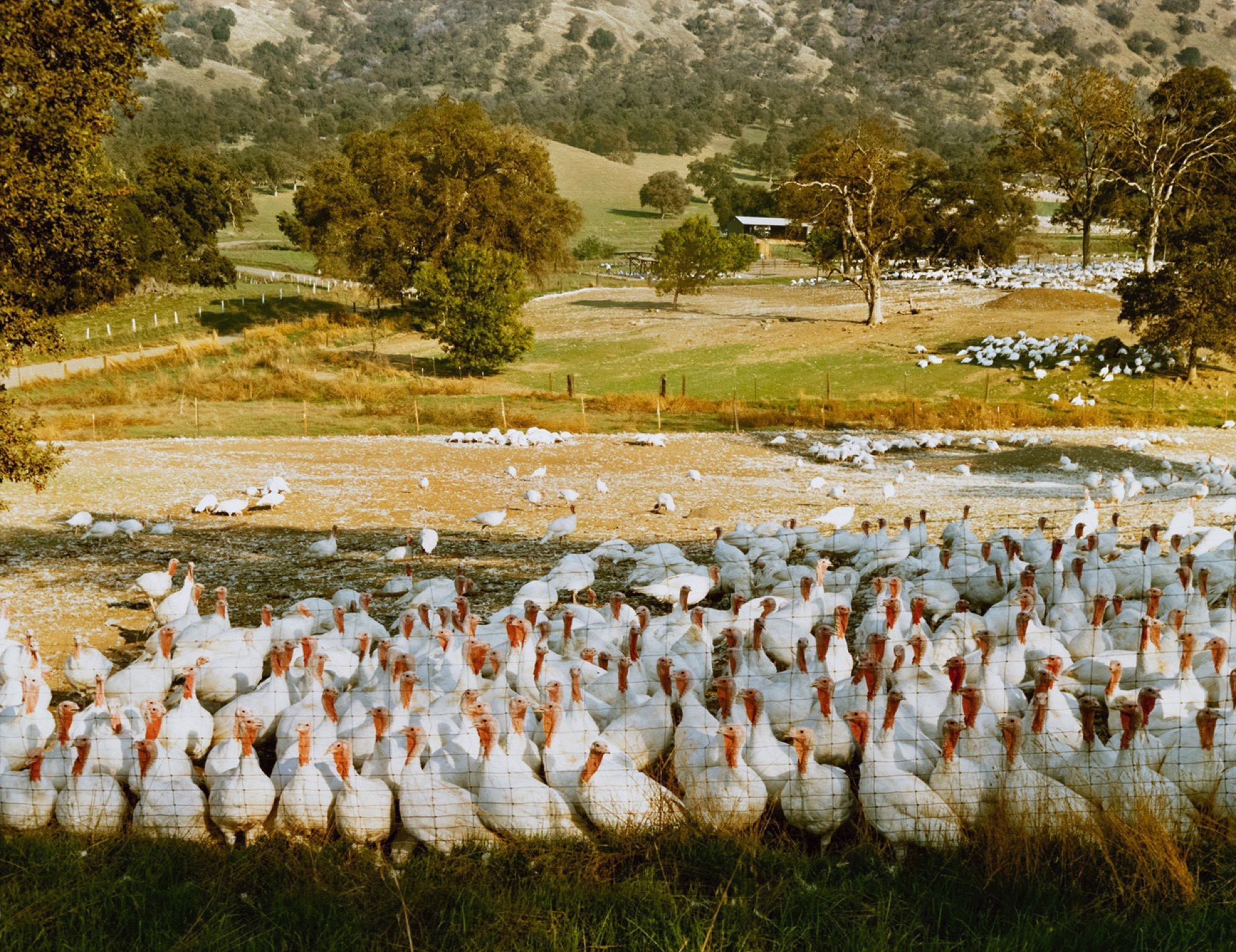
Turkeys, California, circa / vers 1983 from the series Packing, gift of the artist / don de l’artiste, 2019
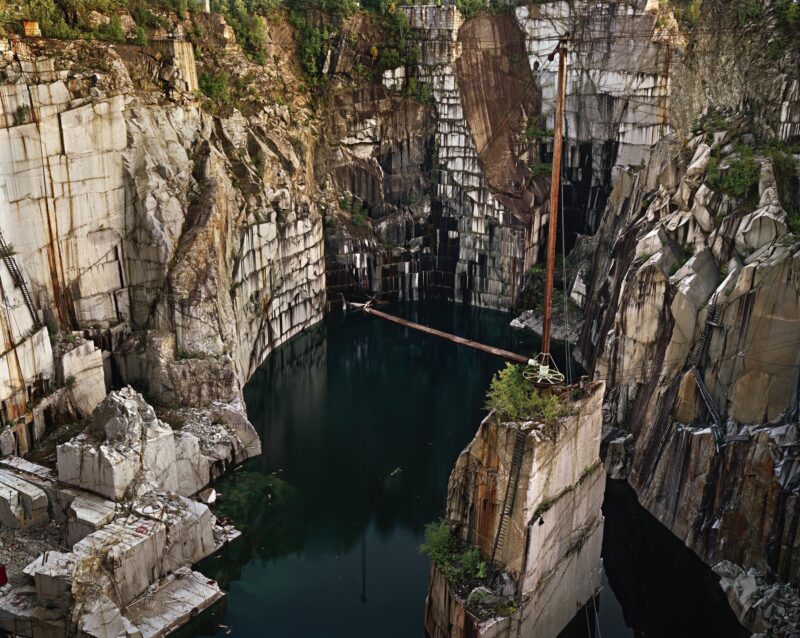
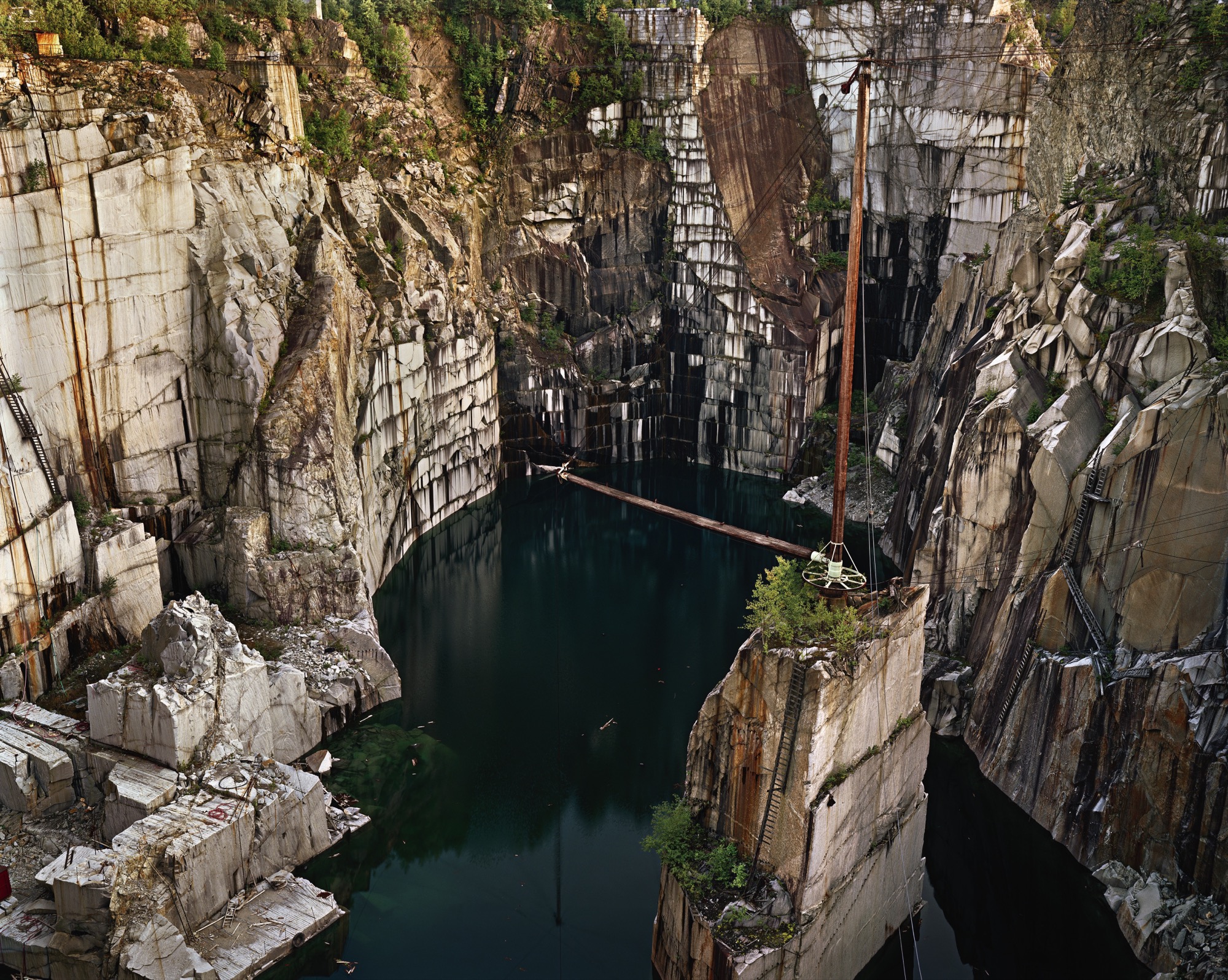
Rock of Ages #22, Abandoned Section, Wells-Lamson Quarry, Barre, Vermont, USA 1992, gift of the artist / don de l’artiste, 2020
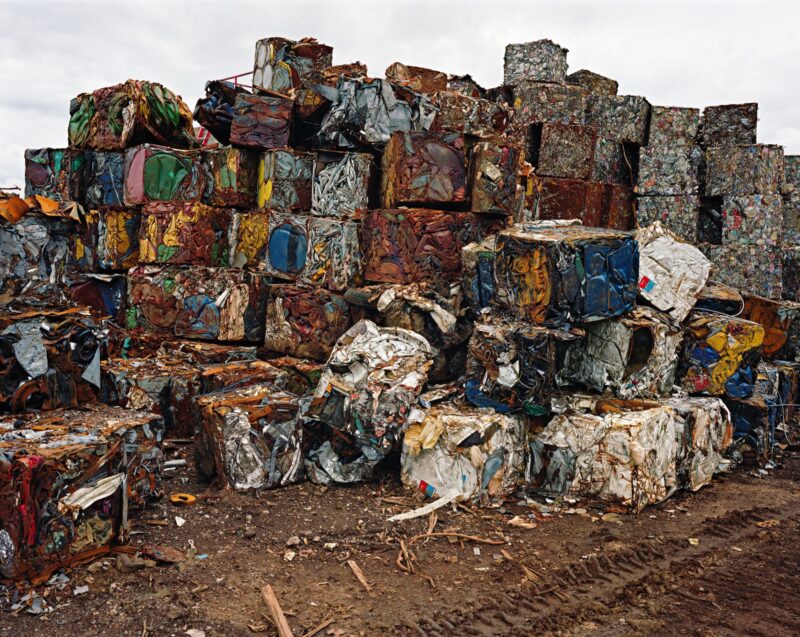
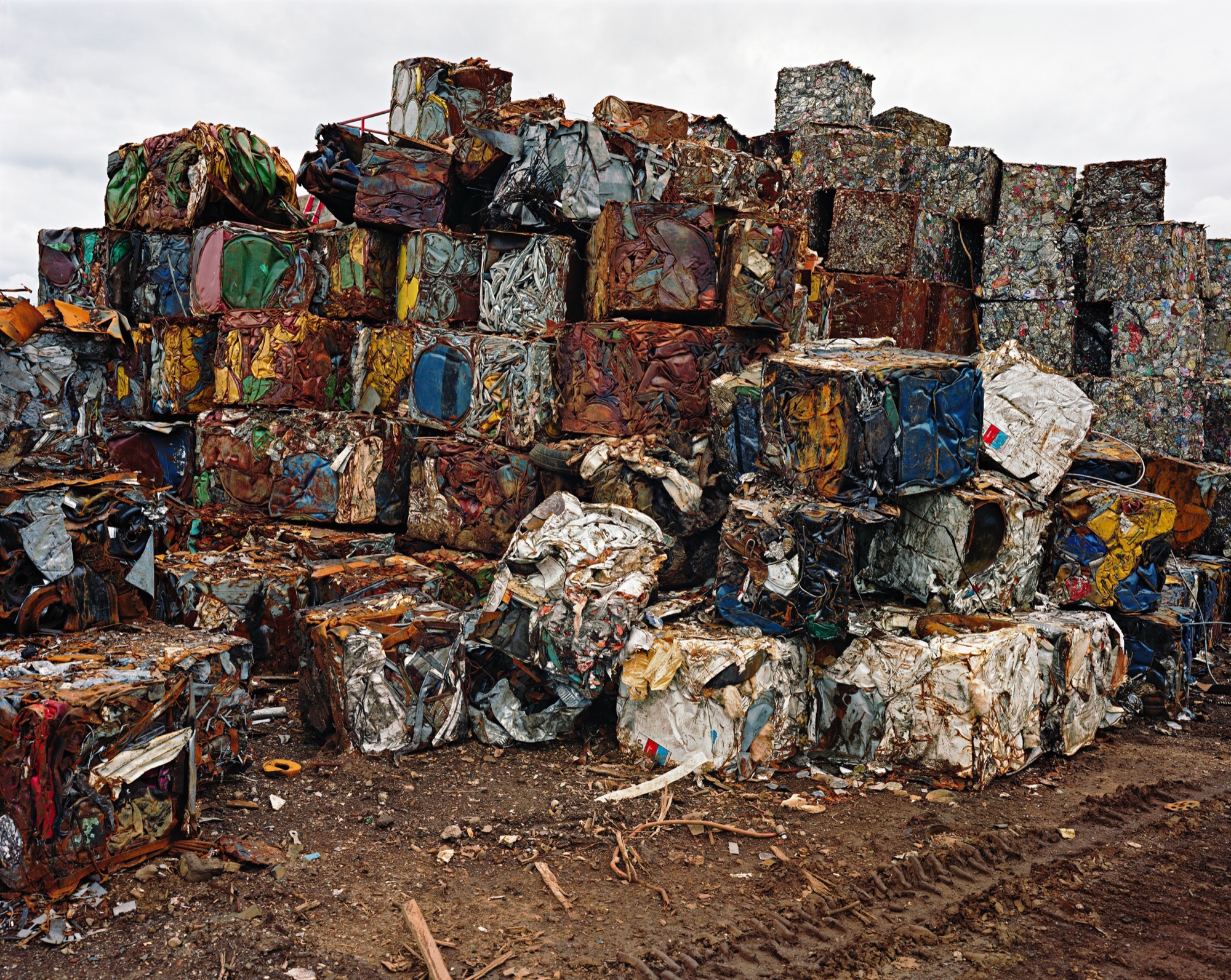
Densified Cans #20, Hamilton, Ontario, 1997 gift of the artist / don de l’artiste, 2020
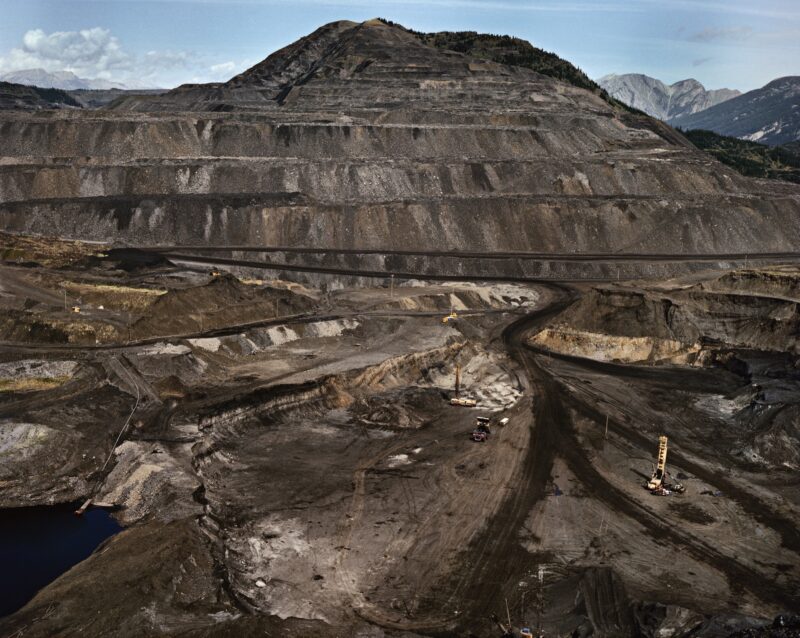
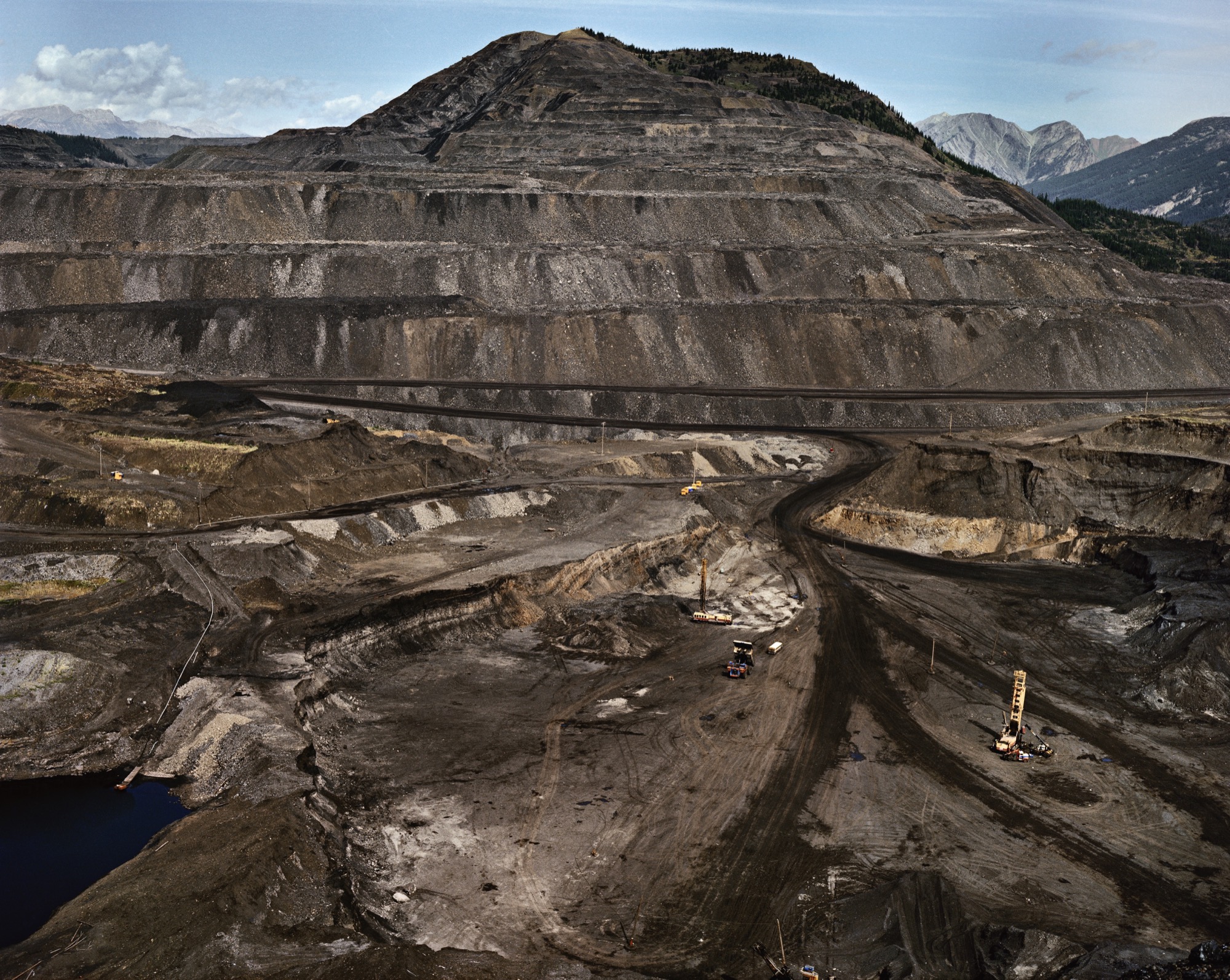
Mines #19, Westar Open Pit Coal Mine, Sparwood, British Columbia, Canada, 1985 (2013), from the series / de la série Breaking Ground, Mines, gift of the artist / don de l’artiste, 2019
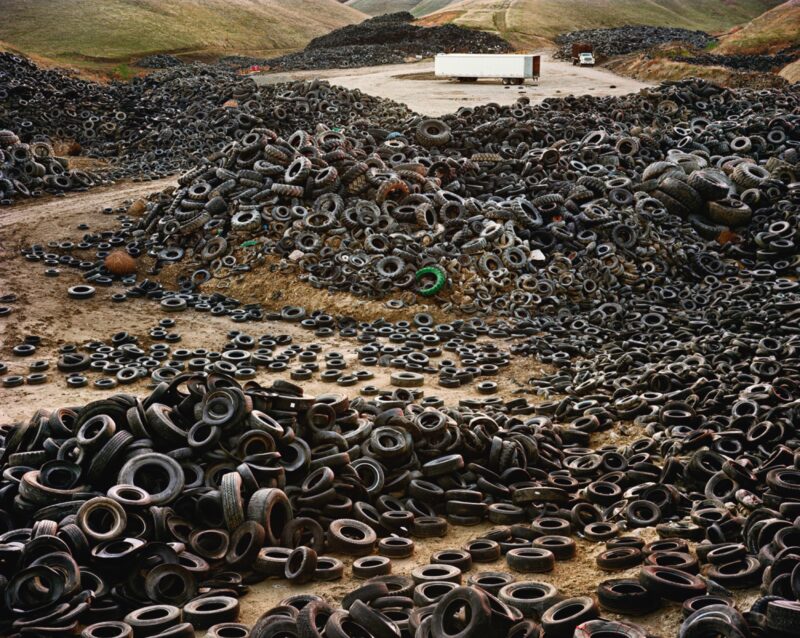
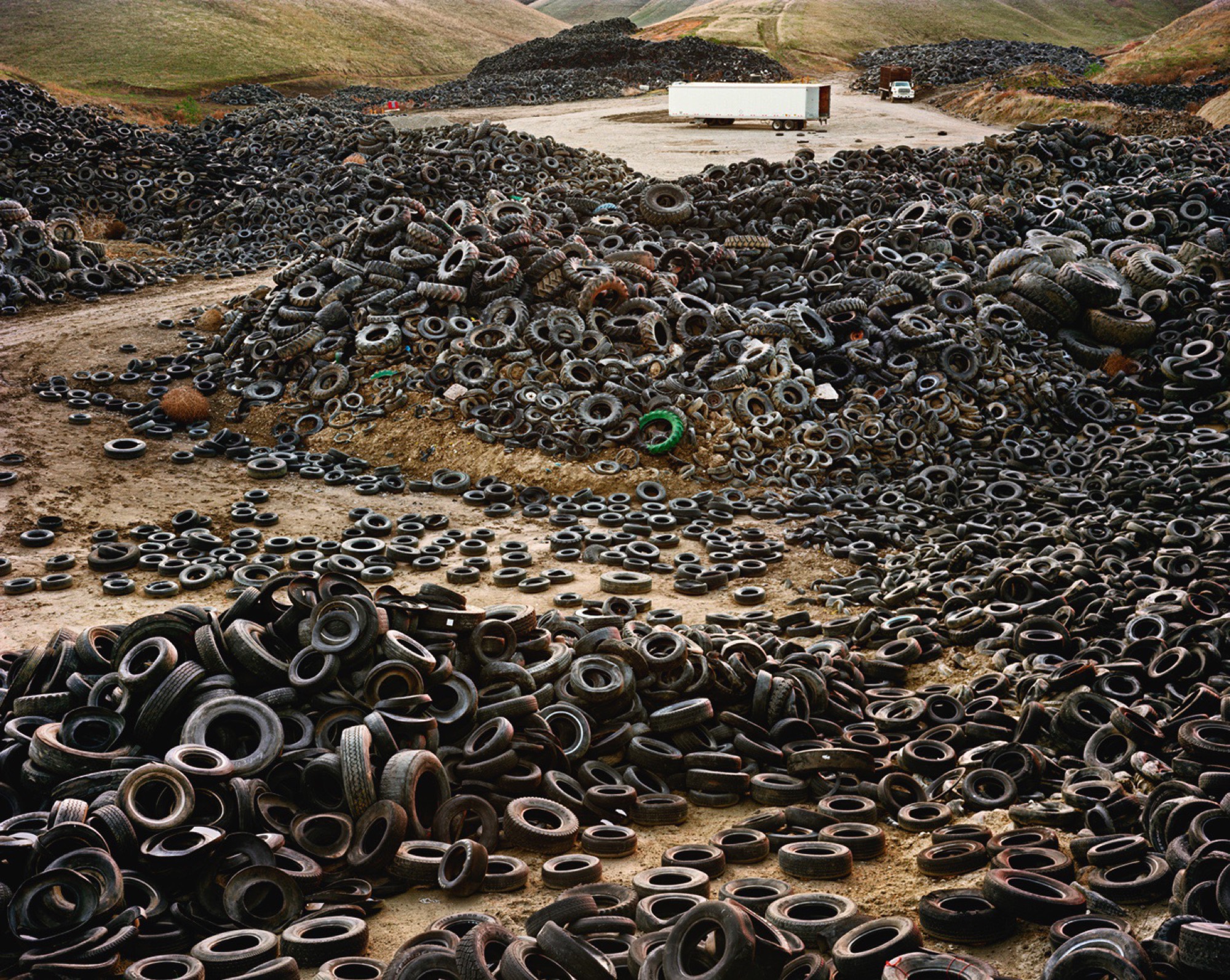
Oxford Tire Pile #2, Westley, California, 1999 gift of the artist / don de l’artiste, 2020


Finding Purpose: Burtynsky’s Archive at RIC
An interview by Jérôme Delgado
The internationally renowned artist and environmental photographer Edward Burtynsky was born in St. Catharines, on the shore of Lake Ontario – just a few pulls of the oars from Toronto, where he went to Ryerson Polytechnical Institute (today Ryerson University), graduating in 1982 with a bachelor’s degree in photography and media studies. He established his studio on Spadina Avenue, where he founded photographic services businesses (Toronto Image Works in 1985 and Think2Thing in 2014). It was a little surprising that the Ryerson Image Centre (RIC), situated since its inauguration in 2012 on the university’s campus, was chosen by Burtynsky as the repository for his images. Upon completion of the donation, which will stretch over several years, the RIC, a research and exhibition centre, will house the largest collection of Burtynsky’s works. Its director, Paul Roth, who began working with Burtynsky in 2009, as curator of his exhibition Oil, agreed to talk about this important donation.
Jérôme Delgado: In 2020, it was announced that celebrated Canadian photographer Edward Burtynsky has decided to offer to your institution many hundreds of images related to projects he has been working on for fifty years. What does this multi-year donation represent for RIC?
Paul Roth: Although the Ryerson Image Centre has many large and extraordinary collections among our holdings, and it grows every year, it is really an honour for us to have gained Ed’s trust as the repository for his archive. His relationship with the institution as a former student of Ryerson’s School of Image Arts and as a founding member of the RIC’s advisory board means that there’s a personal element to this. At the same time, Ed’s decision to situate his collection at Ryerson and in Toronto has brought a great deal of new visibility and positive attention our way, and it also shows his pride as an alumnus of the school and as a Canadian artist. Ed speaks about this motivation in a conversation that he and I had about the donation in one of the RIC’s regular Noon Time Collections Talks.1
J. D.: The donation is spread out in different gifts, one per year. What are the advantages in proceeding this way?
P. R.: We decided to proceed with a multi-year donation because Ed is so prolific, having made so much work over the years, and we thought this would make the process more manageable and more achievable. We also wanted to select the photographs that would represent his oeuvre quite thoughtfully and deliberatively. The way we’re doing it, we can think about the arc of his career decade by decade, and also avoid duplicating artworks and projects that are well represented in other institutional collections. In addition, we wanted the archive to be useful to researchers as soon as was practical, and by making the donation over time, it meant that we could make parts of it accessible much sooner than if we had done the donation all at once.
J. D.: Is there any risk that the donation could be interrupted before reaching completion?
P. R.: This is a good question. There is always this risk, but there’s a long relationship and a great deal of trust between Ed and his team, on the one side, and the RIC and our team, on the other. So, I don’t worry unduly about this, and I don’t think Ed does either. I think we both feel confident that the RIC is the right place for Ed’s archive and that we’ll see the process through, no matter what obstacles we face.
J. D.: Does the donation include something other than printed images? How important is it for the RIC to also preserve negatives or other material from his studio that is not finished work?
P. R.: We do expect that the collection will one day include working materials, negatives, digital files, studio files, and other ephemera, but we decided to prioritize building a chronological representation of the photographic work. There are multiple reasons for this, but the most important is that Ed’s studio is very active, and he uses these materials all the time! He’s not ready for them to become “the
archive.”
J. D.: I imagine that the collection will be featured in different projects. Do you already have something in mind? Are you thinking of a specific and permanent gallery or perhaps travelling exhibitions?
P. R.: This is a good question, but the honest answer is that we haven’t thought about this, nor have we discussed it with Ed. I can say that we are not likely to dedicate a gallery to his work in the future, as we do not have enough gallery space to do so.
J. D.: Burtynsky’s large images are well known for their sharp criticism of the impacts of industries on nature. He has become a kind of leader of what he calls Anthropocene photography. How important is that to the RIC? What can the other artists who work on these themes – Isabelle Hayeur, for example – expect? Will there still be a place for them? And for artists who don’t work on such subjects?
P. R.: It is indeed meaningful for us that Ed is, perhaps, the world’s best-recognized and most influential photographer dealing with climate change. But our interest in Ed is not due only to his subject matter. And our interest in climate change does not preclude interest in the many other uses of photography: we will continue to collect and exhibit all kinds of photographic practitioners, including people (such as Isabelle Hayeur) who bring different perspectives to the same subject. In fact, we included Isabelle’s work in our 2016 exhibition The Edge of the Earth Climate Change in Photography and Video, which was curated by Montreal art historian Bénédicte Ramade.
J. D.: The RIC has been acquiring some valuable collections by donation, including archives of artists such as Berenice Abbott. But this is the first one from a living artist. What does this mean? Is it an invitation to photographers to be thinking of the RIC for their personal donations?
P. R.: Actually, Ed’s collection is not the first living artist’s archive that our museum acquired; we added the archive of Wendy Snyder MacNeil before she passed away and worked with her on a significant exhibition and publication of her photography and video work. We continue to actively pursue acquisitions of other large collections by living photographers, though out of necessity we can’t acquire too many, or too quickly. It is quite difficult and time-consuming to organize these collections and make them accessible, and it takes a great deal of space to store them. So, we are careful and quite selective when approached by photographers about acquiring their work, particularly when considering whether we are the right place to steward large collections or working archives.
J. D.: In the conversation with Burtynsky that you mentioned, you revealed that you had discovered within the donation a different kind of image dating from the earlier years of his practice. How will you deal with those images in your collection, as they don’t correspond to the large landscapes for which he is known?
P. R.: As an artist’s archive spanning his whole career, the collection of course includes Ed’s early photography, and it makes sense that he developed his mature style and identified his subjects over time rather than all at once. And even though I knew something about his early career from books and from interviews he’s given in the past, I was still surprised by how Ed’s preoccupations were consistent with his later work, but addressed differently, in the first years of his practice. For example, he was already interested in human attempts to control nature, but instead of – for example – aerial views of giant mining operations, as a young photographer he explored taxidermy, and factory farming, and canning operations, all from close in and still standing on the ground. In other words, Ed was already interested in the same subjects that would obsess him over time, but he hadn’t yet arrived at how and what he wanted to say about it. To me, this is fascinating, and I hope students, scholars, and other visitors to the archive will want to see the evolution of his mature vision, to see what that early work has to offer and learn how he developed his transformative way of looking at the world from an elevated perspective. We will certainly seek opportunities to call public attention to this early work.
J. D.: In a 2011 issue of Ciel variable, months before the RIC opened, your predecessor, Doina Popescu, set the goal of reaching one million images in the collection. Ten years later, you’re still quite short of this number; the collection contains around 375,000 objects. Have you reviewed this goal? How far does the Burtynsky donation go in boosting it?
P. R.: I’m afraid that such numerical measurement is not really the kind of thing that guides us as we’ve worked to expand our collection. Since our opening, we have added many individual artworks and significant collections alike, including more artist archives (such as the Minna Keene and Violet Perinchief Keene Collection and the Francis Bedford Research Collection). And so far, Ed’s archive donation has expanded our collection by 201 prints; with each year’s new addition, we can anticipate another fifty to a hundred prints per year until we’ve represented his whole career, and then considerably more of his working materials, publications, and papers after that. We’ve approached Ed’s archive as we do every acquisition, by being deliberative and selective – partly due to available staff and storage limitations, but also because we want to build our collection thoughtfully – seeking relationships between new additions and our existing holdings, diversifying our representation, building on our strengths, and filling in absences and gaps. So, while we have certainly added considerably to our collection, what my predecessor said to your interviewer remains true: “It is not possible to determine for certain the rate at which we will be expanding the collection. It is, of course, not about acquiring a set number of images, but about having the possibility of expanding
as needed.” Fortunately, we have been very well supported in our collecting by artists, collectors, and estates alike, and by Ryerson University as well.
Freelance journalist Jérôme Delgado is the publishing coordinator at Ciel variable.
[ Complete issue, in print and digital version, available here: Ciel variable 120 – FIGURES OF AFFIRMATION ]