
[Summer 2022]

Taysir Batniji, Sans titre / untitled (détail / detail), 2001–2014, 177 portraits, sérigraphie sur Dibond / screen print on Dibond, 31 × 39 cm chacun / each, permission / courtesy Sfeir-Semler Gallery (Hambourg / Beyrouth), photo : © Aurélien Mole, © Adagp, Paris, 2021
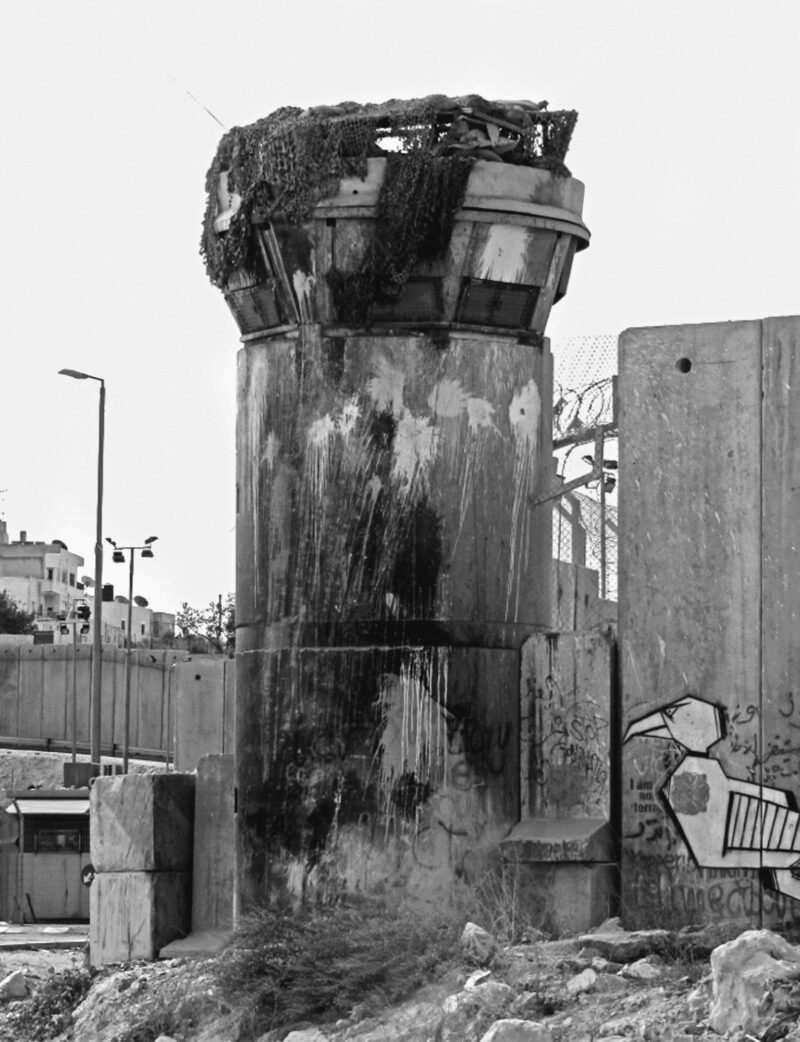
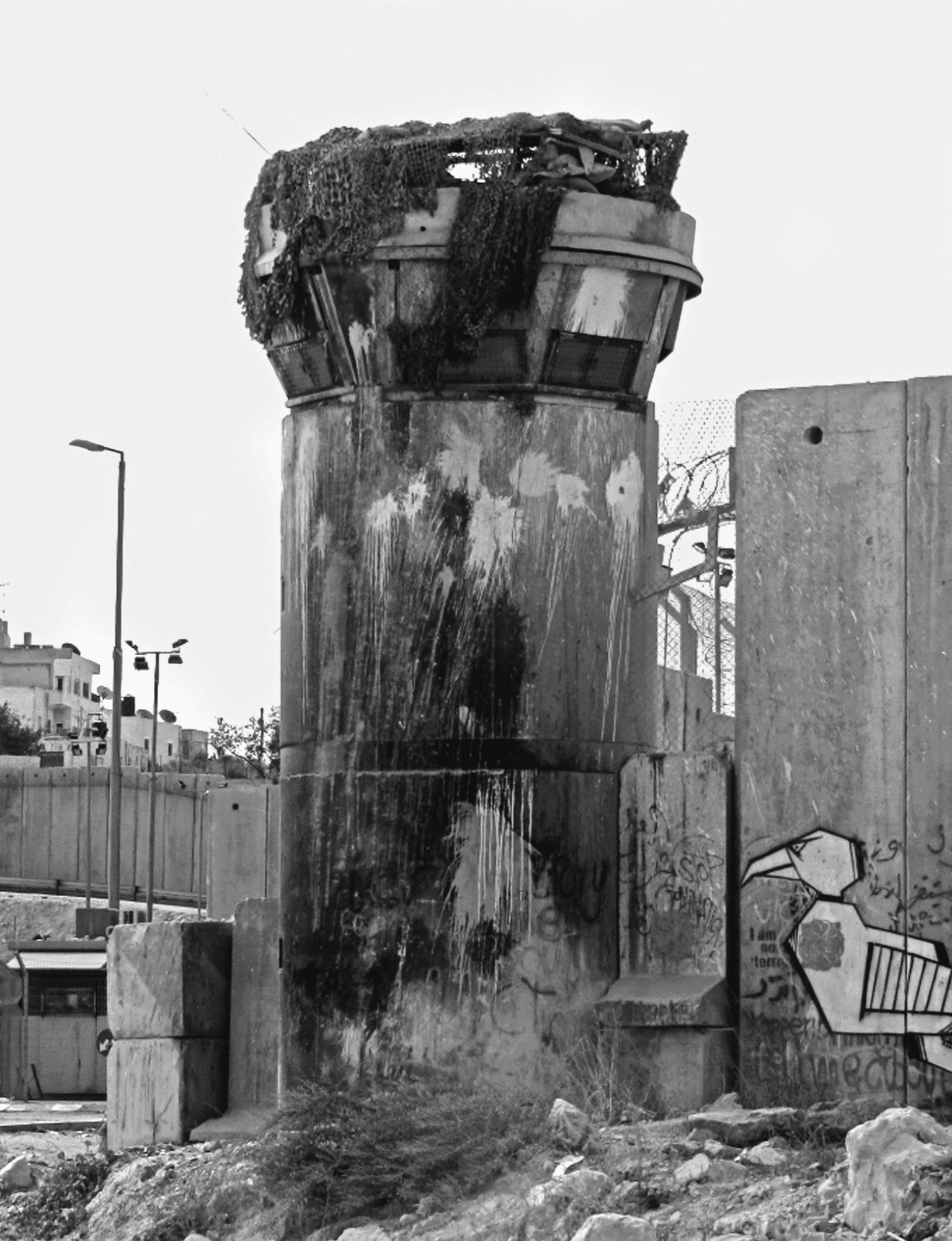
Taysir Batniji, Watchtowers, 2008, photographie noir et blanc / black-and-white photographs, tirages Lambda sur papier satiné / Lambda prints on satin paper, 40 × 50 cm chacun / each, permission / courtesy Sfeir-Semler Gallery (Hambourg / Beyrouth), photo : © Aurélien Mole, © Adagp, Paris, 2021
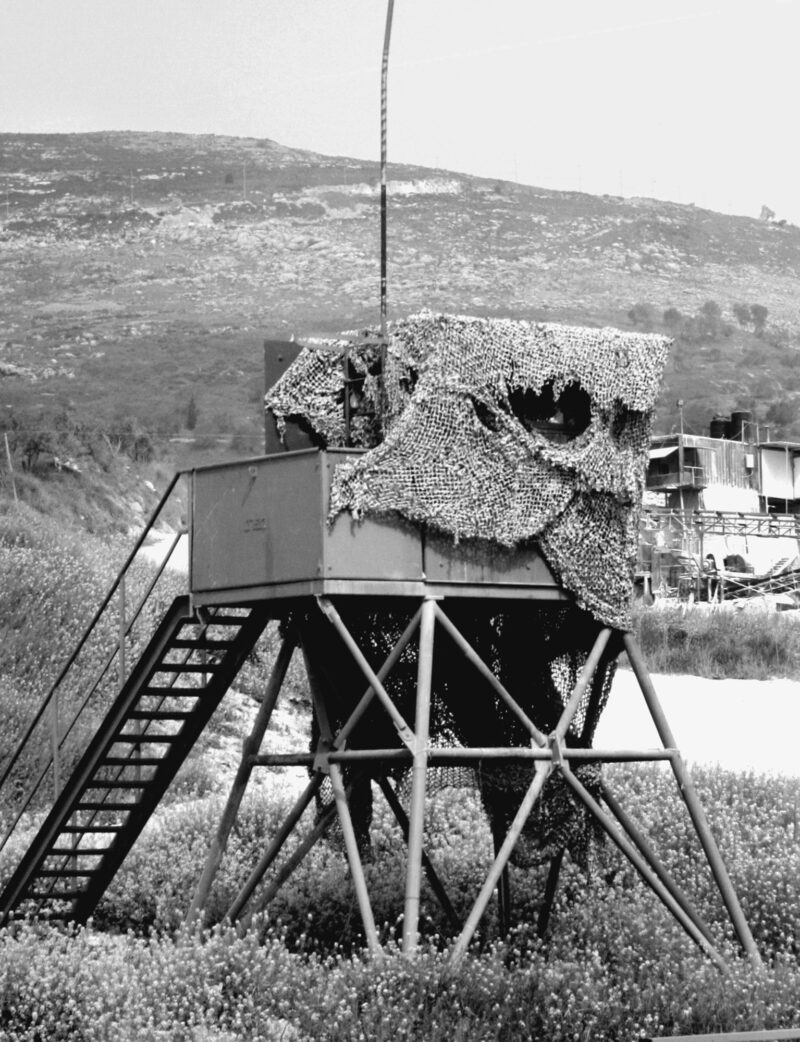
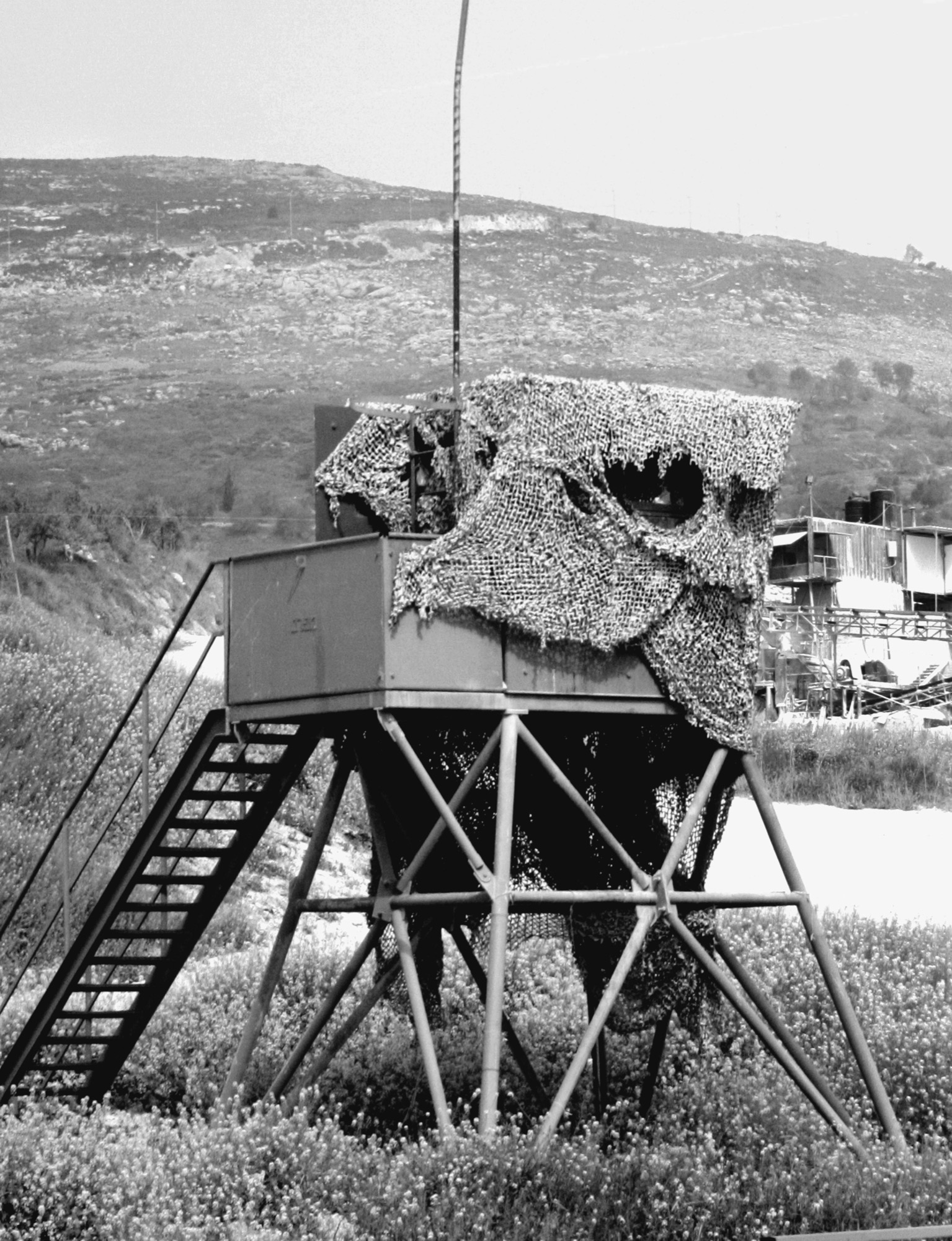
Taysir Batniji, Watchtowers, 2008, photographie noir et blanc / black-and-white photographs, tirages Lambda sur papier satiné / Lambda prints on satin paper, 40 × 50 cm chacun / each, permission / courtesy Sfeir-Semler Gallery (Hambourg / Beyrouth), photo : © Aurélien Mole, © Adagp, Paris, 2021
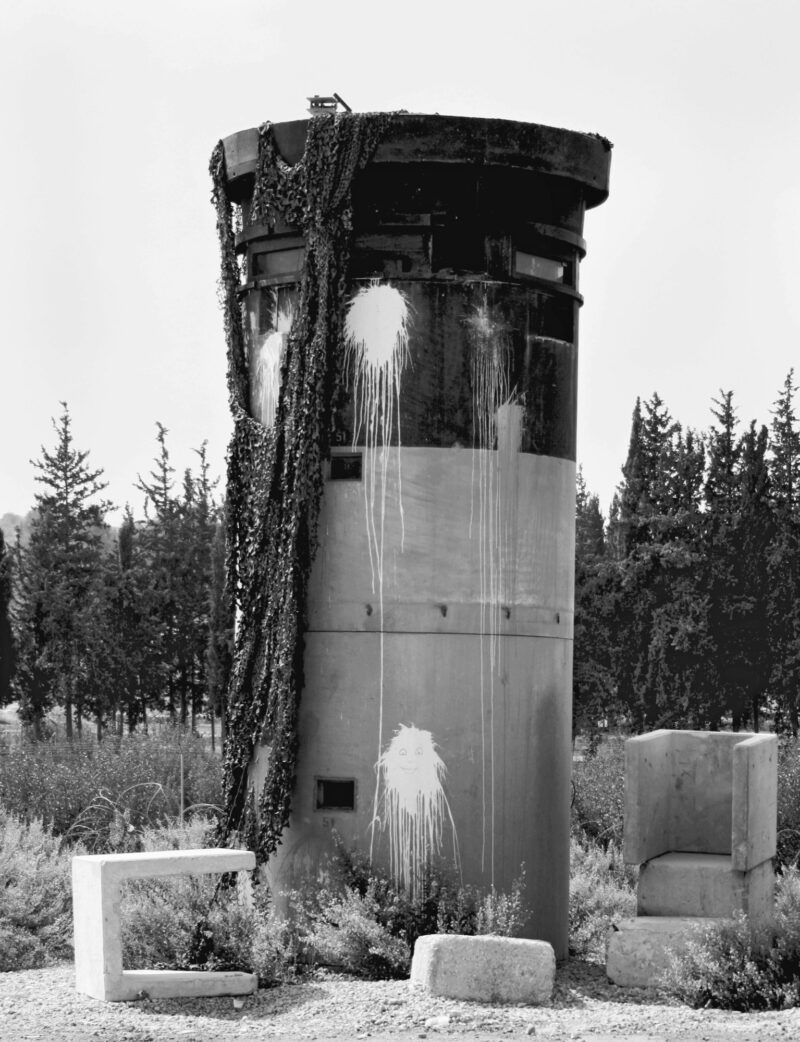
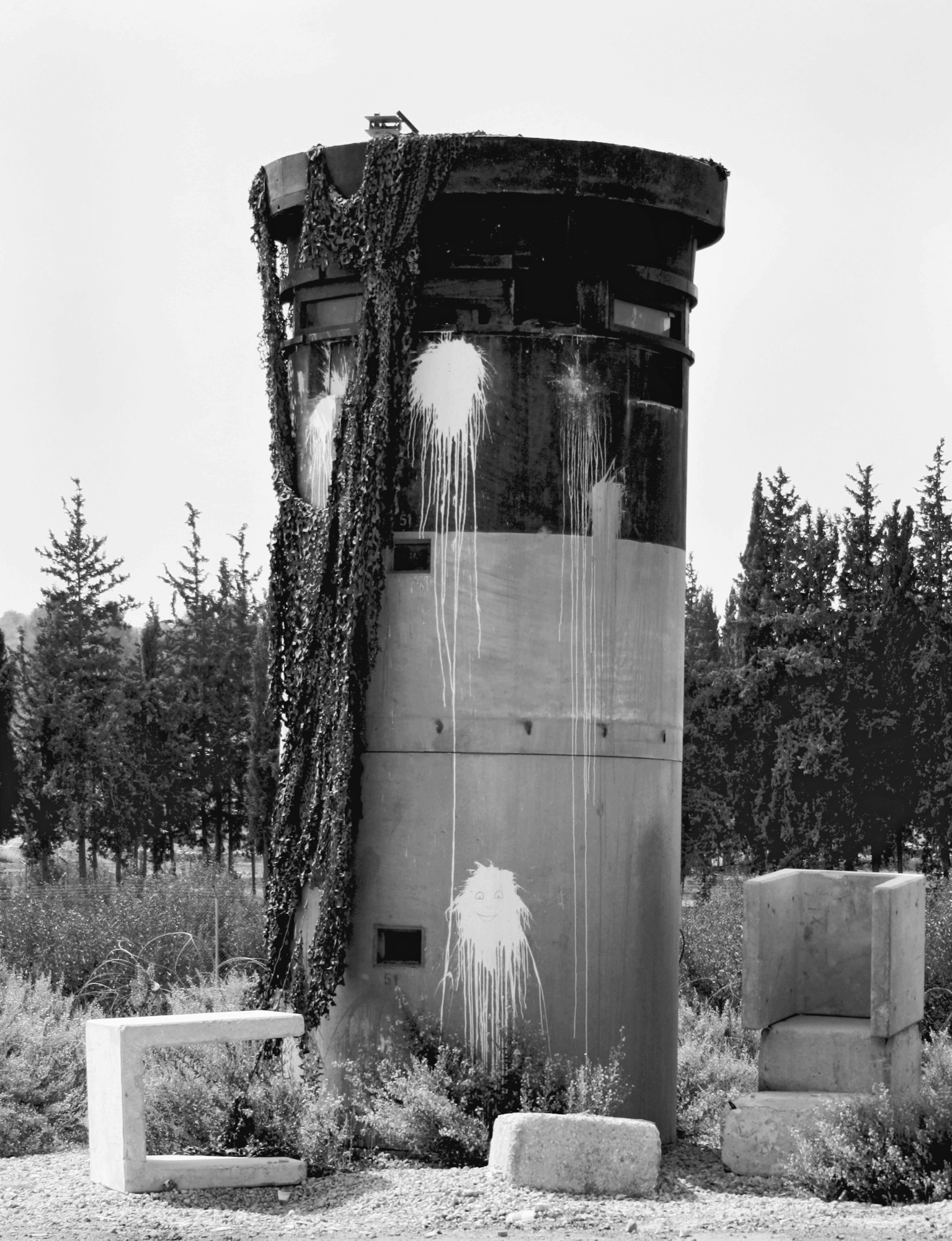
Taysir Batniji, Watchtowers, 2008, photographie noir et blanc / black-and-white photographs, tirages Lambda sur papier satiné / Lambda prints on satin paper, 40 × 50 cm chacun / each, permission / courtesy Sfeir-Semler Gallery (Hambourg / Beyrouth), photo : © Aurélien Mole, © Adagp, Paris, 2021
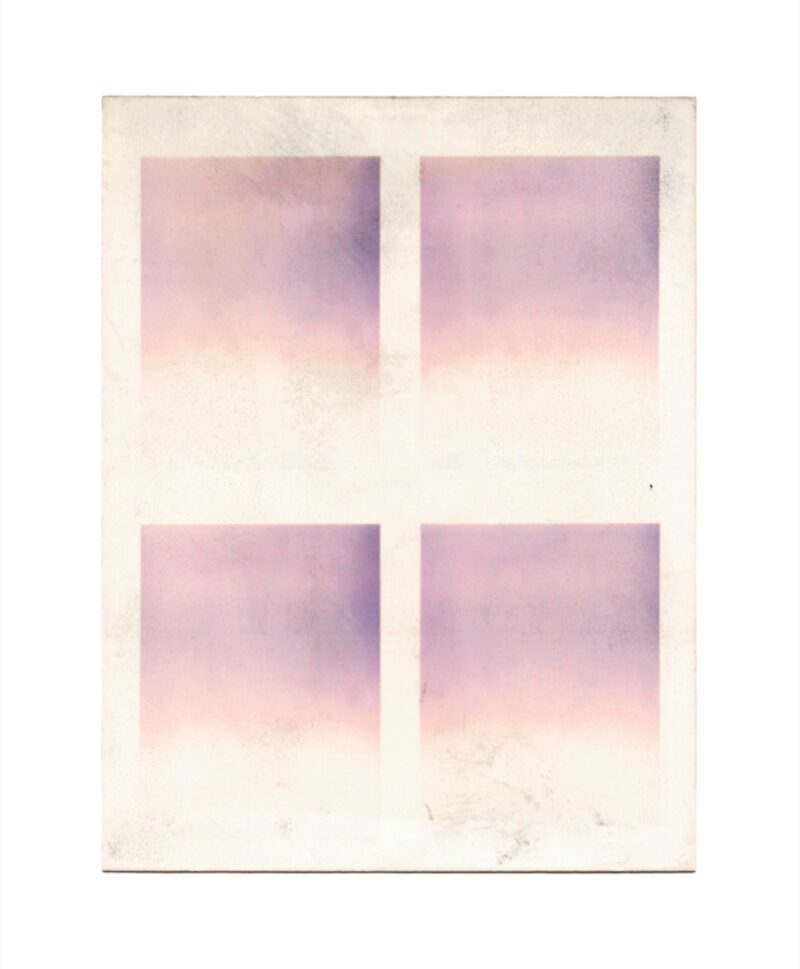
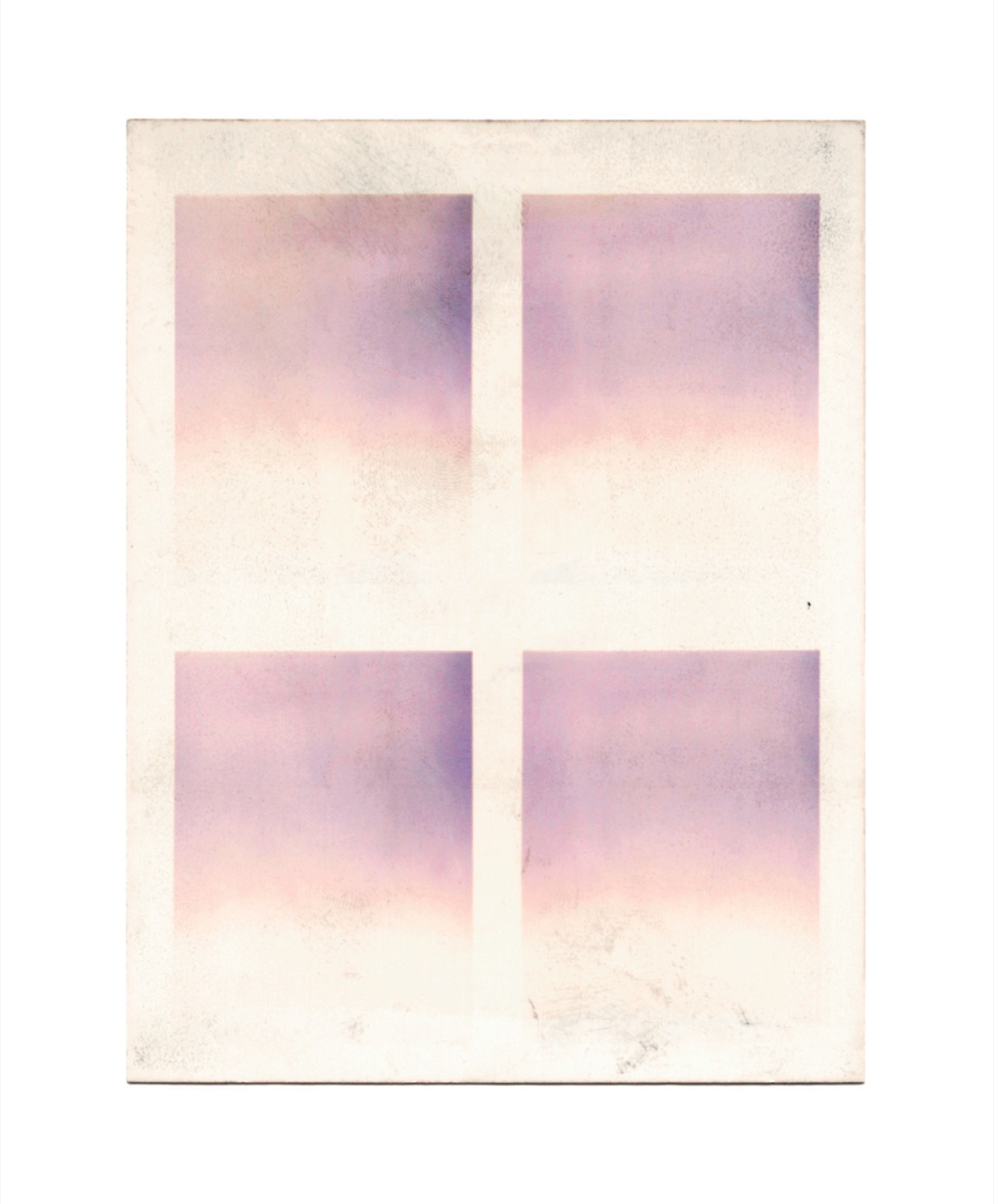
Taysir Batniji, Undefined #3, 2020, photomaton, impression couleur sur papier / colour print on paper, 12 × 9 cm, permission de / courtesy Taysir Batniji, Sfeir-Semler Gallery (Hambourg / Beyrouth) et / and Galerie Éric Dupont (Paris)
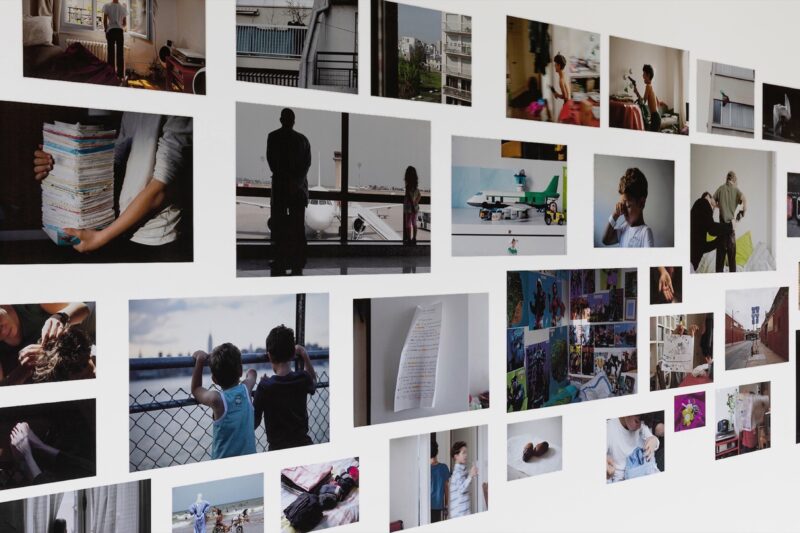
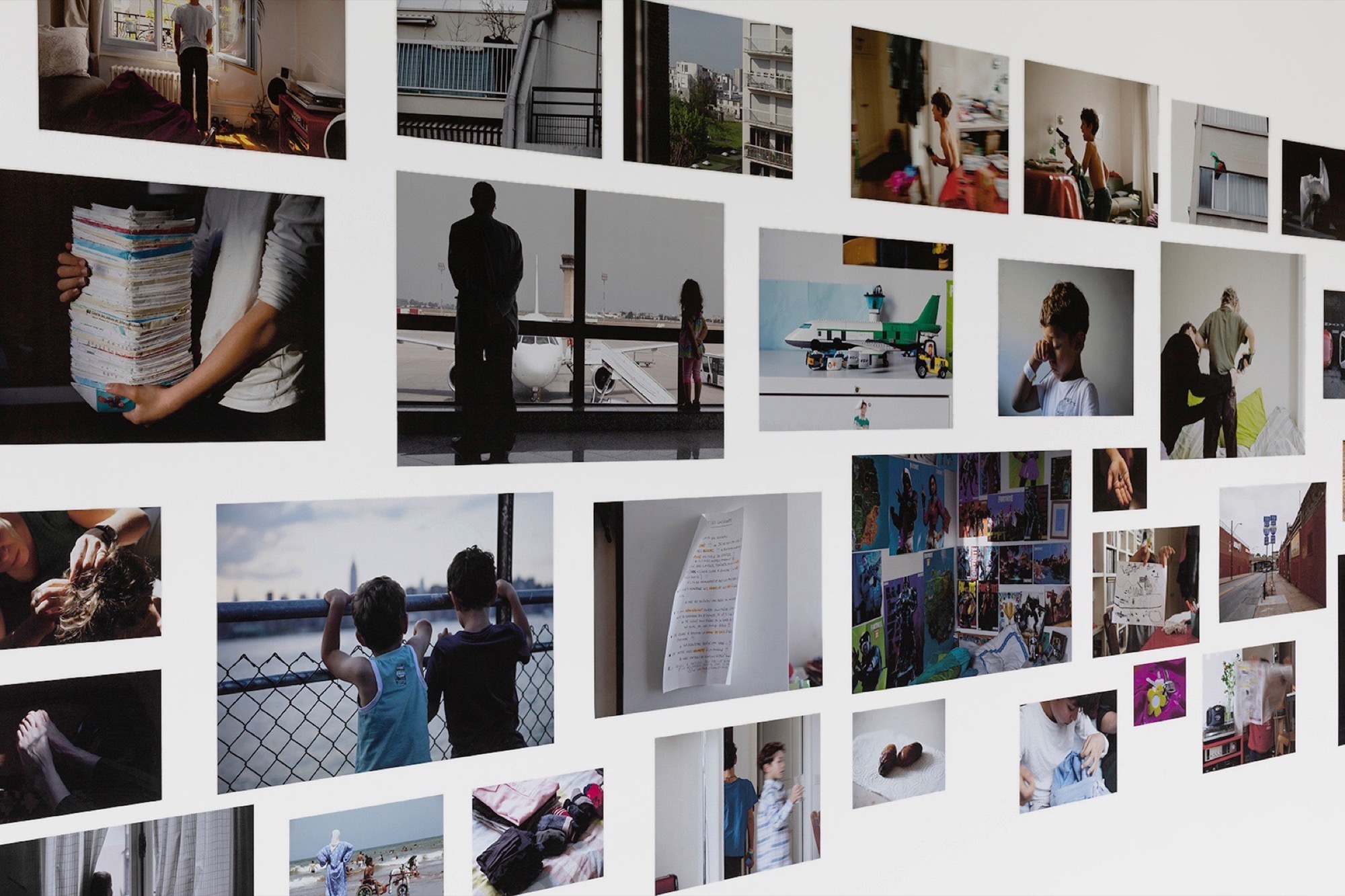
Taysir Batniji, Chez moi ailleurs (détail / detail), 2000 à aujourd’hui / ongoing, photo : © Aurélien Mole, © Adagp, Paris 2021


By Érika Nimis
MAC VAL Musée d’art contemporain du Val-de-Marne, Vitry-sur-Seine
6.06.2021 — 9.01.2022
The Musée d’art contemporain du Val-de-Marne devoted a solo exhibition to Taysir Batniji, retracing with rare coherence more than twenty-five years of his art career in some fifty works: paintings, drawings, photographs, videos, installations, performances. Born in Gaza in 1966, Batniji moved to Paris in 2007, when round trips between France (where he had developed his art career) and Palestine became difficult due to the blockade of the Gaza Strip.
The exhibition’s title is drawn from a quotation by Georges Perec (Espèces d’espaces, 1974; translated as Species Perec, who was a member of Oulipo, Batniji draws his materials from the infra-ordinary; playing with shapes and mixing genres, he composes a personal alphabet that subtly denounces hard realities.
Batniji takes inspiration from his experience of life, marked out by the hardships related to a Palestinian identity from which he cannot separate himself.
It embodies all of his work, which is traversed by questions of displacement, borders, and exile as much as disappearance, absence, memory. He stages fragility, or what remains of a person, an object, or an image. In his work, he constantly explores the ephemeral and the undefined (the word figures in the title of many of his works); one example is a botched photo-booth strip that he picked up from the ground in Paris in 2004 (Undefined #3, 2020), which, alone, synthesizes his career and his life.
Another constant in Batniji’s practice is that he summons art history to subtly lead viewers to decipher a body of work that documents the Israel–Palestine situation through “scraps,” never frontally. In Watchtowers (2008), for instance, he evokes the history of photography by “pastiching” the well-known series, taken over many years, documenting water towers by the German artists Bernd and Hilla Becher. Batniji’s series of twenty-six black-and-white photographs offers a typological inventory “à la Becher” (if I’m not mistaken), but the towers are, instead, Israeli guard towers that survey the borders of the West Bank. Unlike the Bechers’ carefully prepared views, the photographs are taken at a distance, hastily, from a moving vehicle; the images are blurry, pixelated, and reframed to approximate the Bechers’ style – all the while exposing, due to their poor quality, the tense climate in these military control zones.
In another genre, Disruptions (2015–17) presents a montage of eighty screen captures, methodically taken by Batniji in 2015 and 2016 during WhatsApp conversations with his family in Gaza. The uneven connection causes interference with the images, which are further disrupted because the Israeli army tampers with the network. “Interested by this formal phenomenon, and by the way the faces of my relatives and the streets of my neighborhood were transformed, I wanted to capture these moments. Photography has never been an end in itself for me. I like the way this type of project questions the medium.”
Batniji constantly engages the gaze of viewers. Sans titre (2001–14), a long strip of 175 black-on-black screened portraits, pays quiet tribute to Palestinian martyrs killed at the beginning of the second intifada. Their faces appear and disappear as the spectator interacts with the work and the changing reflections of the lighting. A counterpart to this “charcoal memorial” is the white-on-white memorial To My Brother (2012–20), evoking emptiness and absence, like a series of blank frames. We have to approach, enter a private relationship with the work, to discover on these white sheets the features of smiling faces, people sharing a festive moment: these drawings were patiently and delicately carved from photographs in the wedding album of Batniji’s brother, who was killed by the Israeli army in 1987, at the very start of the first intifada. In devoting this visual requiem to his brother twenty-five years after his death, Batniji sums up his reflection on the “subversive potential of intimacy as an agent of visual decolonization.” Departing from the “I” to delicately evoke a collective fate, Batniji’s work reveals the human dimension of the Palestinian tragedy. Translated by Käthe Roth
2 Elisa Ganivet, “On the Passage of Existence: An Interview with Taysir Batniji/Du passage de l’existence. Un entretien avec Taysir Batniji,” Borders in Globalization Review 3, no. 1 (Fall/Winter 2021): 108, https://doi.org/10.18357/bigr31202
120446.
3 Alessandra Amin, “‘A Treasury of Rays’: Finding a Winter Garden in Palestine,” Trans Asia Photography 9, no. 1, Family Photographs, Guest Edited by Deepali Dewan (Fall 2018), http://hdl.handle.net/2027/spo.7977573.0009.103.
Érika Nimis is a photographer, historian of Africa, and associate professor in the Art History Department at the Université du Québec à Montréal. She is the author of three books, including Photographes d’Afrique de l’Ouest. L’expérience yoruba (2005). She contributes to various magazines and founded, with Marian Nur Goni, a blog devoted to photography in Africa: fotota.hypotheses.org/.
[ Complete issue, in print and digital version, available here: Ciel variable 120 – FIGURES OF AFFIRMATION ]