
[Summer 2022]

Emmanuel Galland, « Mes Dates / Close Friends », 2021, impressions numériques / digital prints, photo : Laurence Magloire
Emmanuel Galland, « Mes Dates / Close Friends », 2021, impressions numériques / digital prints, photo : Laurence Magloire
Emmanuel Galland, « Mes Dates / Close Friends », 2021, impressions numériques / digital prints, photo : Laurence Magloire


By Sophie Bertrand
HANGAR 7826, Montréal
6.11.2021 — 28.11.2021
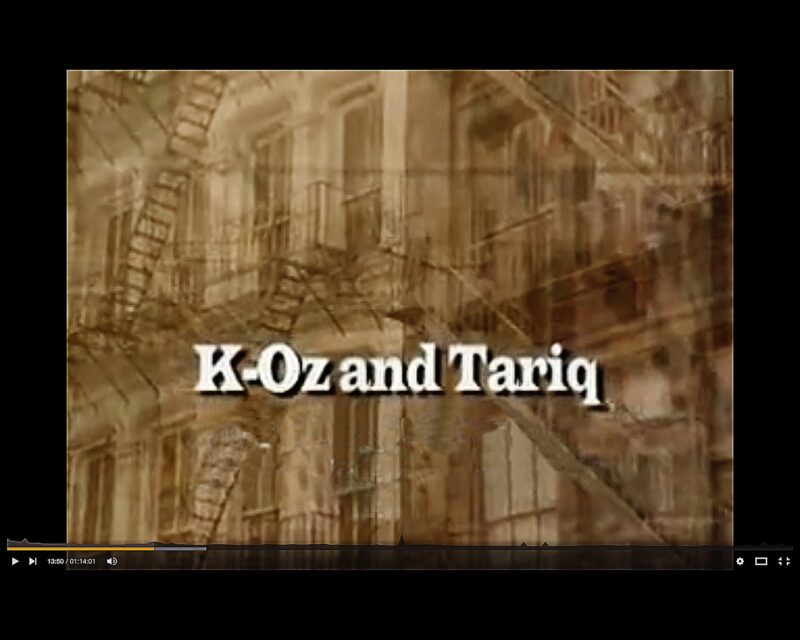
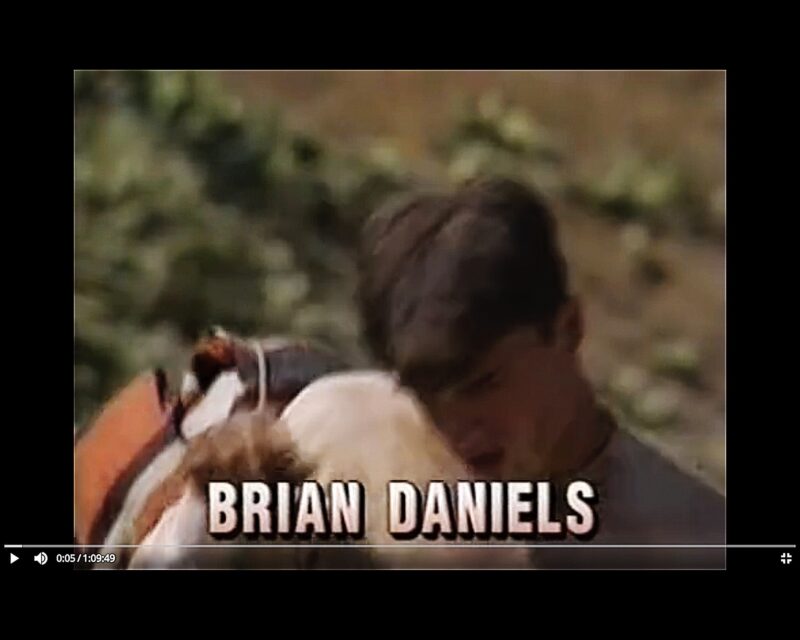
Max, Brad, Tyler, John, Diego, Erik. These disembodied names, crowded together on the walls of the small gallery HANGAR 7826, wordlessly welcome us to the most recent exhibition by Emmanuel Galland, « Mes Dates / Close Friends ». At first glance, the grouping seems to form a system of typological classification. When we look more closely, we notice the presence of a reading track at the bottom of each print. These are actually screen captures dynamically and spontaneously arranged, as if they were pinned on a bulletin board or tacked on the wall like Post-its. We get the impression of a laboratory in which randomly placed research items interact: on the one hand, these are word clouds set out in oscillating waves; on the other hand, a totemic conception illuminated by skylights. The light source forces us to raise our eyes to see the separate mezzanine, and invites us up a metal spiral staircase to follow the exhibition path and find a sample of framed works.
The contrast between the two levels is notable: on the ground floor, the overlapping of prints drowns the reading of the works – all names, all printed on a black background – and suggests the compulsion of viewing; on the upper level, the glass coverings on the few images presented define our attention and draw our gaze to the coupling of names, so we detect a human presence in the background. We notice that the installation in the space accommodates the rising architecture of the gallery. There are almost three hundred images, in different formats, on display, matching the proportions and sizes of tablet, cell phone, laptop, and monitor screens.
Galland has been working on this visual repertoire, recording screen captures from gay pornographic films, since 2018. Stopping on images of the credits, the prelude to a feature film, he retains only the pseudonyms of the actors who are about to perform. The font or the name’s “exoticism” allows free course for fantasy. Galland also has fun with the typological aesthetic, which may offer an indication of the effort made by the film production. In any case, this quantitative research reveals an inventory particular to film consumption that is still taboo, independent of the genre. While challenging the semantic function of these interchangeable identities, akin to virtual profiles, Galland creates a repertoire of anonymous people with whom he maintains a virtual relationship, which he uses here to offer them visibility.
Galland says that he was inspired by the Japanese conceptual artist On Kawara (1933–2014) and his Date Paintings (or Today series) produced over more than a half-century. Playing with the multiple meanings of the word “date” and the anglicism used in Quebec, Galland takes up the notion of temporality – evinced by his showing of the reading track – and imaginary geographic signposts – determined by the origins of the names. To do this, he makes use of the image and the act of viewing – through streaming platforms – recorded by the screen capture.
« Mes Dates / Close Friends » is fully inscribed in Galland’s protean art and curatorial practice. Photographing, installation performance, collection, and accumulation are all forms that he has used since the 1990s to explore the quest for identity, whether personal (Pharmacie, 1995; Dépôt(s), 1996; Répertoire, 1999), territorial (De Lafontaine à Racine en passant par Bossé et Talbot, 2008), or societal, as in this new body of work. He masterfully exploits the vast playing field available to him to study the subjectivity and variability of the notion of identity.
Galland began « Mes Dates / Close Friends » before the pandemic hit, but the project resonates even more strongly in the current context, in which bulimic intake of images and the internet has exploded. Already consumers of realities and friendships by proxy, today we use the screen, in all its forms, more than ever, as a professional tool, a means of connection and encounter, and an entertainment outlet. Having become indispensable to most of us, screens transform close human relationships into virtual, remote relationships, but they also help to fill the social distance that has been imposed upon us for two years. Translated by Käthe Roth
Photographer, critic, and independent curator Sophie Bertrand has been a regular contributor to Ciel variable since 2018. Her essays have also been published in Photosolution, ESSE, Ricochet, and L’Œil de la photographie, as well as in the book Une histoire des femmes photographes. A master’s student in museology at the Université du Québec à Montréal, she researches contemporary and documentary photography, heritage, and photographic collections.
[ Complete issue, in print and digital version, available here: Ciel variable 120 – FIGURES OF AFFIRMATION ]