
[Summer 2022]

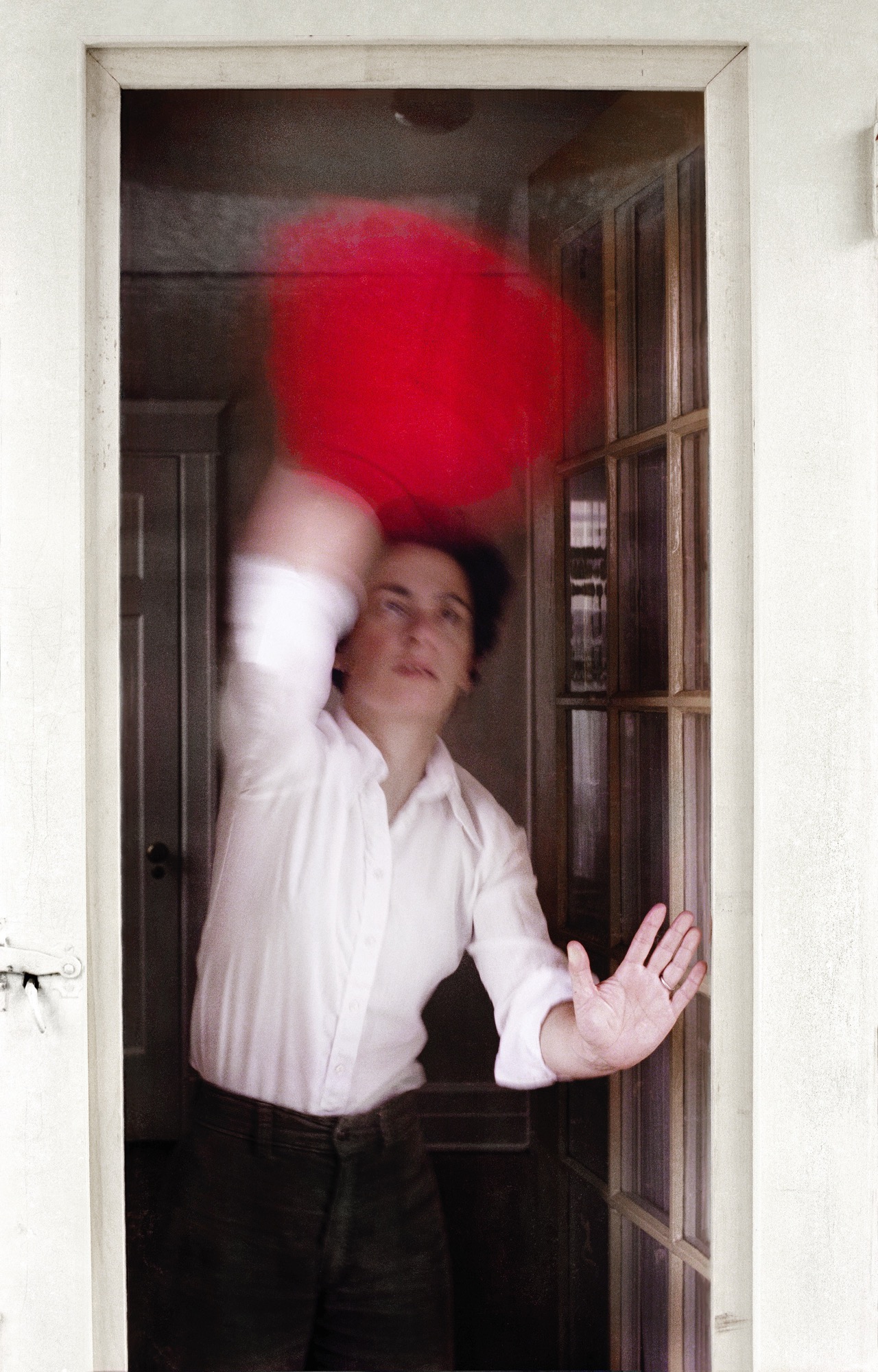
Le rite matinal, 1977 (2016), inkjet print / épreuve au jet d’encre, National Gallery of Canada collection / collection du Musée des beaux-arts du Canada
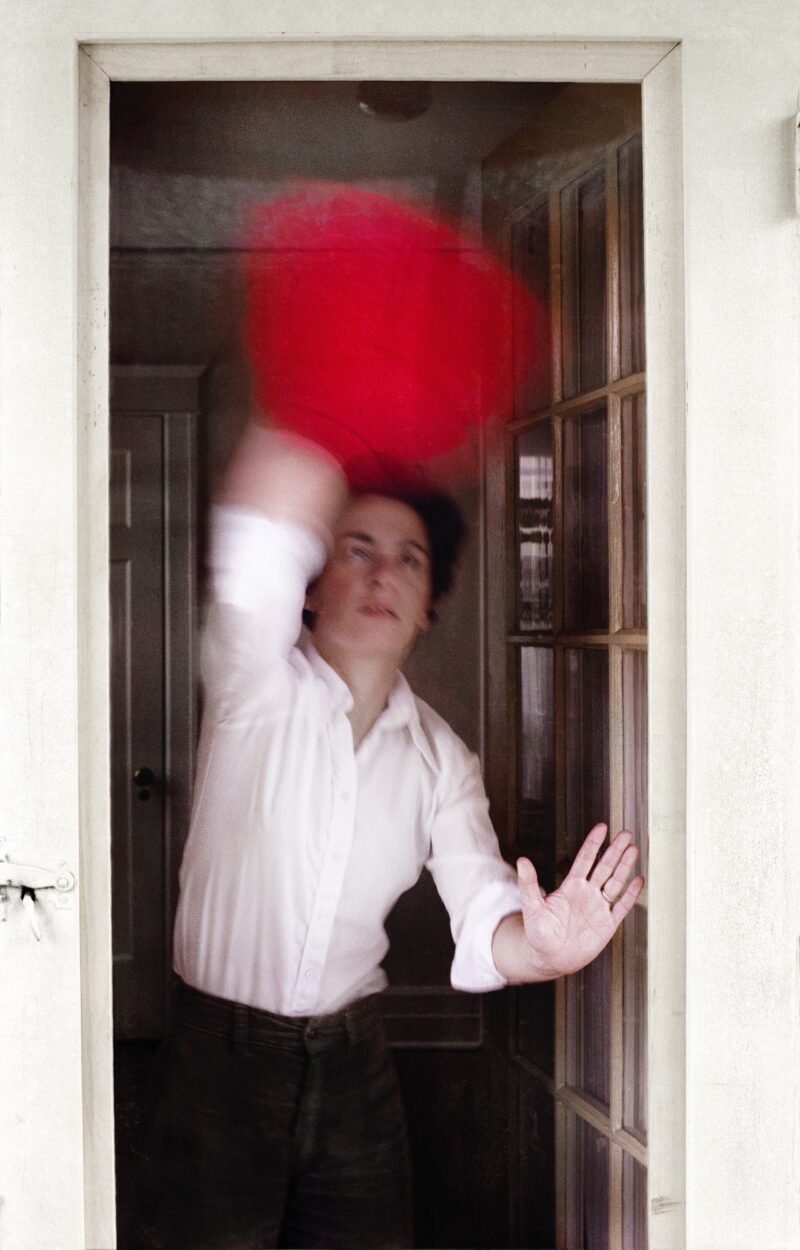
Sorel Cohen, The Shape of a Gesture (detail / détail), 1978, chromogenic prints / épreuves à développement chromogène
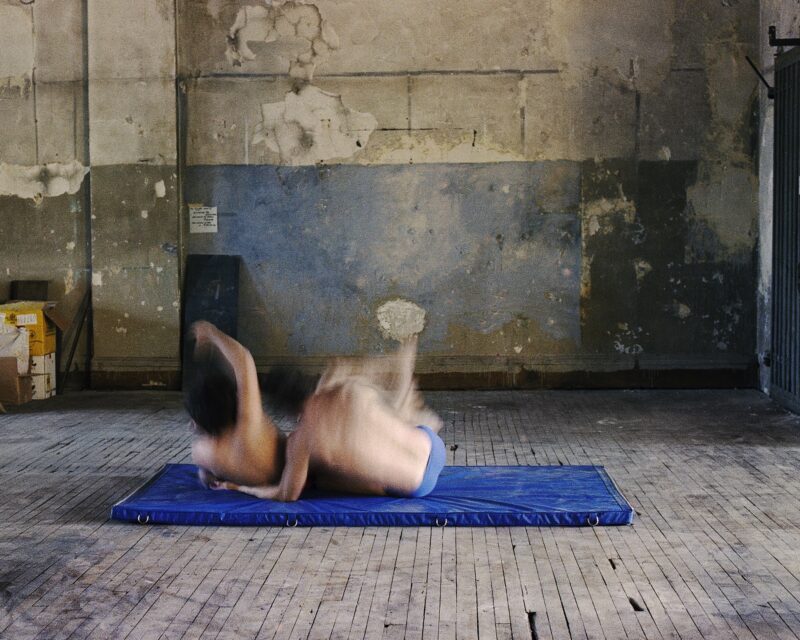
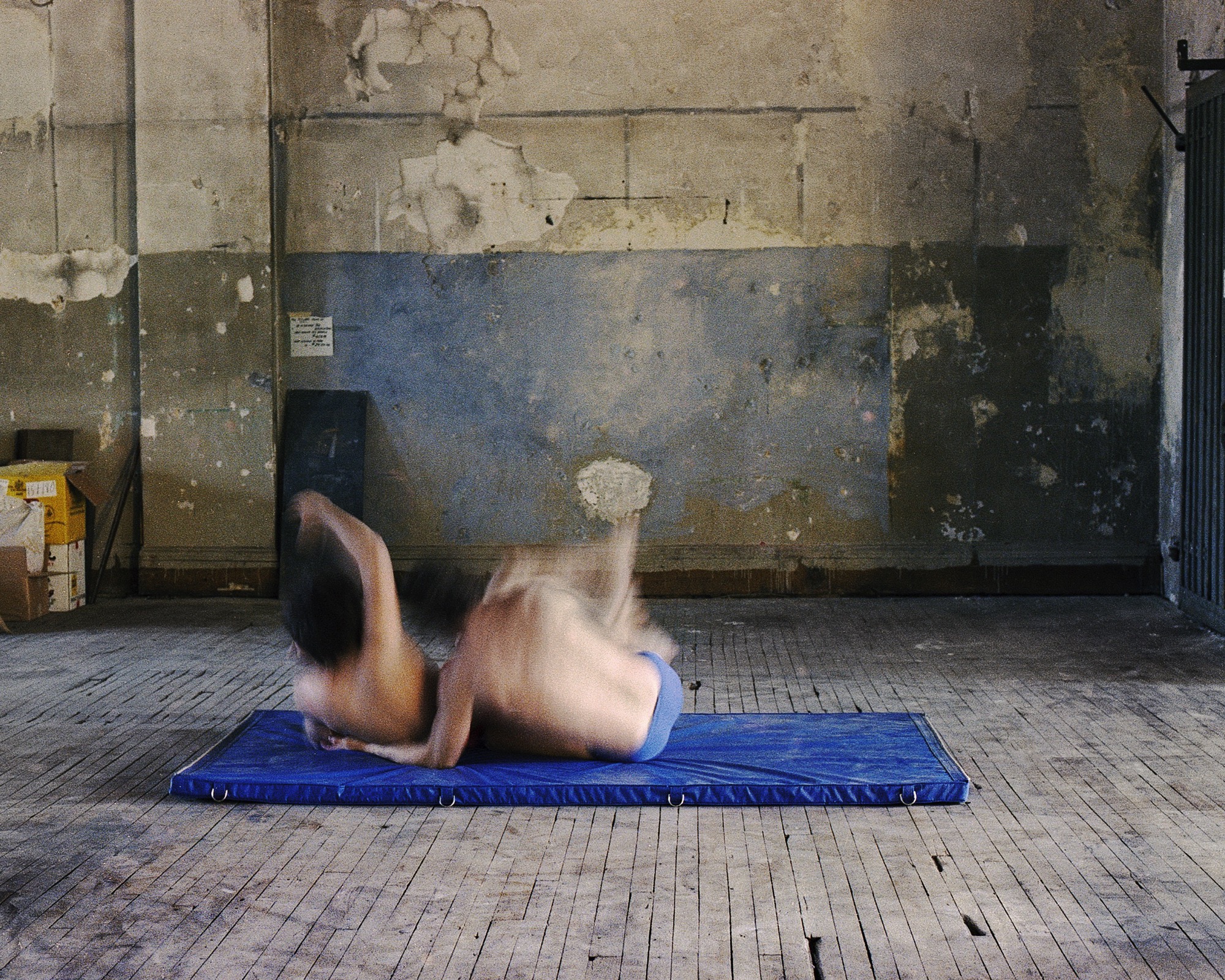
After Bacon / Muybridge, 1979 (2019), 9 chromogenic prints / épreuves à développement chromogène, National Gallery of Canada collection / collection du Musée des beaux-arts du Canada


By Johanne Sloan
VOX – Centre de l’image contemporaine, Montréal
18.11.2021 — 19.02.2022
The wit, energy, and experimental spirit of Sorel Cohen’s work is as inspiring as ever in an exhibition at VOX, which brings together selected pieces from the 1970s to the 2000s. Cohen’s art practice flourished at the intersection of conceptual art, performance, and photography, with a recurring feminist angle – all of which resonates with the concerns of contemporary artists. The exhibition is part of VOX’s sustained commitment to researching and representing Montreal’s art-historical past, with an emphasis on important conceptual art episodes. The gallery must be commended for this important work, which, in an ideal world, would be also undertaken by the city’s museums.
The first room of the exhibition begins, unexpectedly, with soft sculptures: a handmade floppy fabric grid is suspended in the middle of the room. On an adjacent wall, the curators, Marie-Josée Jean and Claudine Roger, made the smart decision to enlarge the photo-montage that Cohen made as a proposal for Corridart, the 1976 outdoor exhibition torn down by the city’s mayor just before the Montreal Olympic Games opened. A bright-red version of the textile grid would have been hung along Sherbrooke Street. This material jumpstart to the exhibition stays with us as we move on to encounter Cohen’s better-known photographic work. In fact, textiles and fabric appear repeatedly in Cohen’s photographs, in which apparently ordinary pieces of cloth are endowed with movement and agency. Le rite matinal (1977), The shape of a gesture (1979), and other works feature fabric that flutters, arches, reaches, and floats, sometimes dematerializing under the camera’s gaze. What results is a dialectical push-pull between the materiality of cloth and the photographic events staged by Cohen. Thirty years later, the preoccupation with fabric is still evident in the photographs of psychoanalysts’ offices in Divan Dolorosa (2008). Here are the material circumstances under which psychic work begins – as the subject leans up against a brocade-covered couch or velvet cushion, or stretches out a hand to feel a richly textured textile.
The title of the exhibition is Conceptual Metaphors, and there can be no doubt of Cohen’s strong affinity with conceptual art. We witness her performing actions according to a set of predetermined instructions; there is the production of sequences and series. Another key conceptual trope is the emphasis on the everyday, a recognition that art can be embedded in the mundane, repetitive activities of daily life. Of course, when Cohen turned her attention to the early-morning task of making a bed, the end result was a transformation of that everday chore. What do the photographs reveal? The gesturing woman and dramatically swirling bedsheets appear to be conjoined through a ritualistic practice.
It’s strange to be looking at these artworks in 2022, two years into a pandemic that has locked so many people into their homes. From today’s perspective, the works seem to address a person’s profound synthesis with the rooms and furnishings of her domestic environment. Those everyday tactile encounters can be regarded as a form of embodied knowledge. It is also worth comparing Cohen’s appropriation of daily routine with that of the Japanese conceptual artist On Kawara, known for his I got up project (1968–79). Throughout this period, Kawara sent friends and art-world colleagues postcards stamped with the date, the words “I got up,” and the exact time. It can be said that both artists seized hold of the first deliberate actions of the day, those that follow the resumption of consciousness as one rises from sleep. Cohen’s work differs in its reference to gender-specific domestic labour, but both artists are concerned with temporality and the gestures that punctuate daily life.
Cohen’s exploration of gesture and movement exceeded that initial bond with conceptual art, especially when she set out to engage with artists and visual paradigms from the art-historical archive. Whether confronting the paintings of Edgar Degas in works such as Cold Harbour, No. 1 and Cold Harbour, No. 2 (1993) or the photographs produced by the nineteenth-century polymath Eadweard Muybridge, Cohen’s work interrogates the body-in-movement by getting inside those borrowed images, as it were. The interlocked male bodies in After Bacon/Muybridge (1980) and the Muybridge-related female figure who leaps through the air in The Camera Can Obliterate the Reality It Records (1978) no longer seem trapped by photography’s frozen moment, though. In Cohen’s transformative vision, these gesturing bodies occupy space with verve and a new kind of eloquence that creates a bridge between past and present.
Johanne Sloan is a professor in the Department of Art History at Concordia University. She is currently teaching a course about Montreal art and visual
culture since the 1960s.
[ Complete issue, in print and digital version, available here: Ciel variable 120 – FIGURES OF AFFIRMATION ]