
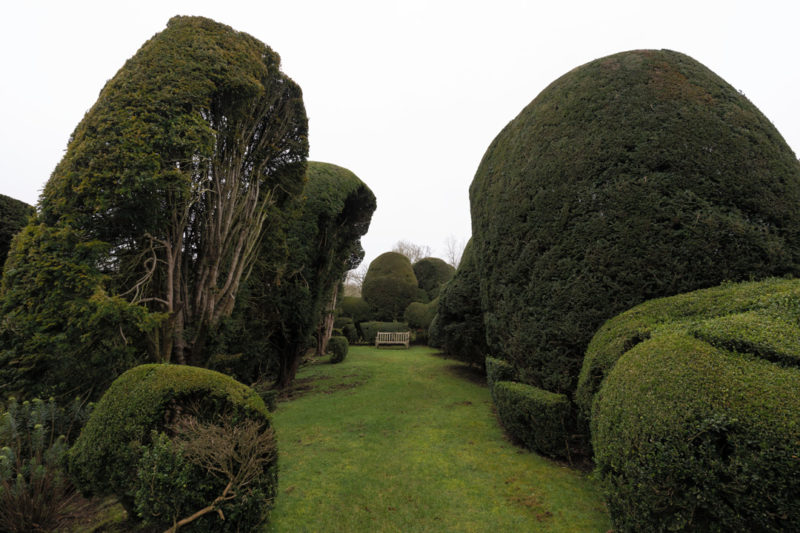
Geneviève Chevalier, Mirement/La ménagerie (détail/detail), images numériques / digital images, 2021
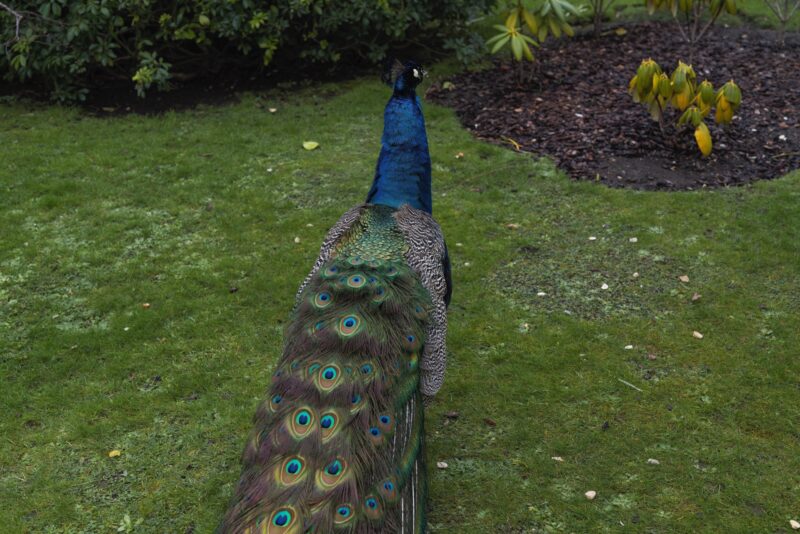
Geneviève Chevalier, Mirement/La ménagerie images numériques / digital images, 2021
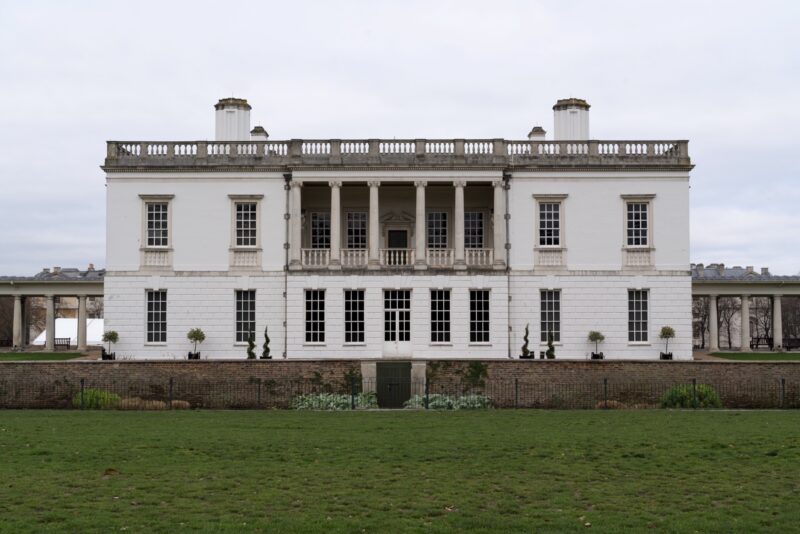
Geneviève Chevalier, Mirement/La ménagerie images numériques / digital images, 2021
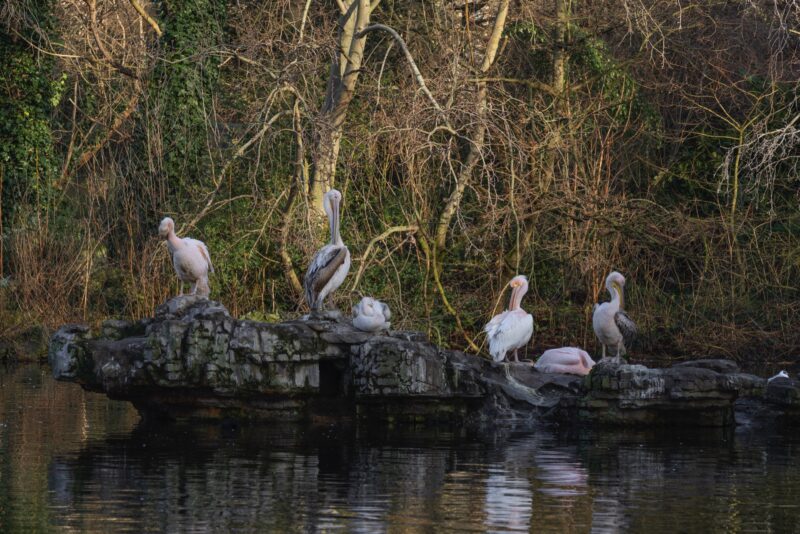
Geneviève Chevalier, Mirement/La ménagerie images numériques / digital images, 2021
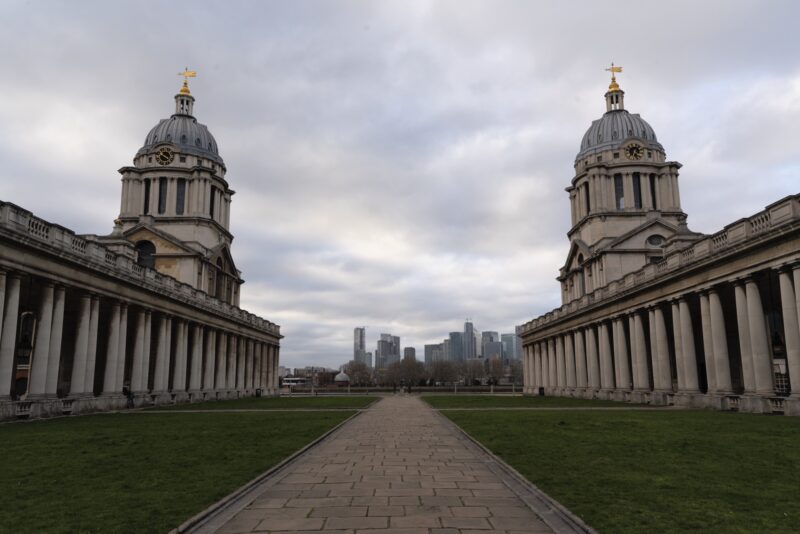
Geneviève Chevalier, Mirement/La ménagerie images numériques / digital images, 2021
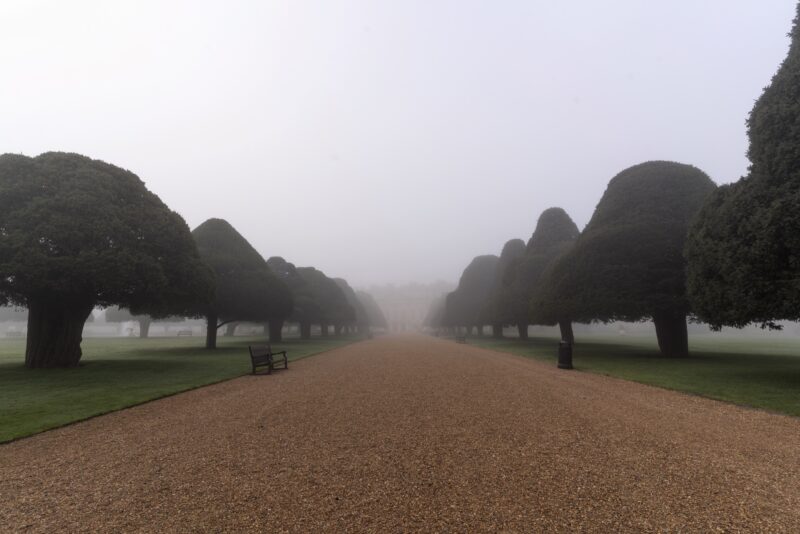
Geneviève Chevalier, Mirement/La ménagerie images numériques / digital images, 2021
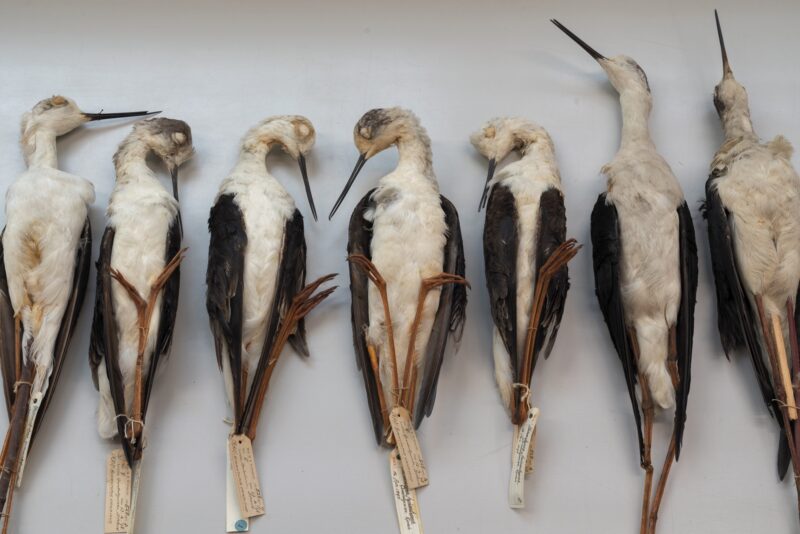
Geneviève Chevalier, Mirement/La ménagerie images numériques / digital images, 2021
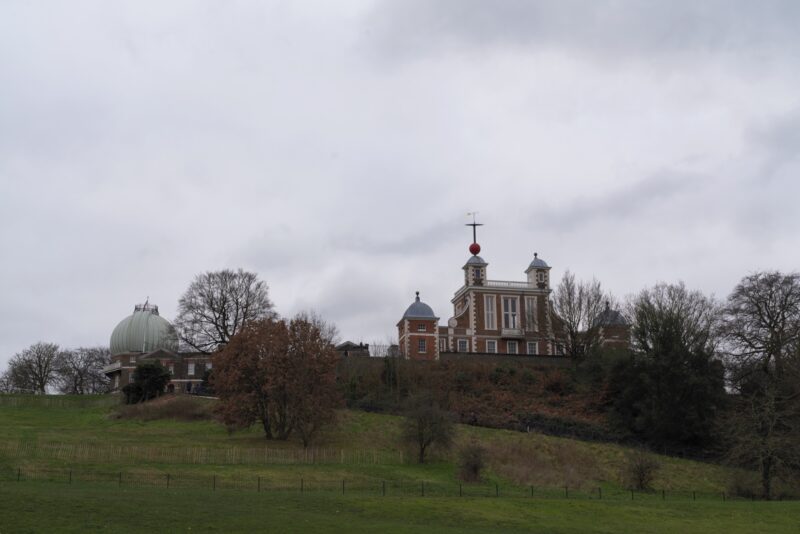
Geneviève Chevalier, Mirement/La ménagerie images numériques / digital images, 2021
Geneviève Chevalier, Mirement/La ménagerie images numériques / digital images, 2021
[Winter 2022]
Arranging the Living
by Sylvain Campeau
Over the last few years, artist Geneviève Chevalier has become interested in places and methods of classification used in the natural sciences to inventory and analyze flora and fauna. Menageries were, in a way, the ancestors of museums. They contained both collections and live exotic animals, but as an enterprise they represented the colonizing nations’ domination over nature and over the Indigenous nations encountered by their explorers. Herbariums, meanwhile, were no doubt born of the initiative of herbalists who were beginning to think scientifically. Amateurs, and then specialists, impelled by an urge for discovery and categorization, used – and still use – these collection and conservation methods to build an enlightened typology of living things, materials to be controlled by harvesting, by classification – and by images.
To begin with, expectations, probably based on past undertakings, will be utterly unmet here. There will be no vigorously denunciatory or reparative illustrations. This is not about the relationship that artists might have maintained with the photographic captures of Professor Jean-Martin Charcot, who wished to analyze and, eventually, cure hysteria in the nineteenth century. This is a different world, with subtler accents and intentions that are less categorical and more nuanced. Nevertheless, such scientifically oriented efforts can indirectly feed current attempts at knowledge acquisition.
As evidence, Chevalier designed a three-part exhibition.1 A work involving three projections, with a total duration of about twenty minutes, is the first to catch the visitor’s attention. The projections aren’t continuous, and their respective windows don’t always open at the same time. In a smaller space, two other stations invite us to take our place and don earphones and viewing helmet to watch a projection and an immersive work. These two works have some elements in common.
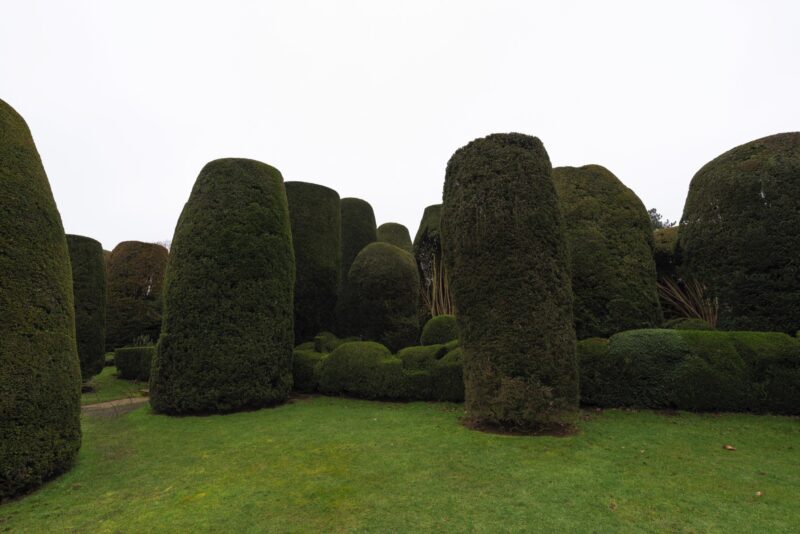
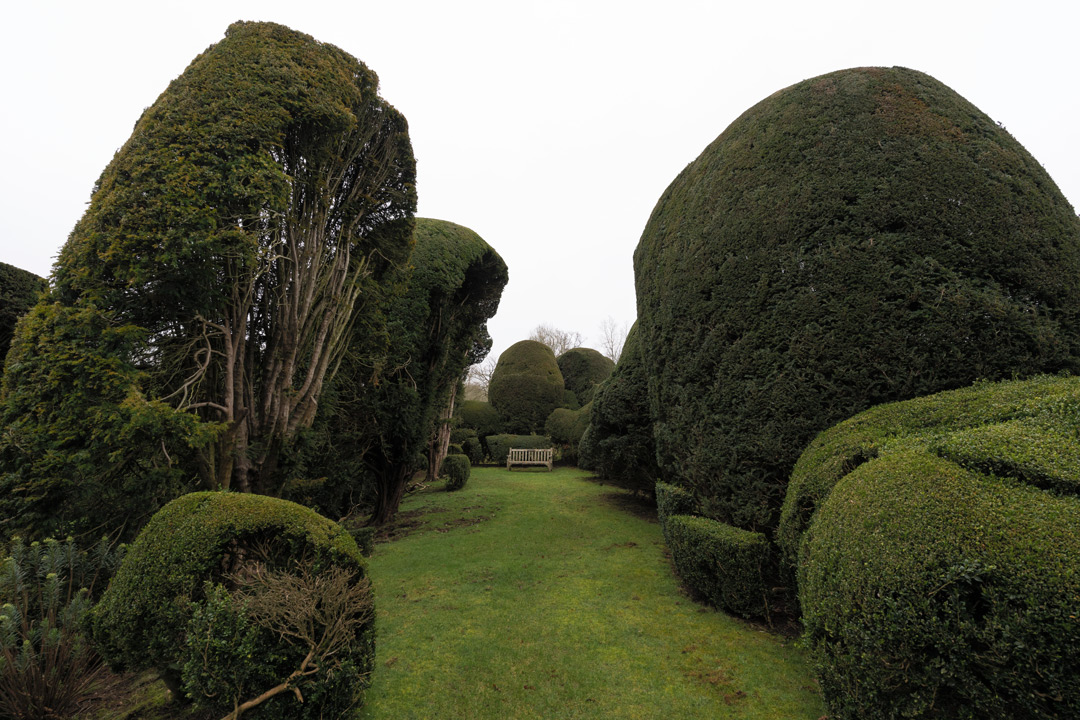
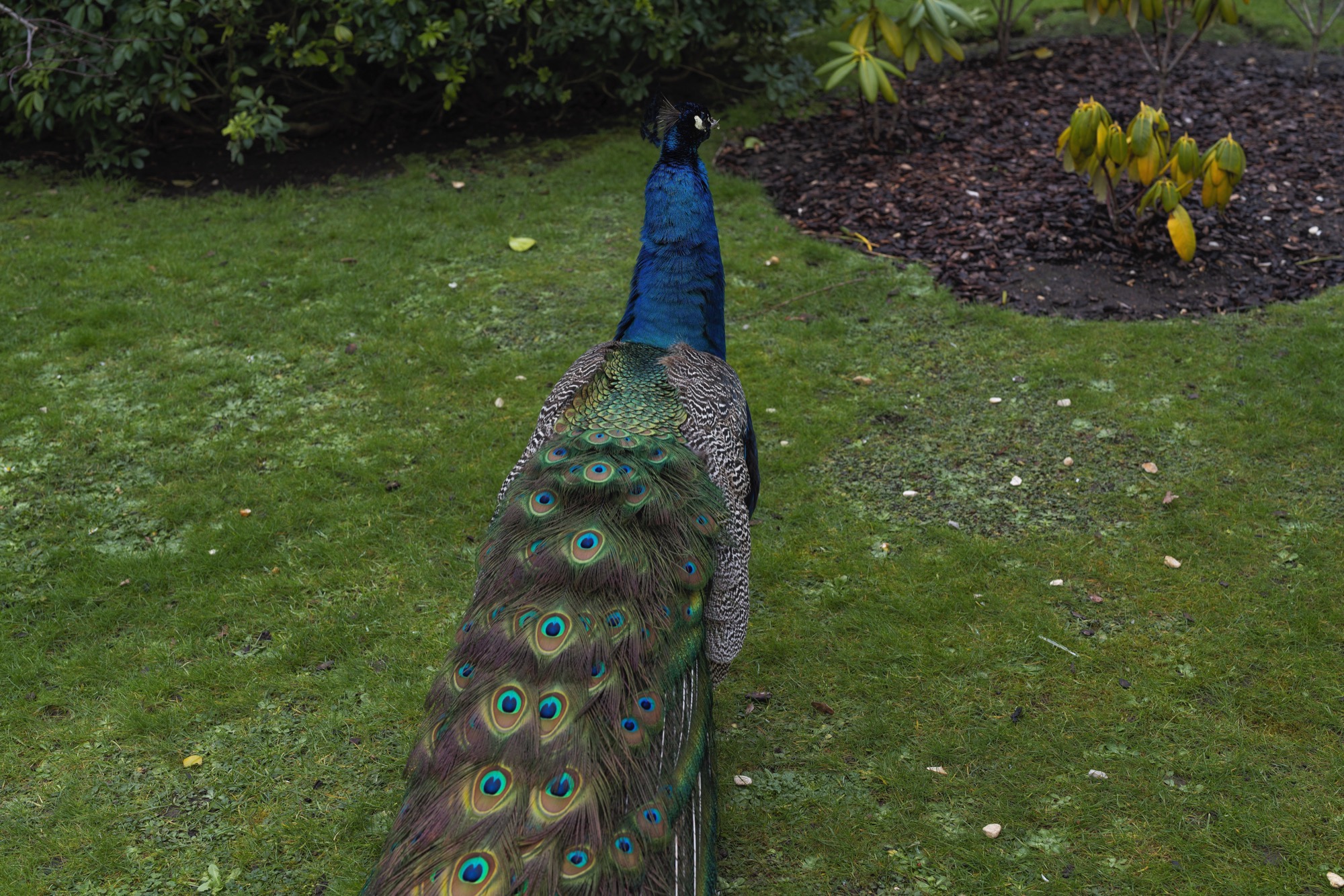
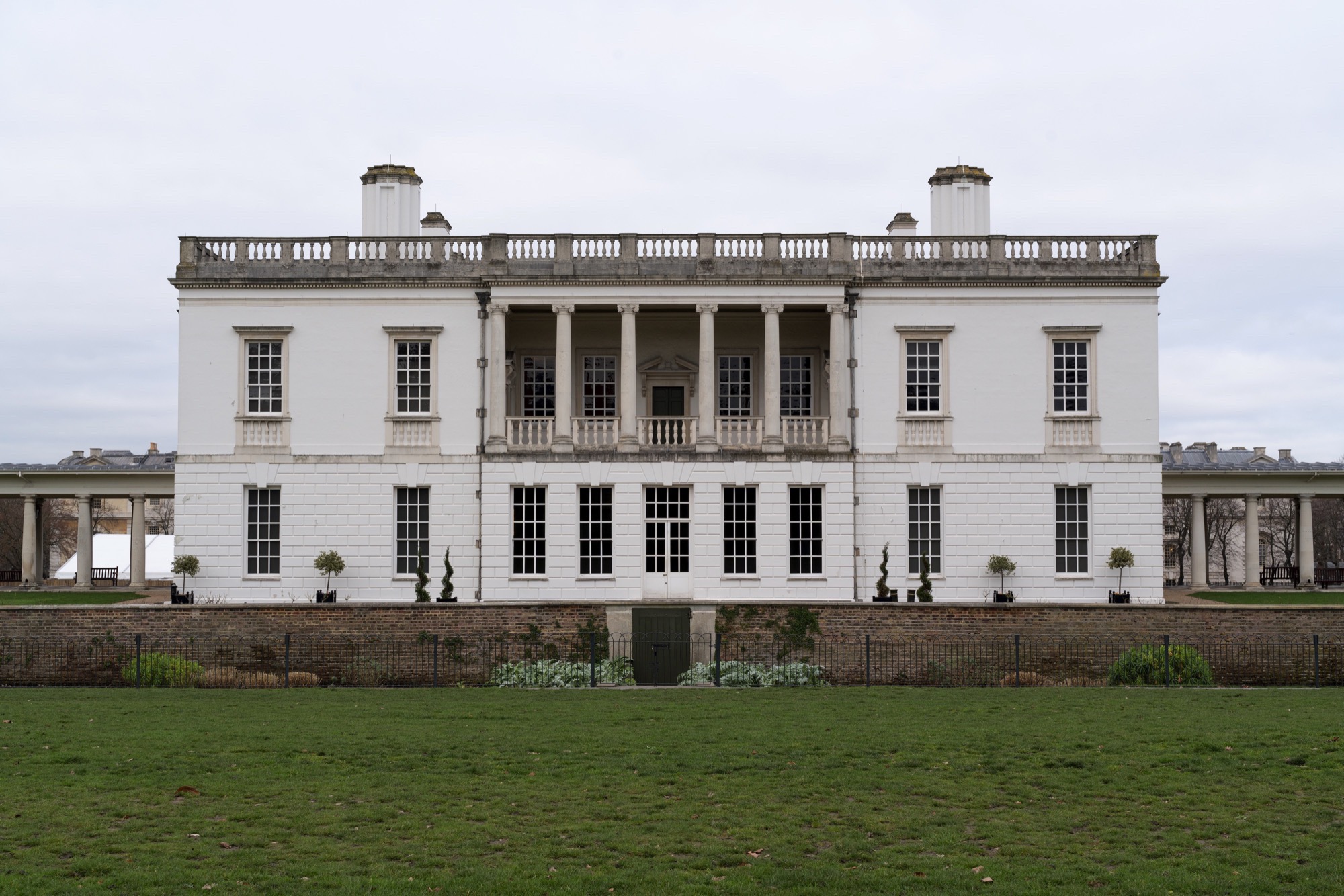
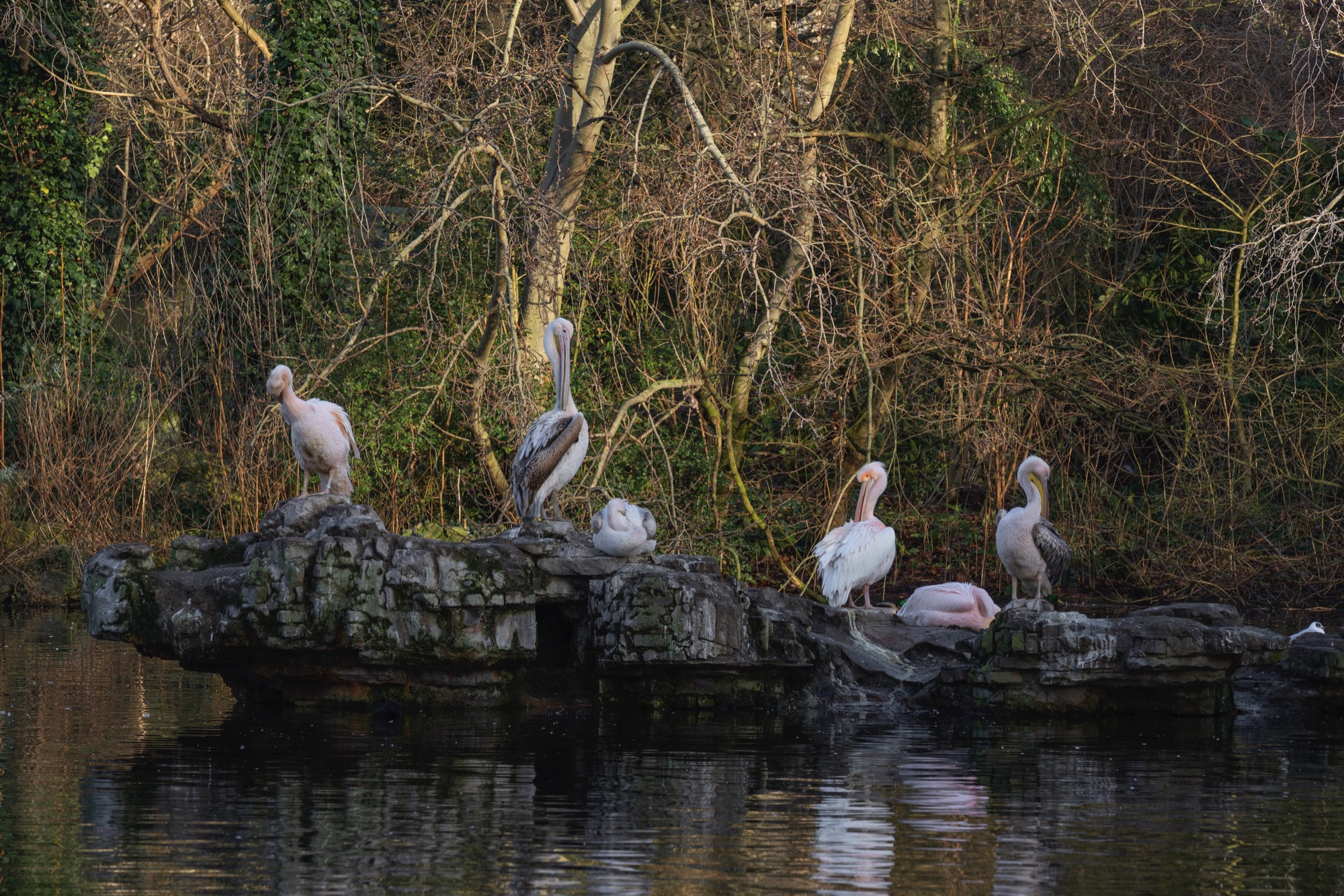
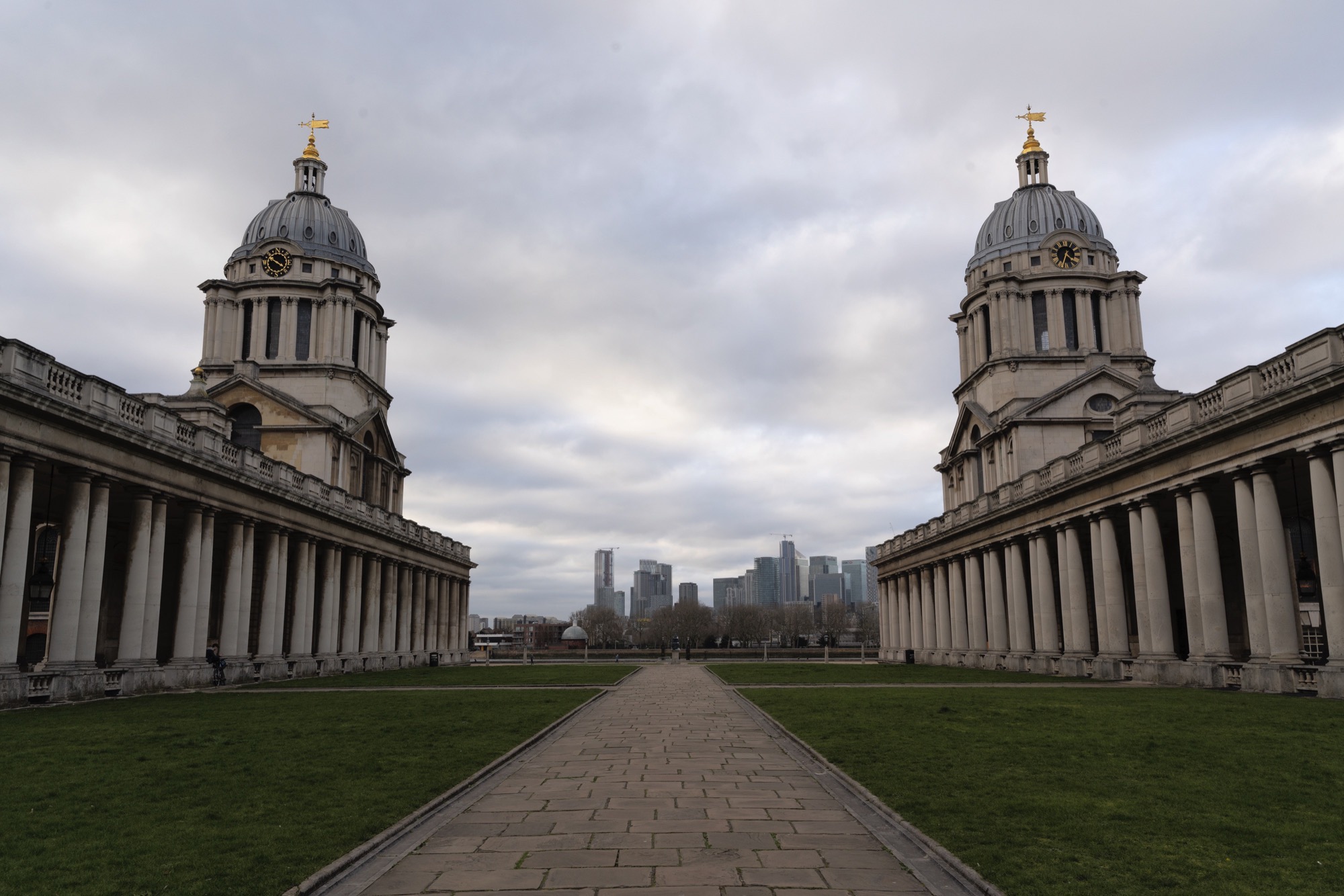
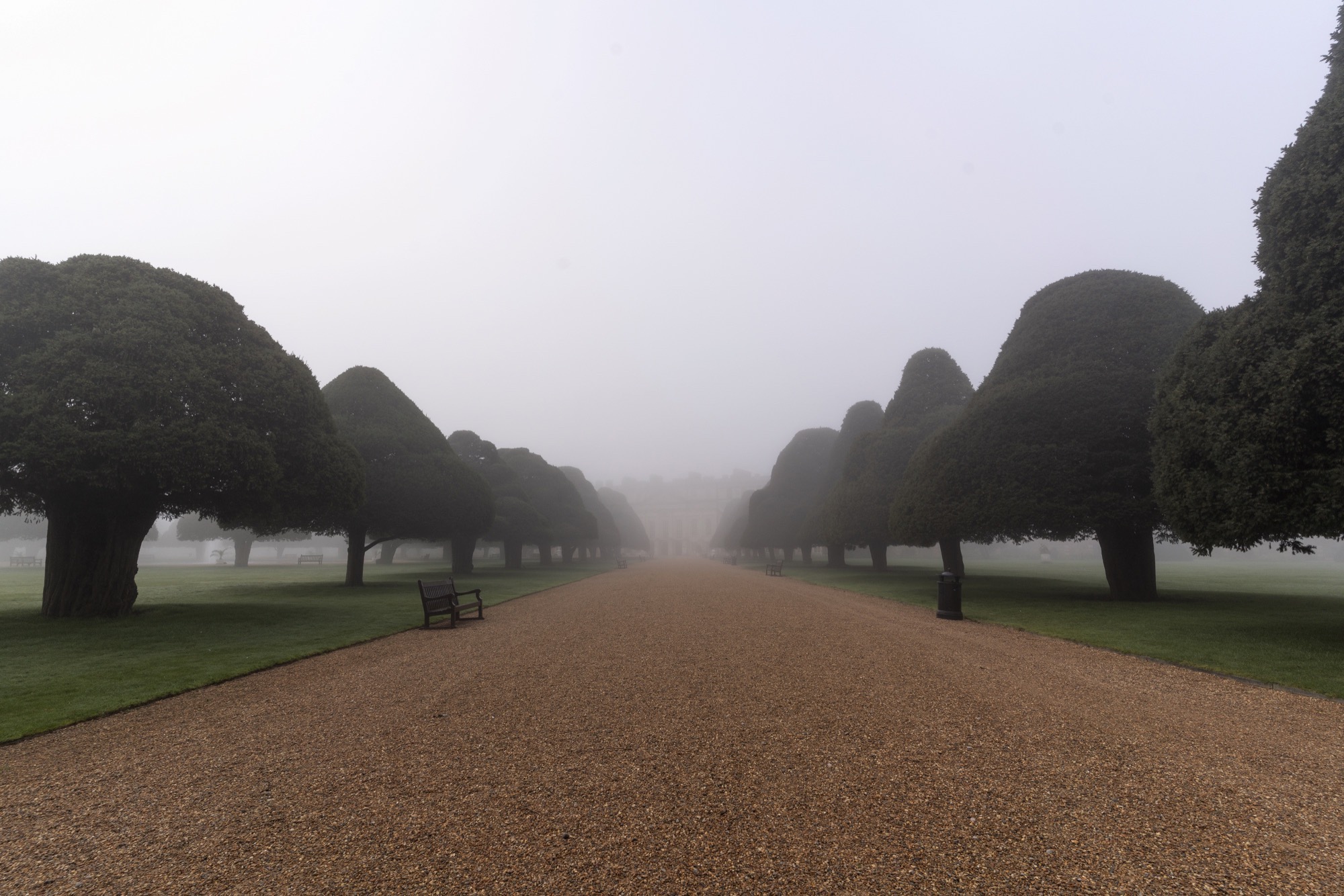
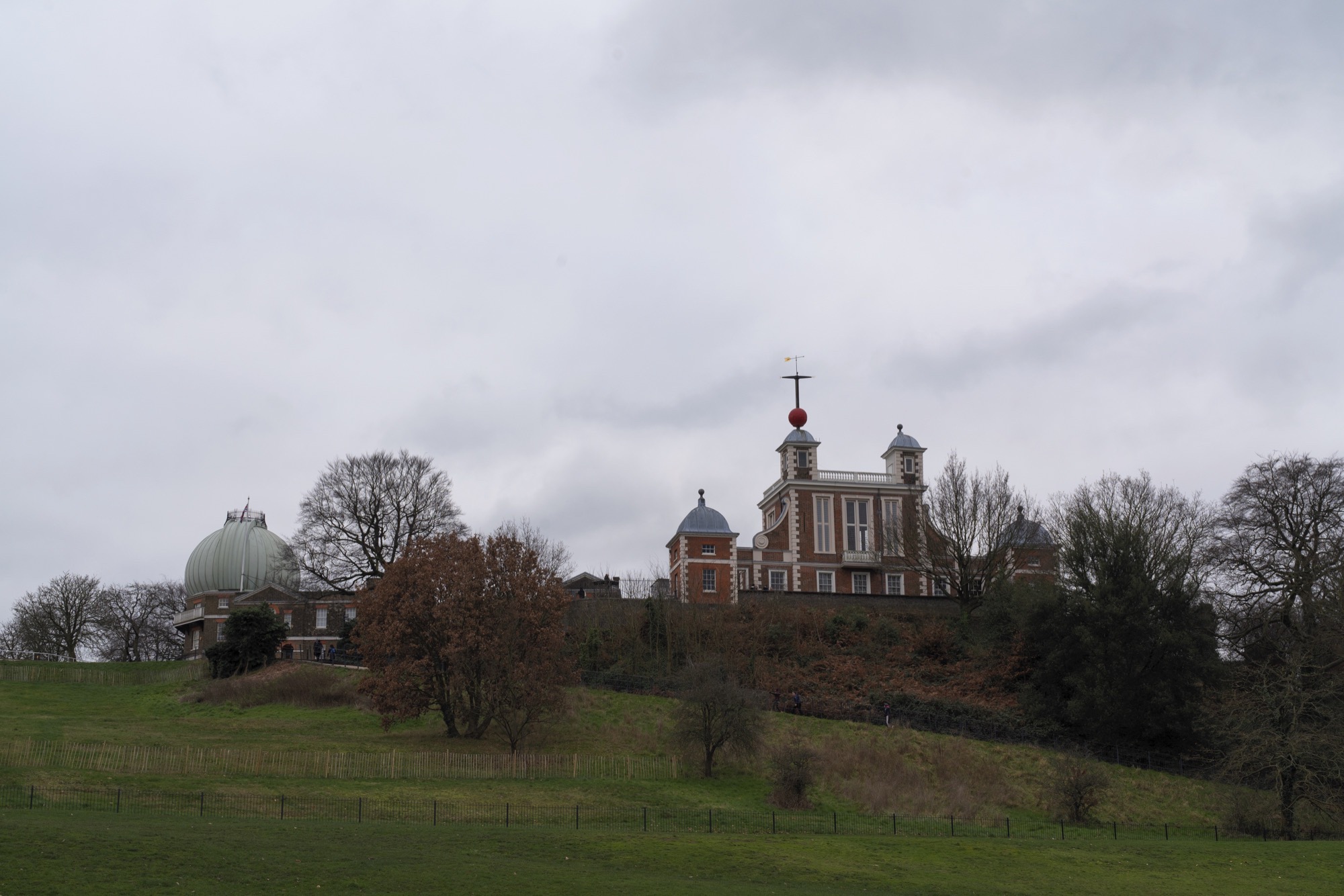
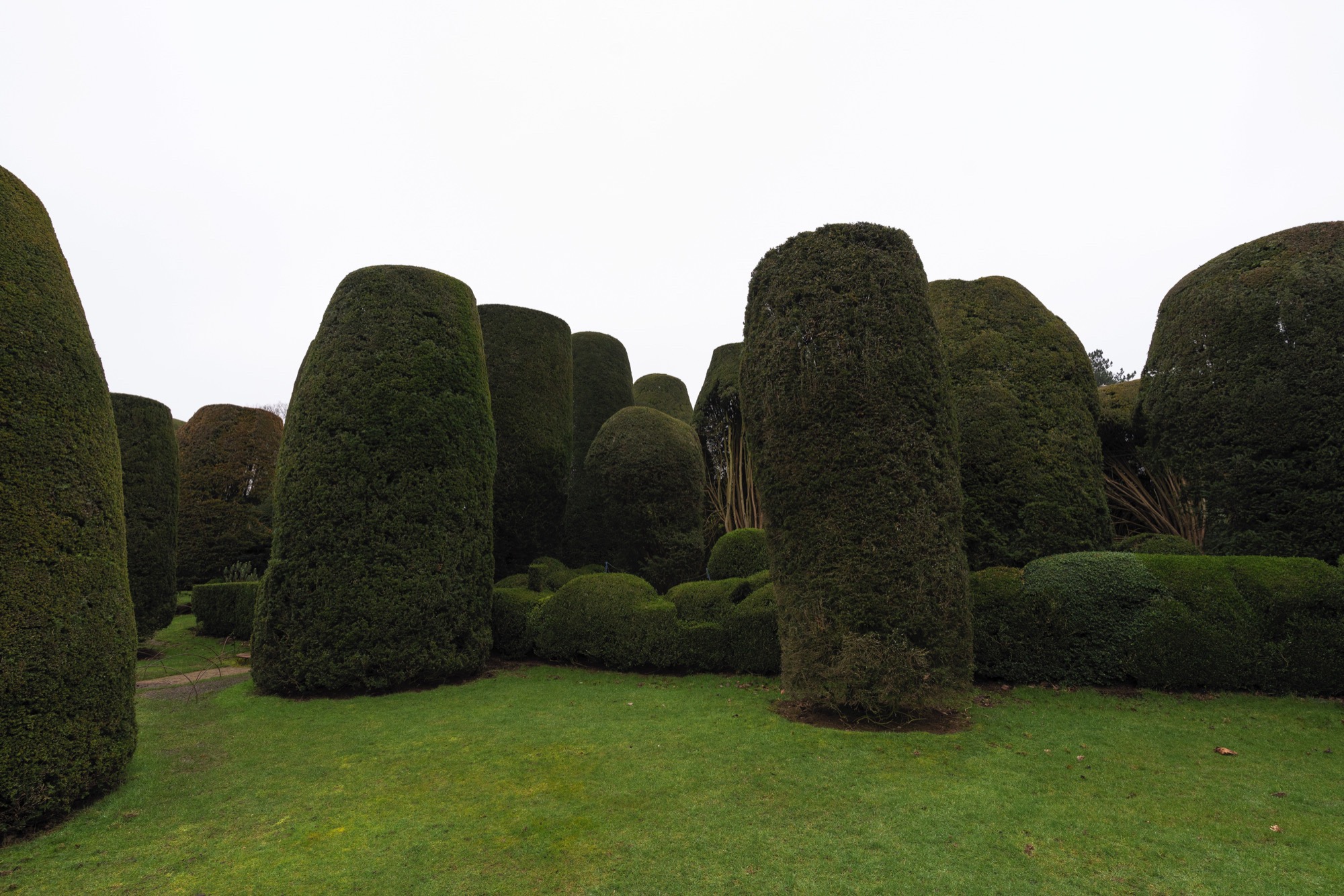
That the imposing three-beamed projection draws our attention first is inevitable. In it we see parks and buildings that compose menageries – among others, the Queen’s House and the Old Royal Naval College in Greenwich. Scenes come to us also from Hampton Court and from the topiary garden at Packwood House. Added to these images are those of birds wandering through these places and drawings from the sketchbook of the nineteenth-century botanical illustrator Adam Forster. Of course, these places are redoubtable. They testify to the practice of creating circumscribed environments, according to the whims of royalty, in which the fruit of explorations and conquests of new territories would be preserved. These sites for the use of the wealthy classes and aristocracy, and sometimes serving science, testify to a power over the world and a thirst for acquisition of rare goods, occasionally from the colonies. Let’s take, for example, the peacocks and pelicans that populate these parks. Is it necessary to mention that this sort of “domestication” and gathering of species led to the death of a great number of animals, due to their difficulty with adapting to the new environment and their keepers’ ignorance of their diet, among other things? Yet, not only did some manage to survive, but Her Majesty’s pelicans still inhabit St. James’s Park in London, as they have since the seventeenth century. None of this appears in Chevalier’s images. Rather, we admire the architecture of the sites, some inspired by French-style gardens. From them issues a scent of well-established power, an odour of the complacency and contentment of assets and knowledge acquired. Forster’s pictures are magnificent, as are the birds that we see strolling through these rarefied places. We surmise that the artist was enthusiastic about his subject, which he wanted to portray with both colour and accuracy.
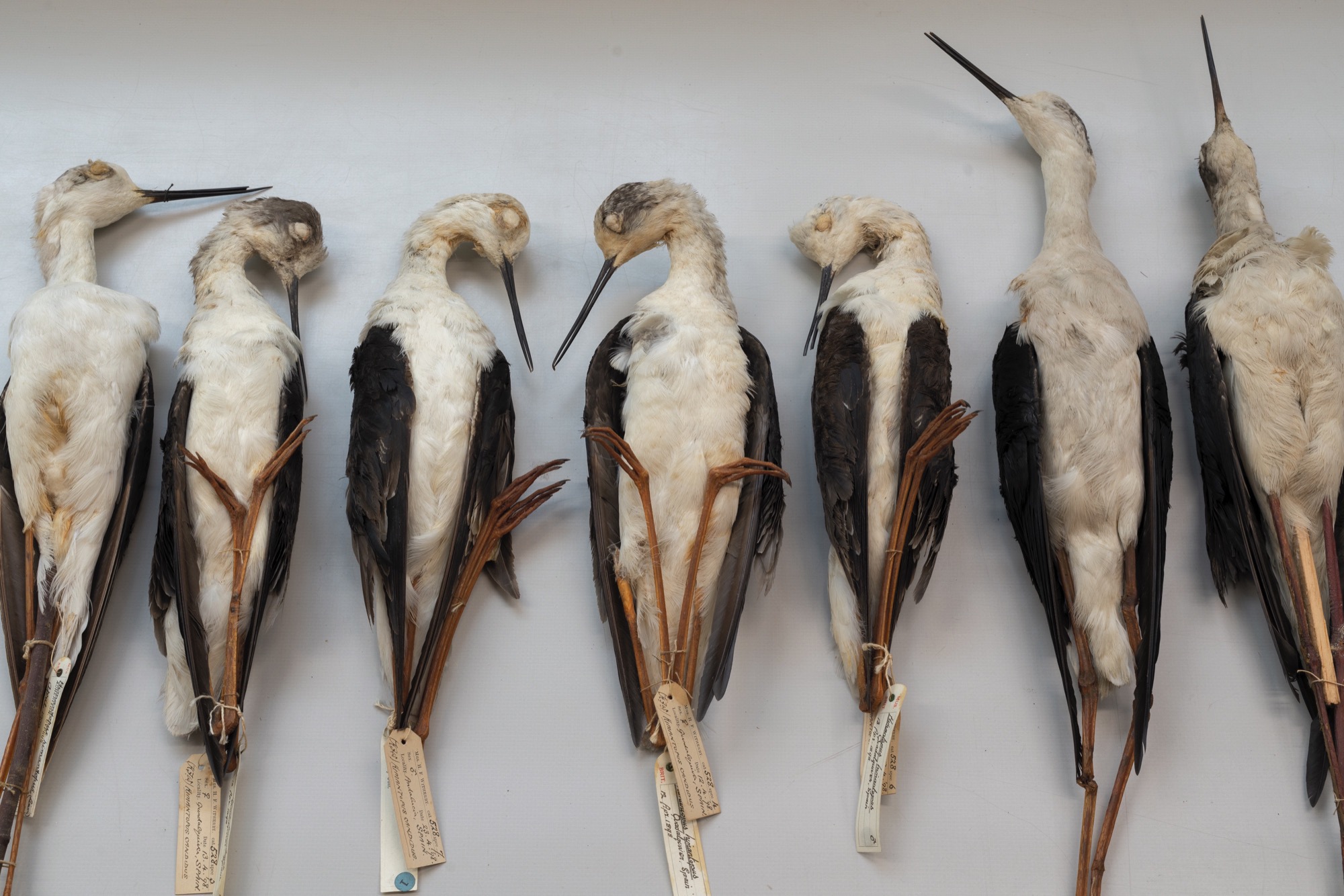
The two other stations face each other in a space more adapted to their purpose. One is a smaller projection whose concerns can be heard through the earphones. For the other, only a helmet is available for the immersive experience, and of course we must put it on to learn more. The first projection introduces us to Charles S. Davis, a Harvard University professor and conservator of the herbarium created by American naturalist and poet Henry David Thoreau. Chevalier also takes us into the workshops and spaces in the section of the Université de Montréal devoted to the work of botanist Brother Marie-Victorin. Davis’s presentation shows how Thoreau’s collection has made it possible to measure the impact of climate change on plants’ flowering periods over long stretches of time. The video ends with a recording of a lengthy quotation from Thoreau about his experience at Walden Pond in Massachusetts, which formed the basis for his famous book Walden, or Life in the Woods. As we listen, we view images produced by a modelling of the pond that seems to portray what remains of it today, foreshadowing a not-too-distant future when such modellings will be all that’s left of natural beauty. In fact, it seems that we are already there, for natural history museums contain different artefacts of nature – eggs or stuffed animals – that portray extinct species. The same phenomenon is occurring with flower species that, as we know thanks to Thoreau’s work, are now extinct or endangered.
The last station takes us to a fairly similar world. A large part of what we have just seen is presented again, this time in immersive mode. The modelled landscape of Walden Pond, however, does not appear. Instead, there is another modelled view – this one of the corridors of the department where the archives of Brother Marie-Victorin are conserved. We can move around, using a joystick, and satisfy our curiosity.
The exhibition seems to me to be based in an equivocal presentation of the impulse to appropriate, classify, and understand a bit better, through all of this, the world and the extent of the living. The effort at gaining knowledge is obviously performed on a basis of colonialist domination, which itself bears consideration and analysis. But the result of all this knowledge, accessible today, enables us to measure the status of environments in the early twenty-first century. The term “towering” from the title of the exhibition could not have been better chosen. It comes from ocean science and designates a refraction effect that makes an object look higher up than it really is. The joy of knowledge is thus adulterated with a certain regret. It is saddening both to see the historical and colonialist foundations of its acquisition and to realize how they are used today to measure the loss of natural habitats. Translated by Käthe Roth.
Sylvain Campeau contributes to many Canadian and European magazines. He is also the author of the essays Chambres obscures: photographie et installation, Chantiers de l’image, and Imago Lexis, as well as seven collections of poetry. He has also edited books on visual arts and literature. As a curator, he has organized some forty exhibitions.
Artist, curator, and professor Geneviève Chevalier is interested in museum collections as a field of art intervention. Through photographic and video installations, she casts a critical gaze at the conception of the living world as inherited by modernity. She has attended residencies at the Québec Studio in London, Centre Sporobole in Sherbrooke, and the Centre for Contemporary Arts in Glasgow. As a curator, she organized L’idée du territoire: une exploration des collections at the Centre d’exposition de l’Université de Montréal. www.genevievechevalier.ca