

Olivier Christinat, Figurations II, 2016
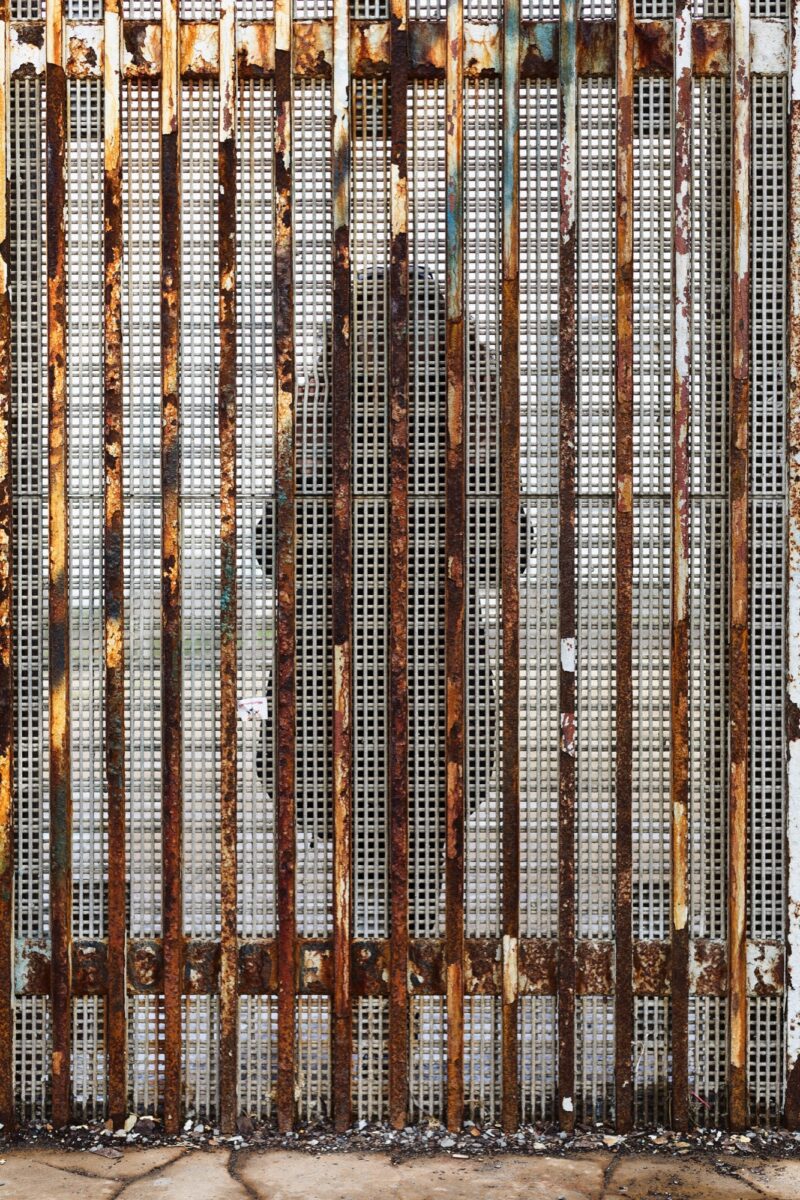
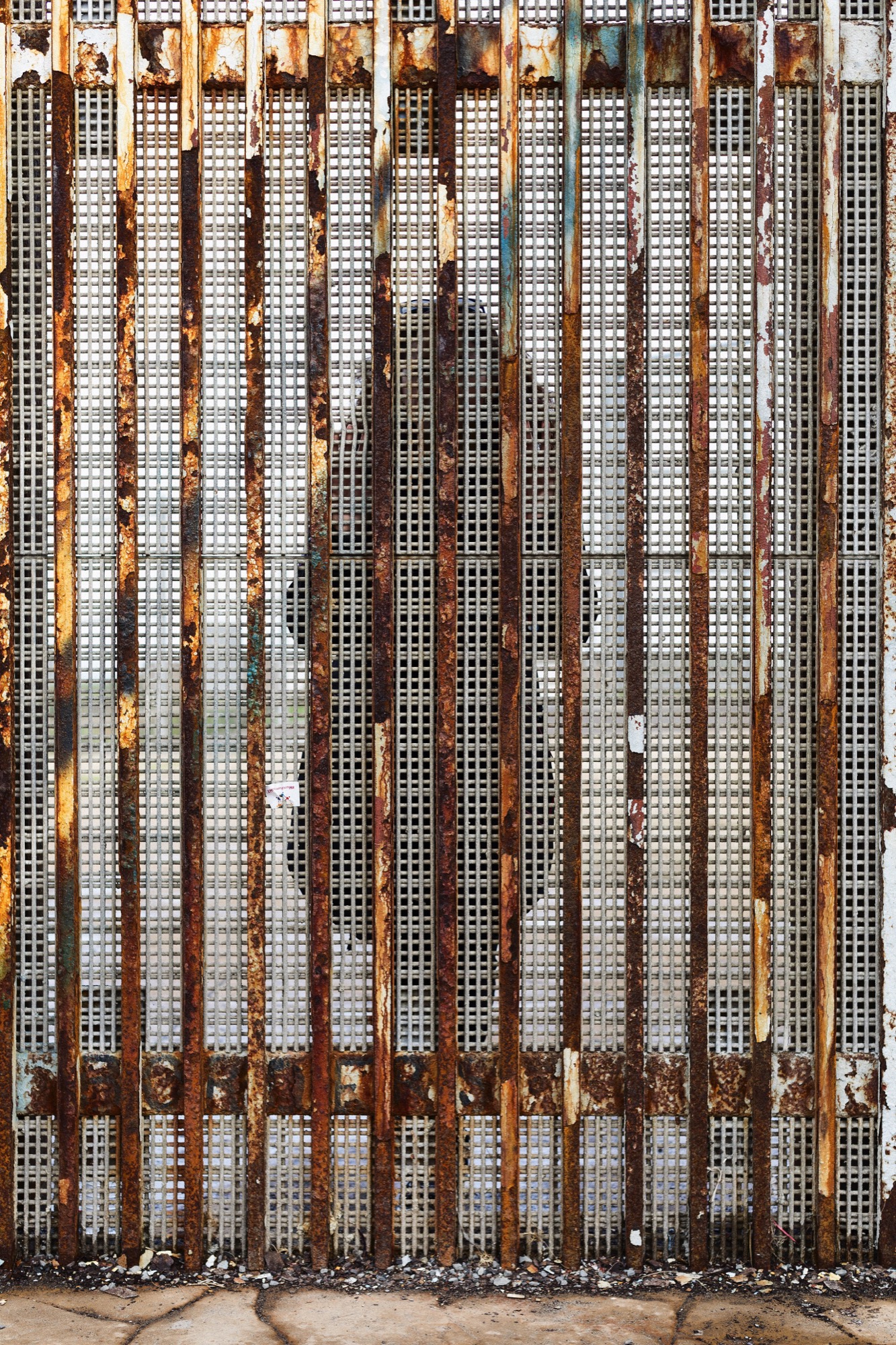
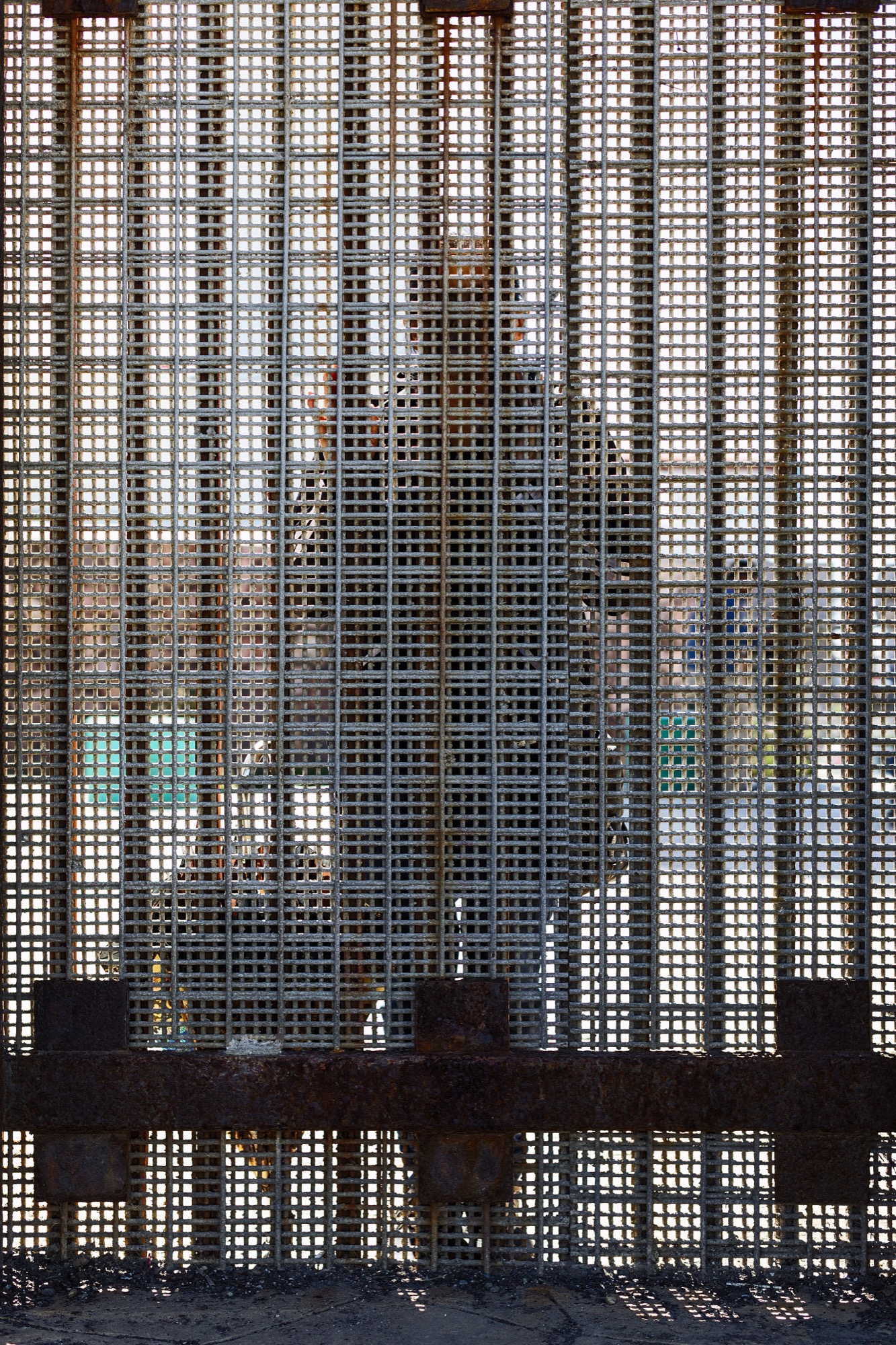
Alejandro Cartagena, Daughter at the USA – Mexico border wall; Mother at the Mexico – USA border wall from the series / de la série Without Walls, 2017
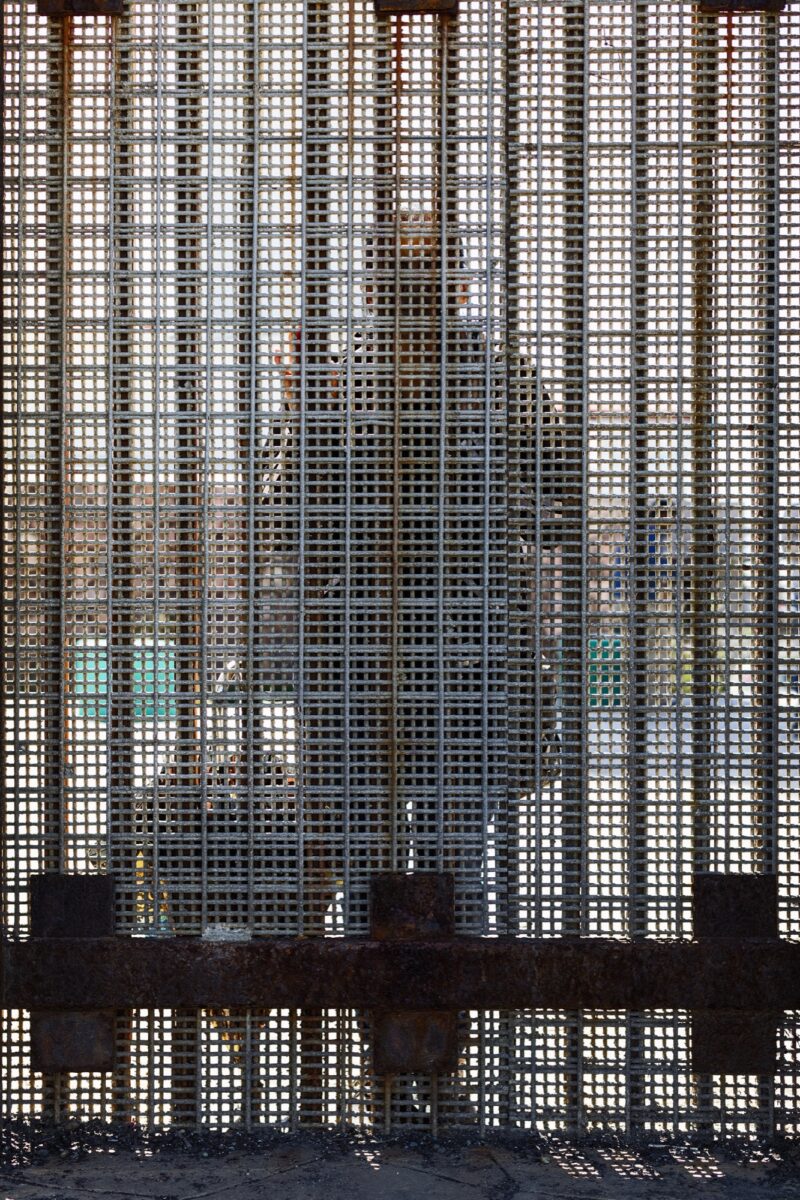
Alejandro Cartagena, Daughter at the USA – Mexico border wall; Mother at the Mexico – USA border wall from the series / de la série Without Walls, 2017
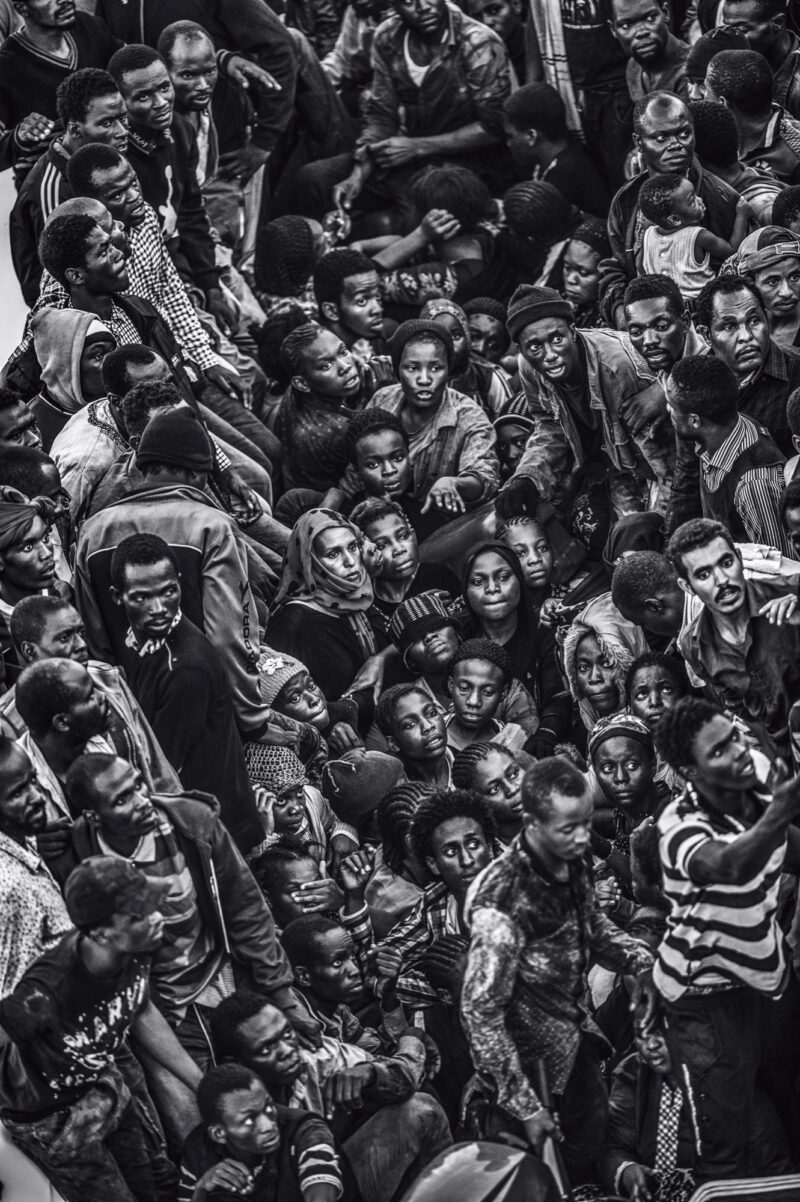
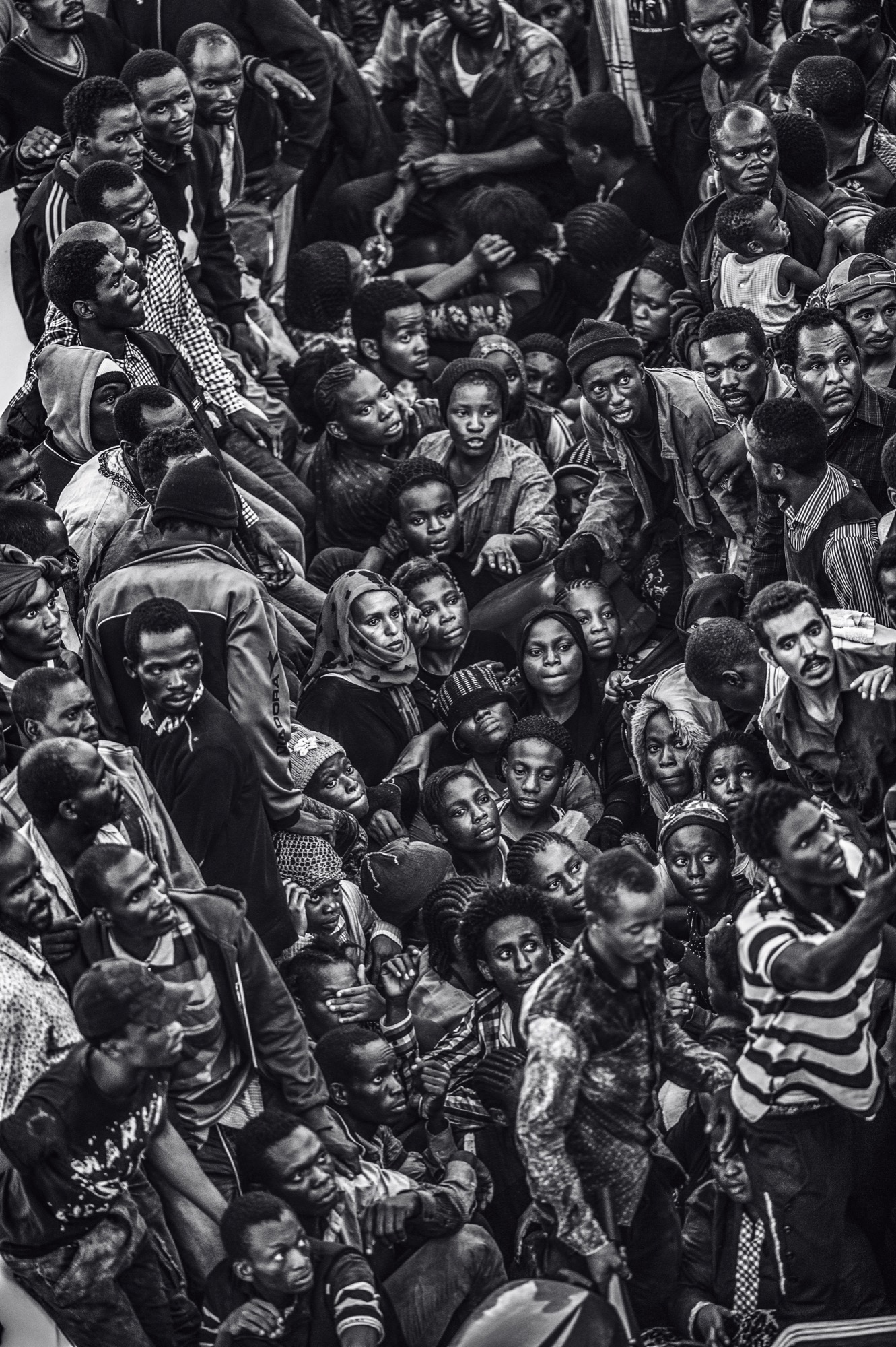
Francesco Zizola, In the same boat, 2015, © Francesco Zizola / Noor images
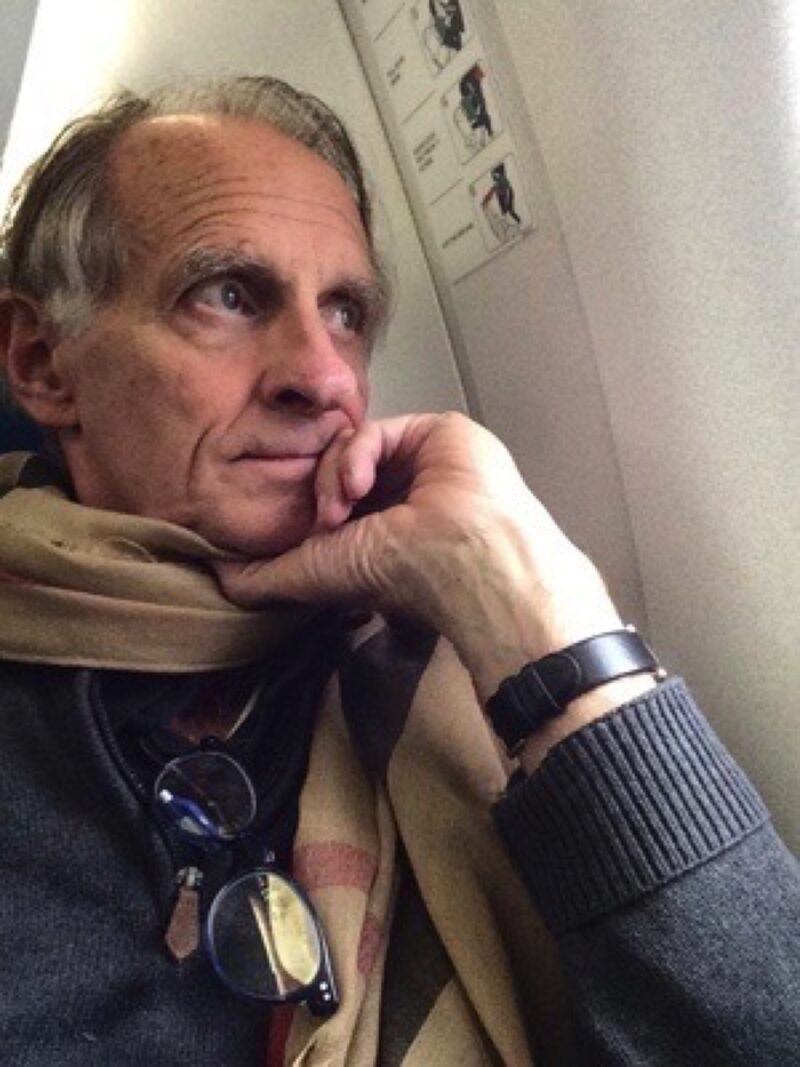
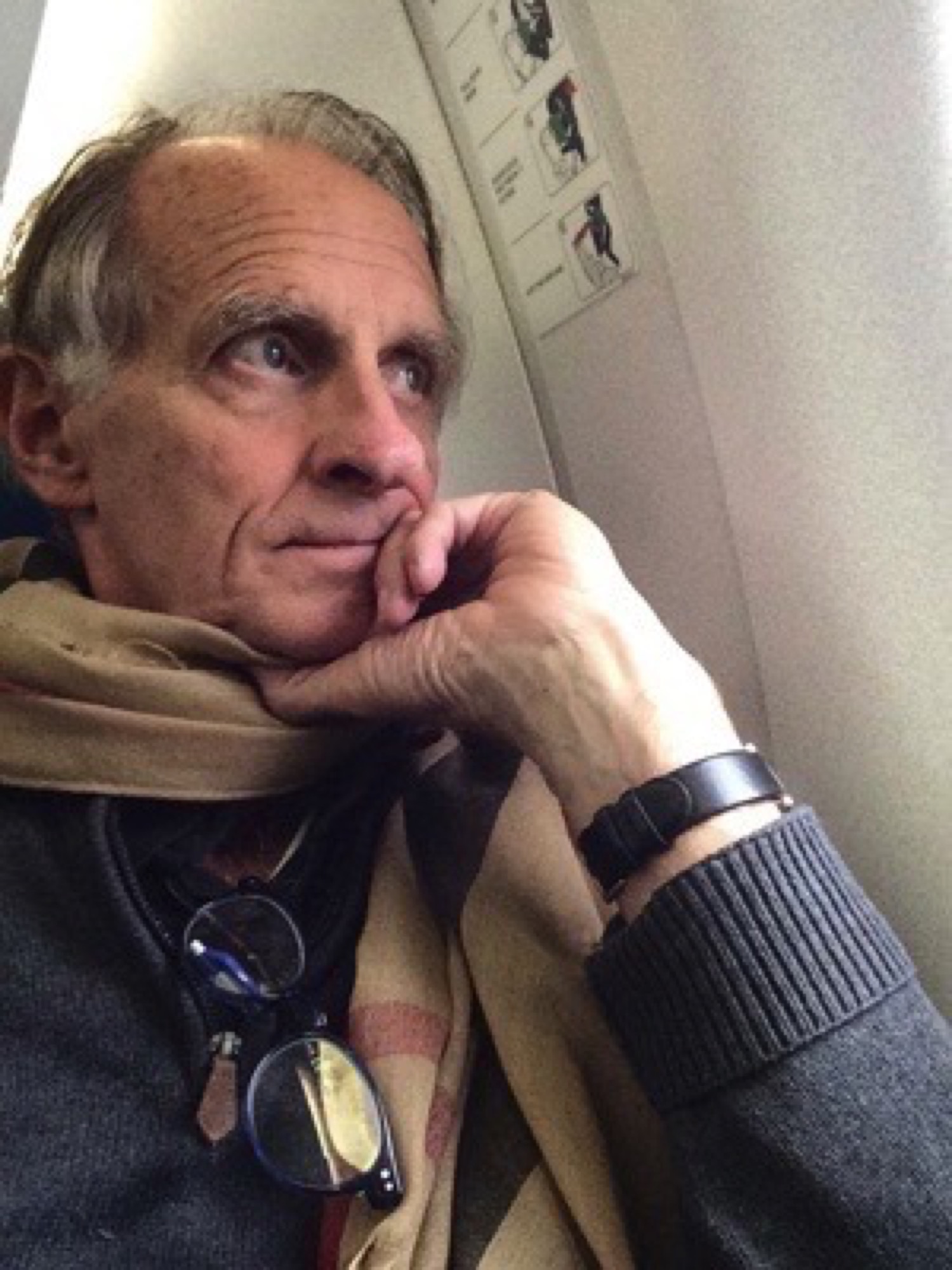
William A. Ewing
[Winter 2022]
William A. Ewing, Photographs Are the Eyes of Our Civilization
An interview by Jacques Doyon
Author, exhibition curator, professor, and longtime director of the Musée de l’Élysée (1996– 2010), in Lausanne, William A. Ewing began his career in Montreal; he was the founder of Optica, which he directed from 1972 to 1977. Ewing has been exploring the field of photography for some five decades. His exhibitions have been featured at such prestigious venues as the International Center of Photography (New York), Le Jeu de Paume (Paris), the Whitechapel (London), and the Museo Nacional de la Reina Sofia (Madrid). Among his books are The Body: Photographs of the Human Form (1994), ReGeneration: 50 Photographers of Tomorrow, 2005-2025 (2005), and monographs on Erwin Blumenfeld, Edward Steichen, and Ed Burtynsky. A former professor of the history of photography at the University of Geneva, Eweing has been director of curatorial projects at Thames & Hudson since 2010 and of special projects at the Foundation for the Exhibition of Photography.
Jacques Doyon: In collaboration with Holly Roussell, you recently organized Civilization – Quelle époque !/ The Way We Live Now, a major exhibition of more than two hundred works by some hundred and forty photographers from five continents, offering an overview of the great issues affecting societies in the early twenty-first century. For you, the issues that are of highest priority are planetary in scope – the issues of civilization, a term that may lend itself to debate. How do you see it as pertinent for describing the current state of the world?
William A. Ewing: Claude Levi-Strauss once said that we can use a term any way we want, as long as we say precisely what we mean by it. By “civilization” we mean to refer to the social unit of greatest social complexity in any vast geographic region; there is no greater social unit. However, it is also common to speak of civilizations in the plural: Chinese, Western, Mayan, Islamic, and so on. For our project, we are speaking of planetary-wide civilization, the state of humankind in the twenty-first century. Scholars have also called it world civilization, global civilization, universal civilization, and meta-civilization. To take one clear example of what we mean by this, think of the Olympic movement. It exists in every country, every city, and there is no village on earth where a child does not dream of running faster or jumping higher than everyone else. The Olympics is not just a set of games but a vast structure that spans the globe, with expenditures worldwide in the billions. Half the world’s population watches some part of the games every four years. That is today’s planetary civilization.
Why is it pertinent for us in photography’s domain? Civilization has somewhat become, in one sense, a negative term polluted by notions of colonialism, racism, oppression, and so on. What is being lost is a sense of the extraordinary nature of human accomplishment. And the whole edifice is today threatened by ignorance. More than a decade ago, Jane Jacobs wrote a book warning of this: Dark Age Ahead. We also need to sit back and accept the huge gains: yes, the environment is severely threatened, but humans live longer lives, and healthier lives, due to phenomenal advances in diverse technologies. The COVID vaccines, for example, have been a triumph of “nature engineering.” Between seventy and a hundred million people died of the Spanish flu one century ago; five million have died during COVID. It has been said that a fish is the last to discover water; our civilization wraps around us, sustaining us, but we don’t “see” it.
We are planning a symposium in Italy in 2022 that will gather diverse expertise – historians, philosophers, physicists, geographers, economists, anthropologists, and others – to debate the range of problems and opportunities facing the human race. Photography in this context is a stimulant, a proposition. The eyes of civilization. Those eyes are everywhere on the planet.
JD: Your project is based on the conviction that images produced by photographers active throughout the world, with highly diversified points of view, making it possible to offer a very relevant overall portrait of issues in society. Not all of them use a documentary approach – far from it. What do they say about the pertinence of being a photographer today? What do they say about the pertinence of practising photography today?
WAE: With the documentary approach, we often forget the simple fact that the world is renewing itself every day! For example, for a photographer to claim “I photographed New York City for ten years, that’s done now” would be absurd. Today’s New York looks very different from the New York of, say, 1980. This is true of everywhere. The other day I read a nineteenth-century article on early mountain photography, and the author concluded that once all the highest mountain peaks had been photographed, there would be no more need for photographs! After all, the argument was, if you have a photograph of the Matterhorn taken in 1850, why do you need another?
It is true that the majority of the pictures in our show are documentary, but we also deviated from the approach with more “imaginary” or, let’s say, theatrical work, when we felt that it added some force to the show. But we didn’t want to overdo that aspect, because then the public would conclude, “Oh, none of this is real, so it doesn’t concern me.” We wanted people to leave the exhibition not necessarily concluding that civilization is “good” or “bad,” but leaving them with a sense of the complexity of our world, both its promises and its threats.
Considered as a whole – and here we are talking abstractly about all the photographers working right now around the world, finding, studying, documenting, and interpreting objects and events – it is evident that photography does indeed hold up Spengler’s clear mirror to our current civilization. We see this exhibition as a kind of aerial survey or, rather, grand satellite composite image; it aims to provide the viewer with a wide-angled overview of how photography deals with an exceedingly complex and abstract idea – that is, civilization and how it contributes to our understanding. And if not our understanding, at least our awareness. What does photography elucidate? What does it explain – indeed, can it explain? What are photography’s successes, its triumphs? Many of the pictures are taken from large bodies of work, projects lasting several years or still unfinished. We hope that a sampling of their work will encourage viewers to seek out more of it.
JD: The Way We Live Now . . . The exhibition offered a thematic division to take account of the complexity of the world. Concretely, what are the great issues that structure how we live in civilization and constitute the challenges of our times?
WAE: There is a kind of infrastructure to the show, a kind of skeleton, but it is hidden from the viewer. This infrastructure can be imagined as a list of major axes: habitation, transport, education, health, leisure, politics, breakdown, and future visions. But if that list had been the visible structure of the show, how boring it would have been!
Instead, we devised a more intriguing, provocative – or, one could say, poetic – structure, with eight sections: Hive, Flow, Persuasion, Rupture, Control, and so on. This is more challenging to viewers, who do not know what they will be confronted with next as they turn the corner (the show is designed as a labyrinth). I worked closely with co-curator Holly Roussell, a specialist in Asian – particularly Chinese – photography, and we let these sections/categories/themes evolve from the photographs we were finding. It’s important to stress that we did not start with those themes, but that they emerged during the research. And I might add that we considered thousands of photographers and looked at hundreds of thousands of images.
JD: The exhibition has been mounted in Korea, China, Australia, New Zealand, and France. It will next be in Italy, and perhaps in other countries after that. How has it been received in these different contexts?
WAE: I can say, generally speaking, that the reactions have been similar across cultures. But I admit that the publics who come are the usual museum publics: educated, middle or upper ranks of society. They tend to have travelled, except perhaps for the Chinese. We did notice, in each place, an intense interest. This is a big show, but people would look at every picture, sometimes staying in the venue for two or more hours. In Marseille, for example, at the Museum of Civilizations, because of COVID people had to stand in line for two hours to get in. And they did. Something about the premise of the show intrigued them.
JD: Finally, I can’t help making a parallel with another major photography exhibition, Edward Steichen’s The Family of Man (1955), which also had a universalist outlook. How can such a comparison measure how far societies have come in the sixty-five or so years between the two exhibitions?
WAE: We did not set out to emulate The Family of Man, but a number of people have mentioned the similarities. However, Steichen’s show was meant to uplift spirits after the devastation of the Second World War, it was deliberately very positive, and it was attacked by certain critics for this “propagandistic” aspect. Yet almost ten million people went to see the show in ninety countries. Unbelievable!
I was trained as an anthropologist: to see a culture, or the world of cultures, as it is, not as I would like it to be. I did not want to give a negative or a positive reading, only one that said, “This is our world, for good or for bad.” I would like people leaving the show to say to themselves, “Yes, this is my world, my amazingly complex world.”
Jacques Doyon is editor-in-chief and director of Ciel variable.