
[Summer 2022]

Andrea Kunard, La photographie au Canada 1960–2000 / Photography in Canada 1960–2000 Ottawa, Musée des beaux-arts du Canada / National Gallery of Canada, 2017
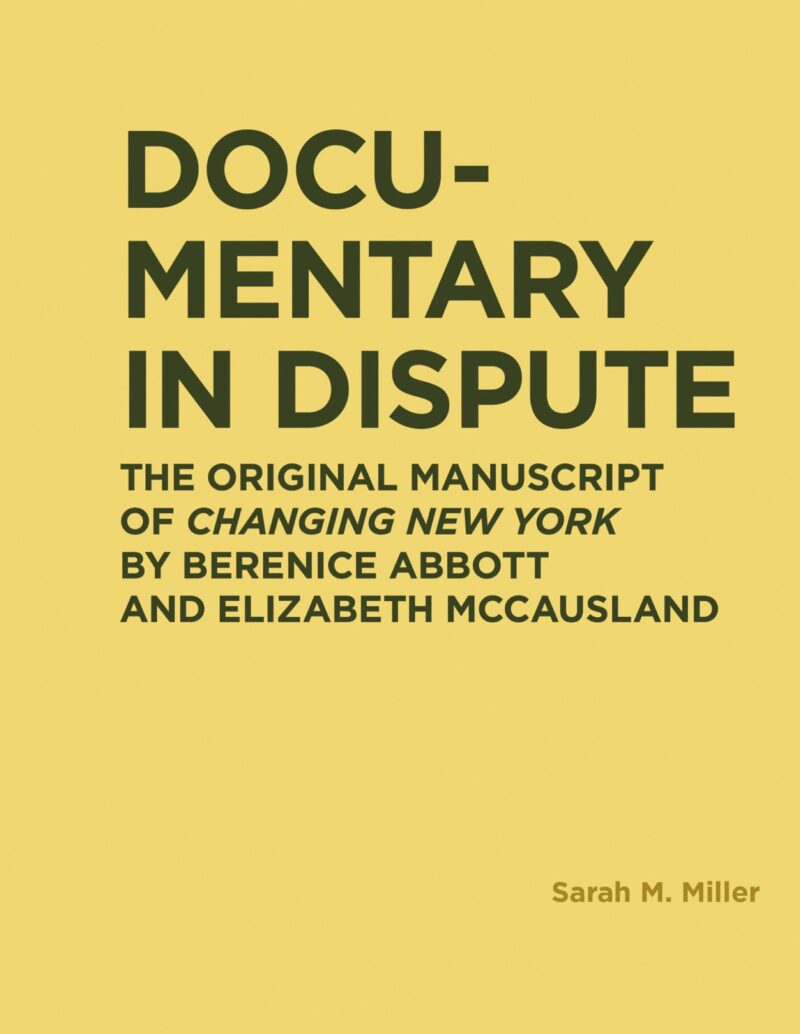
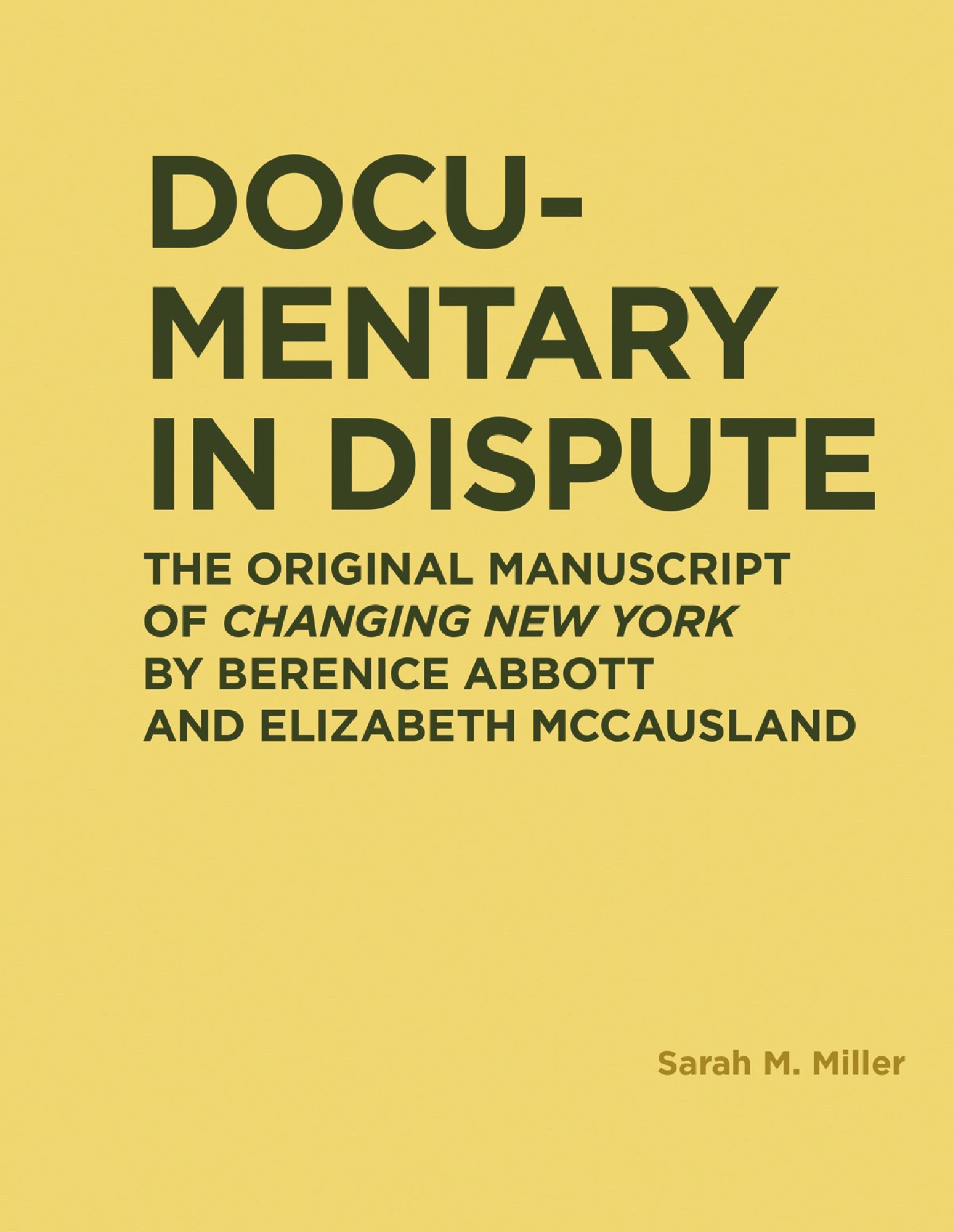
Sarah M. Miller Documentary in Dispute: The Original Manuscript of Changing New York by Berenice Abbott and Elizabeth McCausland, Cambridge, MA, et Toronto, MIT Press et RIC Books, 2020
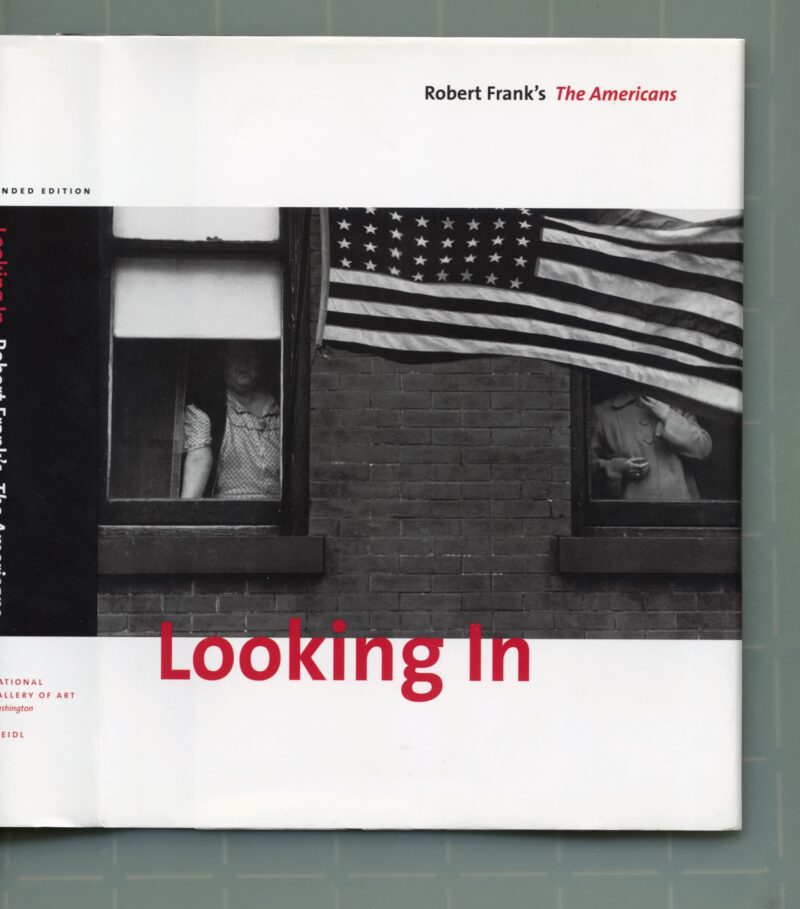
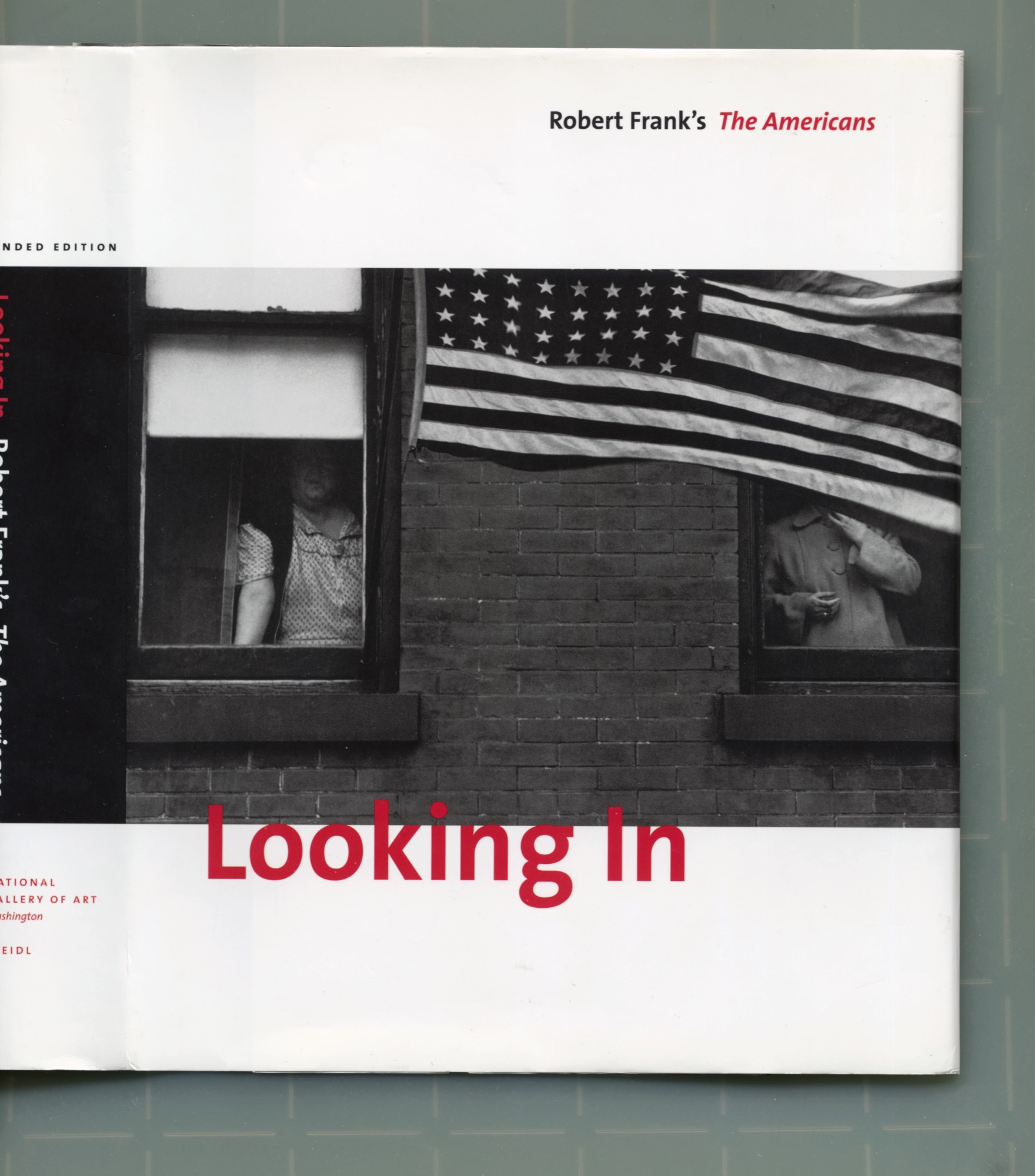
Sarah Greenough (dir) Looking In: Robert Frank’s The Americans, éd. augmentée Washington et Göttingen, National Gallery Of Art / Steidl, 2009
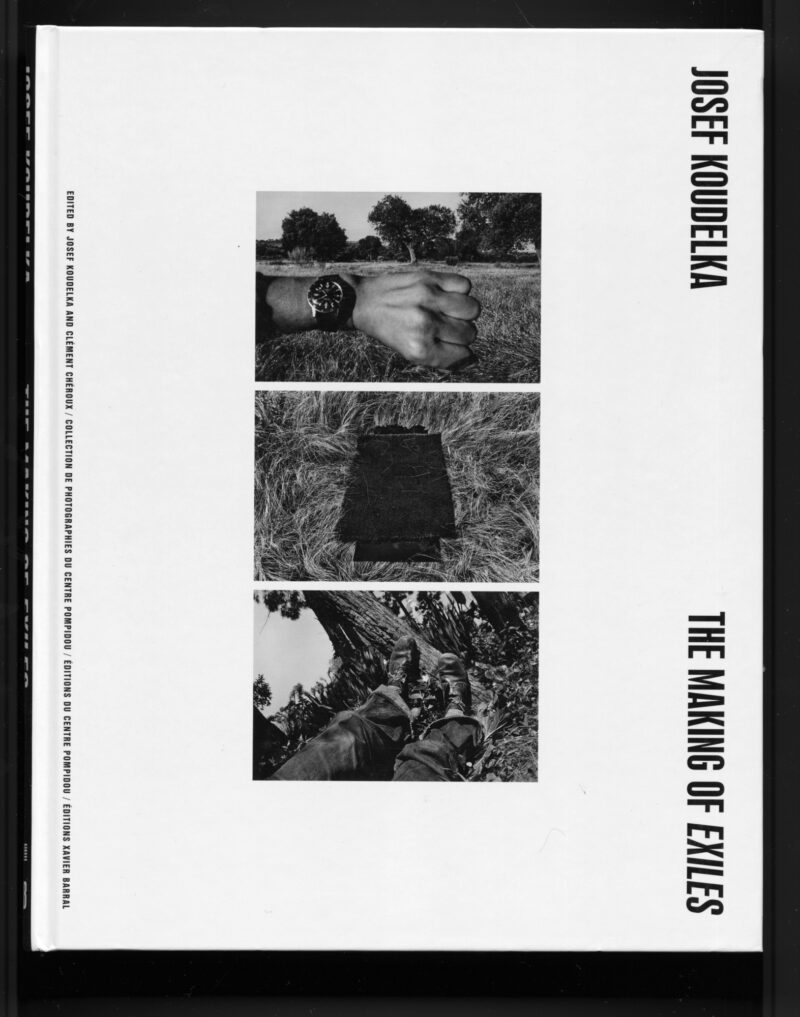
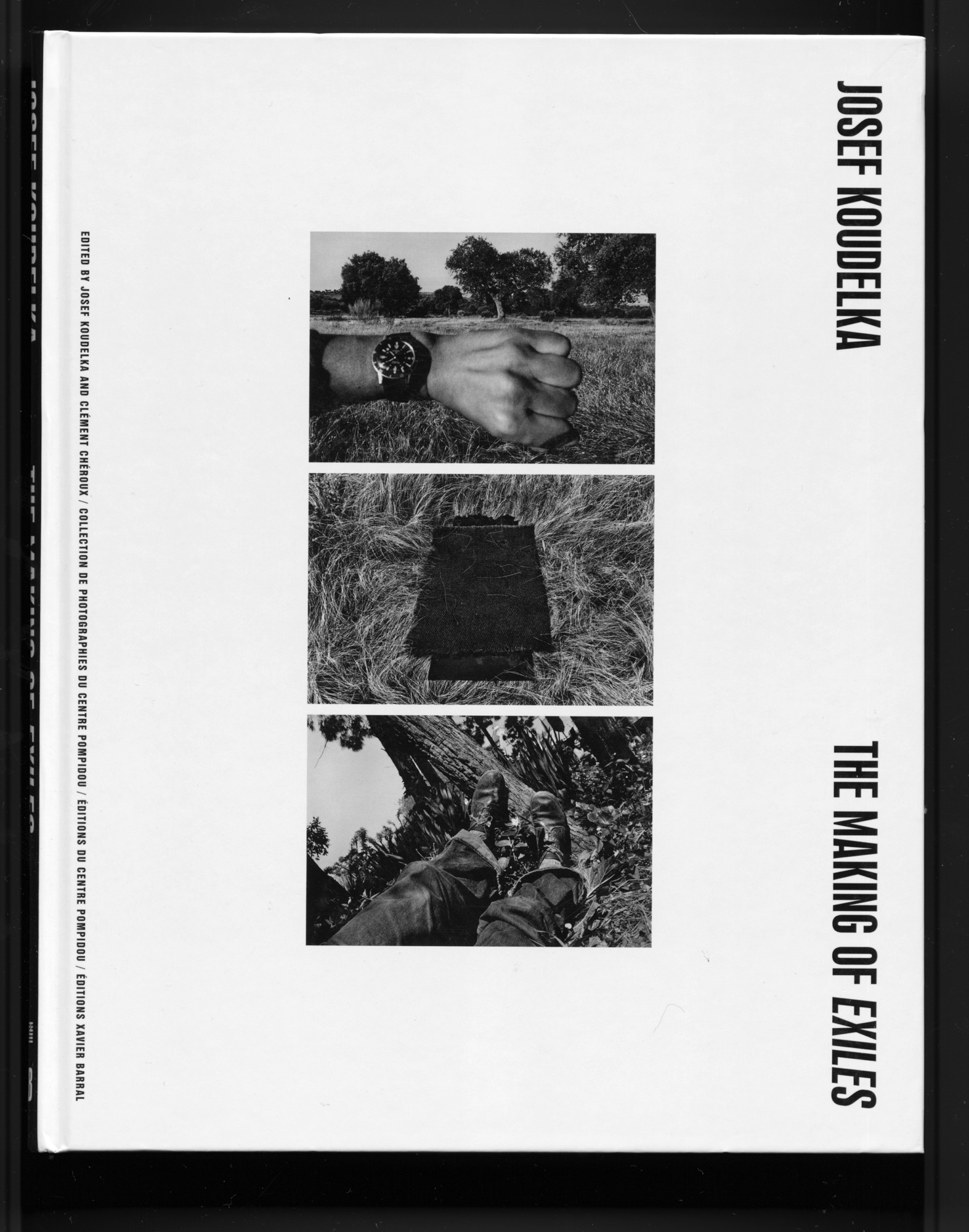
Josef Koudelka et / and Clément Chéroux (dir. / eds.) Josef Koudelka: La fabrique d’exils / Josef Koudelka: The Making of Exiles, Paris, Éditions Xavier Barral / Éditions du Centre Pompidou, 2017
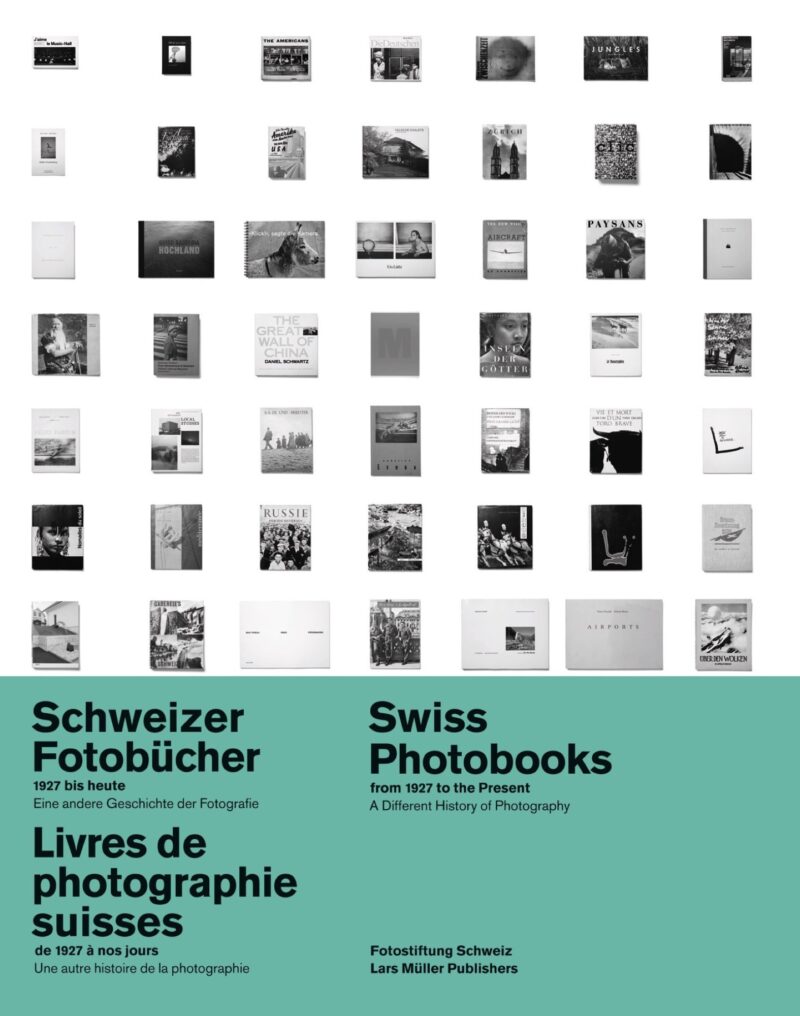
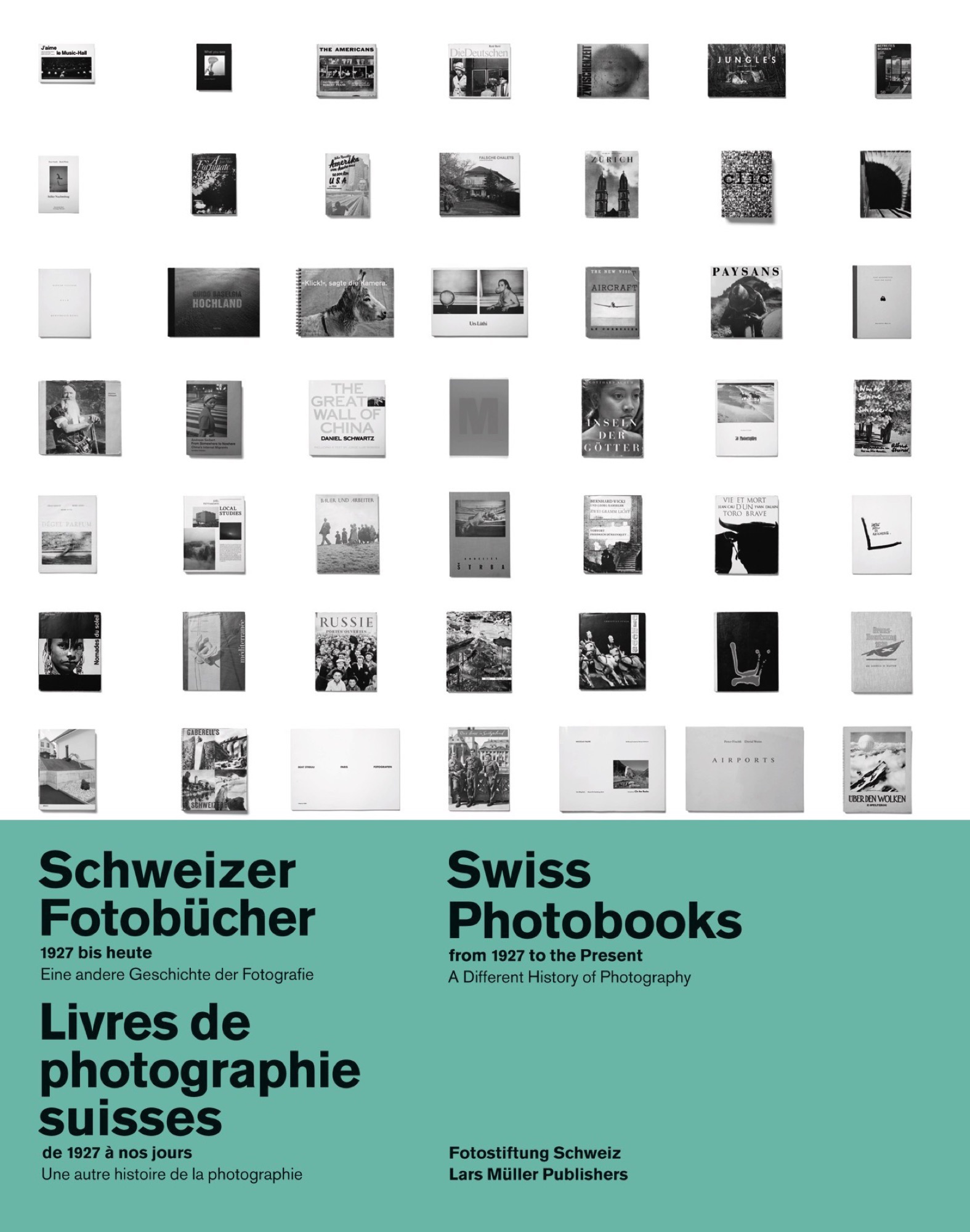
Peter Pfrunder and / et Martin Gasser (eds. / dir.) Swiss Photobooks from 1927 to the Present: A Different History of Photography / Schweizer Fotobücher, 1927 bis heute. Eine andere Geschichte der Fotografie / Livres de photographie suisses de 1927 à nos jours. Une autre histoire de la photographie, Baden, Müller, 2012
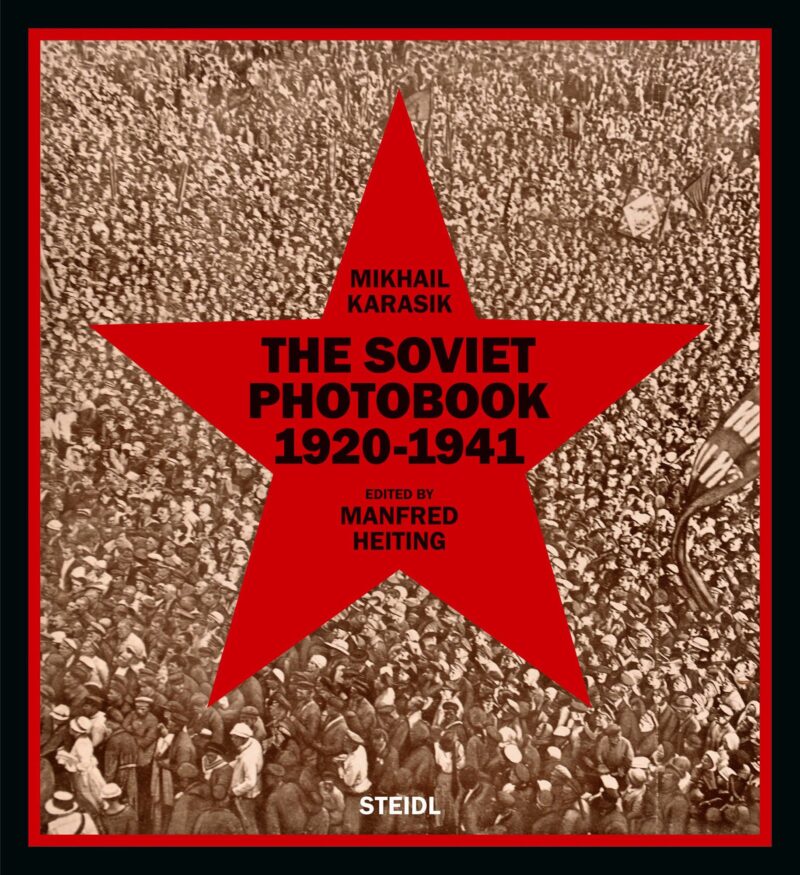
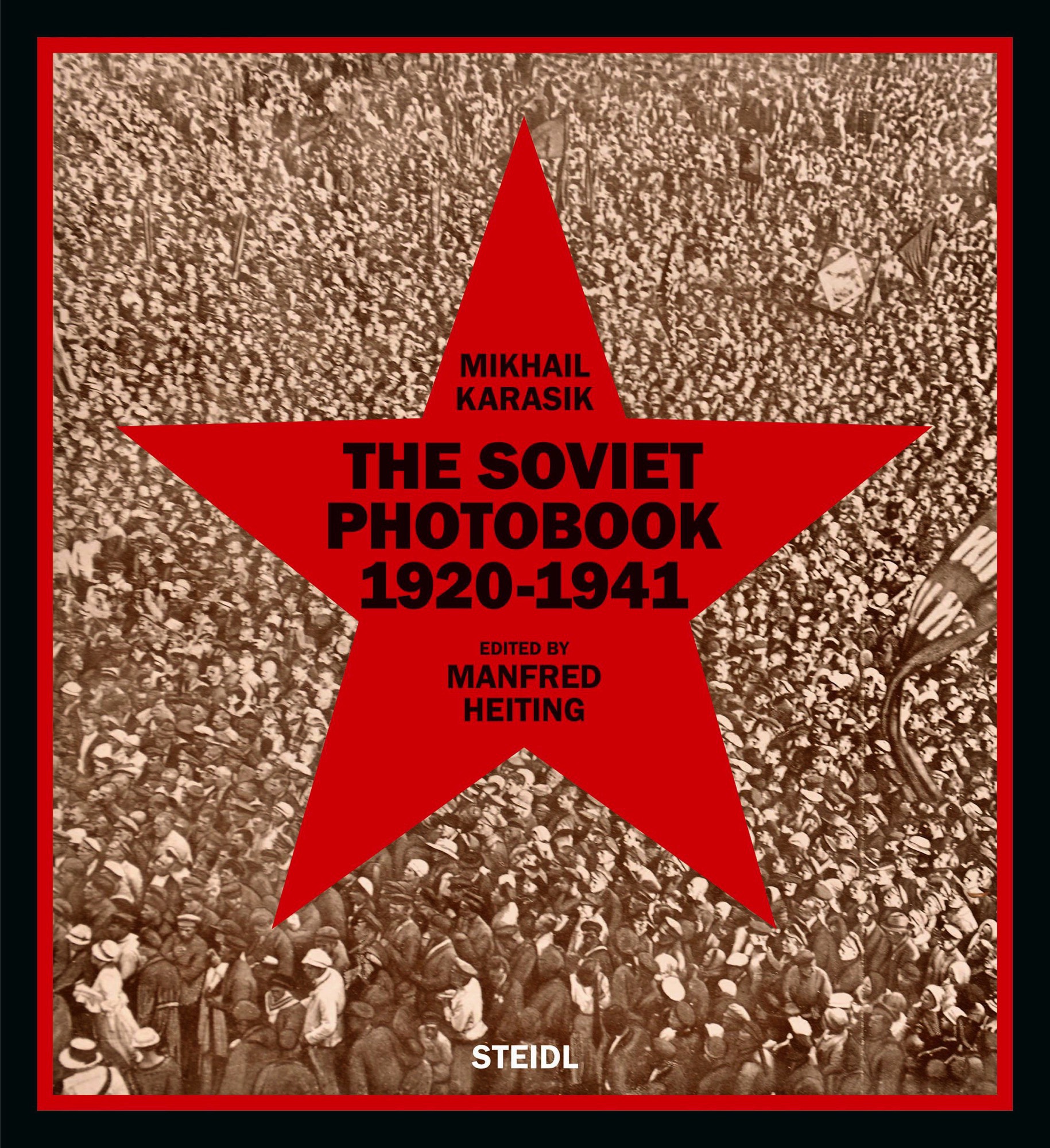
Mikhail Karasik et Manfred Heiting The Soviet Photobook 1920–1941, Göttingen, Steidl, 2015
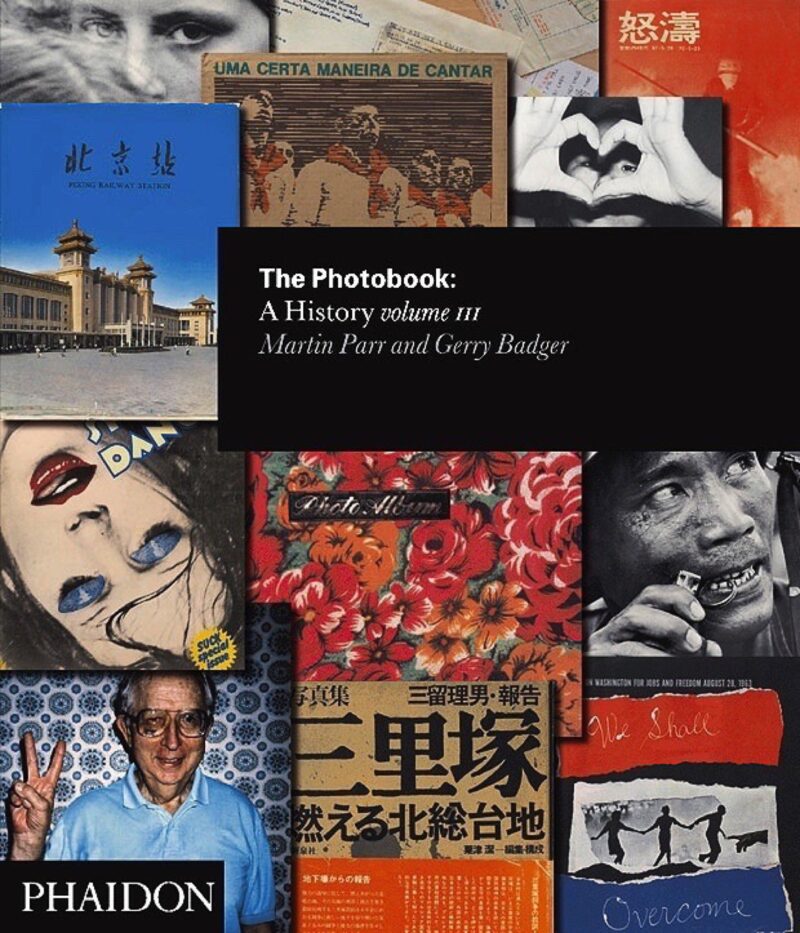
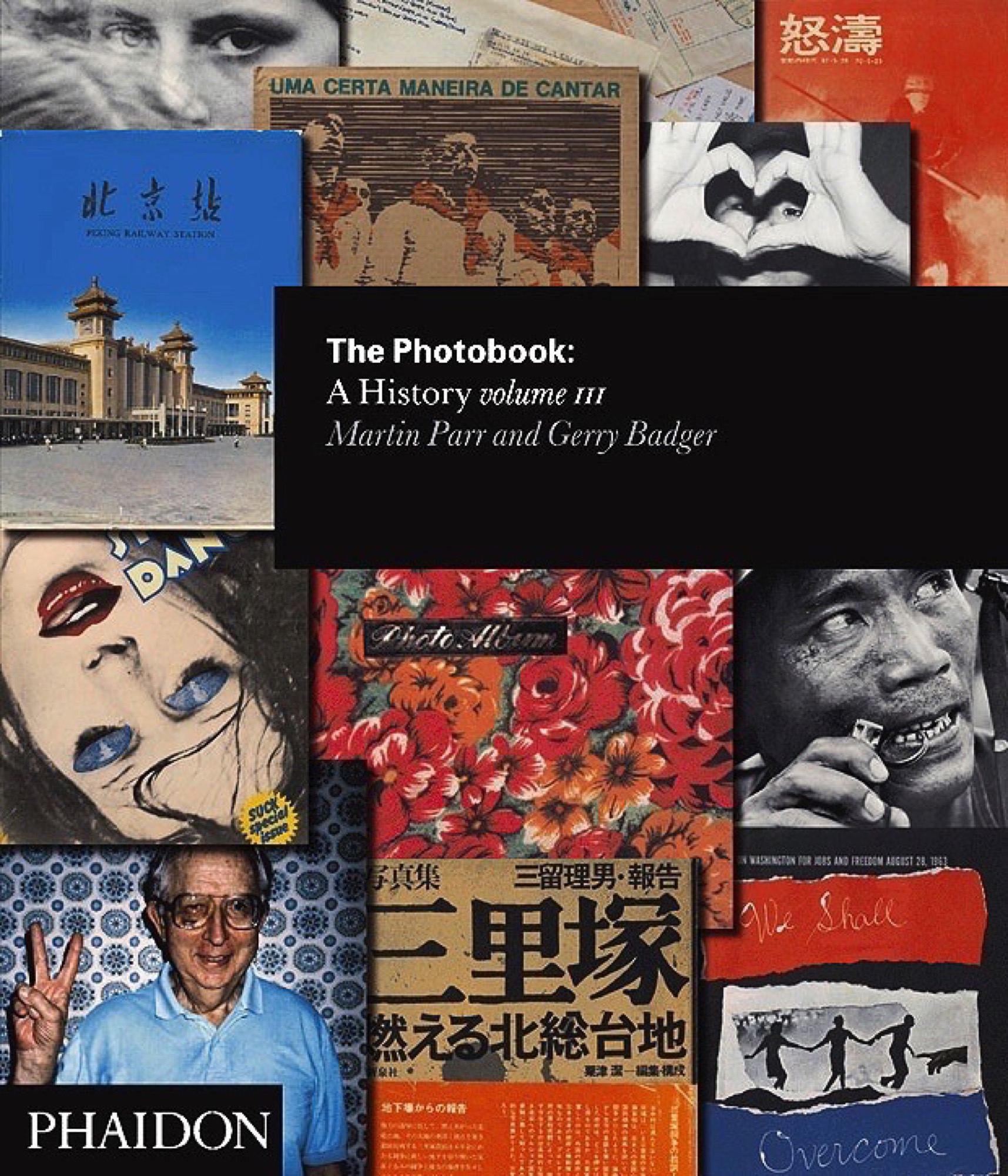
Martin Parr et Gerry Badger The Photobook: A History, Volume III, New York, Phaidon, 2004–2014
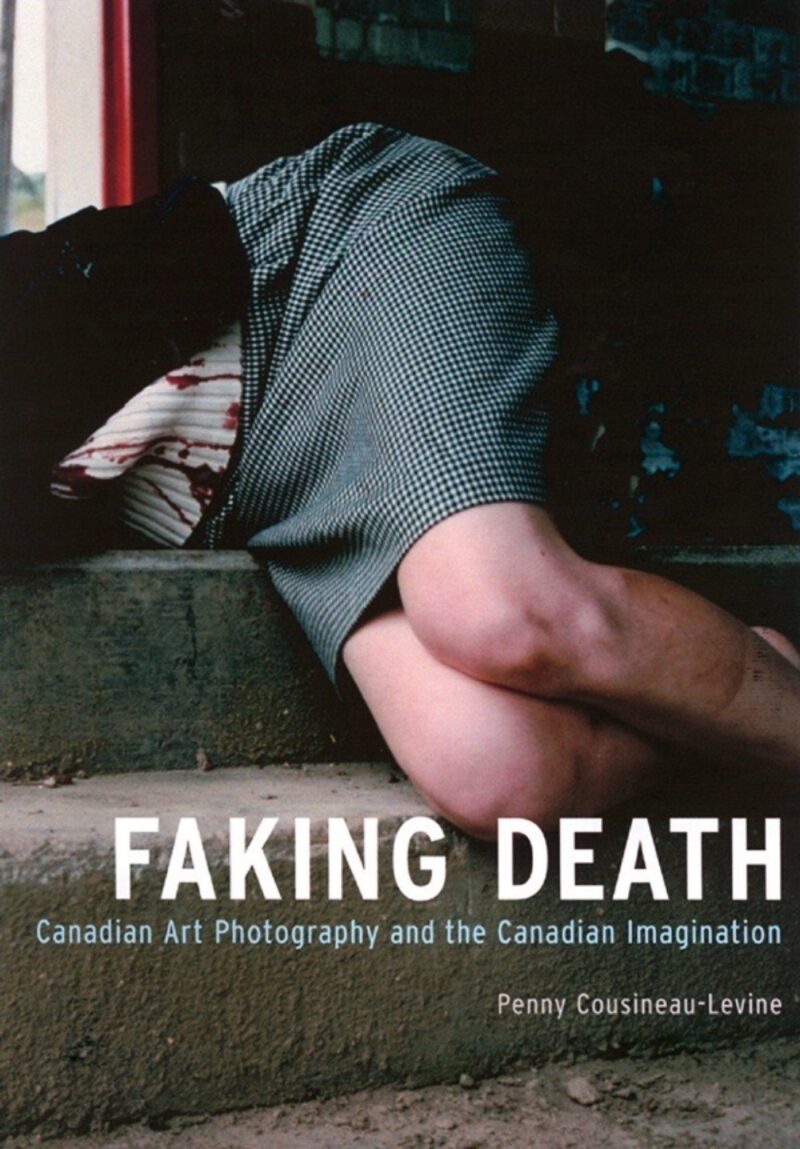
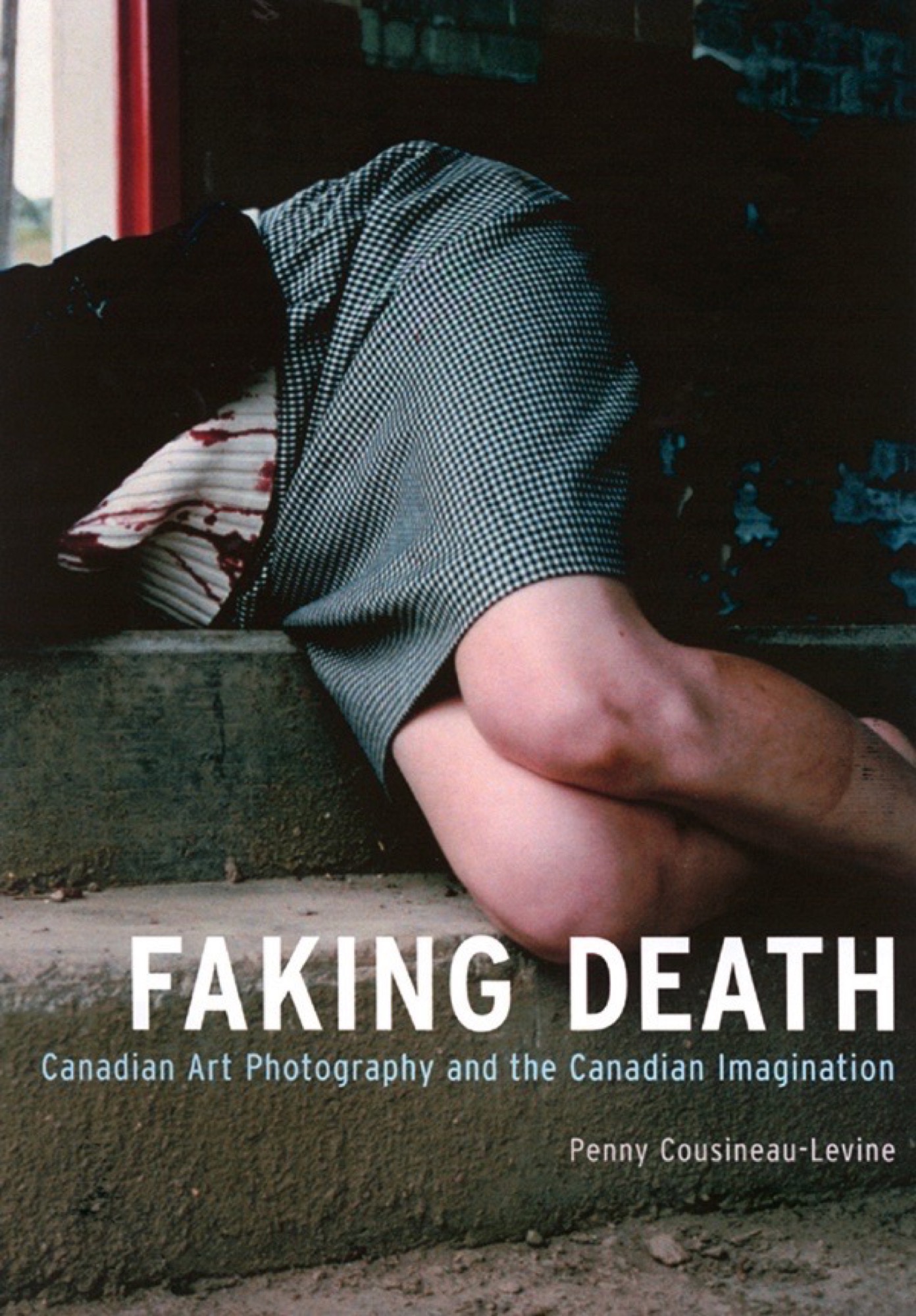
Penny Cousineau-Levine Faking Death: Canadian Art Photography and the Canadian Imagination, Montréal et Kingston, McGill-Queen’s University Press, 2003
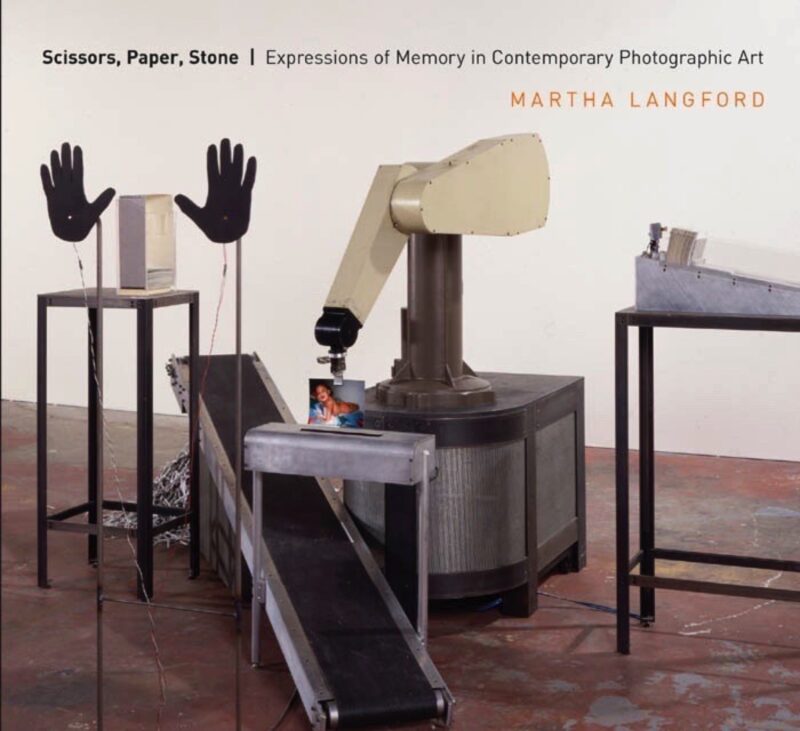
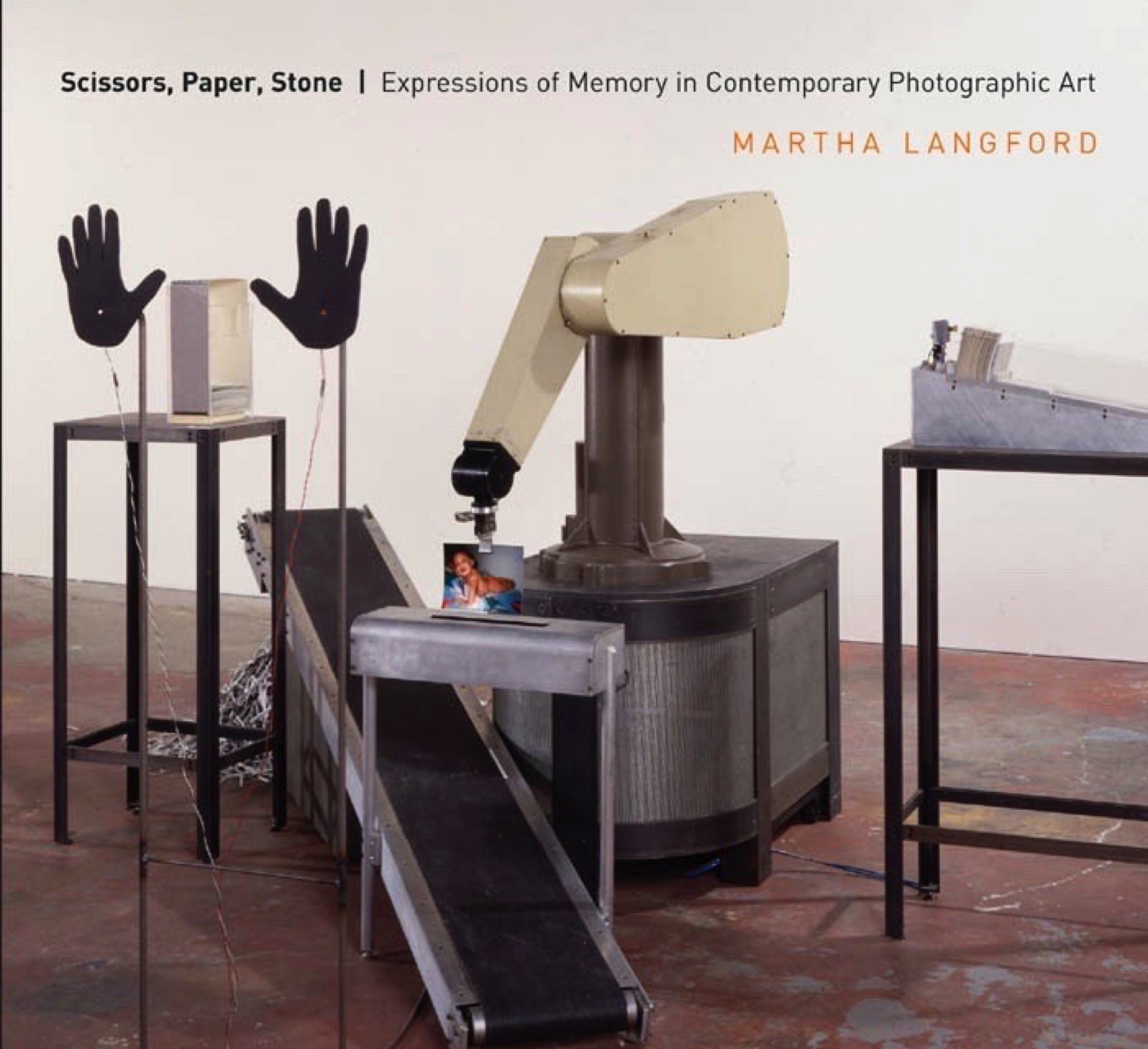
Martha Langford Scissors, Paper, Stone: Expressions of Memory in Contemporary Photographic Art, Montréal et Kingston, McGill-Queen’s University Press, 2007


By Michel Hardy-Vallée
[Excerpt]
When we try to reach a better understanding of the history of photography in Quebec, we inevitably stumble into three common areas. The first is absence: so, where is this reference book that everyone’s waiting for and no one has written yet? And yet, there are books on the history in Quebec of gardens, epidemics, bookstore owners, karate, special effects, television, and urology, to name just a few. We must choke back a “Eureka!” when we attentively reread the titles of histories of photography in Quebec City, or histories in photographs of Quebec.
The second is, “But there’s Michel Lessard.” On the shelves of the arts library at the Université du Québec à Montréal are three copies of a volume titled Histoire de la photographie au Québec (if I were a medieval scribe, I would have been thrilled with such an abundance of copies).1 In it is a compendium of essays on a variety of photographic subjects in Quebec during different eras. Therefore, such a body of knowledge does well and truly exist, but we are still lacking a synthesis.2
And so, we land in the final common area. Continuing our research, we are quickly drowning in the abundance of writings: there is so much – magazine and newspaper articles, scholarly journals and books, exhibition catalogues, even items on television and in films – that the problem seems once again incommensurable, and we truly hope that someone will organize it all for us. Then, someone will surely say that it’s out of fashion to write a history of photography.
So why are there so many general and national histories of the photobook? Where does this need to understand the photobook historically come from?3
Because I believe that writing the history of photography in Quebec is on the order of how rather than is there, I’d like to propose here some thoughts on the major scope of the problem – let’s say, the specifications for an eventual call for bids, to take a bureaucratic metaphor – because, after all, history is a public asset, both substantively and qualitatively speaking.
Let’s talk about history, let’s talk frankly. The different historiographic schools, the epistemological considerations, the great figures, and even the etymology of the word itself (“inquiry,” in ancient Greek) are legitimate entry points to the practice of history, but I would like to begin, rather, with the responsibility of the people who write it. What are their duties? What consequences of their acts should they envisage? The imperative to write the truth, “things as they happened,” is too vague on its own, because it does not consider who is writing, and for whom.
The quarrel between objectivity and subjectivity quickly reemerges: who wants to defend subjective knowledge? Rather, we should stop equating subjectivity with uncertainty, lying, or relativism. Even a physicist measuring atomic matter (objectively) with her instruments must interpret (subjectively) the meaning and scope of her results by using her grey matter and disciplinary knowledge. The historian of photography who objectively dates a picture also uses his judgment to attribute meaning to it. So, let’s talk, rather, about instrumental or interpretive knowledge: the former may (partially) delegate its validity to a tool; the latter depends entirely on the integrity and skill of the people who formulate it.
We thus discern history as a question asked by real people. Each story becomes, in its turn, a historical fact. This question does not lead solely to an inquiry of the past. It finds its answer there, but it challenges a fact before us: why does photography exist in Quebec today?
Two new pitfalls emerge: teleology and the prison of context. G. W. F. Hegel was the champion of the former, better known via his avatars, such as Karl Marx and Francis Fukuyama. The period that followed the break-up of the Soviet bloc left us to easily dismiss the certainty of the end of history, but a lesser version of it might persist: the idea of constant progress and the certainty that our epoch is inevitable.
The second pitfall doesn’t really look like one. Educated to see the past as a foreign country, we try to put ourselves in its shoes, as Erwin Panofsky put it. But we can’t get out of our own shoes, as we can see in contemporary protests against canonic figures, statues, and other monuments that should fall. Injustices are not resolved by saying to oneself, “it was different before.” History is a question that we ask, and the answer will inform not just the past but who we are.
Accumulating and narrating. So, why question ourselves about history? Let’s consider teaching, which involves the transmission – and, thus, the shaping and choice – of knowledge. Writing the history of photography in Quebec is an attempt to guarantee its continuity, in particular if we are aiming to produce a textbook or introductory work on the subject. The responsibility of which I spoke above is thus expressed in the integrity and skill with which we select historical material, organize it, and make it available for the benefit of our audience, and how we define “we.”
A new dilemma emerges: should we study more cases to increase generalization, or shore up our context to better situate the cases? Let’s deconstruct this opposition by remembering that these two approaches, inductive and deductive, are not mutually exclusive in the human sciences, but two complementary kinds of comprehension. Special cases are always insufficient and the context always partial, but if we can distinguish these aspects, we will avoid errors such as hasty generalizations or undue elevation of specific events.
From the point of view of disciplines, these two approaches cover the respective fields of what were once called the antiquarians and the historians. Until the era of the historians Edward Gibbon and Joachim Winckelmann, many histories were written only as a function of narrative, political, or ideological needs, deliberately neglecting the messy details. On the contrary, although the antiquarians unearthed artefacts that are now priceless, they sometimes had trouble constructing coherent knowledge. That is why Gibbon and Winckelmann paid attention to the antiquarians’ precise descriptions of objects; it is also why the historian Jules Michelet breathed into his discipline the dust of the archives (braving the risk of silicosis). The antiquarian approach is recognized as a foundation of archaeology, and its revival can also be observed in the “material turn” of photography studies. Those whom we call “critics” thus bridge the distance between antiquarian thinking and historical thinking. The evaluative aspect that characterizes the contemporary profession should, rather, be read within a larger set of tasks that involve the use of judgment: linking a work to a context, issuing hypotheses on its missing parts, dating it and assigning it a creator, or organizing the sequence of versions.
In the antiquarian’s house? Is the history of photography in Quebec a discipline of antiquarians for lack of historians? Or might the narrative framework be an ideological imposition that eclipses specific facts? For, in effect, many case studies have been produced, all epochs combined, but few of them position photography over a long stretch of time. If we reframe these questions in pedagogical terms (teaching what, by whom, for whom?), we cannot ignore the generalization and leave some of the details to the experts.
This does not exclude the inductive approach, used for a wide variety of subjects, as is photography. If we proceed through qualitative surveys or analysis of significant examples, we can work in proximity to the object or the image while composing a more general historical horizon. I’m speaking here not of making a “fifty masterpieces” or similar list but of accomplishing, in the field of knowledge, the impression of the long term that is achieved in films through fixed images. Cases must be analyzed at the same time as continuities are comprehended. In other words, we cannot wait to have enough cases before making a synthesis, and vice versa.
For example, how might we speak about the origins of photography in Quebec? Thanks to contributions to Excursions daguerriennes by Gaspard-Pierre-Gustave Joly – who added on de Lotbinière, the name of his wife, owner of a seigneury – we can start by questioning the concepts of the photographic medium (the book consists of lithographs derived from daguerreotypes), of origin (this type of collection of views was already very common in business circles), and of Quebec (de Lotbinière divided his time among Europe, the colonies, and his estate situated in a country that was called the Province of Canada, defined by royal proclamation, ensconced in an Indigenous territory).
Let’s continue on the theme of printed material. In 1867, when Quebec was defined as a province within a dominion called Canada, important progress was being made in halftone printing by two Quebec City natives who formed a company in Montreal, and their technique was eventually used by a New York newspaper, the first daily illustrated with photographs. The continental scope of the North American economy, the power of mass media, and even Walter Benjamin’s theories on reproduction of images were appearing on the horizon.
Finally, let’s consider the photographs taken in the James Bay territory during the 1970s, such as those by Guy Turcot on construction sites (published) and by George Legrady in Cree communities (unpublished). In that region, economic nationalism came up against Indigenous territorial and cultural claims, themselves intertwined with the history of immigration in Canada and of treaties. These were the premise for colonial policies wooing East European peasants to come and farm the land in the central plains, which had been depopulated by the military, and establishing an immigration corridor that would eventually serve to welcome refugees from postwar Hungarian totalitarianism, such as the Legradys (and the Szilasis).
Combined, these examples trace elements that are key to our comprehension of the world. Not the triumphant advance of an obsessively nationalist fiction but an entanglement of cultures and trajectories, different power relations (colonial, economic, gender-based), the multiple meanings of events, and the imperfect or blurry contours (one might also say the bokeh) of facts on which focus is placed. Photography traverses Quebec, and the one leaves traces on the other. To write its history, we must mourn the passing of facile inferences, certain origins, and grand tradition.
The museum, the old subject; the book, the new one. In the early 2000s, Douglas R. Nickel noted the absence of a coherent photographic studies program, as the subject was dispersed among university departments to evade the centralizing hearth of art history promoted by Beaumont Newhall. It is in this context that the photobook was proposed as a centrifugal force, expressing its legitimacy as the authentic voice of photographers. It was met with skepticism by both art historians and art critics, such as Michael Fried, who defended photography as painting, and by the human sciences, which saw the photograph as a historical or social document.
Twenty years later, we observe the strength and importance of these books, although they have not become the answer to all questions. They brought back into fashion disciplinary tools such as chronological or national perspective, even a critique of versions, but it is, however, not necessary to make the same mistakes again. National histories of books on photography remind us of the significance of the sense of collective belonging to the imaginary that is the state, but we must guard against essentializing them in Weltanschauungs, hermetic epochs or ensembles.
The responsibility of interpretive knowledge involves both sustained attention to the complexity of the historical fact and the duty to communicate it in some comprehensible form. Just as the fruit of a mushroom spreads its individual spores, which fall to earth and weave an underground and decentralized network of mycelium, a history of photography in Quebec can use the strength of its case studies to weave a network of historical knowledge. Translated by Käthe Roth
2 This remark may seem contemporary, but the source is actually Raymond Corriveau, “L’histoire de la photographie: le parcours obligatoire de la méthode,” master’s thesis, McGill University, 1982, 146.
3 Peter Pfrunder and Martin Gasser (eds.), Swiss Photobooks from 1927 to the Present: A Different History of Photography (Baden: Müller, 2012); Horacio Fernández, The Latin American Photobook (New York: Aperture, 2011); Frits Gierstberg and Rik Suermondt, The Dutch Photobook: A Thematic Selection from 1945 Onwards (New York: Aperture, 2012); Ryuichi Kaneko et al., Japanese Photobooks of the 1960s and ’70s (New York: Aperture, 2009); Mikhail Karasik and Manfred Heiting, The Soviet Photobook 1920–1941 (Göttingen: Steidl, 2015); Martin Parrand Gerry Badger, The Photobook: A History, 3 vols. (New York: Phaidon, 2004–14).
4 See Georg Wilhelm Friedrich Hegel, Encyclopedia of the Philosophical Sciences in Basic Outline, trans. Klaus Brinkmann and Daniel O. Dahlstrom (Cambridge: Cambridge University Press, 2010) for an overview of Hegel’s thought, and Hegel’s Aesthetics: Lectures on Fine Art, trans. T. M. Knox (Oxford: Clarendon Press, 1975) for his account of art history. See also Karl Marx, Capital, Volume 1, trans. Ben Fowkes (Harmondsworth: Penguin Books, 1976); Francis Fukuyama, The End of History and the Last Man (New York: Free Press, 1992).
5 Herbert Butterfield, The Whig Interpretation of History (New York: W. W. Norton & Company, 1931). For a critique in the context of art history, see Olga Hazan, Le mythe du progrès artistique: étude critique d’un concept fondateur du discours sur l’art depuis la Renaissance (Montreal: Presses de l’Université de Montréal, 1999).
6 Erwin Panofsky, Meaning in the Visual Arts (Garden City, NJ: Doubleday Anchor Books, 1955).
7 James Turner, Philology: The Forgotten Origins of the Modern Humanities (Princeton, NJ: Princeton University Press, 2015), 111–12; Giovanna Ceserani, “Antiquarian Transformations in Eighteenth-century Europe,” in World Antiquarianism: Comparative Perspectives, ed. Alain Schnapp (Los Angeles: Getty Research Institute, 2014), 326.
8 Richard Mardsen, “In Defiance of Discipline: Antiquarianism, Archaeology and History in Late Nineteenth-century Scotland,” Journal of Scottish Historical Studies 40, no. 2 (2020): 104; Elizabeth Edwards and Janice Hart, Photographs Objects Histories: On the Materiality of Images (London: Routledge, 2004).
9 Although they concern the Canadian context as a whole, several books figure Quebec photography prominently and encourage systematic case studies rather than inscription in the historical continuity. See Penny Cousineau-Levine, Faking Death: Canadian Art Photography and the Canadian Imagination (Montreal and Kingston: McGill-Queen’s University Press, 2003); Martha Langford, Scissors, Paper, Stone: Expressions of Memory in Contemporary Photographic Art (Montreal and Kingston: McGill-Queen’s University Press, 2007); Andrea Kunard, Photography in Canada 1960–2000 (Ottawa: National Gallery of Canada, 2017). Kunard includes a short essay at the end of her book that sketches out a portrait of the period covered, which can be complemented by Martha Langford, “A Short History of Photography, 1900–2000,” in The Visual Arts in Canada: The Twentieth Century, ed. Anne Whitelaw, Brian Foss, and Sandra Paikowsky (New York: Oxford University Press, 2010).
10 Noël-Marie Paymal Lerebours, Excursions daguerriennes. Vues et monuments les plus remarquables du globe, vol. 1 (Paris: Rittner et Goupil; Lerebours; H. Bossange, 1842).
11 Terresa McIntosh, “W.A. Leggo and G.E. Desbarats,” History of Photography 20, no. 2 (1996): 146–49.
12 Guy Turcot, “Portfolio,” Le Magazine OVO (1979). This portfolio was followed by a double-page spread by Pierre Trudel titled “Visiteur dans son propre pays” (Visitor in one’s own country), dealing with the Crees’ visit to the Poste-de-la-Baleine site. Legrady’s photographs were disseminated on http://tango.mat.ucsb.edu/jamesbay/ in 2017.
13 The most grating example, in my opinion, is the statement “Quebec photography is born” in an article on the exhibition by the Groupe d’Action Photographique on Disraeli in Gilles Toupin, “Le Québec en images,” La Presse, December 23, 1972, D15.
14 Douglas R. Nickel, “History of Photography: The State of Research,” The Art Bulletin 83, no. 3 (2001): 548–58.
15 Sarah Greenough (ed.), Looking In: Robert Frank’s The Americans, expanded ed. (Washington, DC, and Göttingen: National Gallery Of Art/Steidl, 2009); Josef Koudelka and Clément Chéroux (eds.), Josef Koudelka: The Making of Exiles (Paris: Éditions Xavier Barral/Éditions du Centre Pompidou, 2017); Sarah M. Miller, Documentary in Dispute: The Original Manuscript of Changing New York by Berenice Abbott and Elizabeth McCausland (Cambridge, MA, and Toronto: MIT Press and RIC Books, 2020). On this last, see also my review of the book for the journal History of Photography: https://doi.org/10.1080/03087298.2021.1997200.
Michel Hardy-Vallée is a historian of photography and Visiting Scholar at the Gail and Stephen A. Jarislowsky Institute for Studies in Canadian Art, Concordia University. His research is concerned with photography books, visual narration, interdisciplinary practices, and the archive, in the contexts of Quebec and Canada. He has published his work in History of Photography and through a number of edited collections and conference papers. He is currently working on a monograph about Montreal photographer John Max (1936–2011).
[ Complete issue, in print and digital version, available here: Ciel variable 120 – FIGURES OF AFFIRMATION ]