
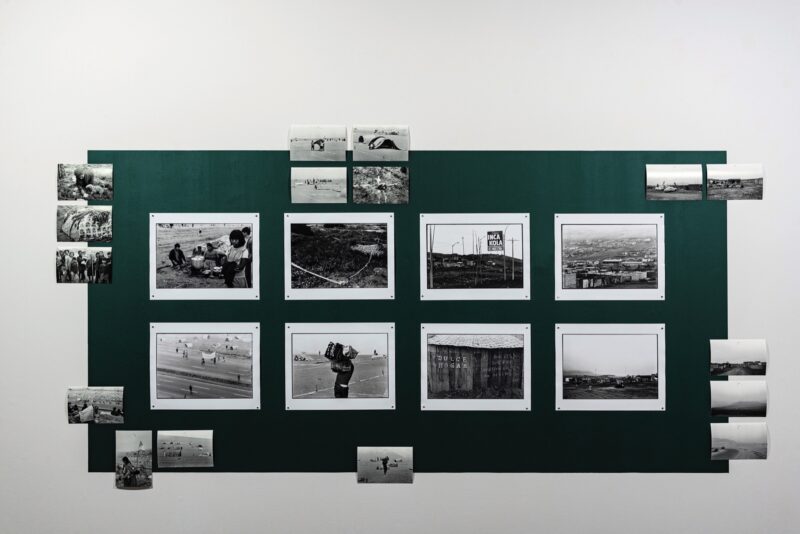
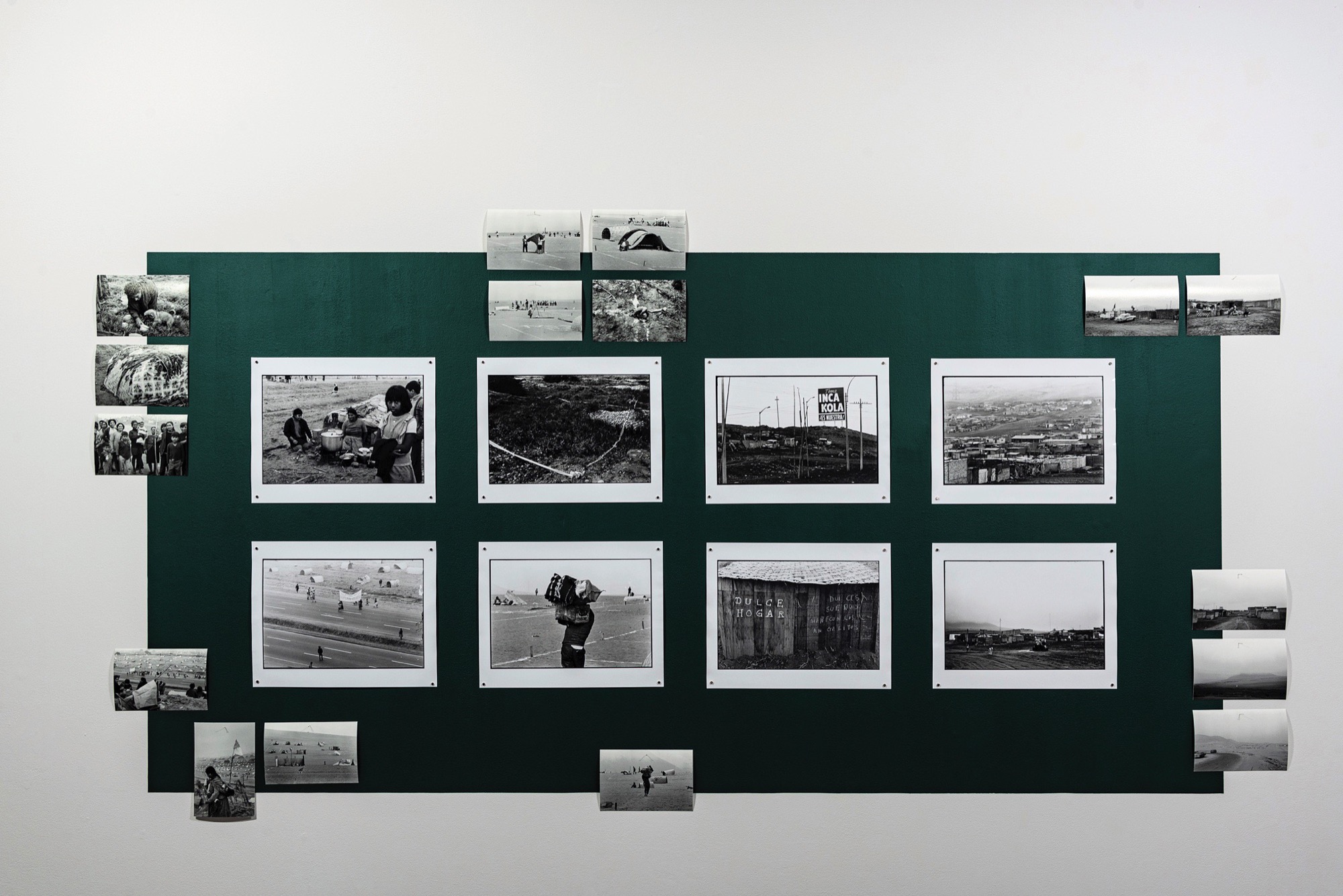
Carlos Ferrand Zavala, Villa El Salvador, 28 avril 1971 (et plus tard), 8 épreuves à la gélatine argentique virées au sélénium / selenium-toned gelatin silver prints, tirages de / printed in 2018, 28 × 35 cm chacune / each, 16 épreuves numériques / digital prints, tirages de / printed in 2021, 12 × 18 cm chacune / each, photos : Arcpixel - Freddy Arciniegas
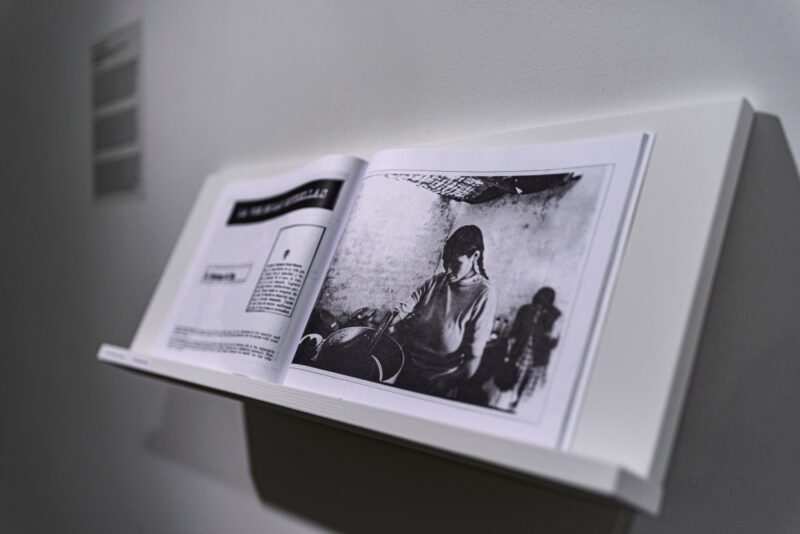
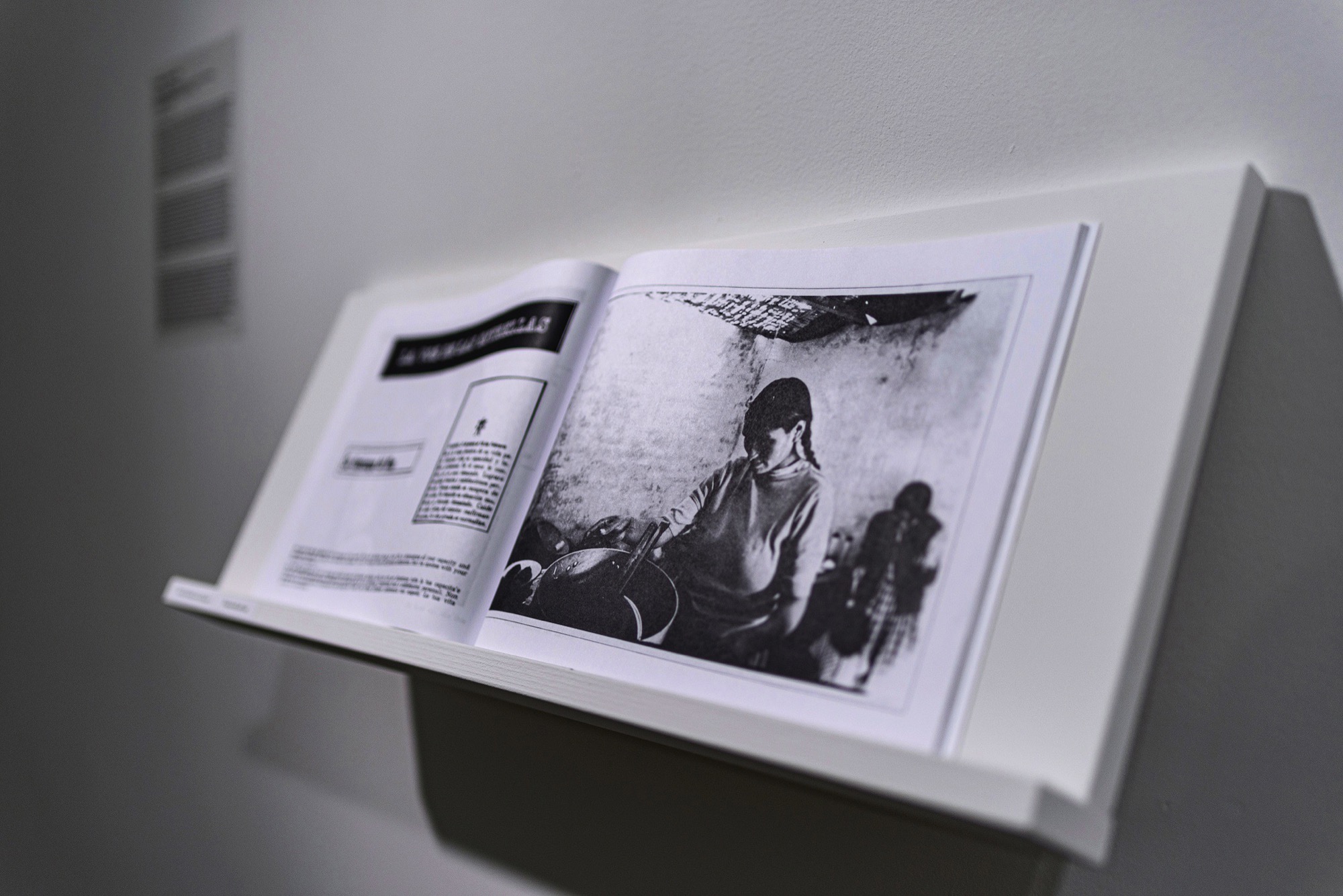
Carlos Ferrand Zavala, Occidental y cristiano, 1971, avec la contribution de / with Pedro Neira, 40 photographies, Lima, Editorial Gráfica Pacific Press, 23 × 30 cm, 90 pages, facsimilé / facsimile, 2010
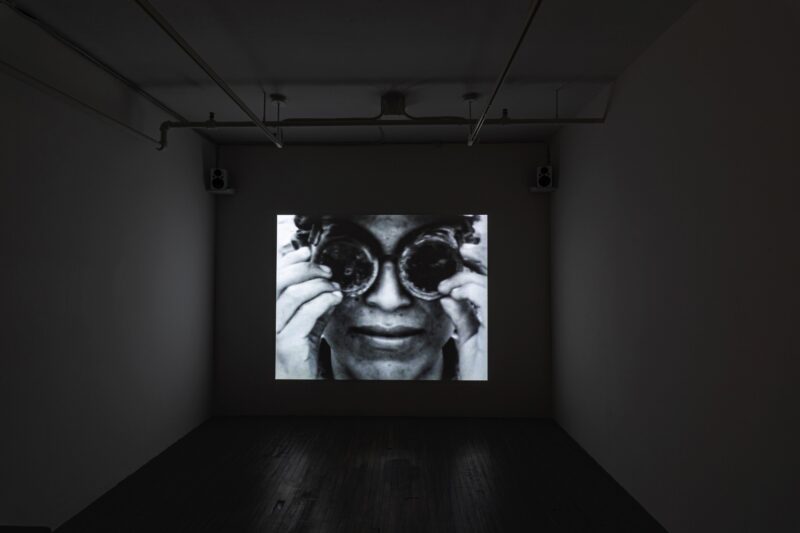
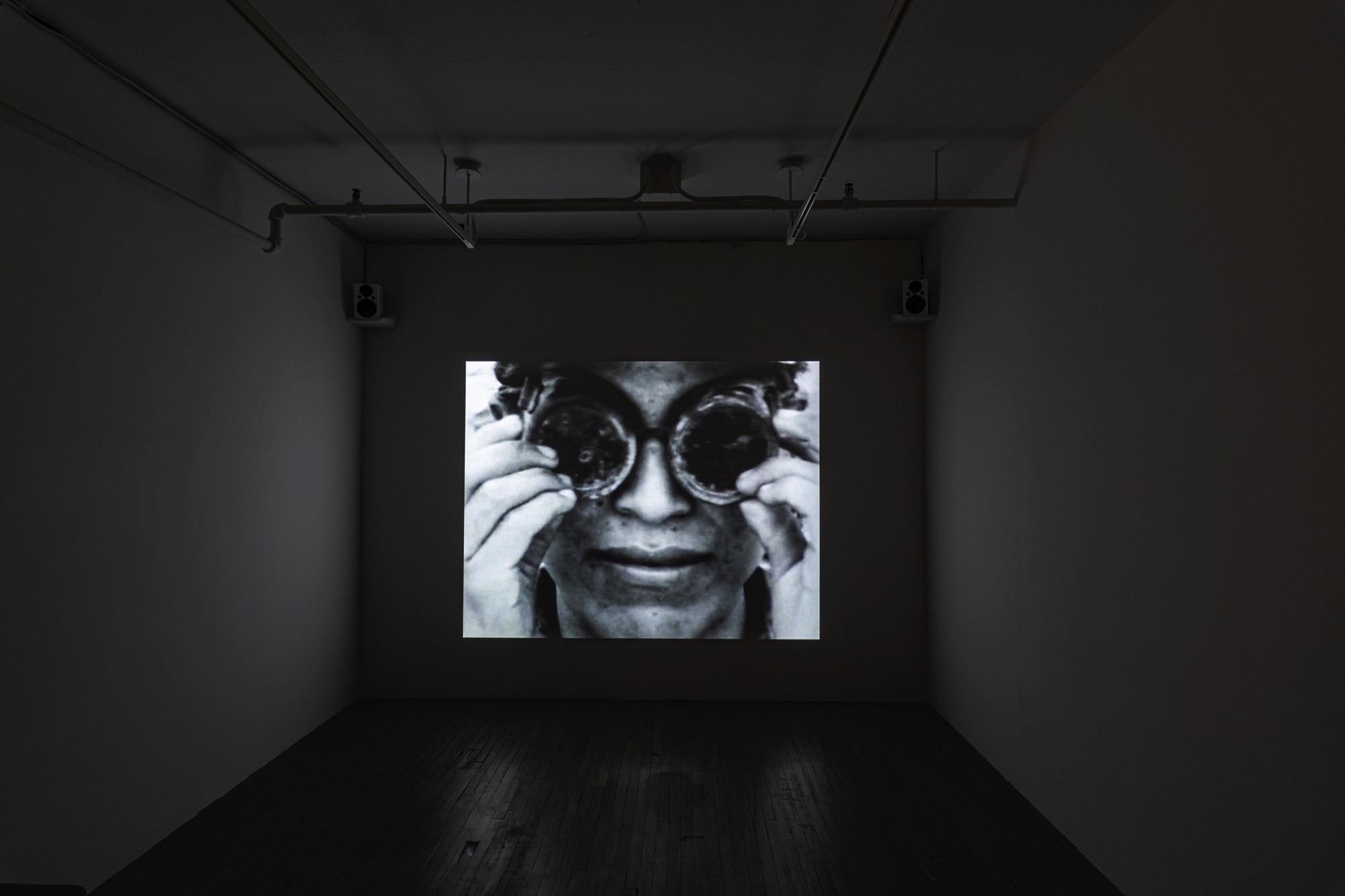
Carlos Ferrand Zavala, Mecánicos piratas de Lima, 1973 [2021], transfert numérique d’un film 8 mm noir et blanc / digital transfer from black-and-white 8 mm film, 21 min 35
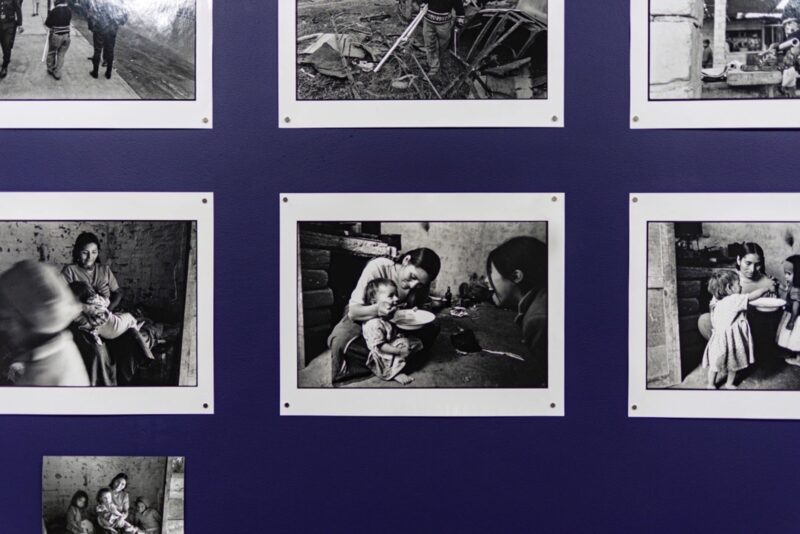
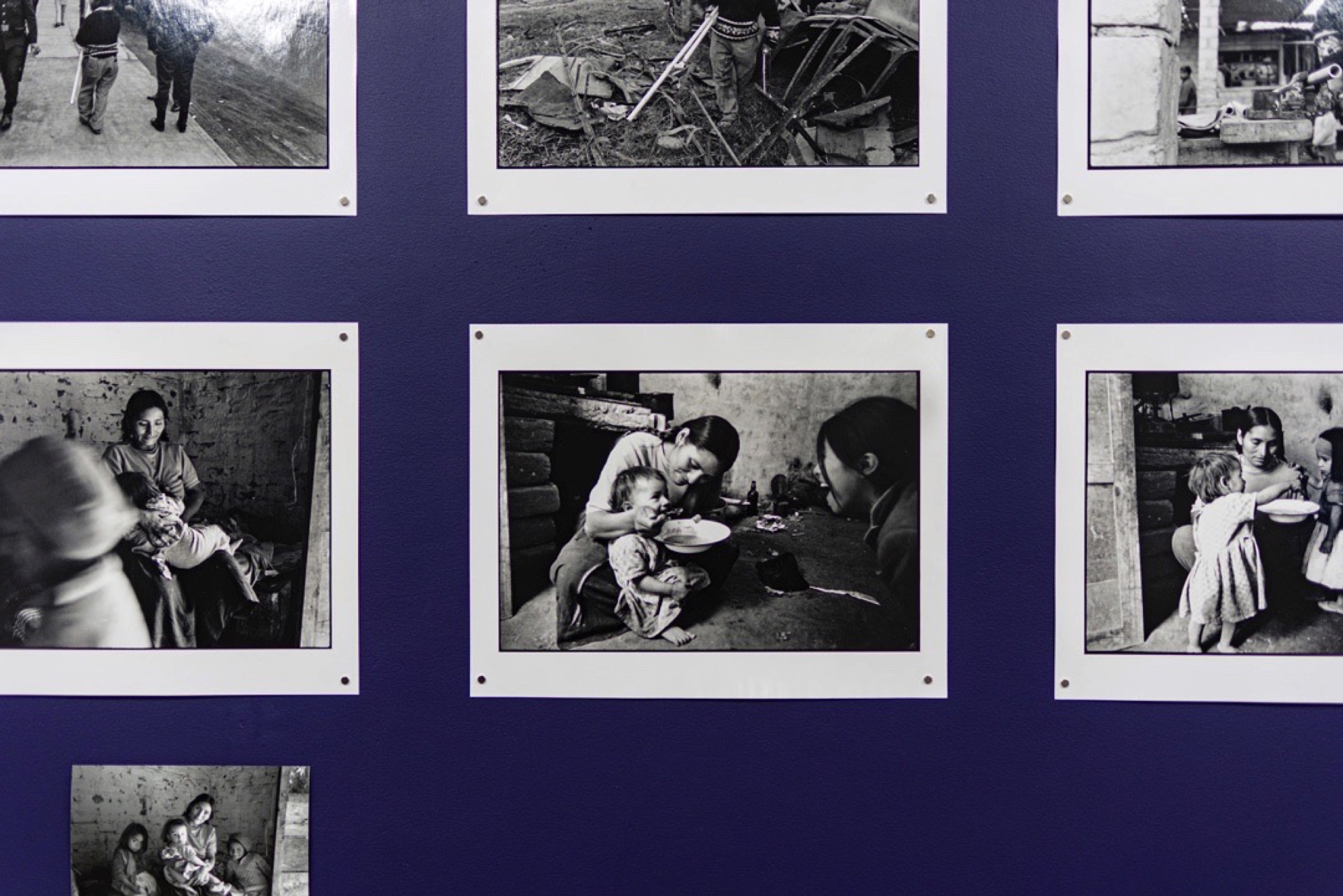
Carlos Ferrand Zavala, La familia Rojas, 1971, avec la contribution de / with Pedro Neira, 39 épreuves à la gélatine argentique virées au sélénium photo / 39 selenium-toned gelatin silver prints, 28 × 35 cm chacune / each, 32 épreuves numériques / 32 digital prints, 12 × 18 cm chacune / each
[Winter 2022]
Carlos Ferrand Zavala, Resistencia. Perú, 1970–1975
By Alexis Desgagnés
SBC, galerie d’art contemporain, Montréal
4.09.2021 — 23.10.2021
Peruvian-born Montreal artist Carlos Ferrand Zavala, recipient of the Bourse de carrière Michel-Brault from the Conseil des arts et des lettres du Québec in 2015, is known mainly as a director, screenwriter, and cinematographer. Among his latest films are 13, un ludo-drame sur Walter Benjamin (2017), a highly personal documentary exploring the thought of the German philosopher. More recently, in Jongué, carnet nomade (2019), Ferrand immersed himself in the work of photographer and author Serge Emmanuel Jongué (died 2006) with a portrait addressing the themes of identity, otherness, and mixed blood shared by both creators. The exhibition Resistencia. Perú, 1970–1975 revisits a body of photographs and films produced by Ferrand early in his career, when he returned to Peru after a stay at the Institut national supérieur des arts du spectacle et des techniques de diffusion in Brussels.1
Peruvian-born Montreal artist CarlosFerrand Zavala, recipient of the Bourse de carrière Michel-Brault from the Conseil des arts et des lettres du Québec in 2015, is known mainly as a director, screenwriter, and cinematographer. Among his latest films are 13, un ludodrame sur Walter Benjamin (2017), a highly personal documentary exploring the thought of the German philosopher. More recently, in Jongué, carnet nomade (2019), Ferrand immersed himself in the work of photographer and author Serge Emmanuel Jongué (died 2006) with a portrait addressing the themes of identity, otherness, and mixed blood shared by both creators. The exhibition Resistencia. Perú, 1970–1975 revisits a body of photographs and films produced by Ferrand early in his career, when he returned to Peru after a stay at the Institut national supérieur des arts du spectacle et des techniques de diffusion in Brussels.
At the time, the revolutionary government of Juan Velasco Alvarado was undertaking a vast agrarian reform; the property of many landowners was expropriated and redistributed to disadvantaged classes, including Indigenous peoples. Ferrand, from a privileged family, began to document the lives of his less-well-off compatriots through personal art projects or while working for governmental organizations promoting the reform. It is this context to which the exhibition takes us, through two series of photographs and four films reflecting his social concerns – concerns shared by the comrades with which he created some of these works – which foretell, in a way, later developments in his approach.
In Resistencia. Perú, 1970–1975, Ferrand directs his attention, among other things, to various manifestations of the Peruvian alternative economy, such as the activities of groups of mechanics and the itineraries of cargo ships in the films Mecánicos piratas de Lima (1973/2021) and (sans titre) (1974). He probes the living conditions of those living in poverty in his country, notably by photographing the illegal occupation of the district of Villa El Salvador and daily life of the Rojases, a Quechua-origin family with whom he lived for two years in a house in the La Campiña slum. The film Niños del Cusco (1974), which directly evokes the Velasco government’s agrarian policies, features a group of children who must go to work to provide financial support for their families. Finally, the film Cimarrones (1975/1982), the only fiction work in the exhibition, leaves the documentary register for the Western genre to tell a story of African-Peruvian slaves – a story that denotes a resolutely anticolonial position.
Many of the works in the exhibition, not widely circulated previously, were rearticulated for the occasion with the involvement of the curator, Zoë Tousignant. For Tousignant, this collaboration was coherent with her preceding projects, which generally dealt with the history of Quebec photography or the production of contemporary photographers. The dialogue at the heart of the proposal that she and Ferrand conceived grew out of the need to acknowledge his photographic work, which had been rediscovered, after a fashion, by the mention in Horacio Fernández’s The Latin American Photobook (Aperture, 2011) of Ferrand’s book Occidental y Cristiano. Published in Peru in 1971, the book included Ferrand’s images of the Rojas family.
The works presented in Resistencia. Perú, 1970–1975 attest to the specific political context in which they were made and are therefore imbued with powerful evidentiary value. But beyond these conditions of production, which sometimes imposed an almost propagandistic tone, they expose a sincere artistic vision and great humanism. Whether he is returning repeatedly to the motif of the cargo ship or pointing his camera at the Rojas family, Ferrand’s gaze at those around him evinces his real affection for humankind, which is manifest in all of his projects. His aesthetic sensibility, conveyed notably by the use of visual procedures such as over-exposure (Cimarrones) and motion (Niños del Cusco), also engenders true moments of visual epiphany. Translated by Käthe Roth.
Artist and author Alexis Desgagnés lives in Montreal and teaches art history at a college. He is the author of the artist books Banqueroute (2016) and Ammoniaque (2021), both published by Les Éditions du Renard.
Buy the issuepan>