
[Summer 2022]

Dana Claxton, The Mustang Suite: Baby Boyz Gotta Indian Pony, 2008, épreuve à développement chromogène / chromogenic print
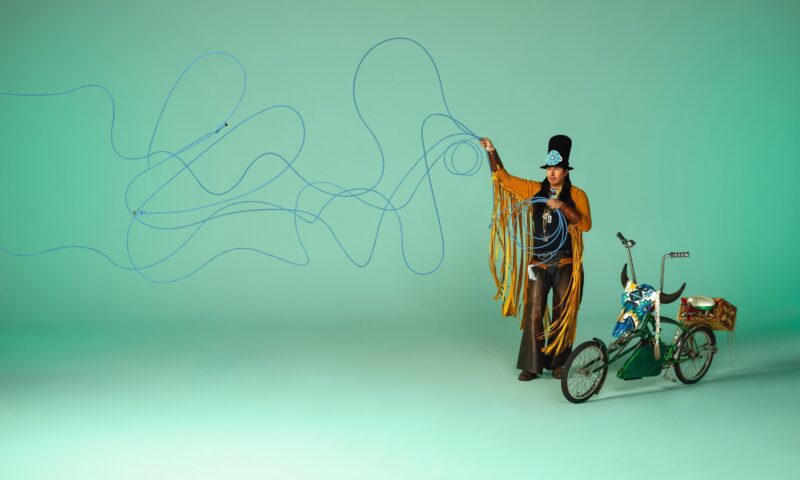
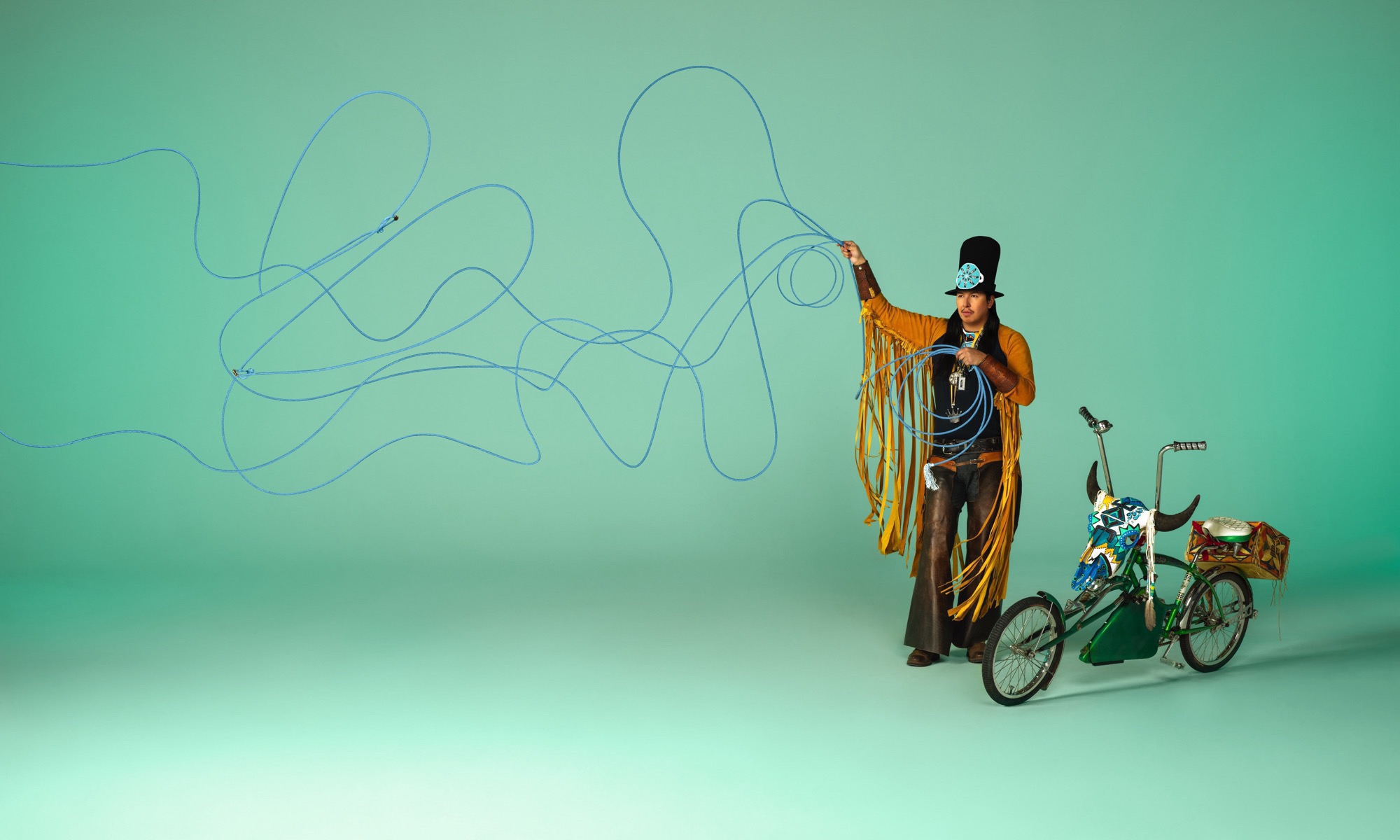
Lasso, 2018, boîte lumineuse DÉL avec épreuve à développement chromogène sur transparent / LED firebox with transmounted chromogenic transparency
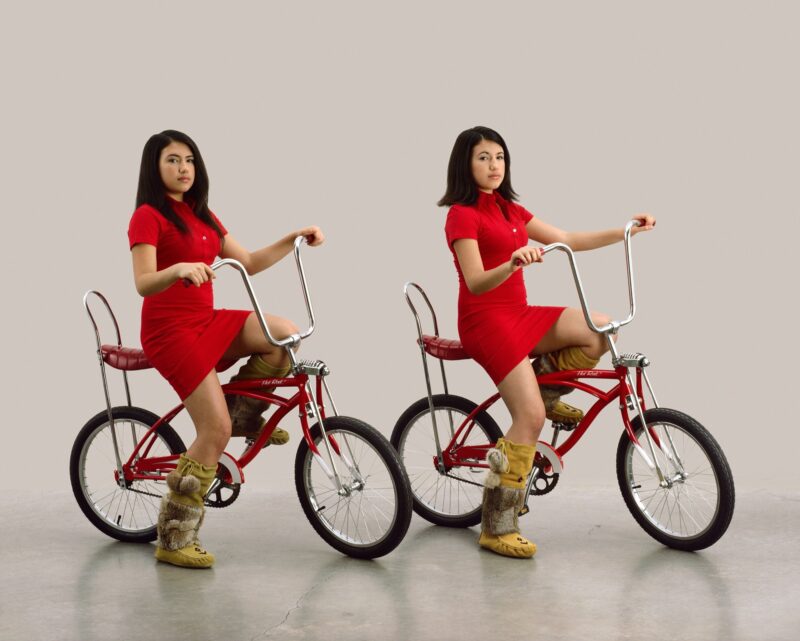
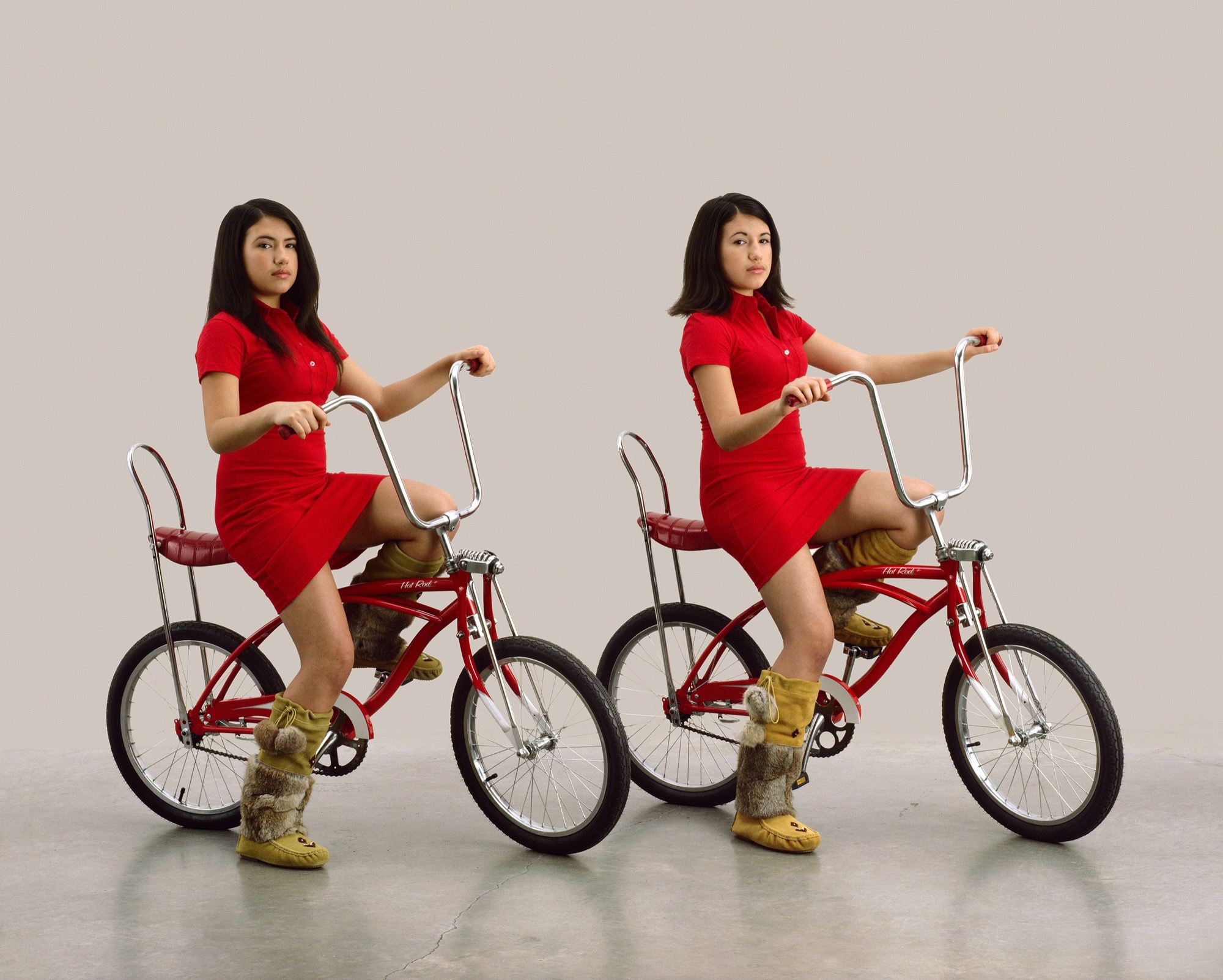
Dana Claxton, The Mustang Suite: Baby Girlz Gotta Mustang 2008, épreuve à développement chromogène / chromogenic print
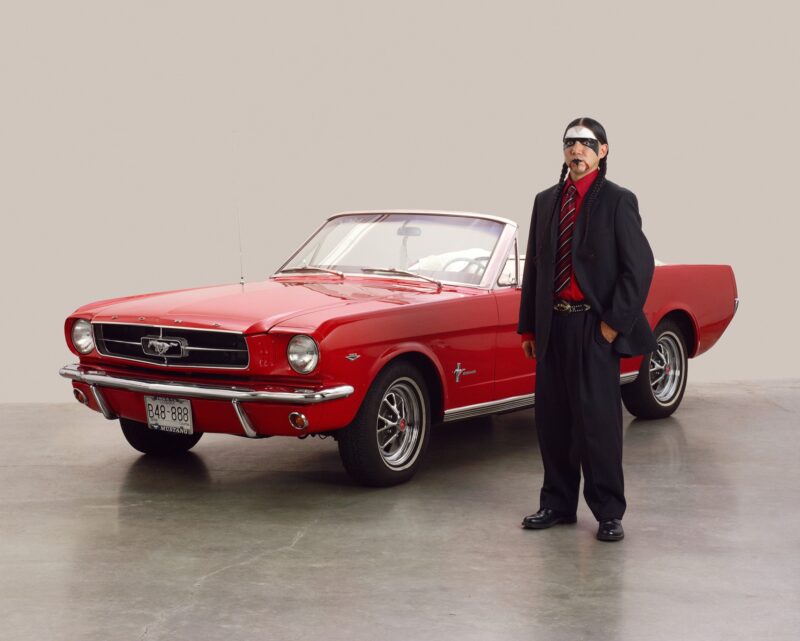
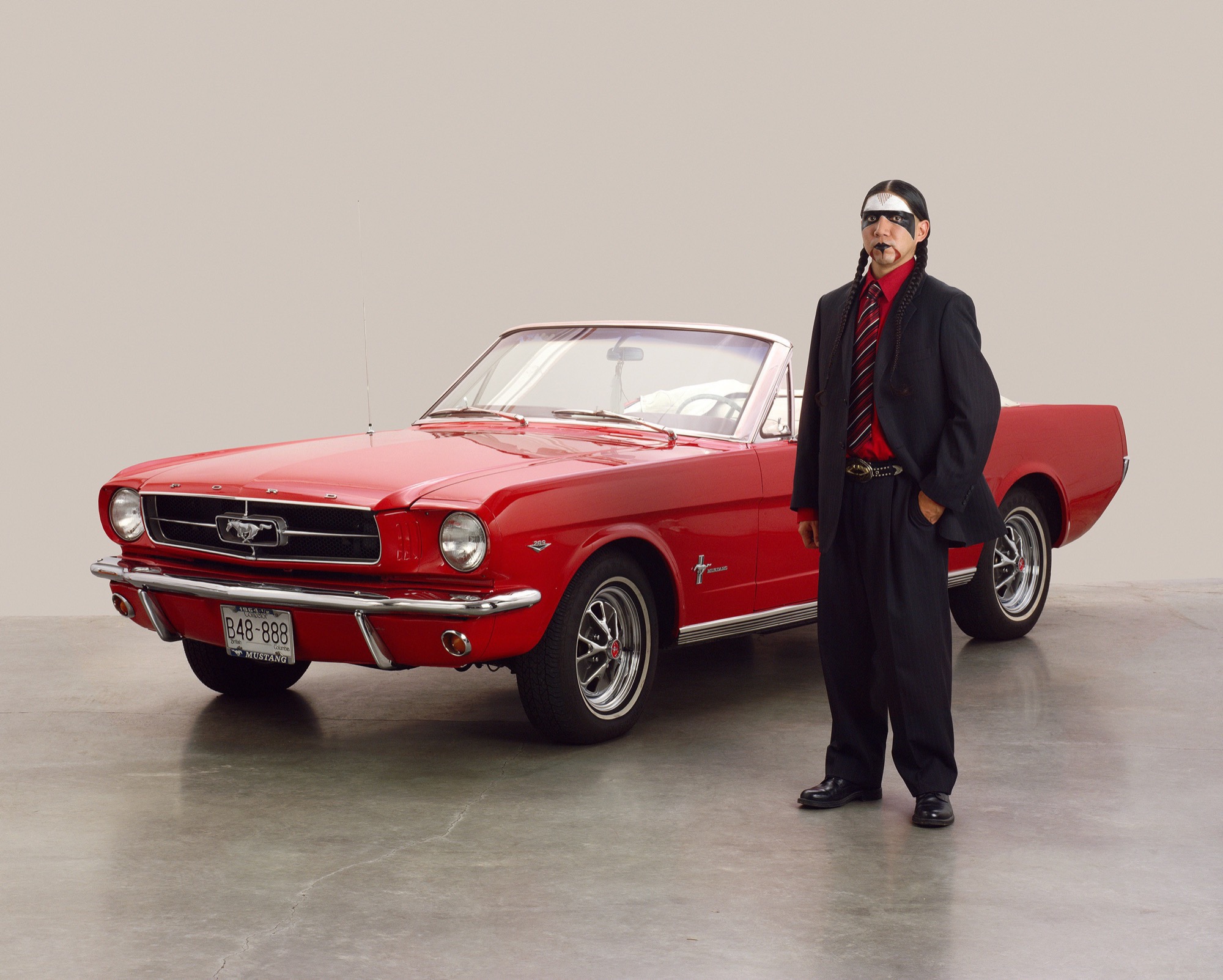
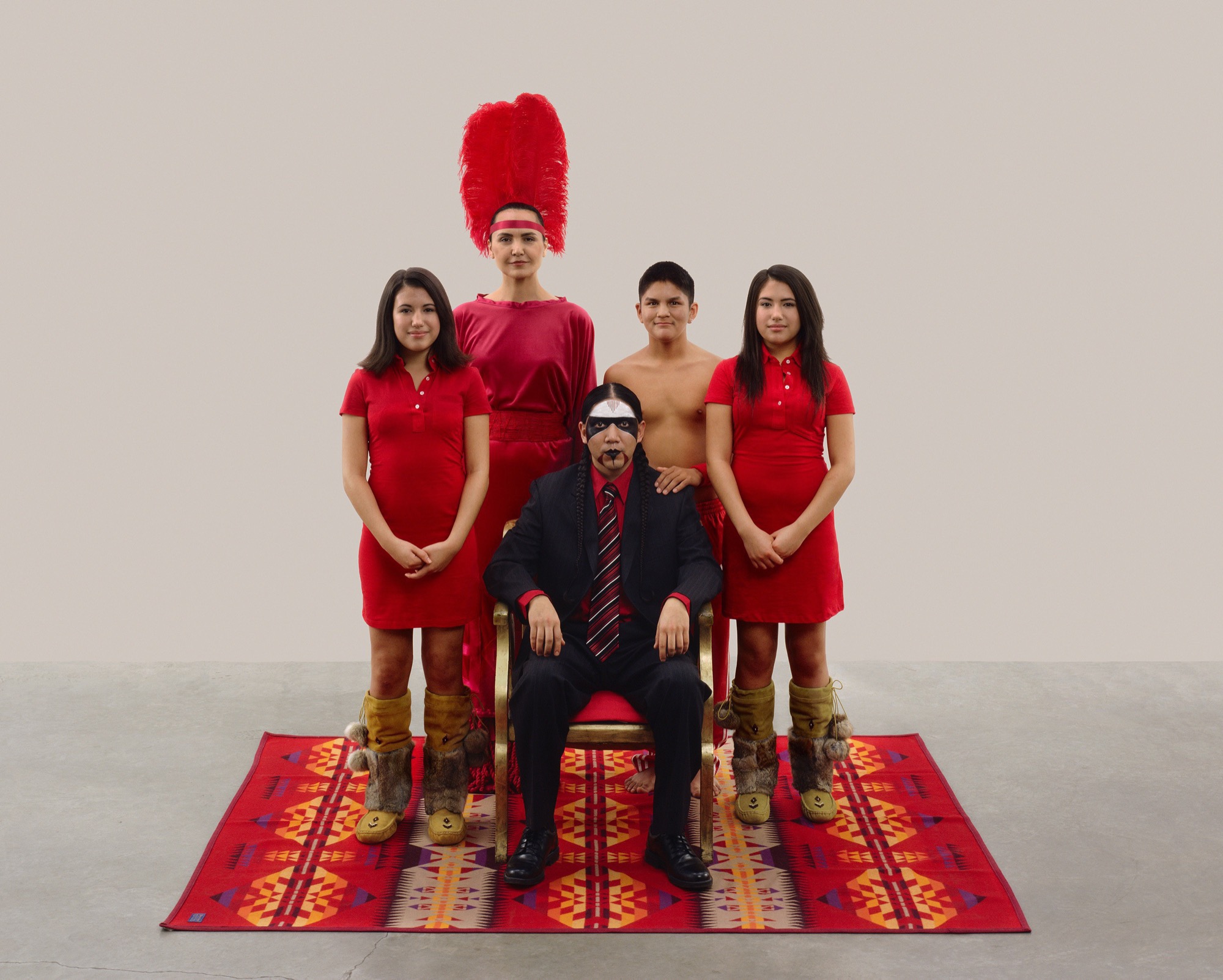
The Mustang Suite: Daddy’s Gotta New Ride 2008, épreuve à développement chromogène / chromogenic print
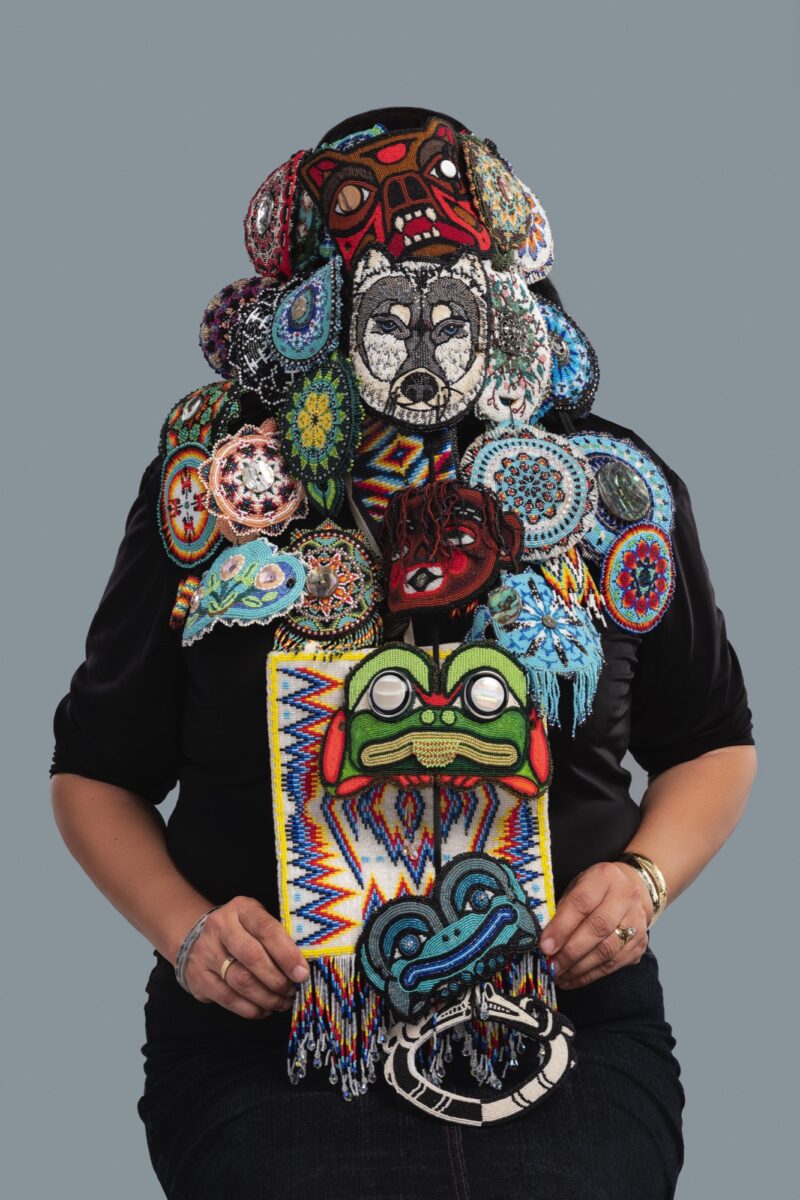
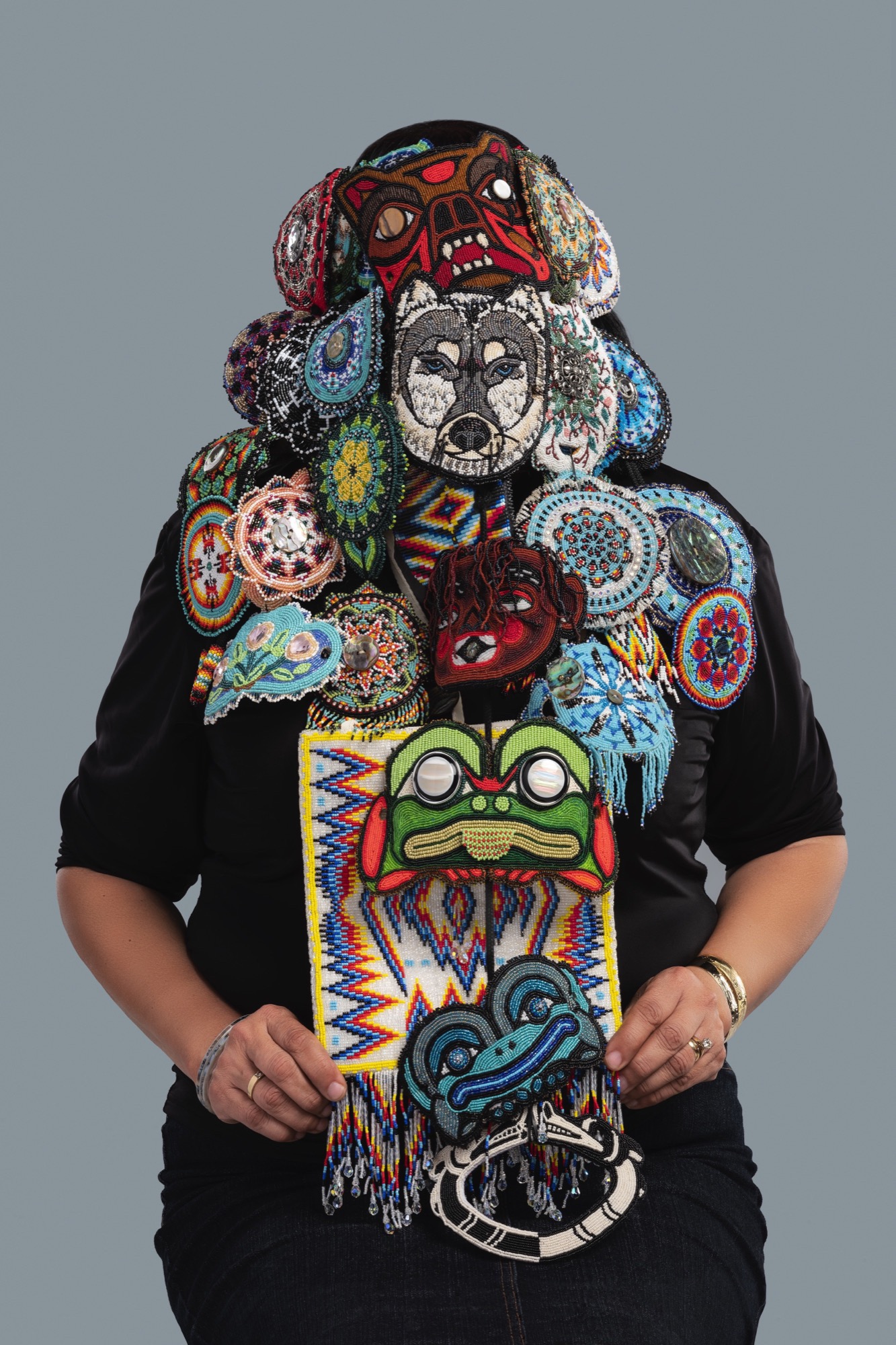
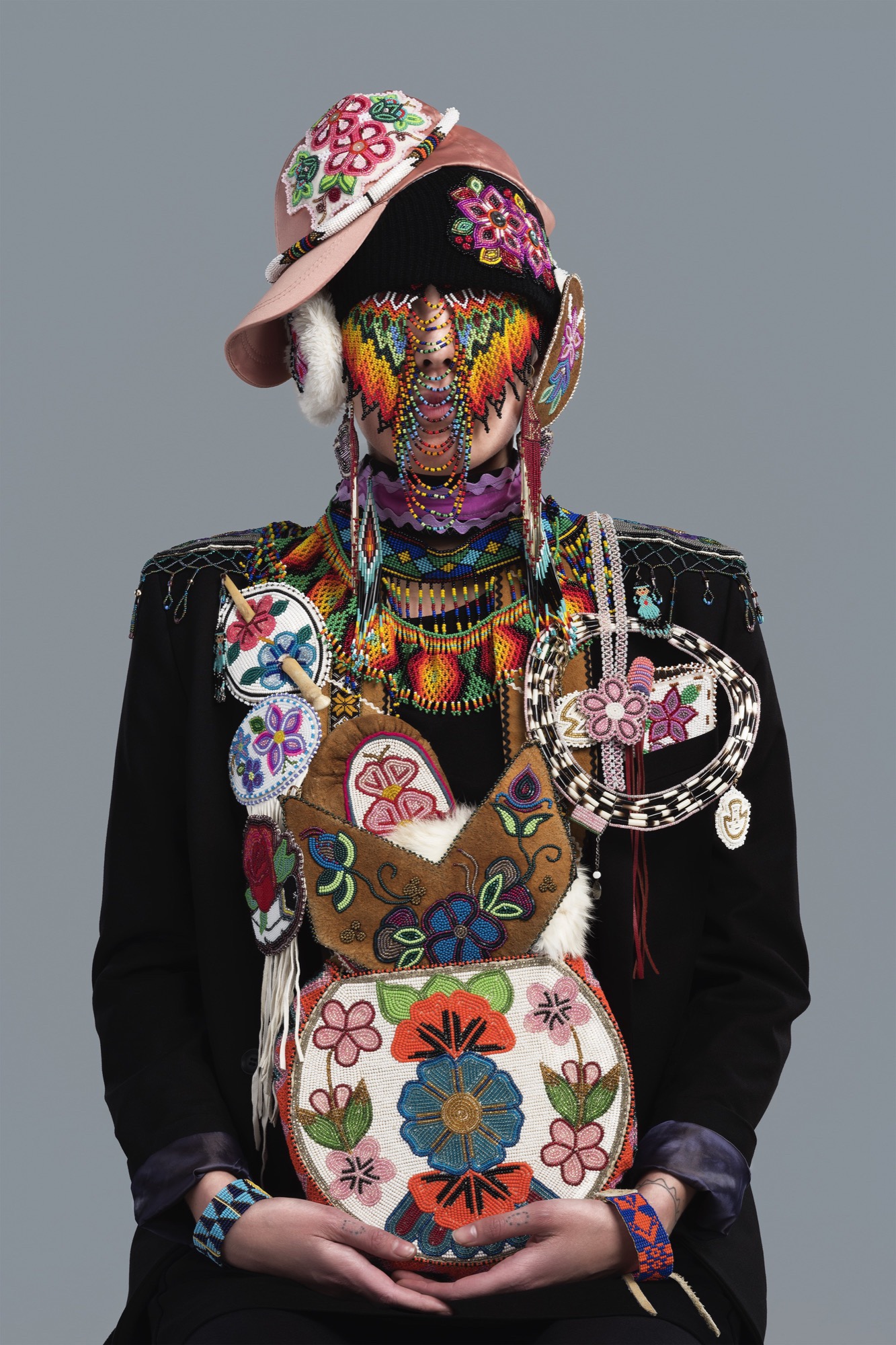
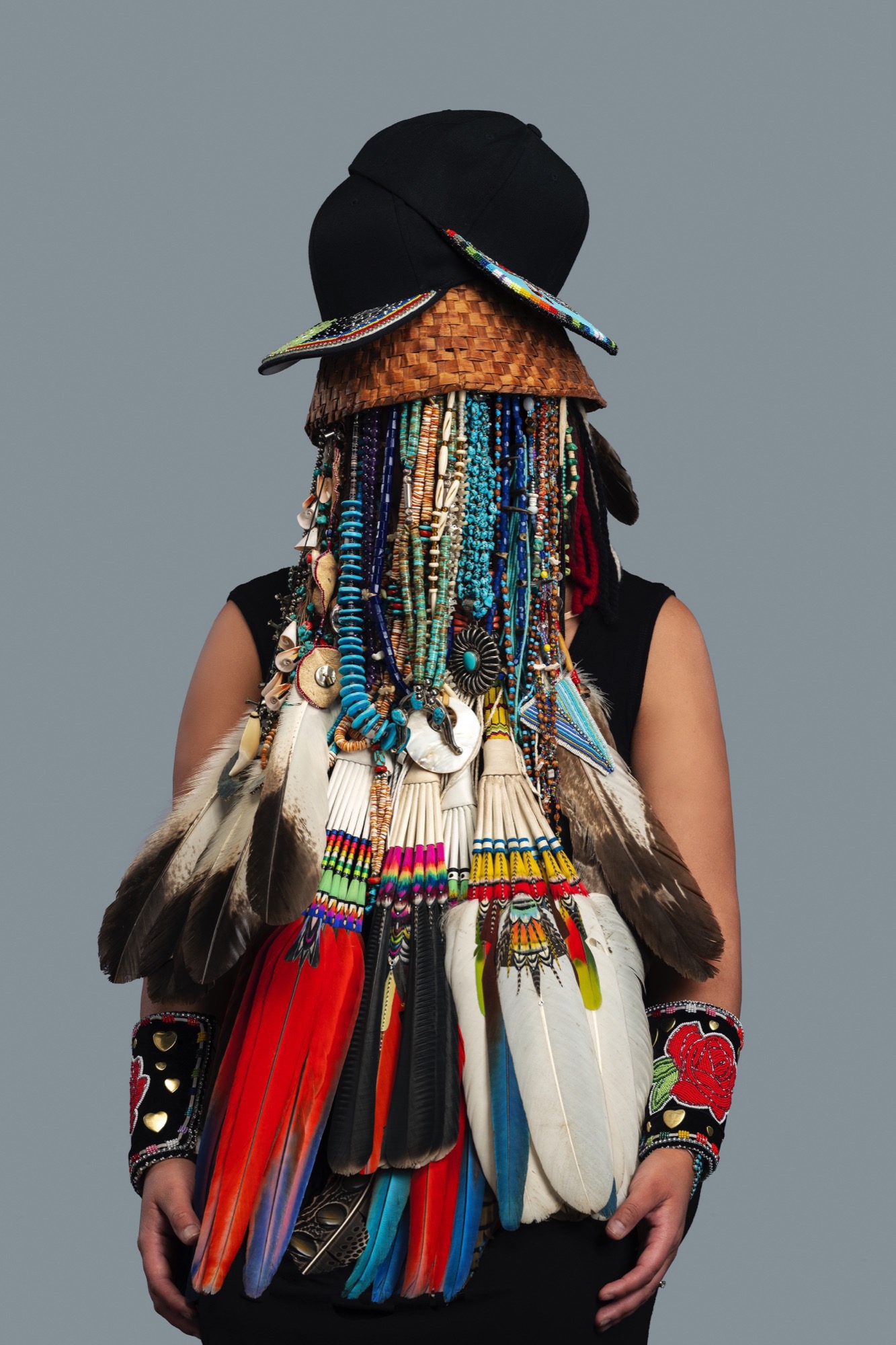
Dana Claxton, Headdress – Connie 2019, boîte lumineuse DÉL avec épreuve à développement chromogène sur transparent / LED firebox with transmounted chromogenic transparency
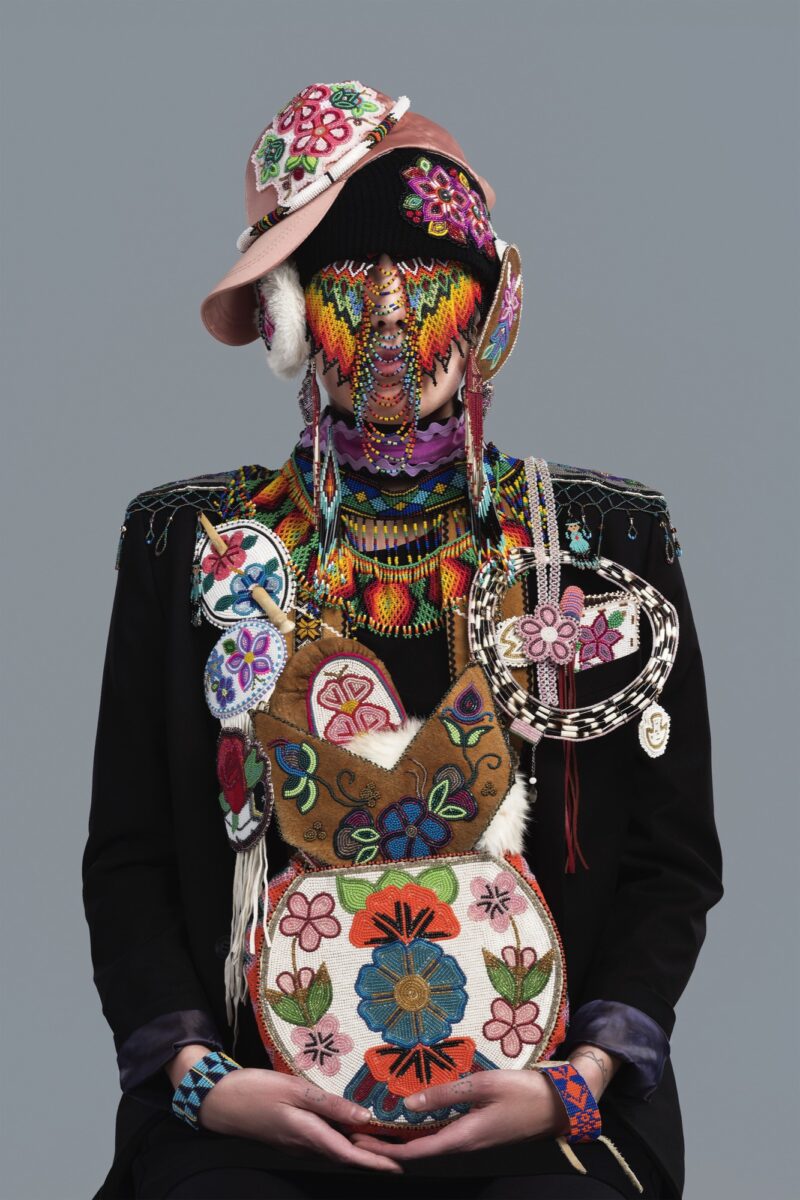
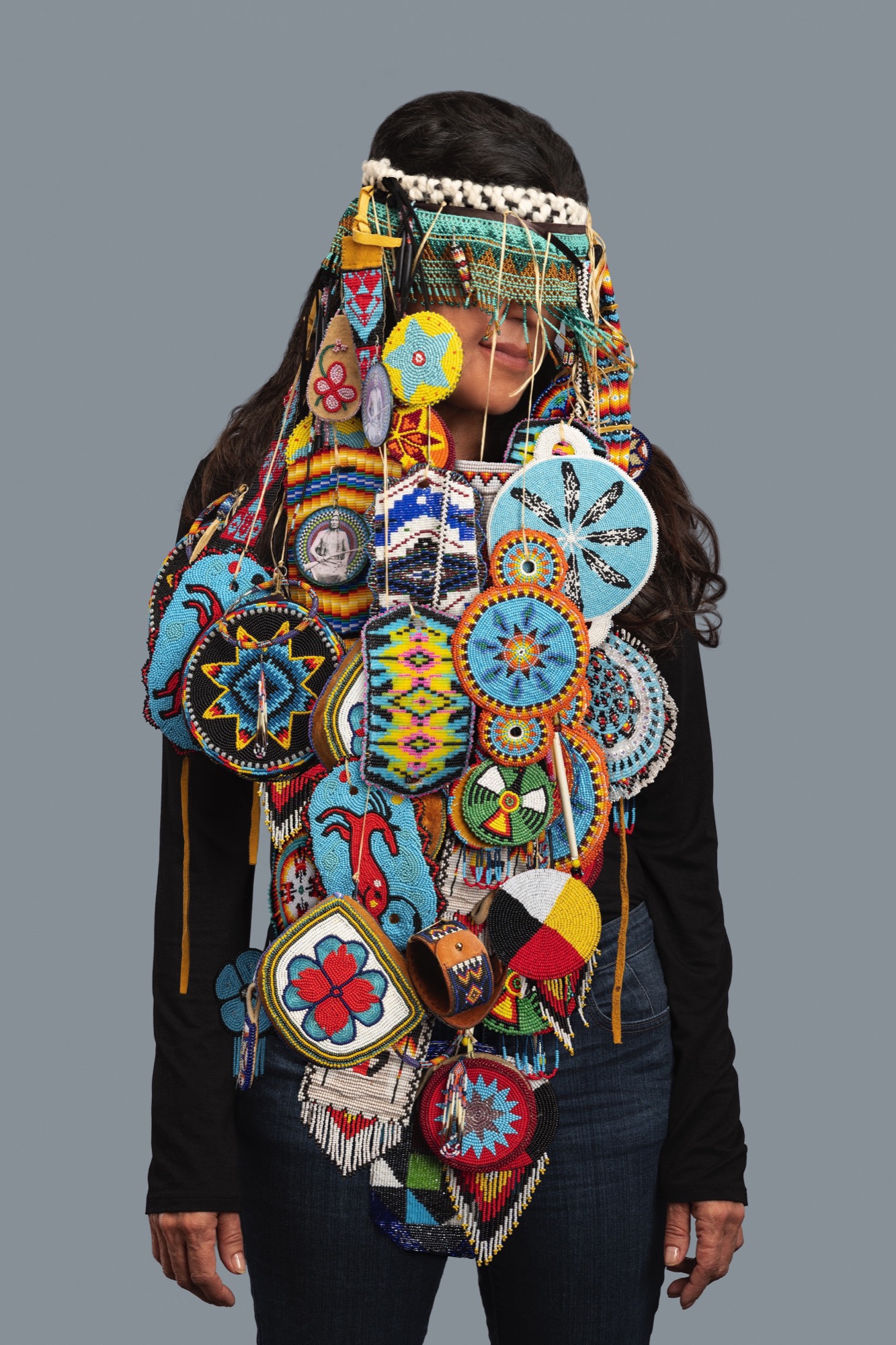
Dana Claxton, Headdress – Jeneen 2019, boîte lumineuse DÉL avec épreuve à développement chromogène sur transparent / LED firebox with transmounted chromogenic transparency
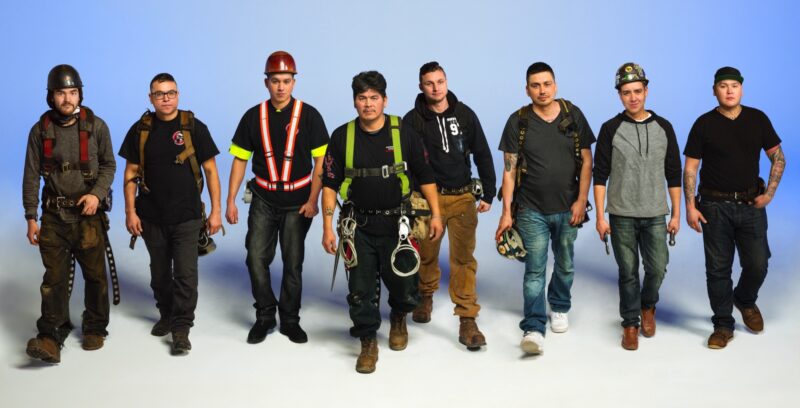
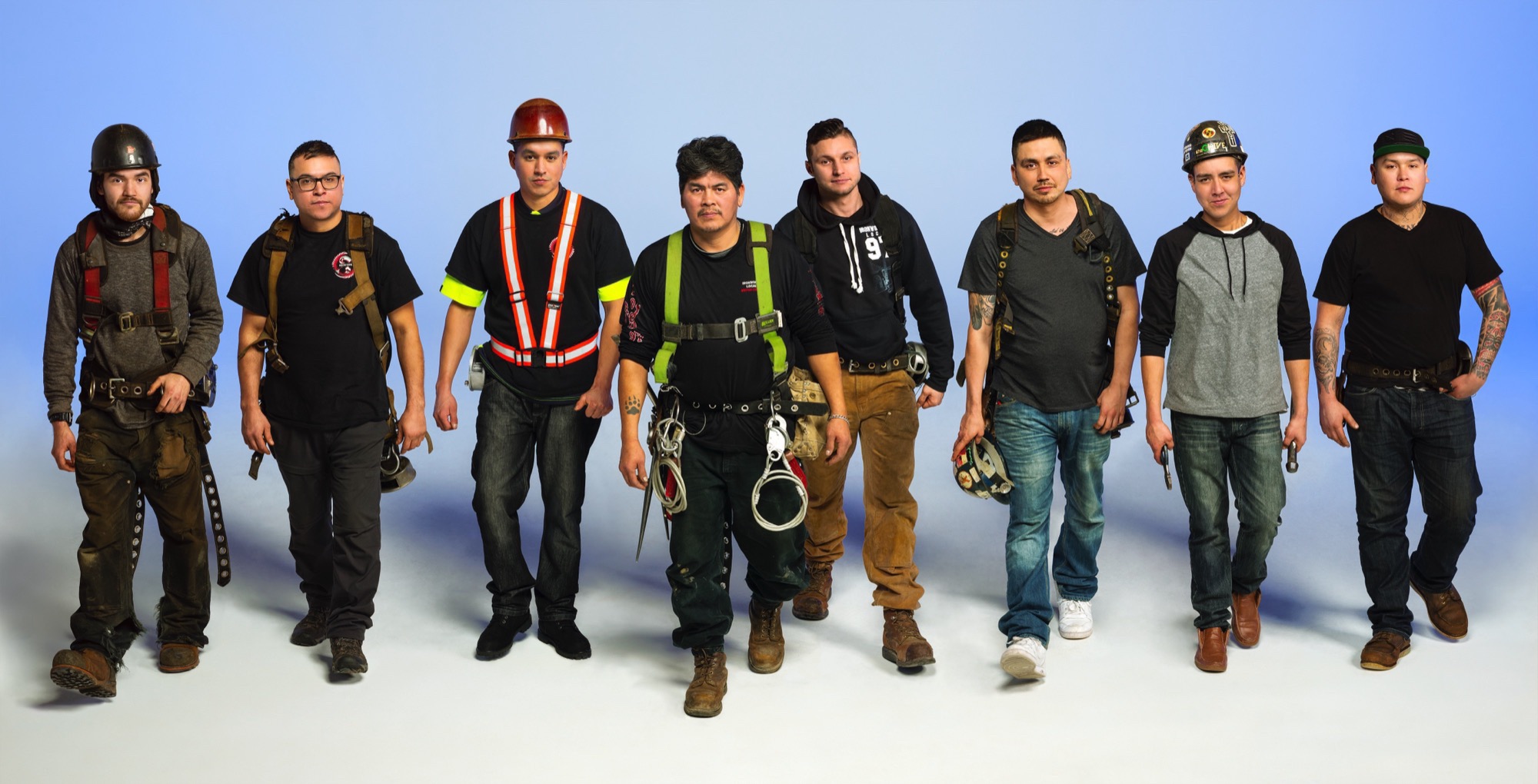
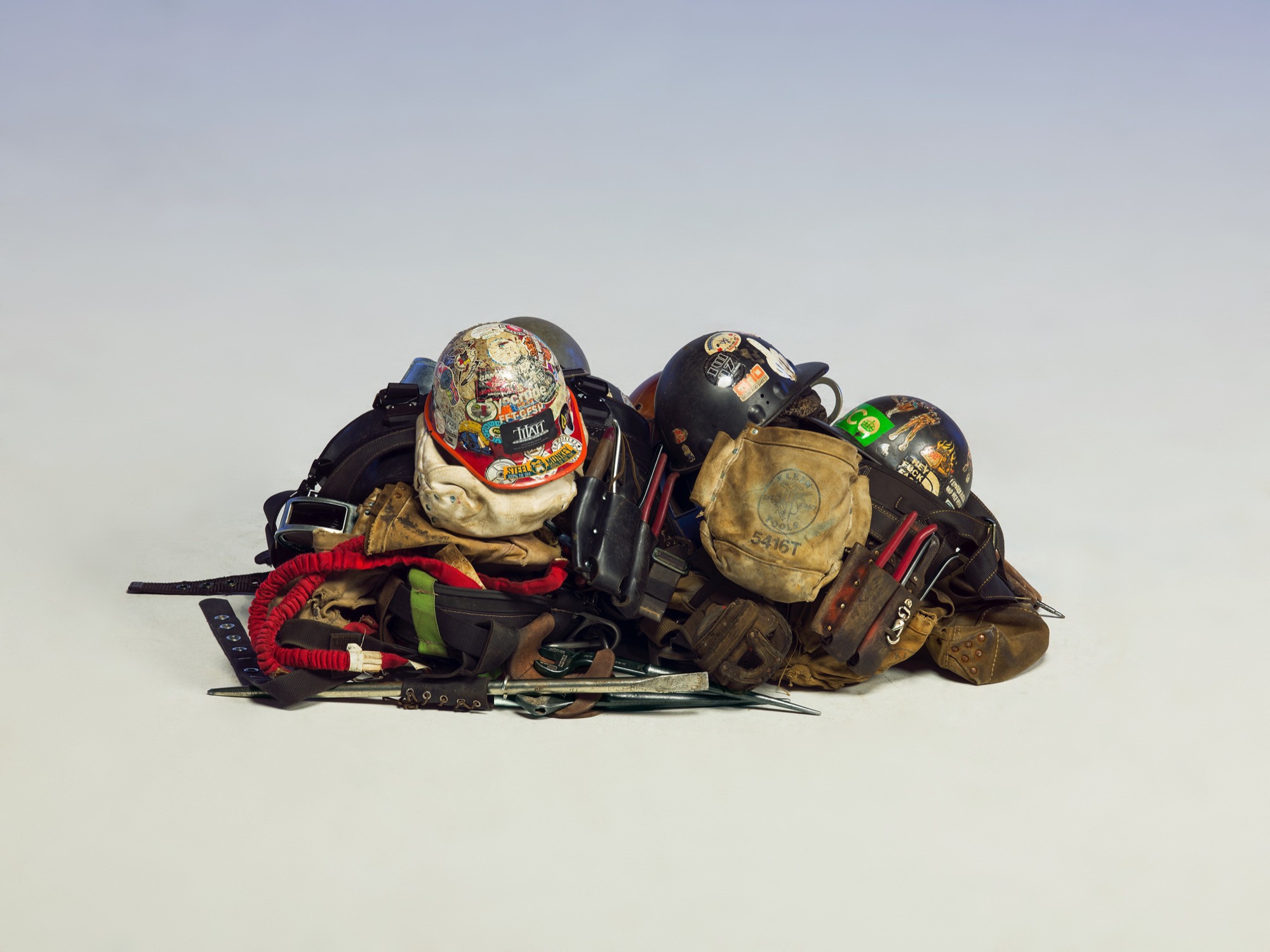
Dana Claxton, NDN Ironworker Tool Still Life 2018, boîte lumineuse DÉL avec épreuve à développement chromogène sur transparent / LED firebox with transmounted chromogenic transparency
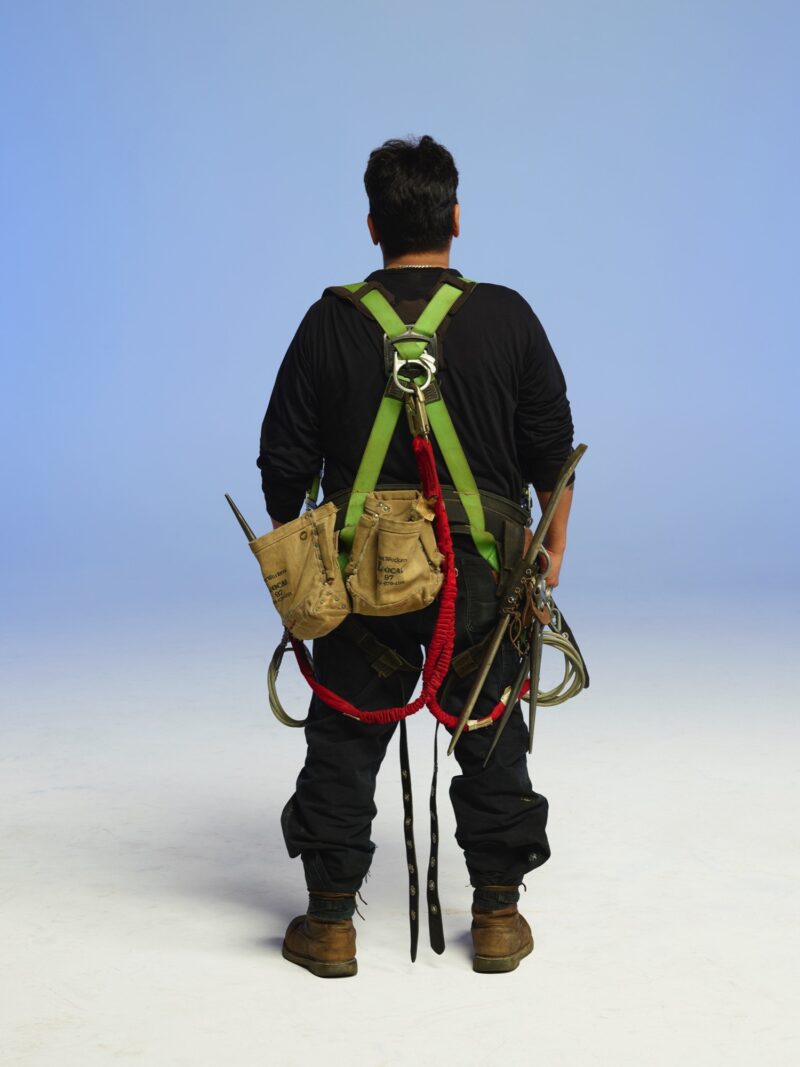
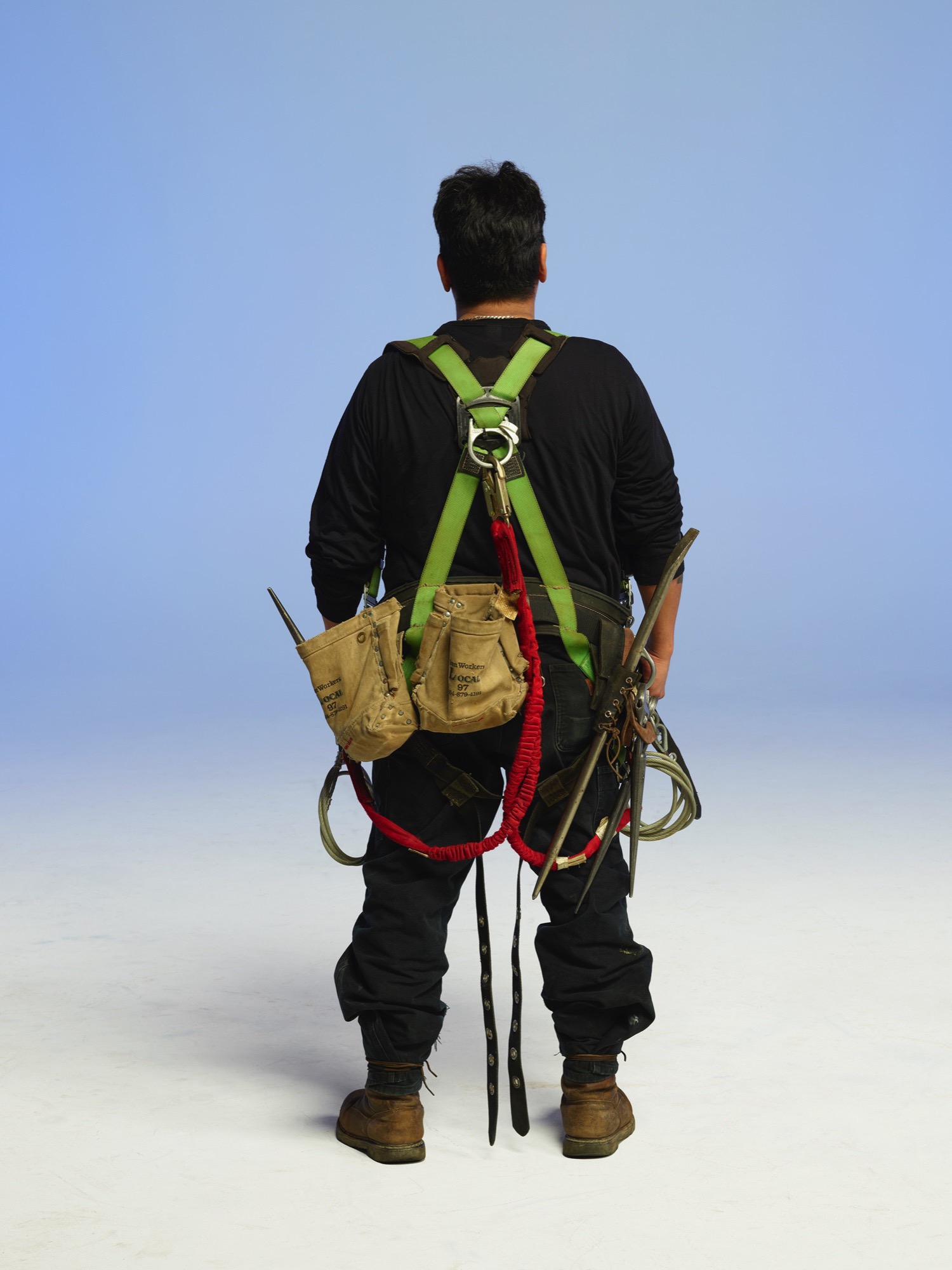
Dana Claxton, NDN Ironworker Tool Still Life 2018, boîte lumineuse DÉL avec épreuve à développement chromogène sur transparent / LED firebox with transmounted chromogenic transparency
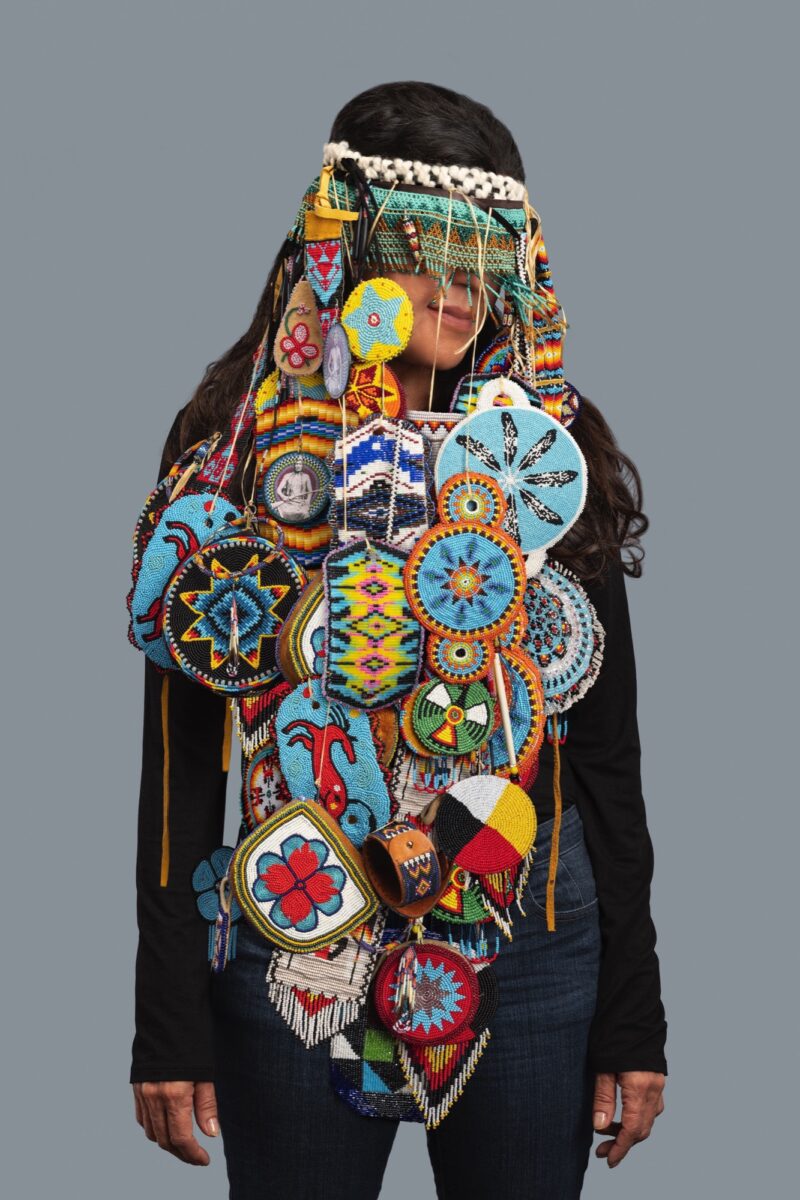
Dana Claxton, Headdress – Dee Headdress – Shadae 2019, boîte lumineuse DÉL avec épreuve à développement chromogène sur transparent / LED firebox with transmounted chromogenic transparency
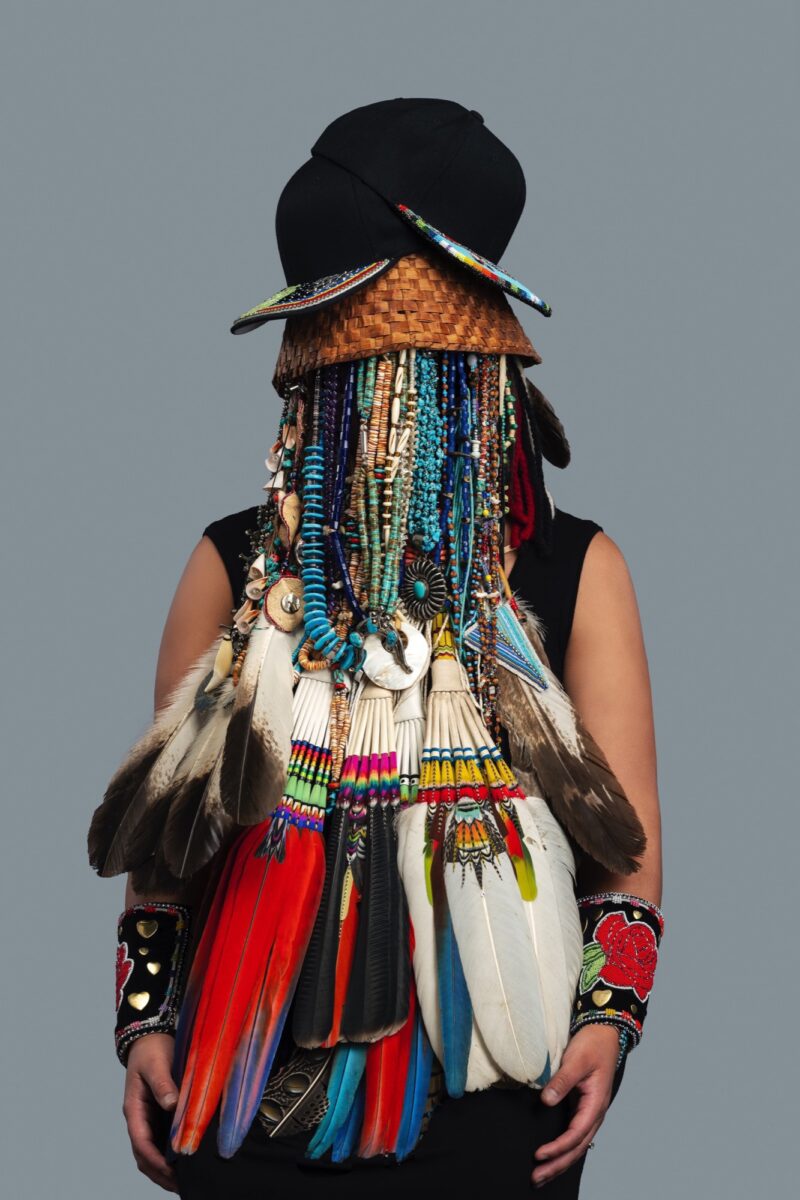
Dana Claxton, Headdress – Dee Headdress – Shadae 2019, boîte lumineuse DÉL avec épreuve à développement chromogène sur transparent / LED firebox with transmounted chromogenic transparency
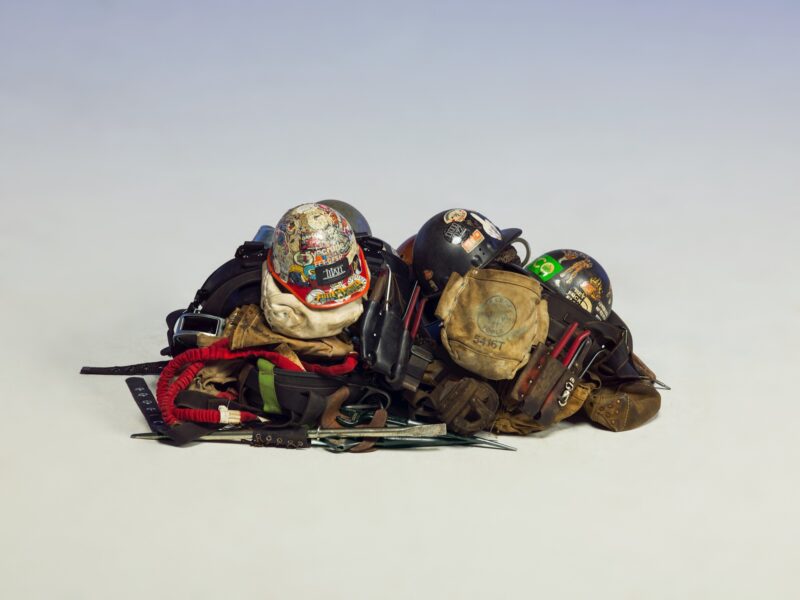
Dana Claxton, NDN Ironworker Tool Still Life 2018, épreuve à développement chromogène / chromogenic print
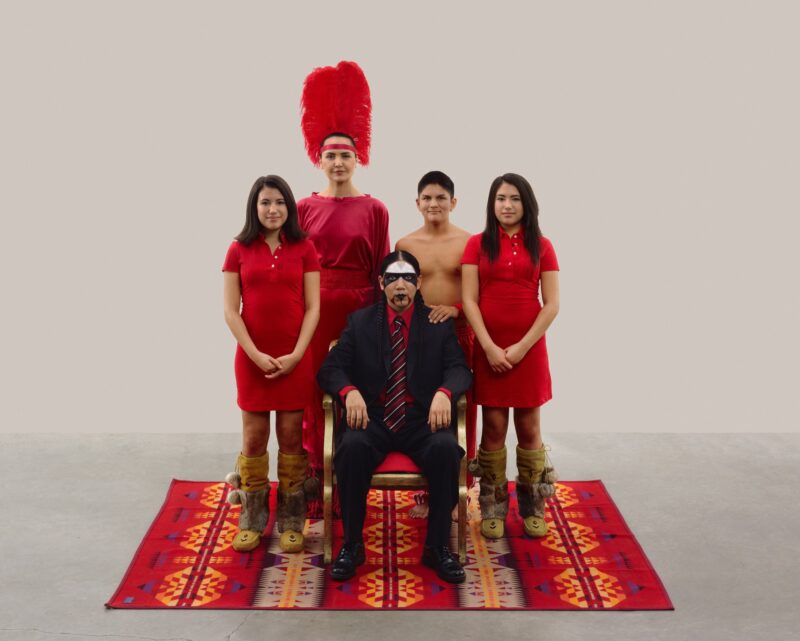
Dana Claxton, The Mustang Suite: Family Portrait… (Indians on a Blanket), 2008
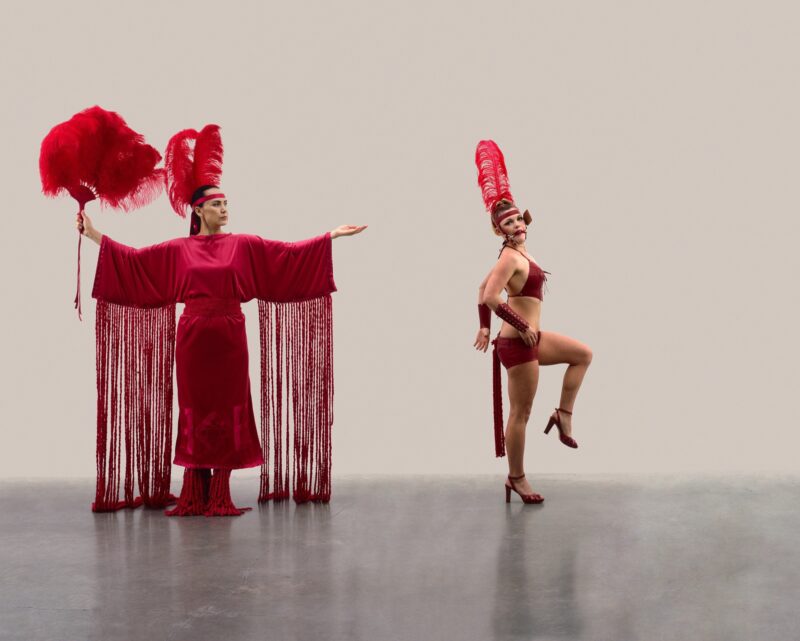
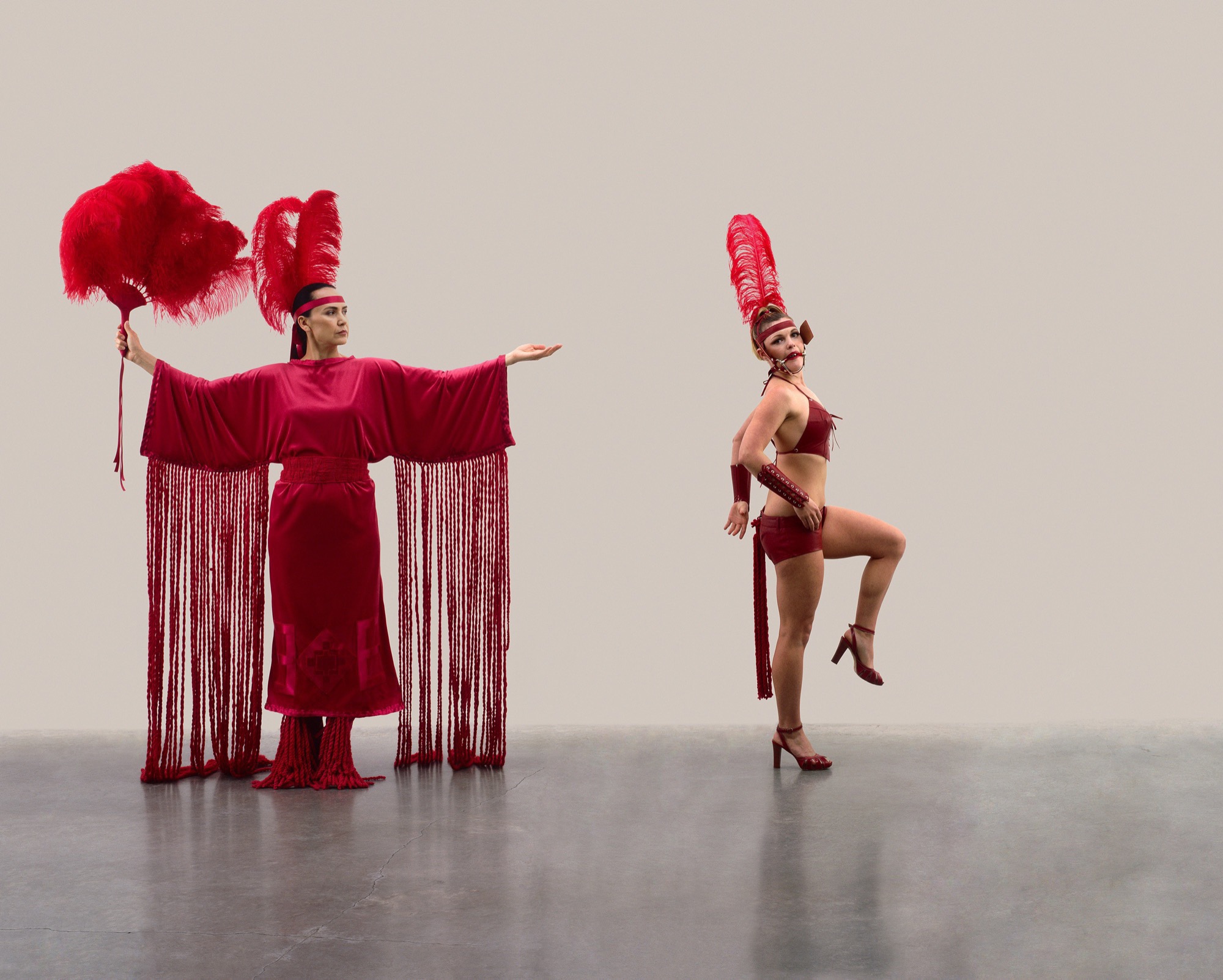
Dana Claxton, The Mustang Suite: Momma Has a Pony… (girl named History and sets her free), 2008 épreuves à développement chromogène / chromogenic prints


It’s Love or a Photograph – Depends on How You See It
By Skeena Reece
The Mustang Suite is a series about more than mobility. Though that’s a great place to start, to introduce you to Dana Claxton’s works; images that include literal modes of transportation are a part of the photographs’ intention. I see a mash-up of clothing from now and transportation from then, paint-up (traditional facial painting) from then and transportation from now. Dana gives us a generous spread of delicious cherry reds and piercing gazes. It feels like an invitation and an assertive stance. She’s an artist who both invites and demands; we can feel empowered and put in our place simultaneously. That’s Dana: she is quietly and unequivocally resolute in her intention to invite us to consider what we know and what we think we know about Indigenous art. She is a trailblazer for all artists.
Red, red power, red blood, seeing red, sacred red of four directions, sexy red – the colour has been prevalent throughout history, in facial paint and in the blood spilled in the name of conquering a land and people. Red is deep. We see this undeniably powerful colour throughout Dana’s works: a way of showing power? Reclamation? Depends on how you see it, but that’s how I see it. I’m an artist and mother; my name is Skeena Reece. I’m based on the west coast of British Columbia, I’m Tsimshian/Cree/Métis, and I grew up in Prince Rupert and Vancouver. I’ve known Dana for most of my life. It is my honour to speak with you about her work. Even though you are reading this, you are a participant. What you see and read is interpreted through your eyes, your mind, and where you came from. Where you came from is important to how you consider Dana’s work. If you did not grow up with a reverence for traditional ceremonial garments (what are called regalia) and traditional paint, then you may not understand the value of her images. Yes, her work demands that you look at the subject she is sharing. Its beauty is part of her intentionality. Indigenous beauty,1 as defined by Shadae Rose Johnson, isn’t about the physicality of the thing, but about the intention behind it. Living with land and respecting our cultural belongings and ceremonies is part of our beautiful way. Dana makes art against a tide of population mismanagement, resource exploitation, and the antithesis of how she was raised in order to understand the world around her. Instead of succumbing to the onslaught of adversity, she makes art, in your face and undeniable. She doesn’t make the work in spite of these complications, or because of them, but because it is what she knows. Some works can be considered liminal, a way of creating disease, even to seasoned regalia-wearing Indigenous folks.
In Headdress, we see people covered from head to toe in their cultural belongings and adornments. They are alive beneath, breathing, looking back at the viewer from behind a shroud. There is a discomfort simultaneous with a menagerie of delight to discover. The photograph invites the viewer to come in, to examine and uncover what is there. Here I see haunting yet alive figures; many nations have created this space – a space where we are both terrified and enraptured. Dana is familiar with traditional ceremonies, during which the dancer is covered head to toe and unrecognizable. She knows about being seen by them, spiritually. My father, Victor Reece, was a master portrait-mask maker. So, I am familiar with the power of masking. Masking as a way of showing and revealing, not of withholding and concealing – a sentiment shared in a conversation I had with the artist David Elliott about masks. Also, there is a kind of urgency to this showing. Wearing all of your objects at once? Imagine wearing all that is valuable to you: your jewellery passed down from generation to generation, buckles and belts, purses and jewellery. There is a power when we wear these pieces, carrying legacy with us on our journey. Anchoring us to who we are and where we came from. A desperate plea to value us? Or a showy defiance of beauty, skill, and belonging? A hundred years ago, it was illegal to wear traditional clothing or signifiers. Just let that sink in for a moment. Dana told me this, and I believe her. Wearing your clothes that show your selfhood, your people, your history was illegal. We come from savage displacement and fearing being seen for generations. Here, in her works and in this generation, she spits, fuck that. Anyone else exhausted? For many it’s a lot, to be put on the spot to consider things. Imagine being in the middle of this precarious history of cultural retention. Swimming against the tide of rewriting history and being written over.
The next series excites me. I love to see Dana’s NDN Ironworkers series. Immediately I think of the Mohawk ironworkers who built many of the skyscrapers in eastern Canada. This series invites you to see our men, in their glory, in their work regalia, dirty and proud. She remembered the shoot that day with amusement: how they joked and laughed all day and ran the catwalk. I can imagine that the space she made for them was fun, that they shared their come-as-you-are beauty. These men, skilled and hard working, make an honest wage – far from the prejudiced trope that we are lazy and unwilling to build on the society in which we find ourselves. We are literally part of building this society. A reminder that our men are the reason you have a condominium on the west side, best side. Not only is our land taken, but our men help you build on it – enjoy it. This one is a beautiful kick in the teeth. Lasso is another loaded image of an Indigenous man, Cowboy Smithx. He grew up in the country. Dana spotted a lasso in the back of his car, and it led to a film and public performances of lassoing white people, heads of institutional departments, and finally that delicious photograph. This act is not diminishing; again, it’s an invitation to be an important participant in meaningful dialogue. Dialogue is thought, thought is action, and her act of lassoing was an act of catch and release, for the good of all.
It’s precisely Dana’s ability to see the value of things and take it to another place for all of us to consider that is her power. I asked her where she got it from. Her father, she said, was an avid photographer and her mother taught her to see. One moment in particular that she shared with me was quite touching. I told her I wouldn’t share it, but she knows. We all remember that moment when we are taught something so valuable that we carry it throughout our lives. It informs how we walk in the world, the actions and the words that carry the legacy of our ancestors, our people, our beliefs. For some, it is significant as a showy ceremony with pomp and production value. For others, it is being told never to assume anything about other people, to respect them for who they are, and to be a help in the world and not a hurt.
Even though it may be a lot for you to consider the intentions behind the works, be grateful that we still have the presence of mind to share, even when it looks like we have nothing else to share. You can never know what was going on in the minds of Edward Curtis’s subjects. But we don’t have to guess what Dana Claxton is thinking. She loves us. She shares her careful considerations with you. Be grateful. It is generous and kind. It is love. Or it’s just a photograph; it depends on how you see it.
Skeena Reece is a multidisciplinary Tsimshian/Cree/Métis artist based in Vancouver. Her performance-based practice includes music, writing, and visual arts. She is known for her personification of the Sacred Clown, a figure in Hopi culture. Reece adopts ancestral costumes as political statements and headdresses traditionally reserved for men to denounce the sexualization of roles in Indigenous societies. Her work has been shown at the Vancouver Art Gallery, the Power Plant in Toronto, and the 2010 edition of the Biennale of Sydney.
A professor at the University of British Columbia and residing in Vancouver, Dana Claxton, a member of the Wood Mountain Lakota First Nation, is a critically acclaimed international artist. She works in film, video, photography, single- and multi-channel video installation, and performance art, investigating Indigenous beauty, the body, the socio-political, and the spiritual in her practice. She has had works exhibited at MoMA and the Metropolitan Museum of Art in New Work, the Walker Art Center in Minneapolis, and the Museum of Contemporary Art in Sydney, among others, and was the recipient of the Governor General’s Award in Visual and Media Arts in 2020. danaclaxton.com
[ Complete issue, in print and digital version, available here: Ciel variable 120 – FIGURES OF AFFIRMATION ]