
[Summer 2022]

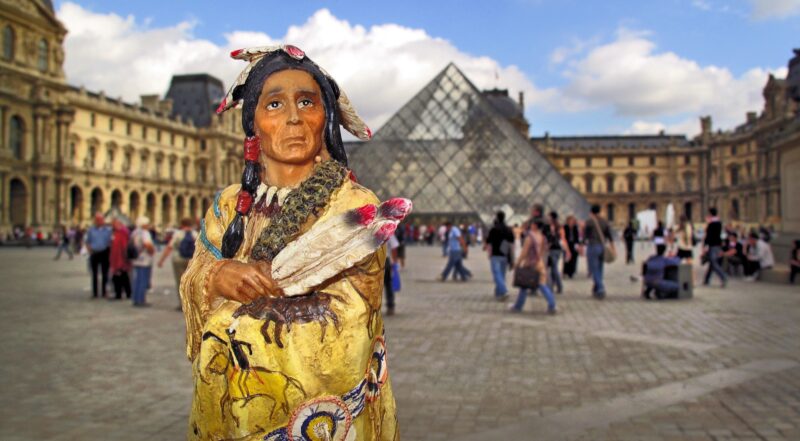
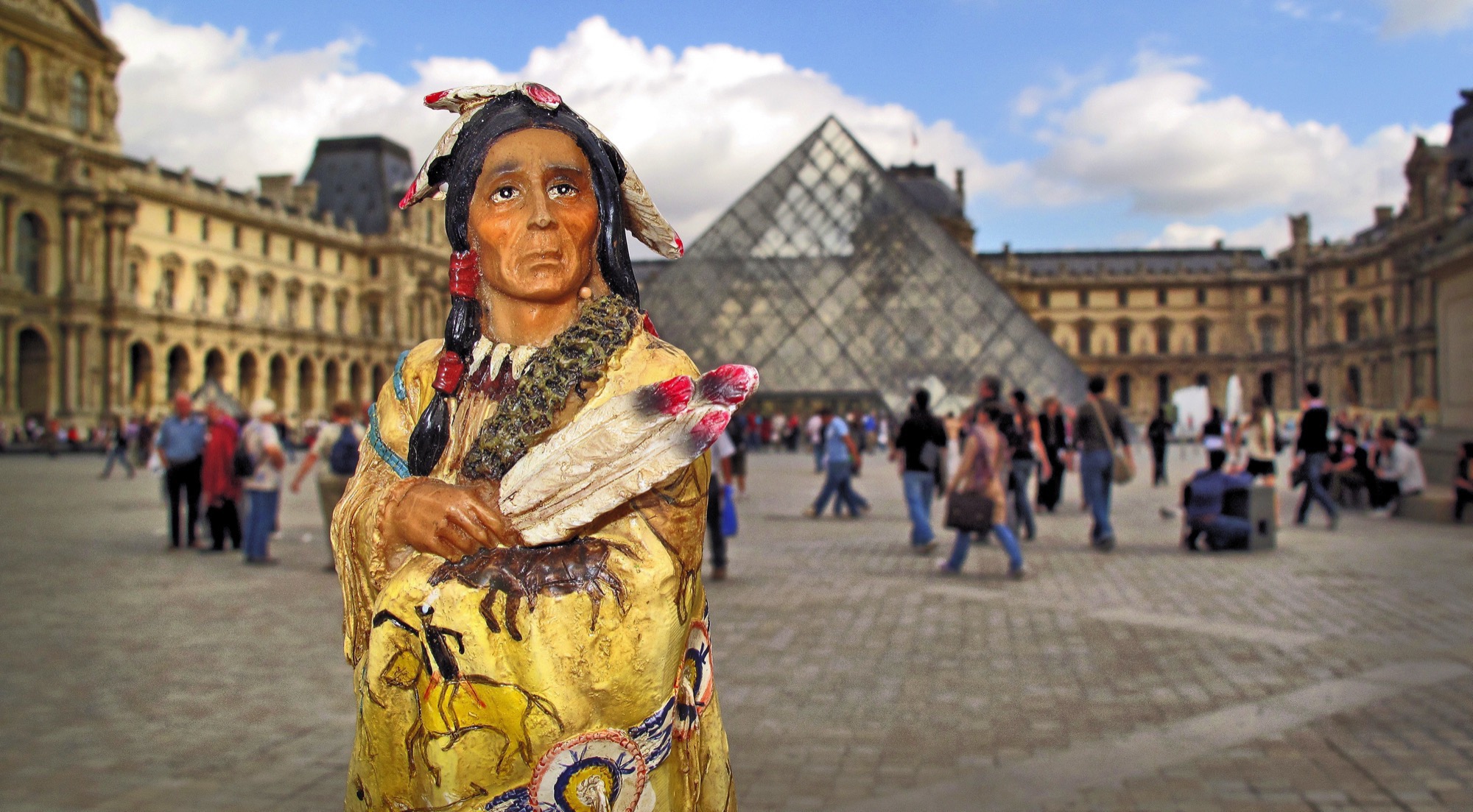
Jeff Thomas, London, UK, Chief Red Robe on King Street to Covent Garden, 2006
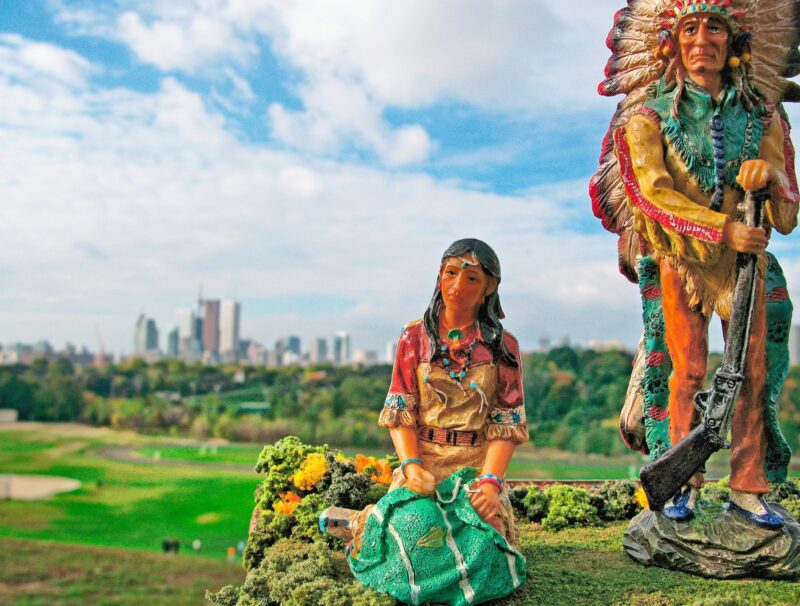
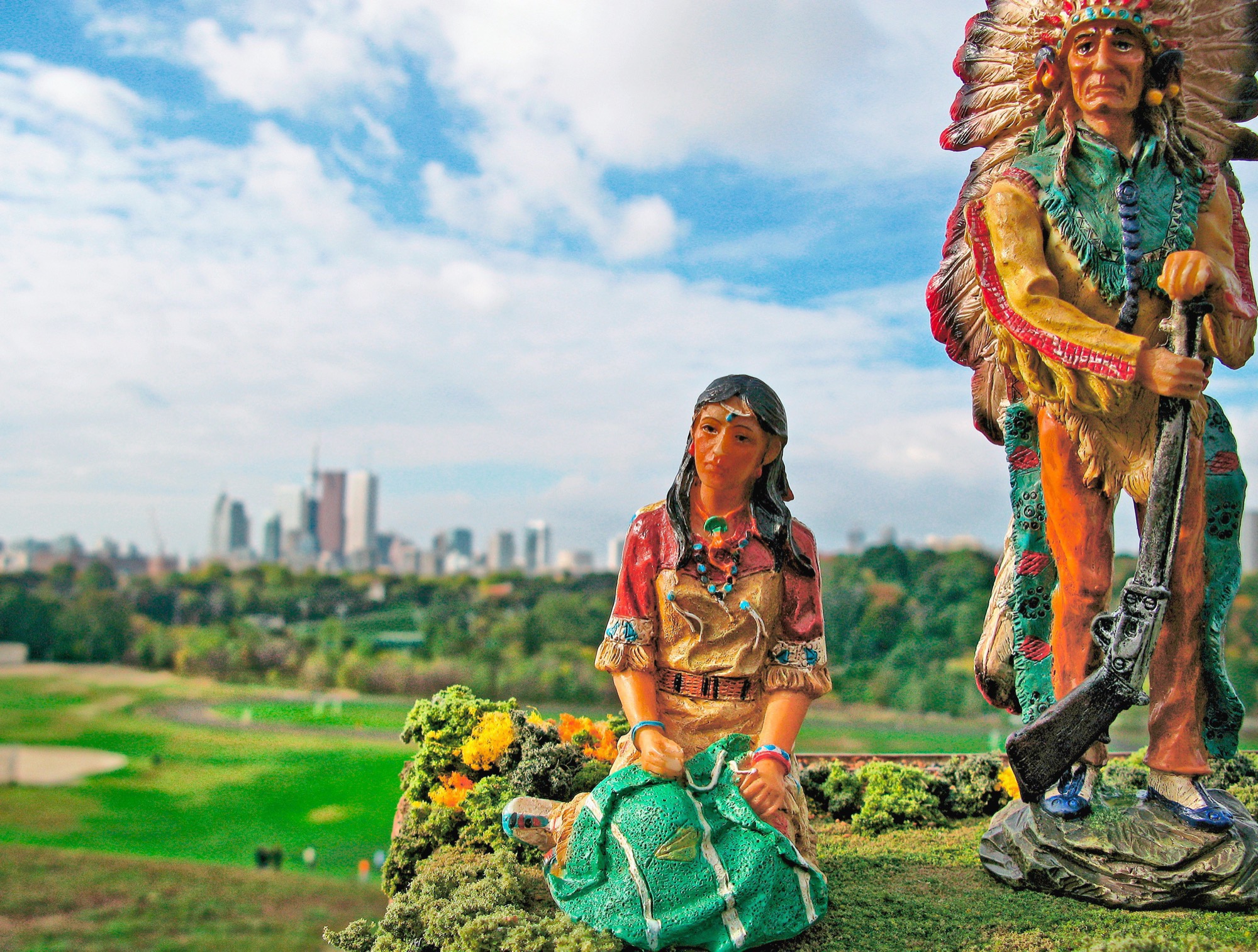
Toronto, Ontario, Père et fille @ avenue Broadview, parc Riverdale / Toronto, Ontario, Father and Daughter @ Broadview Avenue, Riverdale Park, 2009 coordonnées GPS / GPS coordinates: 43.67023, -79.35379
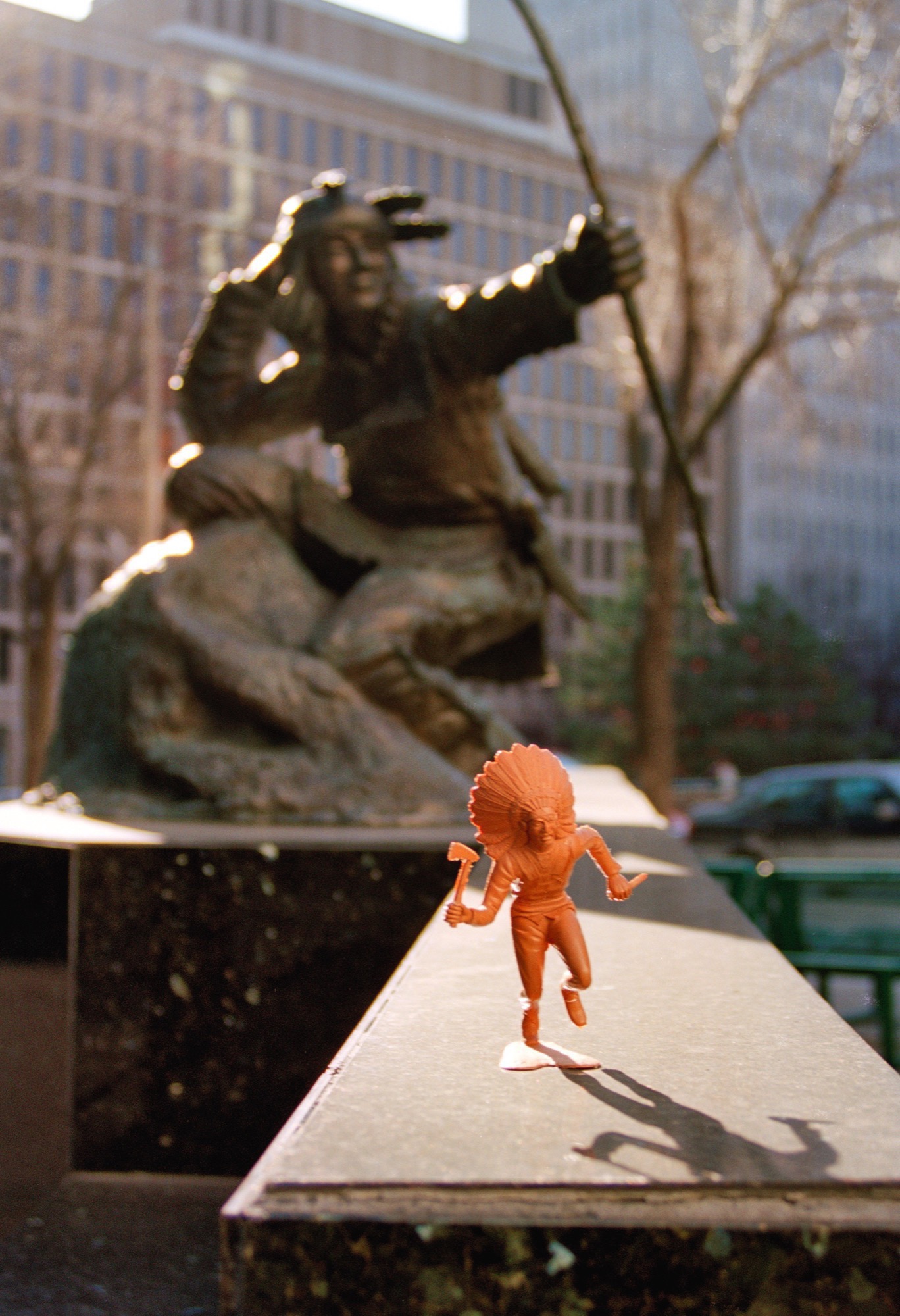
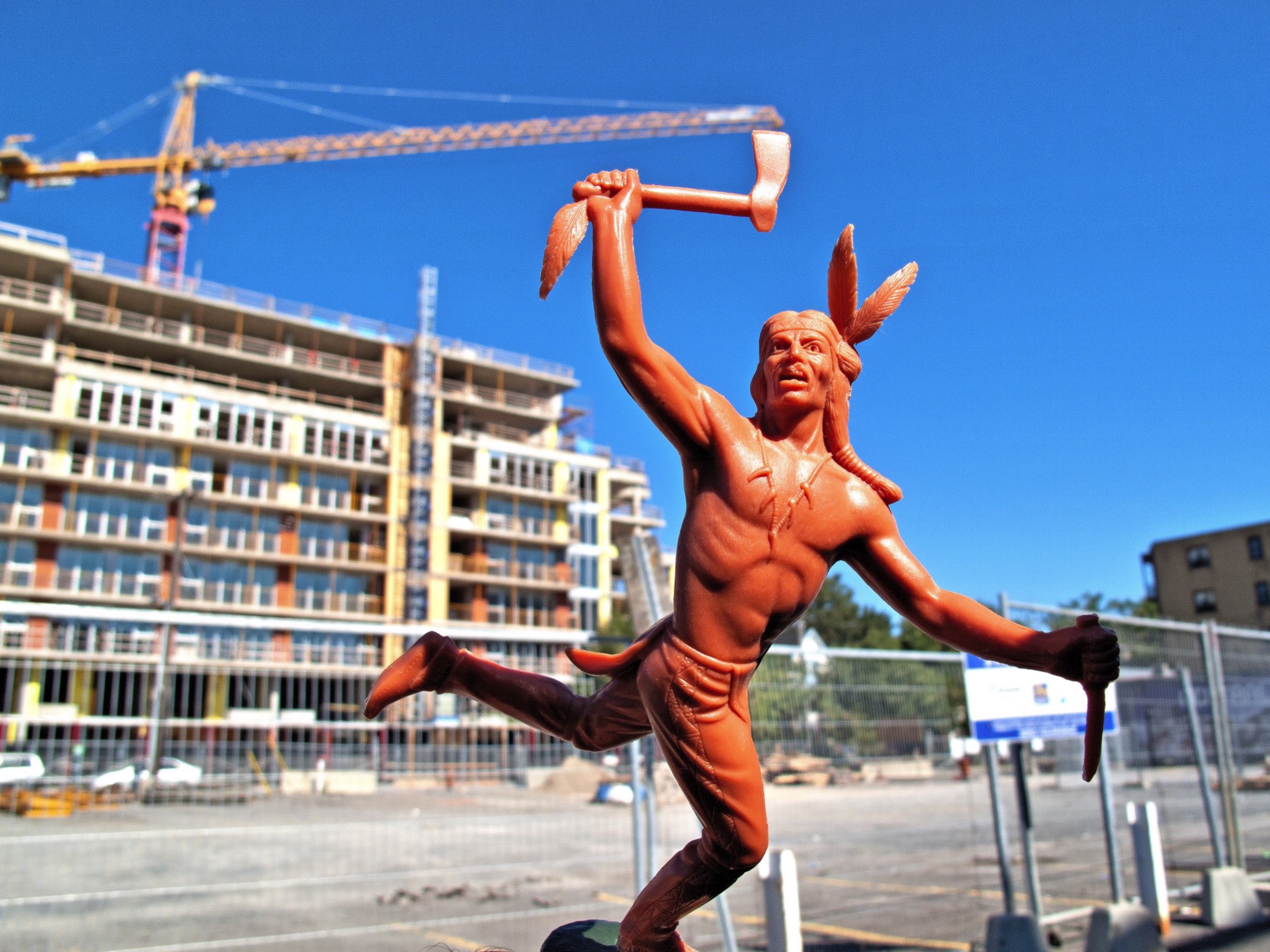
Ottawa, Ontario, War Dancer, statue de chasseur, rue Queen / Ottawa, Ontario, War Dancer, Hunter Statue, Queen Street, 2000, coordonnées GPS / GPS coordinates: 45.4223-75.696717
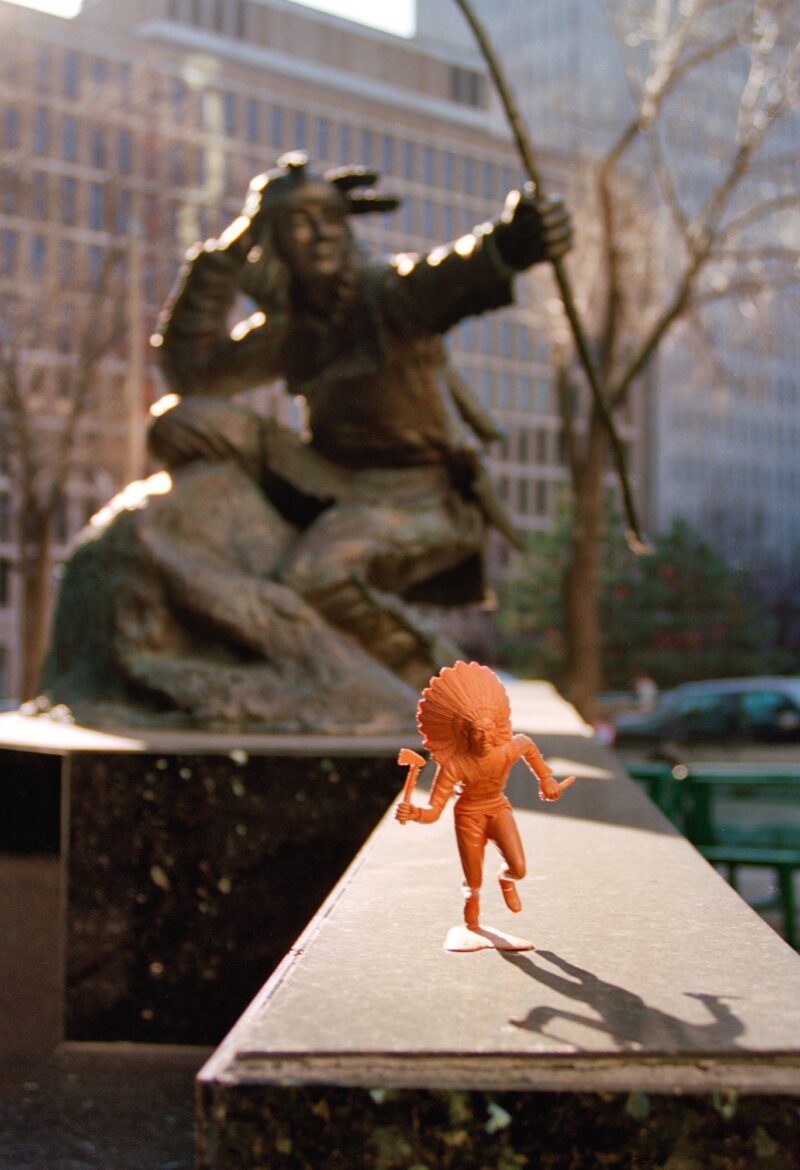
Ottawa, Ontario, War Dancer, statue de chasseur, rue Queen / Ottawa, Ontario, War Dancer, Hunter Statue, Queen Street, 2000, coordonnées GPS / GPS coordinates: 45.4223-75.696717
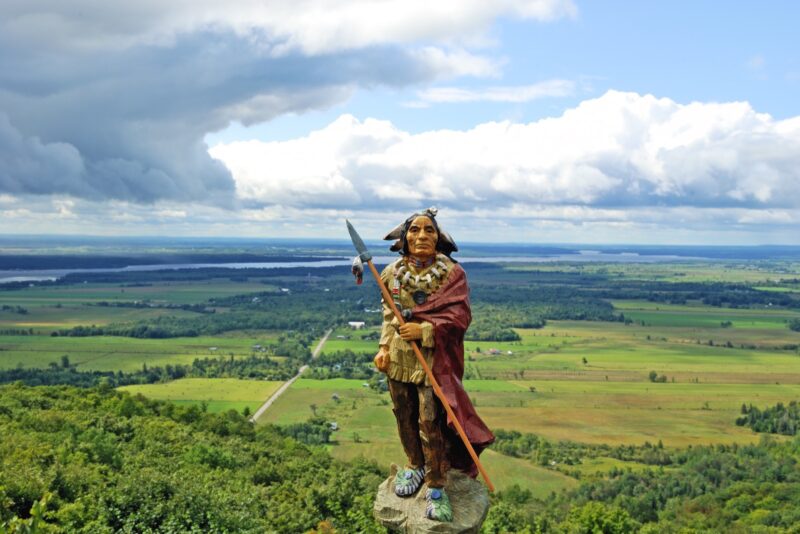
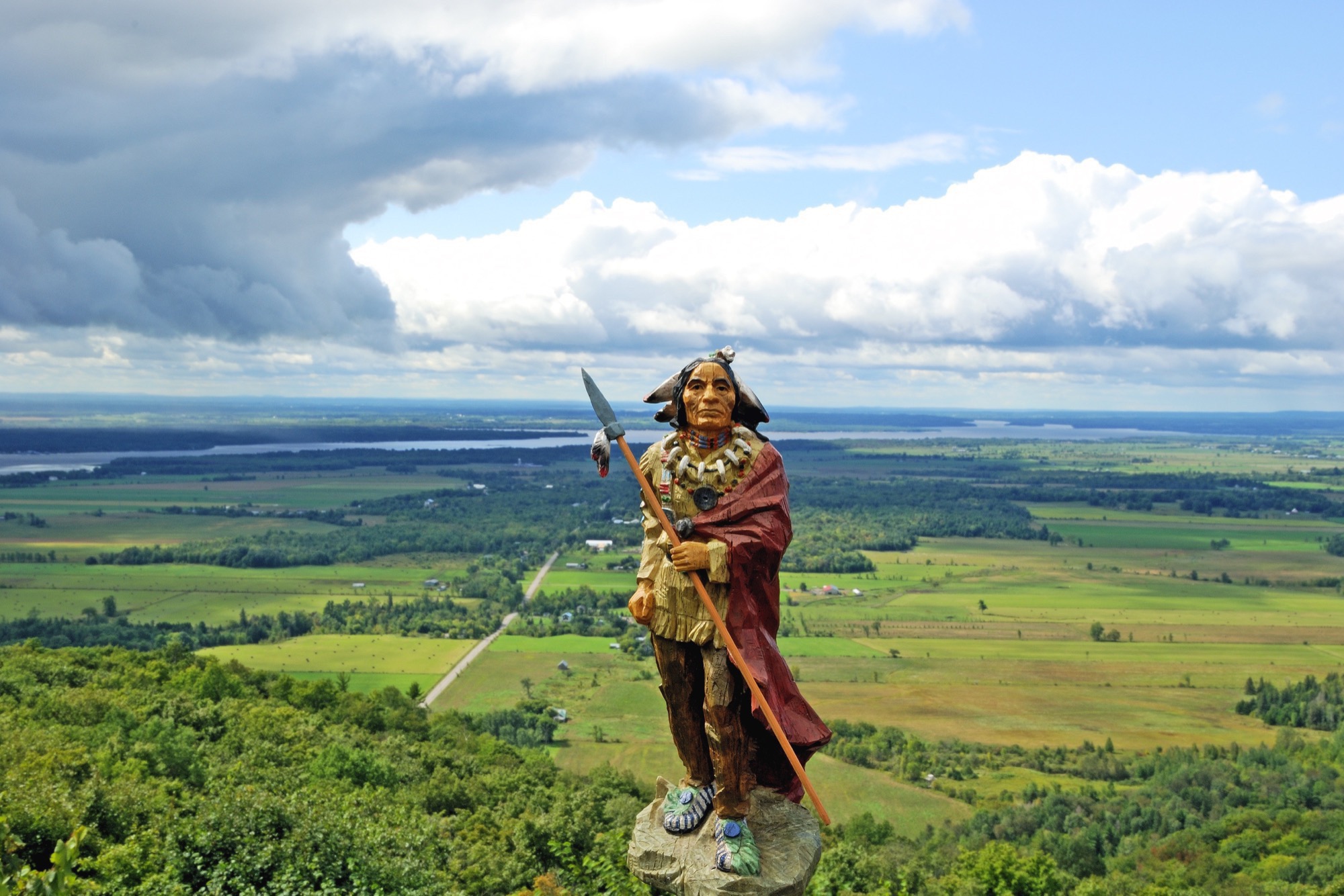
Gatineau, Québec, Chief Red Robe au belvédère Champlain dans le parc de la Gatineau / Gatineau, Quebec, Chief Red Robe at Champlain Lookout in Gatineau Park, 2009, coordonnées GPS / GPS coordinates: 45.50818, -75.91284
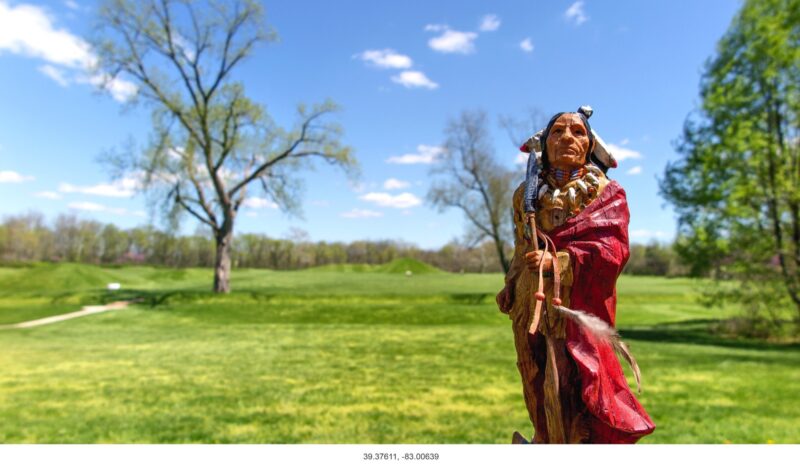
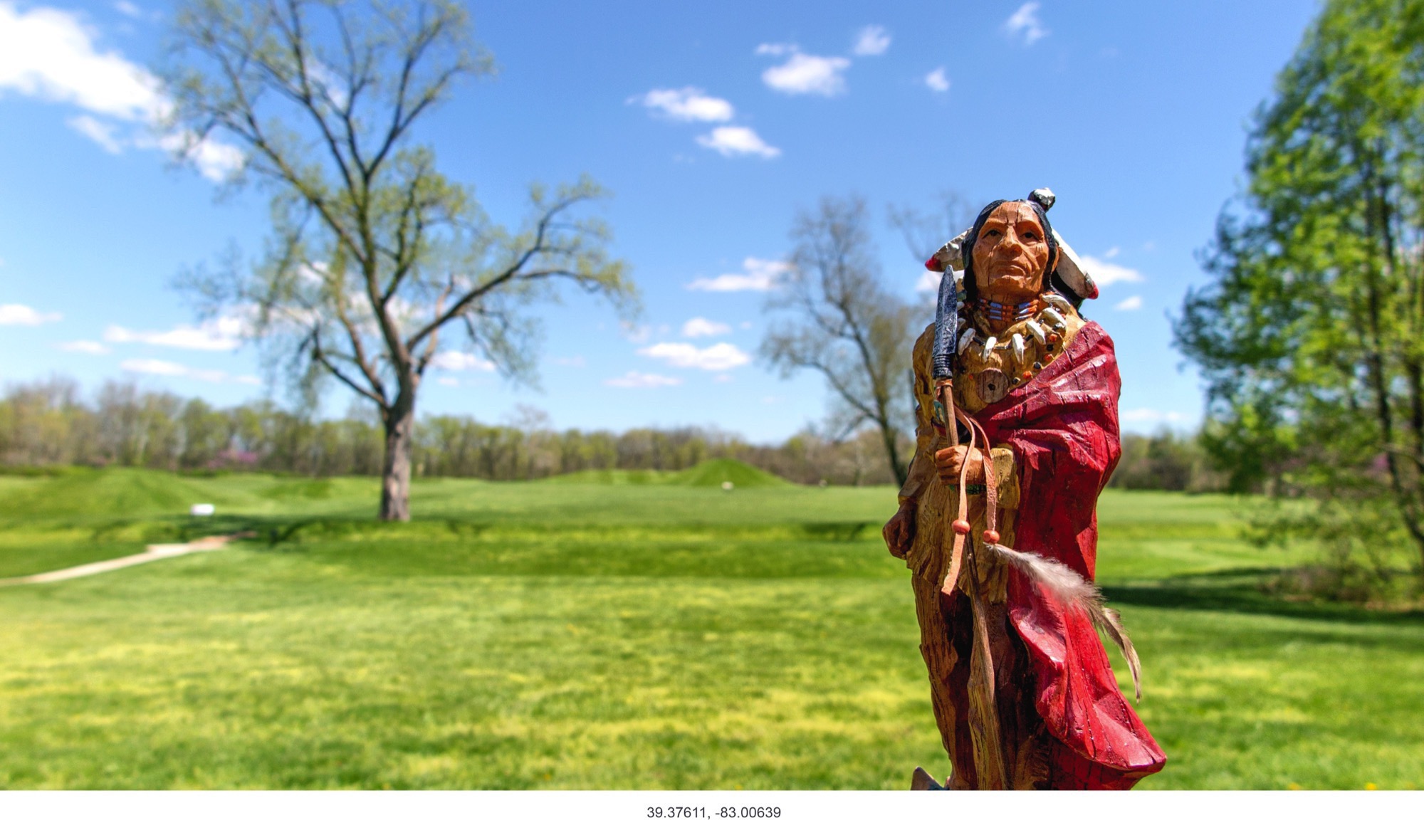
Ohio, Chief Red Robe au Hopewell Culture National Historical Park / Ohio, Chief Red Robe at Hopewell Culture National Historical Park, 2015, coordonnées GPS / GPS coordinates: 39.37611, -83.00639
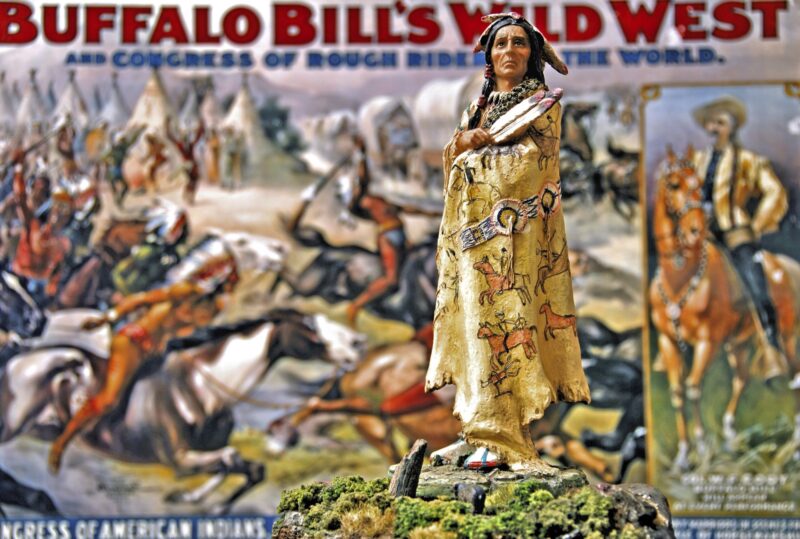
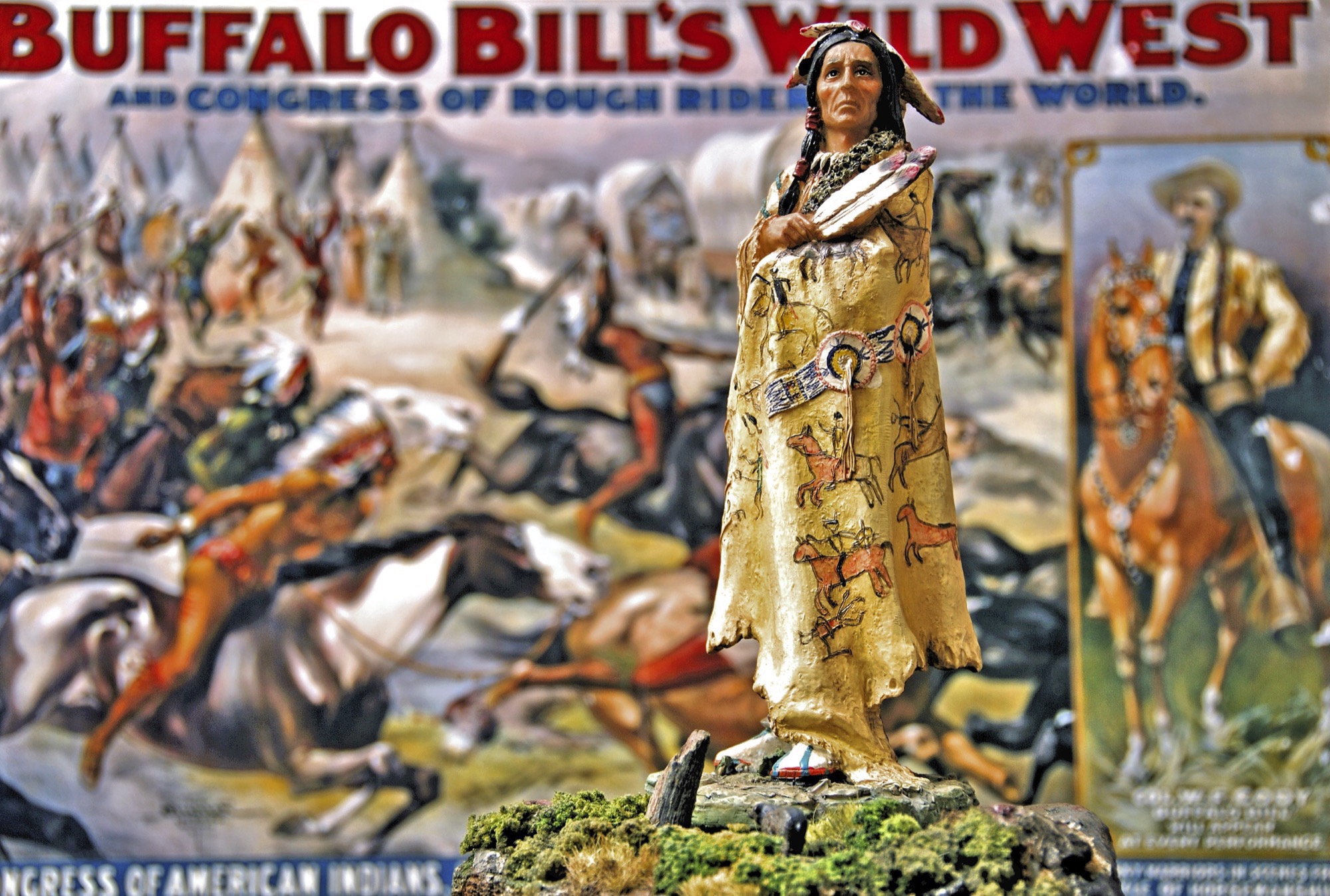
Affiche de Buffalo Bill, 1900, avec Buffalo Robe / Buffalo Bill Poster, 1900, with Buffalo Robe, Buffalo Bill’s Wild West and Congress of Rough Riders of the World: A Congress of American Indians, lithographie couleur / colour lithograph, 1899, permission de la / courtesy of Library of Congress/ LC-USZ62-1164
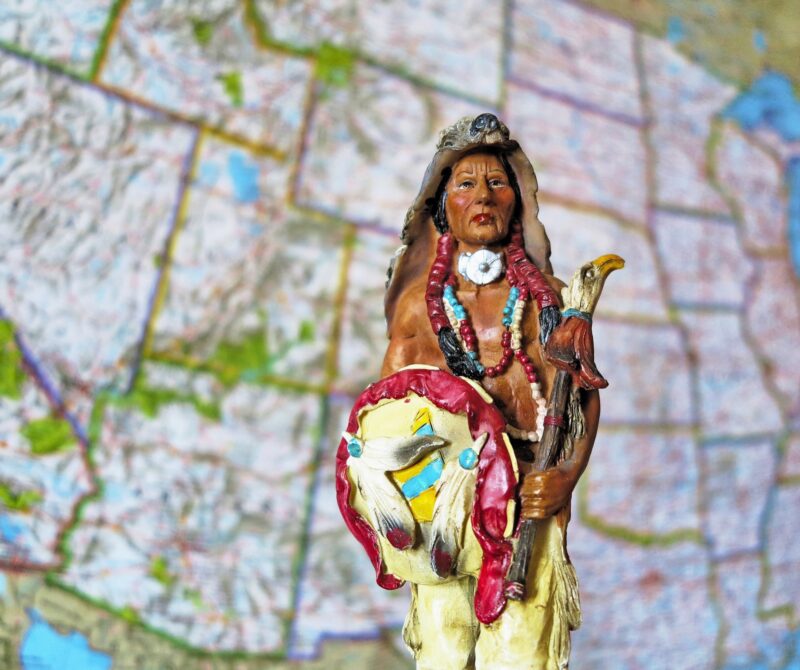
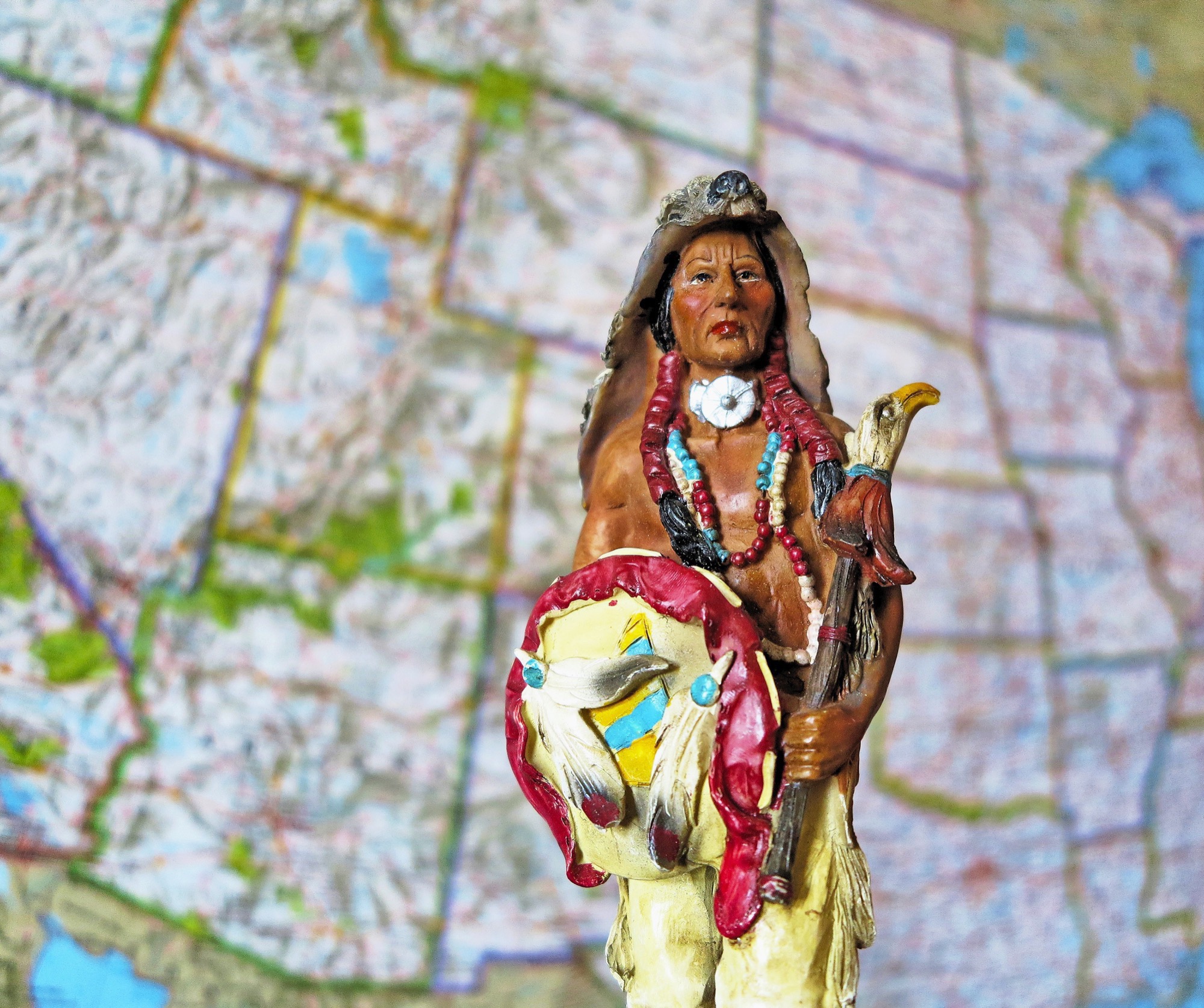
Salle de cartographie autochtone avec Wolf Head / Indigenous Map Makers Room with Wolf Head, 2009, coordonnées GPS / GPS coordinates: 45.50818, -75.91284
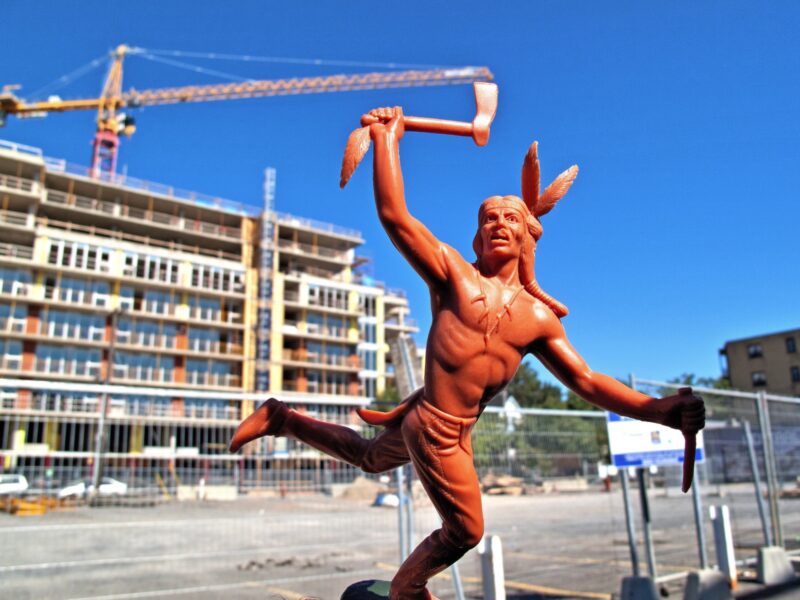
Ottawa, Ontario, Buffalo Dancer, rue Bank / Ottawa, Ontario, Buffalo Dancer on Bank Street, 2011, coordonnées GPS / GPS coordinates: 45.411151, -75.692822
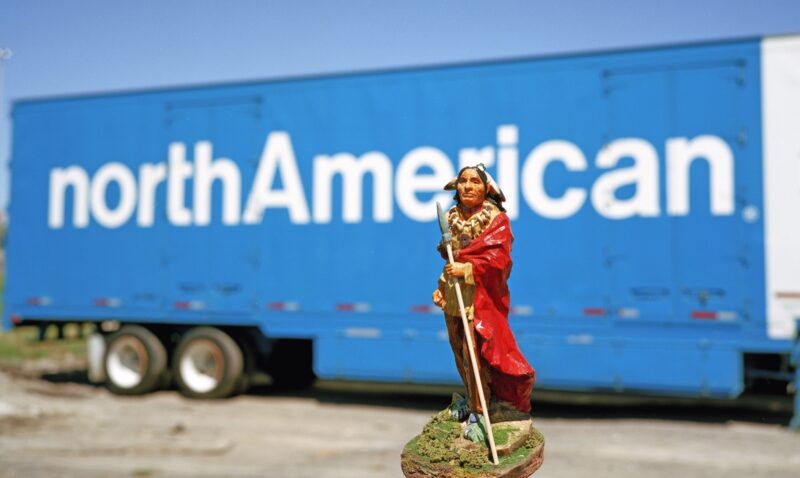
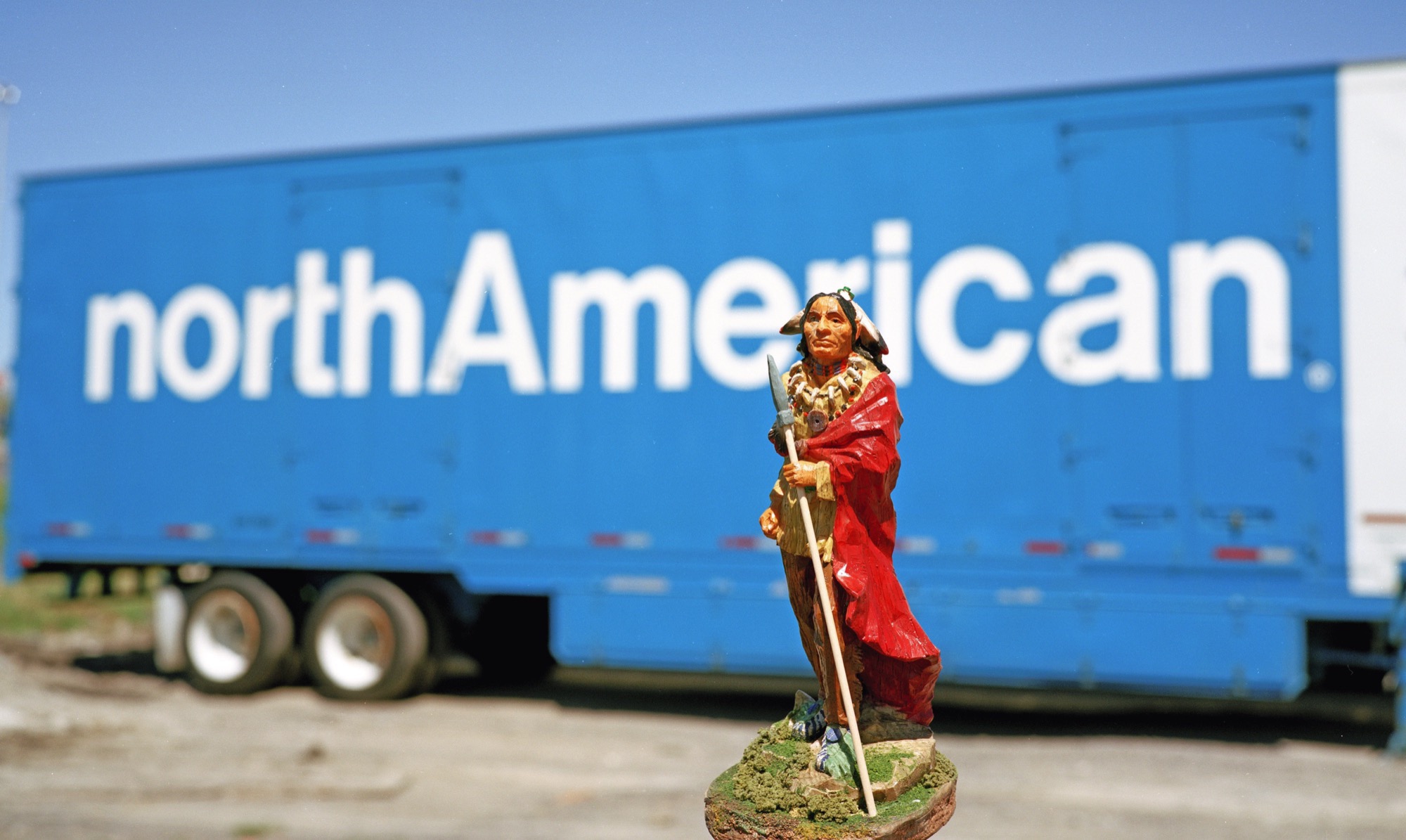
Ottawa, Ontario, Chief Red Robe posé devant un camion de la société North American (North American Indian) / Ottawa, Ontario, Chief Red Robe posed in front of a North American Van Line (North American Indian) trailer, 2005, coordonnées GPS / GPS coordinates: 45.4128, -75.61168


An interview conducted by Carolyn Hickey
The exhibition The Indigenous Map Maker’s Room at the Latcham Art Centre1 resurfaced Jeff Thomas’s series Indians on Tour, which he began some twenty years ago. The series has continued to evolve and has generated other, parallel series. In this interview conducted by Carolyn Hickey, the exhibition curator, Thomas speaks about his methodology, the overarching questions inspiring his research, the place of narrative in his work, and the importance of travelling through and inscribing an Indigenous presence in the territory.
Carolyn Hickey: Your specific work included in The Indigenous Map Maker’s Room connects through a theme of mapping, historical map making, storytelling, and the invisibility of Indigenous history. In this exhibition, the viewer was able to track and follow along through each image through the QR code provided. Can you speak to the map-making elements and the process of photography at these locations? Are there any integral moments that led to the choice of these specific locations?
Jeff Thomas: Actually, there’s quite a few because I’ve been using these figurines since 2000, and they’ve travelled with me in Europe and the United States. It all began in 1992, when I took a road trip across the United States to present a counter-image to the Christopher Columbus celebrations that were taking place that year for the five-hundredth anniversary. I had planned a trip to go down from Kingston to St. Louis and up through to Chicago. I found that shortly after I had begun, I wasn’t as well prepared as I thought I was. In part, it was seeing the landscape on a much larger level and not being familiar with it. I didn’t know what to photograph or focus on and how to find a focal point in the landscape. When I returned to Canada, I was having a really hard time with the lack of images I’d made. My friend told me about the Champlain monument in Ottawa, and it had an Indian figure at the base of it. There was also an exhibition at the National Gallery of Canada at the time that was curated by Robert Houle titled Land, Spirit Power: First Nations and the National Gallery of Canada,2 centred on the European presence in North America. I went to many national sites as well as the Champlain monument, which I photographed. I had this out-of-body experience of actually interviewing this figure because he looked so life-like. It wasn’t until after that I found out that he was modelled on a living Indigenous person in the early twentieth century. This led to a series called Scouting for Indians, which simply was travelling around looking for any kind of visual representation that existed. Such as the Bank of Montreal, which traditionally has two Indian figures on a crest. So, it was really interesting that I had my focal point now and I began to examine the landscape in Ottawa and I found quite a few sites that had some sort of Indian content in them.
I use the word “Indian” because that was the name that was used when these buildings were being constructed. But the question was, when I returned from the United States, how do you make the invisible visible? Because I realized I could have made that whole trip without seeing another Indigenous person. I could have found places where I could have interreacted with Indigenous people, but that wasn’t the point. The point was to look at the everyday world, and that was the focal point for Scouting for Indians. In essence, I found myself becoming a scout for the Indian at the Champlain monument. Because the last thing I asked him was, “Where would you go if you could leave this place?” Which is an interesting question because it is still relevant for a lot of Indigenous people who come to urban centres. Urban centres have been traditionally looked at as “home.” But for my grandparents, it was a place where you found work, so then home was still on a reserve. As a self-described Urban-Iroquois, it was important for me to be able to respond to my own circumstances and ask, how does your identity survive in an urban landscape? Also considering the fact that more and more children are being born into urban landscapes and we have to address that. Or else it’s just going to be the continuation of what happened in residential schools, which was erasure. So that was the point of the project, as an example of taking something that is tourist-like or play-like and using it as a focal point in the landscape to create a conversation.
My elder had told me when I was a teenager to “not forget where you come from,” and I thought about that for a long time. But how do you do that? So, what I took it to mean was to not stop thinking and analyzing, and to tell new stories that address the current situation that we find ourselves in. This all was the foundation for the work that I’m doing now. So, what does it look like if you take a map and you add all these different points that I’ve investigated and populate it with these sites? What does it begin to say? The point is in the end to have some sort of map representation, like a digital display that highlights all of these sites that have been looked at.
There are other components, as well, with the Buffalo Bill Wild West show in the late nineteenth century. The Lakota people, who had endured the Battle of Little Bighorn and the Wounded Knee massacre were being recruited to travel around the world to perform for non-Indigenous people. You have to consider that at that time, most of those performers didn’t speak English and they had never been off the reservation. So, what was it like for them travelling around the world? What did they experience? I thought of how valuable that information would be if we had it. So that’s where it began. You can’t re-create what doesn’t exist in terms of testimony about what they saw, but to use it as a focal point for talking about what we see and don’t see today. A lot of it is taken from residential schools. I curated an exhibition in 2002 on residential schools here in Ottawa at the National Archives of Canada [now Library and Archives Canada] titled Where Are the Children? Healing the Legacy of the Residential Schools. At that time, I was struck by what was driven out of the children, like critical thinking, creative thinking, dreams, all of these different components that made up their world were now being taken away from them. How do you bring those things back to life in a creative way that isn’t overbearing in talking about colonialism, but instead is more of an investigation? My elder told me, “You have to know both sides, both white and Indigenous, to understand where we are today.”
C.H.: I love every time I hear you say “Where would you go if you could leave here?” I think that providing some sort of dialogue and conversation between yourself and the figure is such an important element in the series. There is without a doubt a story-telling element to your work, especially with the inclusion of each travelogue and the conversational element between yourself and the figure. Can you talk about your writing process with these travelogues and the conversational element?
J.T.: It goes back to what I thought and what I would have like to have heard from the Lakota people who were travelling with Buffalo Bill. I thought, I can take responsibility and provide what I was feeling at the time. One of the things that I’ve always been concerned about is when people look at photographs that were made by an Indigenous person, do they connect with them. I wonder how much the element of an Indigenous photographer comes into play when people are looking at an image. I feel like there is a disconnect, because there has long been a disconnect in terms of history and the way it’s taught. I think more about the psychology of the work itself and what it sparks people to do and how to respond to it. There was one person who looked at one of the works, and he said, “I didn’t know whether to laugh or cry looking at it.” I thought that is really the perfect answer, because it brings up both emotions, and if that is what you are feeling, then the photograph is doing its thing. When I was growing up and I began working with the camera, there were no conversations taking place that I felt a part of. When I first started learning photography a long time ago, I wasn’t even identifying as an Indigenous photographer, I was just another photographer at the time. Eventually, it became politicized by the absences that I found when I was doing research in historical photography. So, I more or less had these conversations in my head as I was working. Like Edward Curtis, what was the importance of his work? I came to understand his work in a very different way eventually, but it took about four decades before I reached that point, just because it was a learning experience as you went along. There was always the Edward Curtis image in the background as to what is a real photograph of Indian people. My photographs were not like that, so I had to be prepared to be able to explain my work to a non-Indigenous audience. I felt that what I was doing was trying to build a bridge between non-Indigenous and Indigenous people and I didn’t want anyone to feel excluded, so conversation has always been a part of that. With the dialogue and travelogues, what I wanted to do was to provide just enough information to bring out that human element. That it isn’t critical theory that’s going on here. I’m just relaying what I was feeling at that time, and it’s as simple as that. So, people can identify with it. It’s not paragraphs and paragraphs of writing but it is just simply stating where it was and why I made the photograph.
C.H.: Speaking of that, I did want to talk about the work Father and Daughter, Riverdale Park, 2009, as I found it so distinct in its elements. With combination of the title and the two figures, I consume it with more emotion, sadness, intimacy, and the sense of conversation that we’ve been talking about. Specifically talking about that work, can we talk about your choice to add a second figure that worked with the elements location-wise?
J.T.: The series began in 2000, when Ali Kazimi made a film documentary about my work called Shooting Indians, and he sent me those figures that he used to open up the film with. He suggested that I try to do something interesting with them. That was the beginning of the project. Somebody asked me one time, “How come you don’t use any female figures in your work?” I said that I hadn’t found any, they were always male. A friend of mine, Anna Hudson, who teaches at York University, found one and gave it to me. I think that was the first time I used the female figure in the photograph. The idea of having her in the image kind of went back to my research work with historical photography and how they were identified, it was always the male and not the female. It just happened on that particular day, when I got out of my car and saw how dynamic the scene looked at that time. I’ve also done one with the male figure as more of her partner, as opposed to her father, here in Ottawa. Sometimes you hit it and sometimes you don’t. Sometimes you need more explanation and other times it’s just beautiful to look at. That is one of those images that just hit every note that I could imagine. When you find one image that hits all the notes, it kind of pulls you into looking at the rest of them as well. That’s one of the highlights of the series. I’ve done the series in Paris, London, Switzerland, and different places – it’s just endless when you think about it. You can place these figurines in front of anywhere, McDonalds, a big shopping mall, there’s a lot of places. It’s worked out very well.
C.H.: You’ve been known to address your own Urban-Indigenous experience as a core element of your art practice, and the sense of invisibility that the experience encompasses. In the image No Pipe, Michigan Avenue Bridge, June 3, 2009, there seems to be a definite choice to leave the forefront stereotypical figure out of focus and instead focus on the relief sculpture. Was there any distinction behind this choice?
J.T.: Yeah, there was. I actually have two versions. One where he is in focus and one where he is out of focus. Going back to my example of the Lakota people travelling, one of the ideas that I had been playing around with was what if they had access to cameras and what would they have photographed? This became more of the travelling tourist and making selfies with the figurines. And then it was, what did they see? So, there would be two photographs. One that would show the figurine and another that showed the scene without them. I was still experimenting with that, so I made a very detailed frontal shot of the relief panel in the background, so it would be more of a diptych you see with that photograph. That was simply the idea behind it. I didn’t want them all to look the same, like one after another. That was one of the mistakes I made in the beginning, that I didn’t play enough with the figurines. Initially I would just hold them or place them on a flat surface. Then to expand my horizons, I made a portable diorama and put it on a tripod and I could pose them wherever I wanted to. That worked out really well. It was a continual process of trying to expand the way they are looked at. I didn’t want someone to go through an exhibition of them and see the same figure, one after another.
C.H.: I’m glad I mentioned it then because to me it was a very specific choice, and ultimately I became very curious about it. I have a quotation from you from 2019 as a Governor General’s Award winner, presented by the National Gallery of Canada. When speaking of your practice you said, “I’ve always felt that photography can be used to heal the Indigenous experience because we come from a colonial history of erasure and the camera really became my battleground in that sense.” Can you speak to photography being used as an artistic medium to heal?
J.T.: With the first photographs that I made, when I was in living in Buffalo, New York, they started 1981 and I used a traditional street photographer format at the time. I was interested in Eugène Atget; I loved his work. Once again, I was playing around and seeing what worked for me. At that time, downtown Buffalo was kind of a decaying place with the loss of the steel industry, shopping malls, suburbs, and all that. So, I started photographing the older parts of the city that still retained that early-twentieth-century character. The idea was to locate myself. The first element was to say, “This is what I am, this is what I see around me every day.” I found the work of Edward Curtis around 1980 as well. I saw a book of his that was called North American Indian and when I looked through it, it wasn’t. It was just western North American Indian people, there were no people from the east. I started to think about a counter to Edward Curtis called My North American Indian, and that’s how the series started. I never wanted to photograph myself in these situations, I just wanted to show that I was a photographer and these were my influences and this is how it all began and the ground that I stand on today. It really was about the invisibility and the archive.
When I was in high school, I wanted to write a term paper making a comparison between how Indigenous people photograph themselves and how non-Indigenous people photographed us, my ancestors. I was really surprised when I found that I couldn’t find any imagery that looked at people like me. Indian was attractive only on a certain level, and that was what Edward Curtis was doing. There was nobody after Edward Curtis, so it was kind of wide open, and that’s what I jumped into at the time, an arena or battleground of making a stand, and saying that this was my world as an Indigenous person and that nobody else was going to define me in that sense. That’s when my work really started becoming politicized. Can identifying yourself in a place begin a healing process? I thought, that is the first step. To once again see yourself in a place and you’re responsible for it, no one else is interpreting it for you. Then, of course, that carried over to my work with historical photography and reinterpreting Edward Curtis and reusing his work for issues that are affecting us today. When you think about residential schools and you think about Edward Curtis, his work would have never been shown in a residential school classroom. So, what does that say about the relevance of Curtis? That’s what I want to draw out, because most people don’t think about photography in that way, and that’s been my quest, to find a way to describe it so people can say, “I’ve never thought about it like that before.” With the healing, in terms of residential school photographs, I had to work with images that were made for propaganda at the time. How do you change the conversation around those images to talk about what’s going on today? Because they don’t address those directly. There are no images that show children being abused, at least not that I’ve seen. That’s always been a challenge. The show has been travelling since 2002. I think it speaks for itself in terms of its relevancy to the Indigenous community and what historical photographs can say and do when you think about them in a different way.
C.H.: Absolutely. I think that mentioning that it has been travelling since 2002, I also wanted to touch on how, in 2021, photography is a catalyst for all media platforms. I wanted to ask about your experience and opinion on that. For the photos displayed at Latcham in particular, the QR codes provide links to the street-view locations of where these photographs were taken. As a photo-based artist and curator, can you speak to the value of these current media platforms with your photography?
J.T.: I think it’s going to make the work more relevant. I remember somebody talking about the “death of still photography” and that there was no more use for it because personal phone cameras were so ubiquitous. A lot of good work is being produced in that medium. But I said at the time, people are going to want to come back and know how to make photographs and have control over the process. I use TV commercials as an example, because they go by so quickly. You can’t really focus on one element. As soon as you focus on one element in a commercial, it’s gone. Or try reading subtitles, it’s just very difficult to take the time to study anything when you see it that quickly. I thought that, at some point, still photography is going to come back and have another phase of popularity because it slows down the world in a way. I think that with COVID-19 – and that our whole world has changed because of it – it is a period of introspection. Who are we? What are we? What have we been doing? Are we happy or not happy? These questions come out. That is what has kept me going with still photography and not thinking about changing mediums. I always felt that there was going to come a day when its importance was going to rise again. That’s what I hope to accomplish with the work that I’m doing now, is to show that, as well as how frustrated I am with TV commercials (laughs).
C.H.: Right! I think that’s a great point to talk about. Your career has, of course, developed and flourished throughout the years. Can you share what projects you are currently working on?
J.T.: I am working on an upcoming group exhibition called GardenShip and State at Museum London with artist and curator Patrick Mahon, a professor of visual arts at Western University. It addresses issues of colonialism and pollution with different types of artists from many cultural backgrounds. We’ve been working on this project for almost three years now.
I’ve moved more into storytelling with my work and I want to use new technology. I have a drone pilot who’s been travelling around and capturing sites for me. It’s been really fantastic to see what it does and how it turns the image into something else. I had a drone pilot do a fly-over of the Champlain monument and it was just incredible to see it as a bird’s-eye view. I’m writing a story to go with this new technology. The exhibition is called Where the Rivers Meet and it’s going to be at the Ottawa Art Gallery in 2023–24. I am intrigued by the technology, but at heart I am more of a storyteller. If I can produce a story that gets young people interested in it, then that’s really what my goal is. We are developing a new website for it as well. So, these are the two major projects that I’m working on right now.
2 From September 25 to November 22,1992.
With a degree in art history from the University of Guelph, Carolyn Hickey has held positions at the Art Gallery of Guelph, the MacLaren Art Centre, and the Woodstock Art Gallery, where she completed curatorial, collections-management, and arts-education projects. More recently, she served as curator at Latcham Art Centre in Stouffville, Ontario, and subsequently curated the exhibition The Indigenous Map Maker’s Room featuring the work of Jeff Thomas. She recently began serving as Program Officer with the Global Affairs Canada Visual Art Collection.
Born in Buffalo, New York, Jeff Thomas is an urban-based Iroquois self-taught photo-based storyteller, writer, public speaker, and curator, living in Ottawa. His works are in major collections in Canada, the United States, and Europe, and have been exhibited in numerous solo and group shows, including Sakahàn: International Indigenous Art, at the National Gallery of Canada in 2013, and Unmasking, at the Canadian Cultural Centre in Paris, in 2009. He has received many awards, including the prestigious Canada Council Governor General Award in the Visual and Media Arts in 2019. jeff-thomas.ca
[ Complete issue, in print and digital version, available here: Ciel variable 120 – FIGURES OF AFFIRMATION ]