
[Summer 2022]
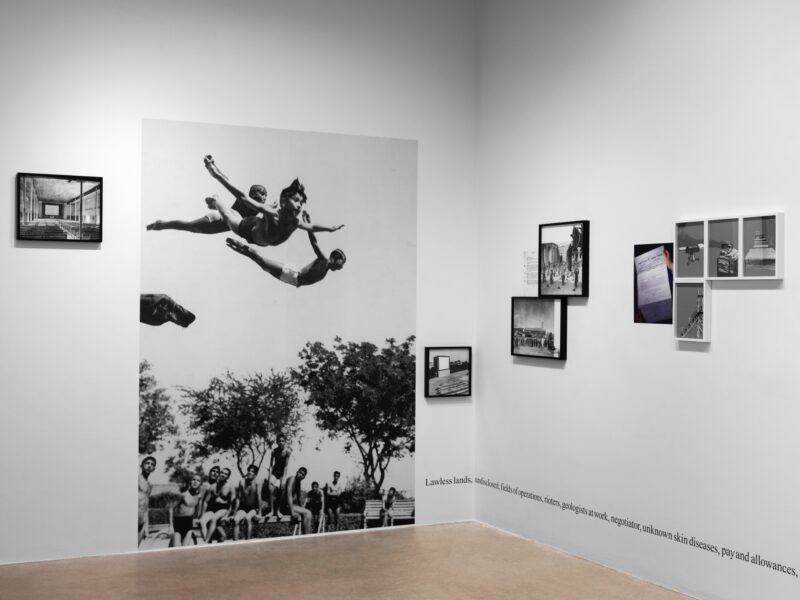
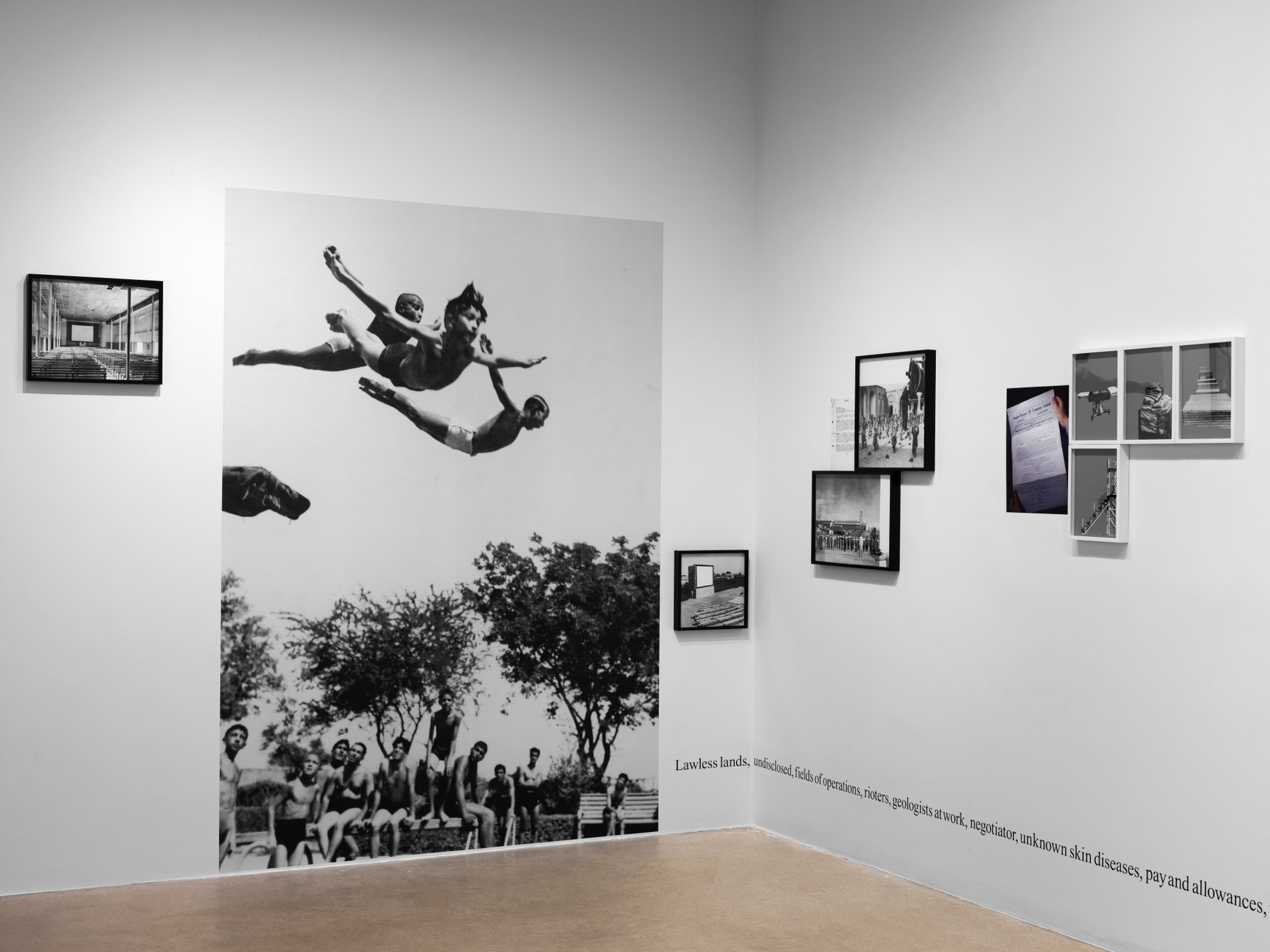
Archives of Oil: Future Relics, 2021 à aujourd’hui / ongoing, installation multimédia /multimedia installation, photo : Mico Mazza

Sanaz Sohrabi, Archives of Oil: Future Relics, 2021 à aujourd’hui / ongoing, installation multimédia /multimedia installation, photo : Paul Litherland
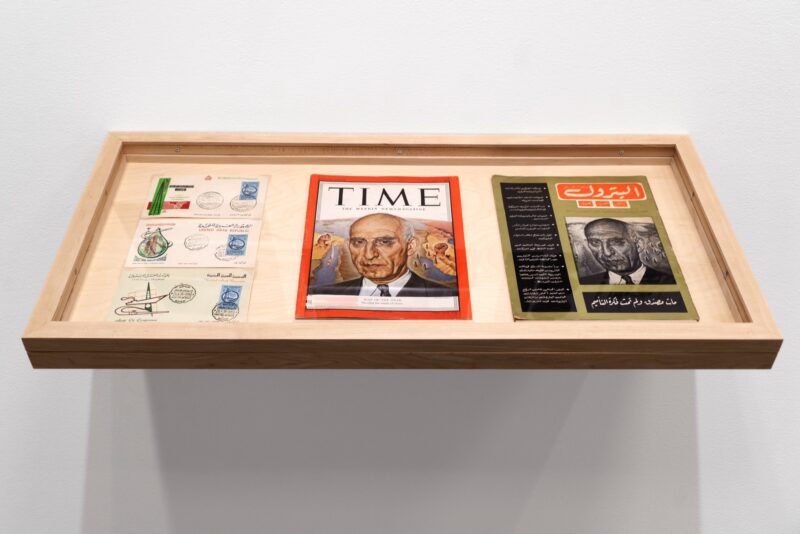
Sanaz Sohrabi, Spectres of the Subterranean (part1): Rhymes and Songs for the Oil Minister, 2021 à aujourd’hui / ongoing, installation multimédia /multimedia installation, photo : Mico Mazza
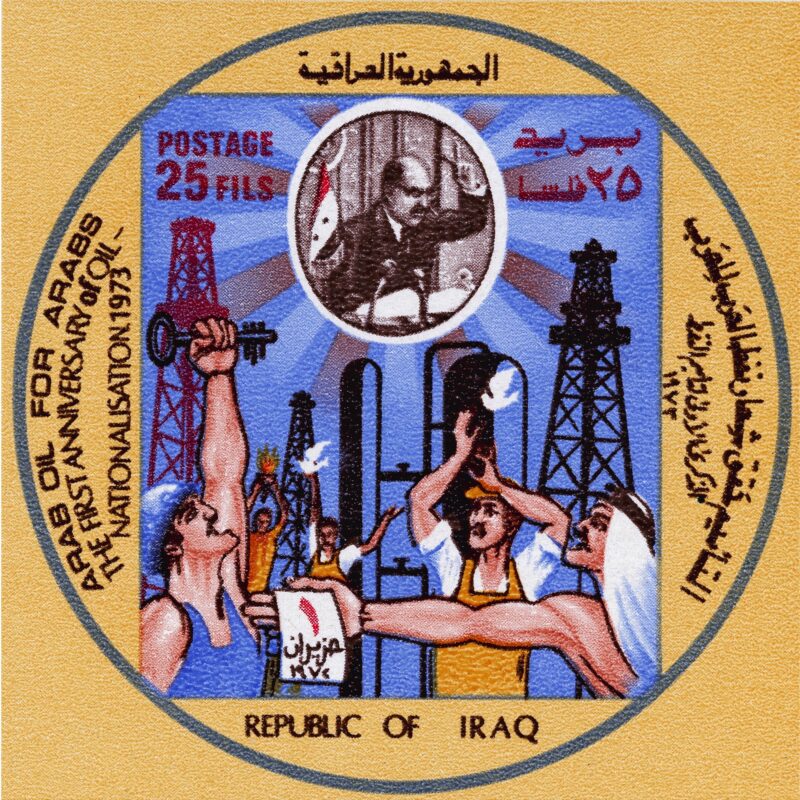
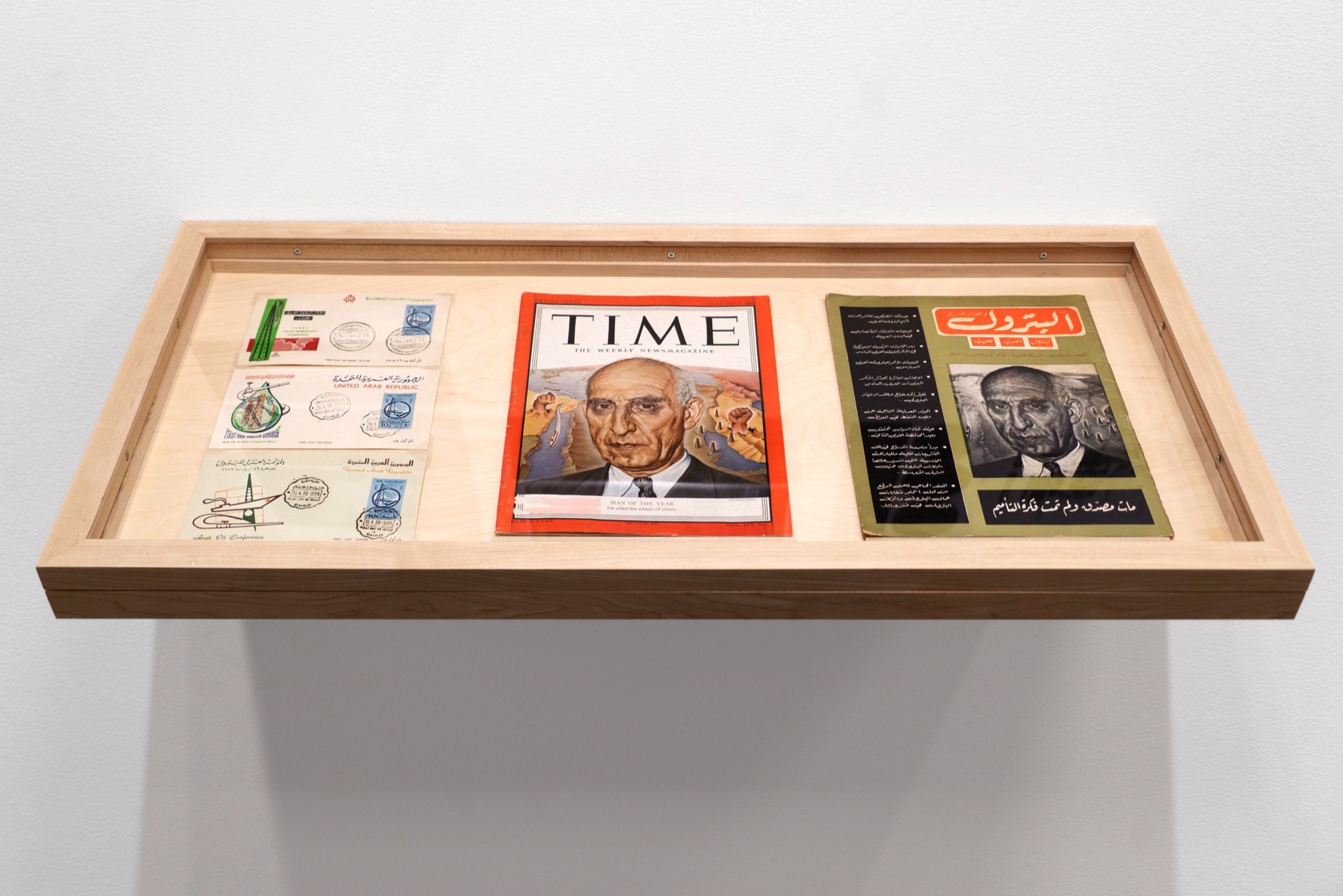
Sanaz Sohrabi, Document original tiré de / original archive from Spectres of the Subterranean (part 1): Rhymes and Songs for the Oil Minister, 2021


By Emmanuelle Choquette
Centre d’art et de diffusion Clark, Montréal
28.10.2021 — 27.11.2021
In her practice, Sanaz Sohrabi probes the political structure, the trajectory, and the circulation of the image. She addresses these issues through the prism of the archive as site of representation and as tool of construction of dominant narratives.
For the last five years, Sohrabi has pursued a research project through which she has set out to map a visual culture of oil. She is also exploring the complex avenues of the visual vocabulary linked to oil exploitation that underlies both colonial discourses and the identity construction of independent nations. Based on in-depth documentary research, she offers a subtle reading of these issues, which she stages in a way that highlights their paradoxes.
Hiding in Plain Sight: Archives of Oil is an installation that includes photographs, documents, and text elements drawn essentially from the archives of British Petroleum1 (BP) and the Organization of Petroleum Exporting Countries2 (OPEC). In a series of assemblages, Sohrabi constructs two timelines that intertwine and overlap, and she shows how the imperial heritage continues to influence the postcolonial imagination despite the desire to break up the visual regime.
Sohrabi proposes a new narrative that elides the basic oppositions between ancient and modern. Rather than feed into postmodernity’s promise to break with the past, she creates connections and gateways between social and geopolitical spaces but also among the imaginaries of oil culture. The first part of the exhibition focuses on BP, linking the spheres of leisure and labour. The visual apparatus developed by the company promoted the advantages of life in its workers’ cities: pools, movie theatres, clubs, social activities, and more. But behind these promises of well-being were hidden strategies for distribution of bodies in social spaces and for segregation by class and ethnicity. Sohrabi gives clues to this through her subtle associations of images, signs, and ambiences. She presents many possible perspectives of a single image, like different versions of the same story. This is the case for the photograph gracing the cover of a magazine published in 1945, at the end of the war, showing a “V” for victory carved into a mountainside. In her view, this huge sculpted letter evokes, instead, the word “violence.”
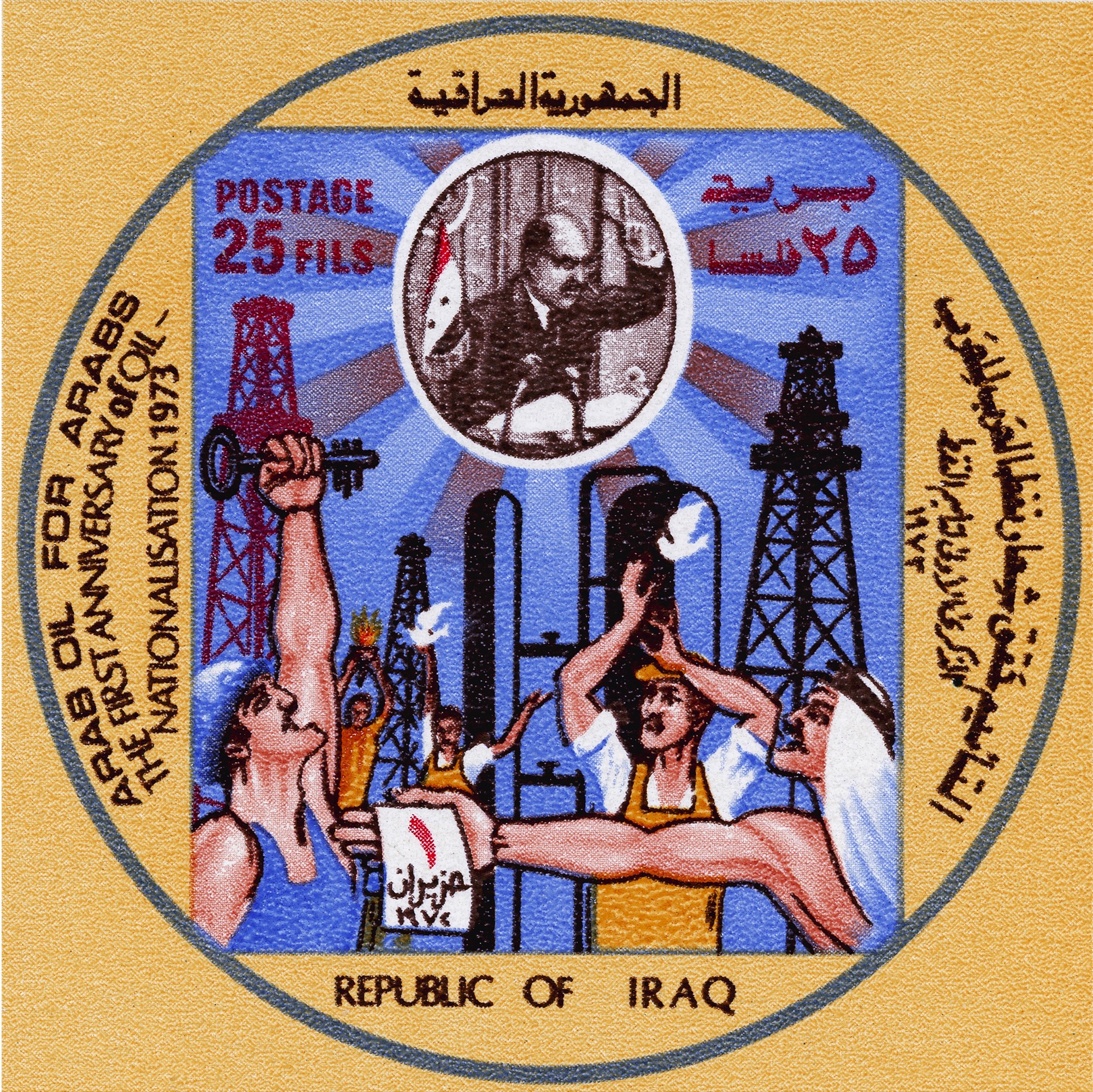
On the central wall of the exhibition is an enlargement of a vinyl record album cover, Songs and Rhymes for OPEC. This pause in the timeline acts as a window into OPEC’s utopian representation of transcontinental postcolonial solidarity. The record was released in 1980, a few weeks before the war between Iran and Iraq broke out. According to Sohrabi, this image became a monument, a document testifying to the end of an era. In the second part of the installation, she introduces more concretely the idea of the circulation and life of images after they were produced. She looks back, for instance, at the last time the Iranian oil minister was seen before he was captured by the Iraqi army, in 1980. His portrait appears several times, even becoming a motif in her tampered reproduction of a commemorative stamp celebrating the first anniversary of the nationalization of oil in Iraq (1973). This manipulation highlights the power of the visual machine at work in image-objects such as stamps. As vehicles of communication, they participate in an identity-related language that crosses borders. For Sohrabi, they become the archive of their own migration.
Does what is hidden before our eyes evade our expectations here? Certainly, if we are expecting all the primary indicators of the oil-extraction industry – drilling rigs, specialized machinery, pipelines, and so on. Although there are few of these direct manifestations, Sohrabi underlines the continuity of methods and infrastructures and the impact of this heritage on the logics of national documentation and representation. The installation articulates the images and text elements – excerpts of contracts, photograph legends, magazine covers, and more – in a complex language, like a shape-shifting ghost, crossing time and haunting narratives. Translated by Käthe Roth
2 OPEC, an intergovernmental organization, was founded by Iran, Iraq, Kuwait, Saudi Arabia, and Venezuela during the Baghdad Conference in 1960, with the goal of unifying and stabilizing oil-exploitation policies among member countries.
3 See Sanaz Sohrabi, “Ruminations on Petropublics Across Borders,” Kunstlicht 42, no. 3/4 (2021), https://tijdschriftkunstlicht.nl/sanaz-sohrabi-ruminations-on-petropublics-across-borders-kunstlicht-vol-42-no-3-4-2021/.
Emmanuelle Choquette is an author, researcher, and curator, with a master’s degree in art history from the Université du Québec à Montréal. She explores the articulation of political, institutional, and performative spaces in an installation practice that generates a critical gaze at exhibition formats. She is also interested in how artists appropriate archives as sites of resistance.
[ Complete issue, in print and digital version, available here: Ciel variable 120 – FIGURES OF AFFIRMATION ]