
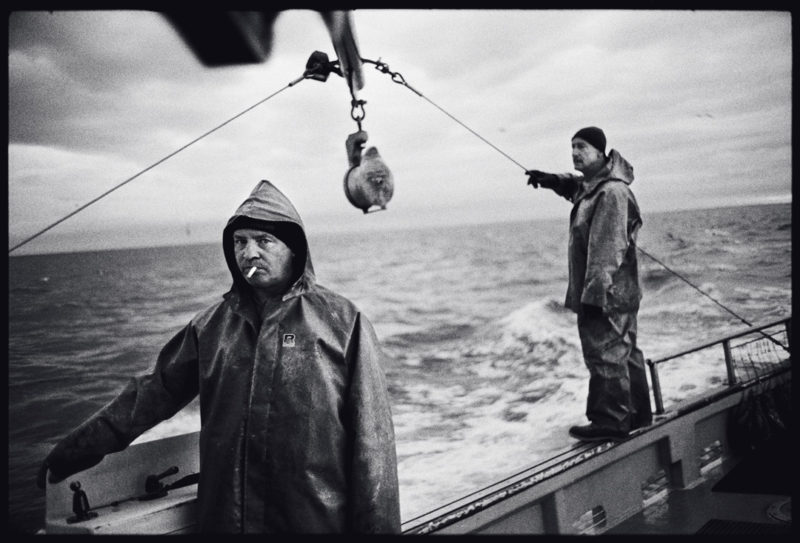
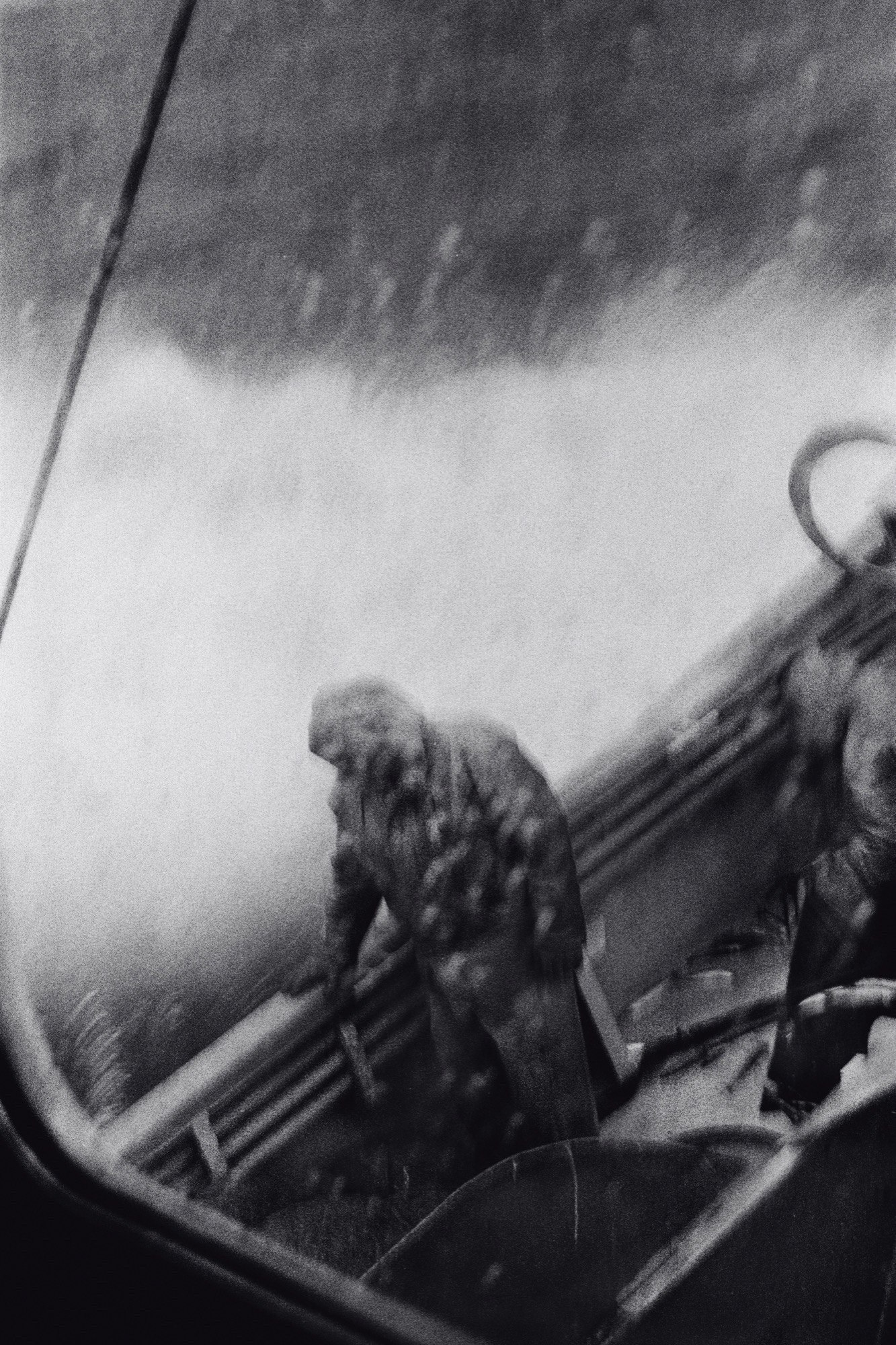
Charles-Frédérick Ouellet, Le Naufrage, Les Éditions du Renard, 2017
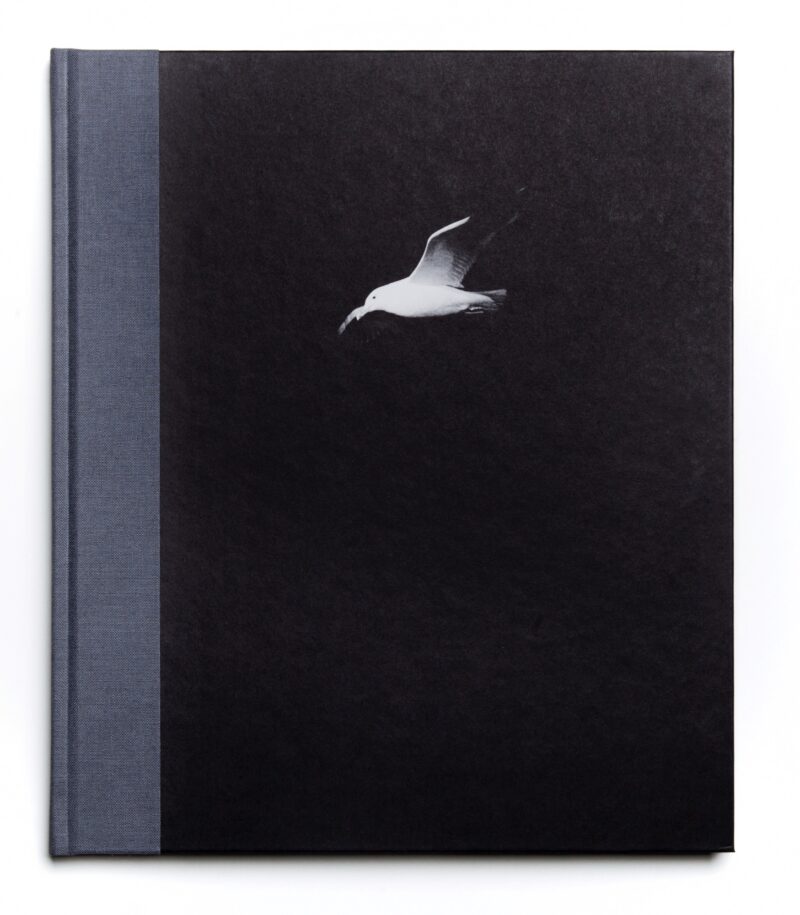
Charles-Frédérick Ouellet Le Naufrage Les Éditions du Renard, 2017
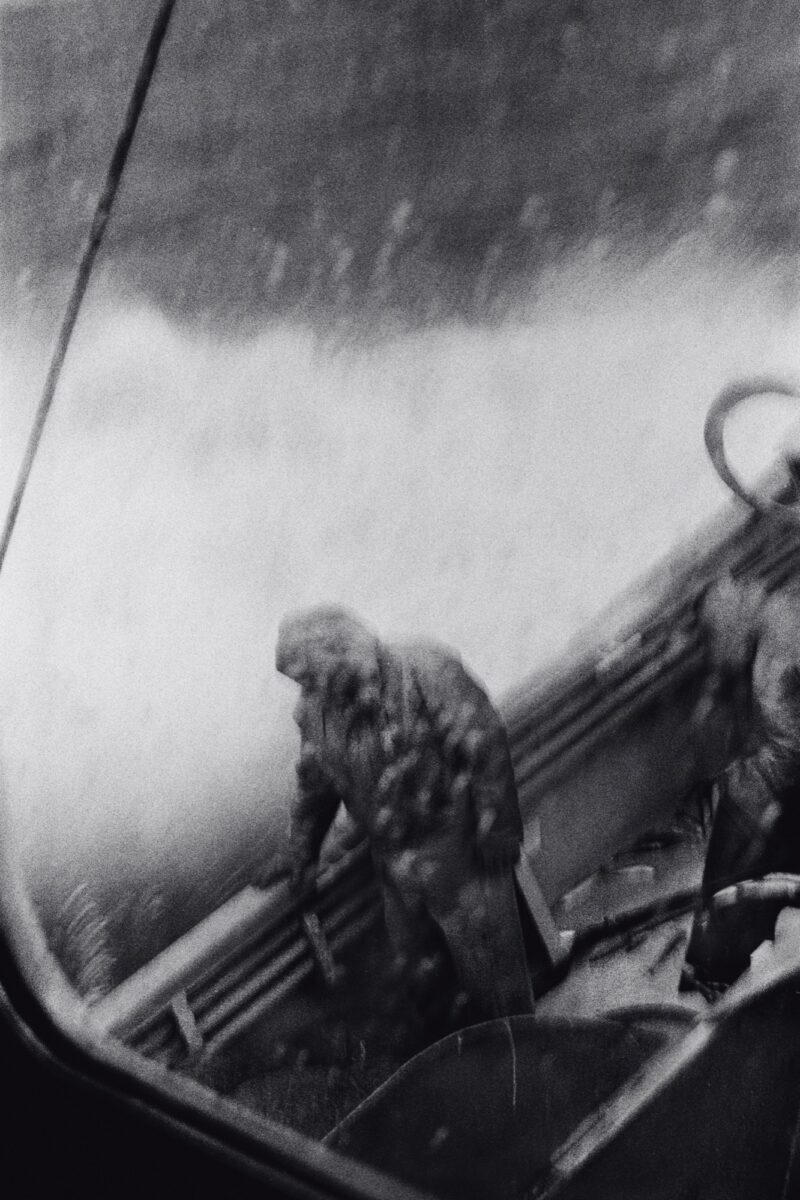
Charles-Frédérick Ouellet Le Naufrage Les Éditions du Renard, 2017
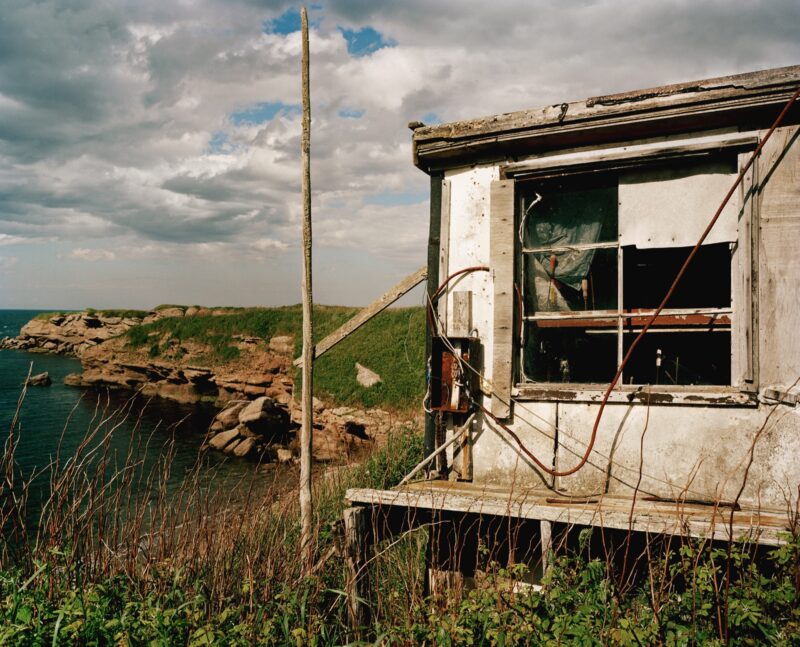
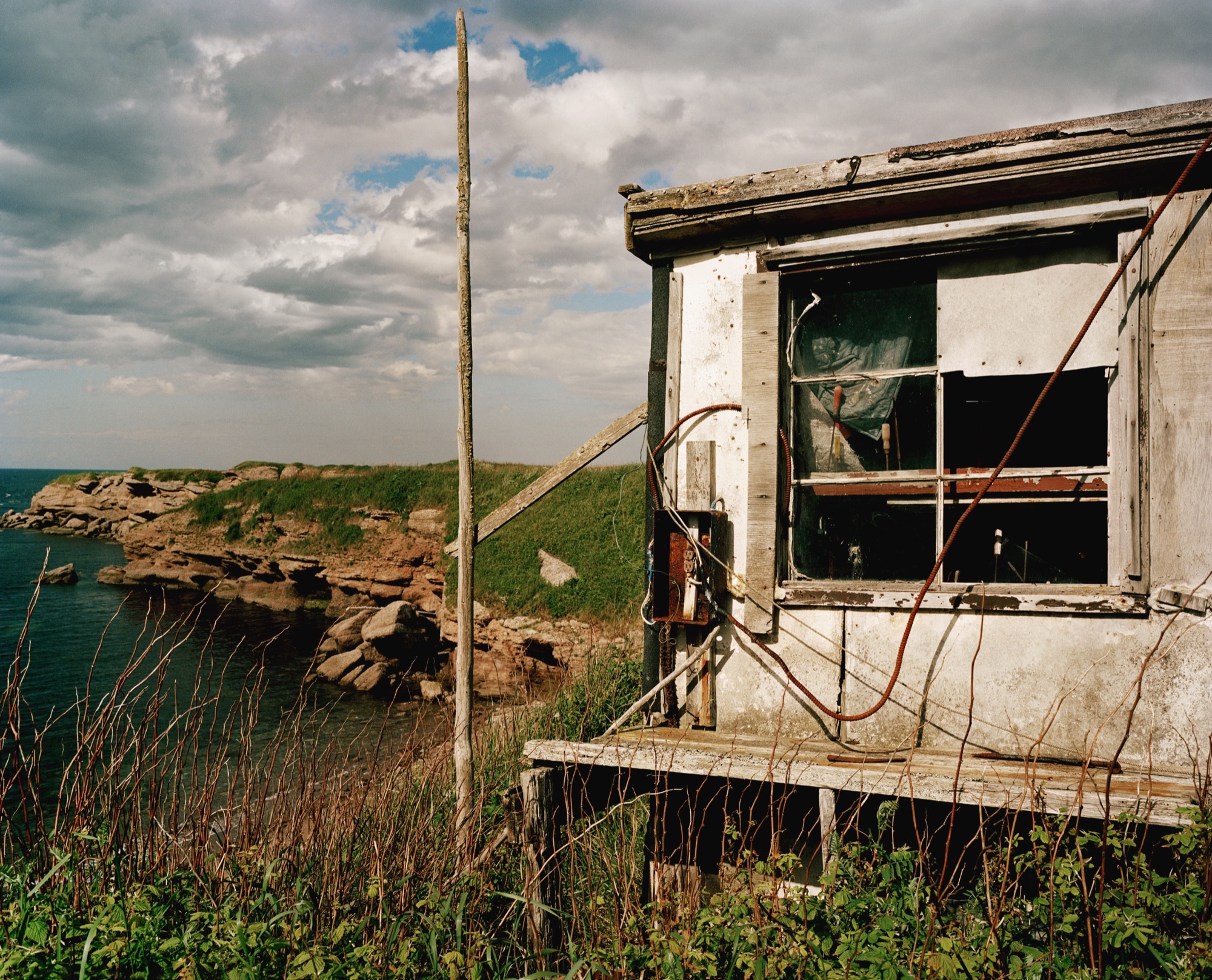
Bertrand Carrière, Pointe-Saint-Pierre, Gaspésie 2010, impression au jet d’encre / inkjet print, 81 × 101 cm
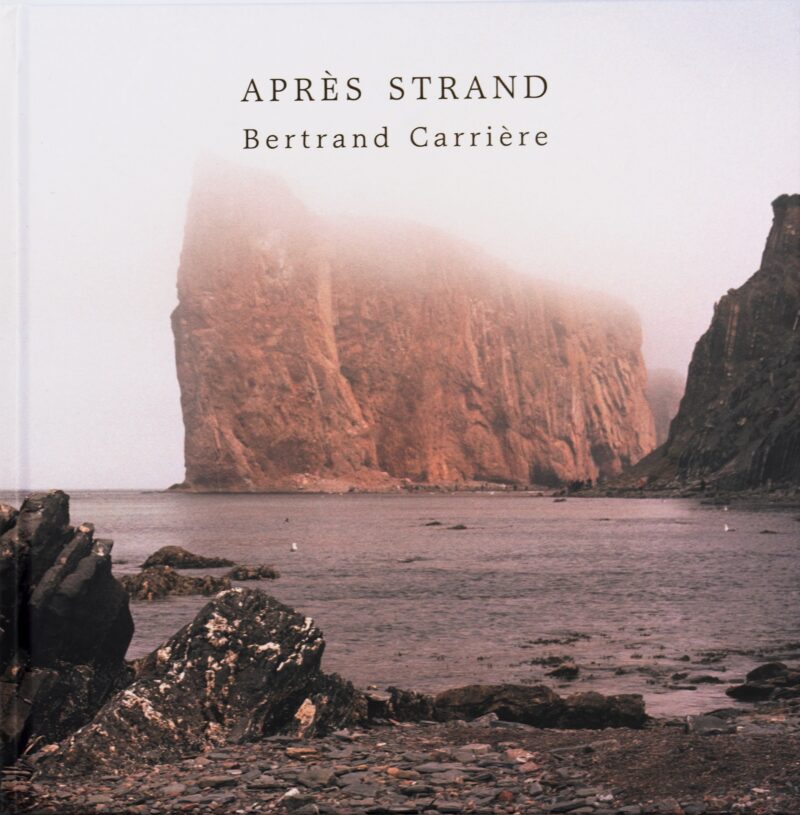
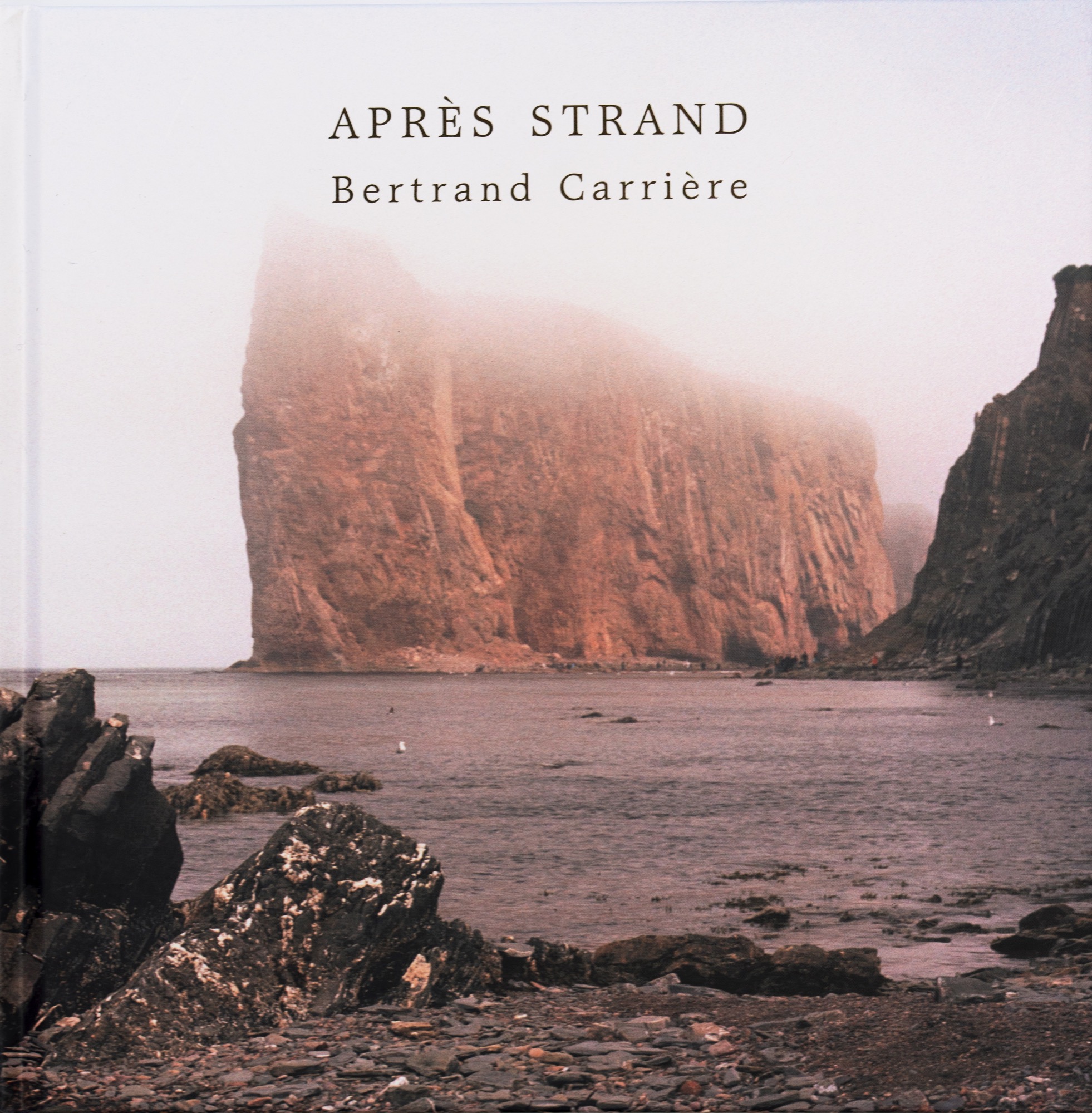
Bertrand Carrière Après Strand Musée régional de Rimouski, 2011
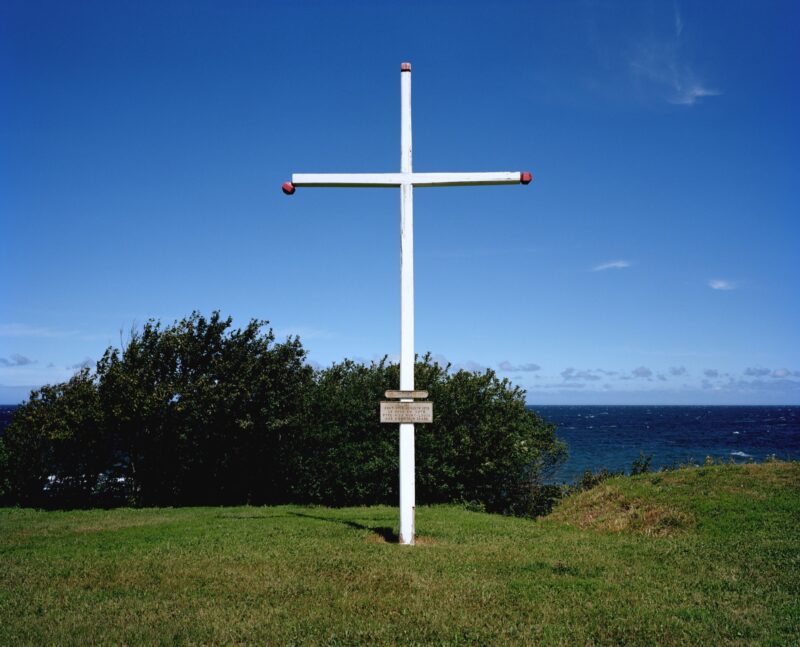
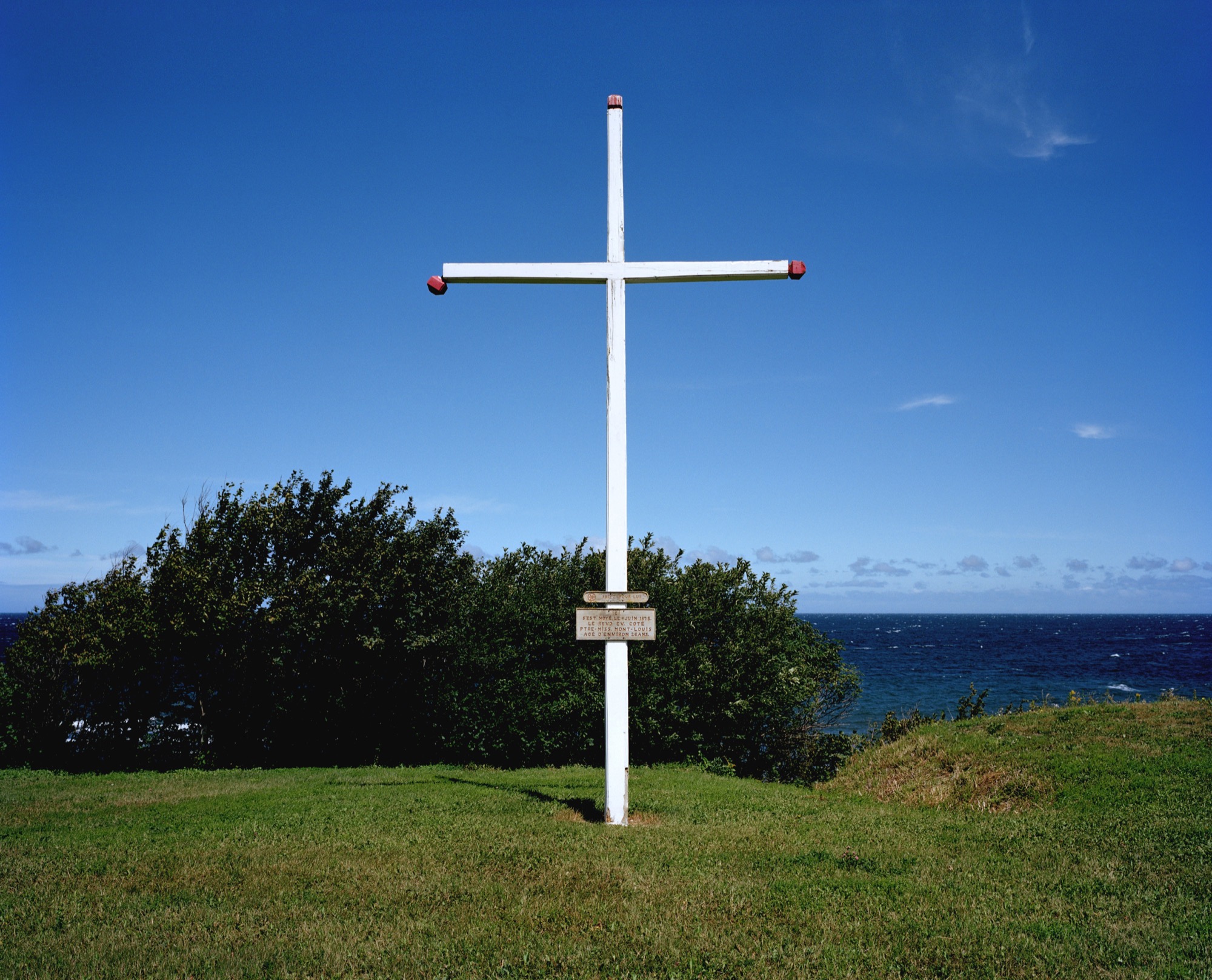
Bertrand Carrière, Croix, Rivière-à-Claude, Gaspésie 2010, d’après / after Georgia O’Keeffe, Cross by the Sea, 1932 impression au jet d’encre / inkjet print, 81 × 101 cm
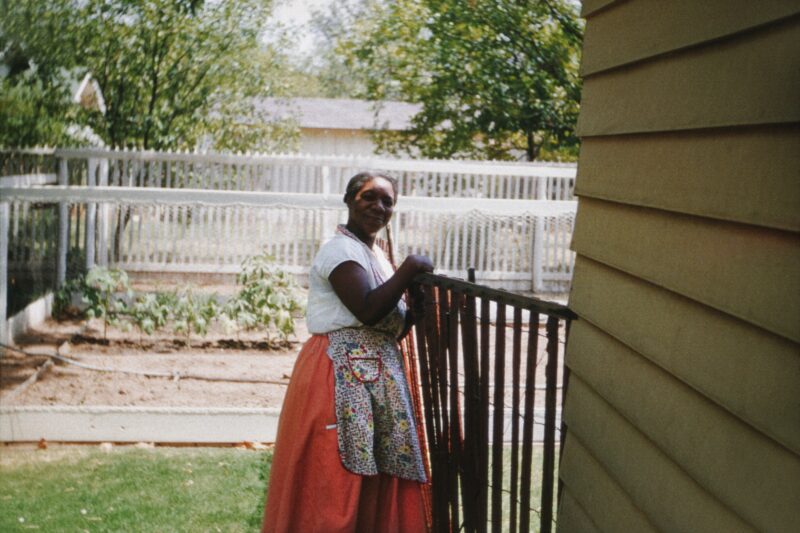
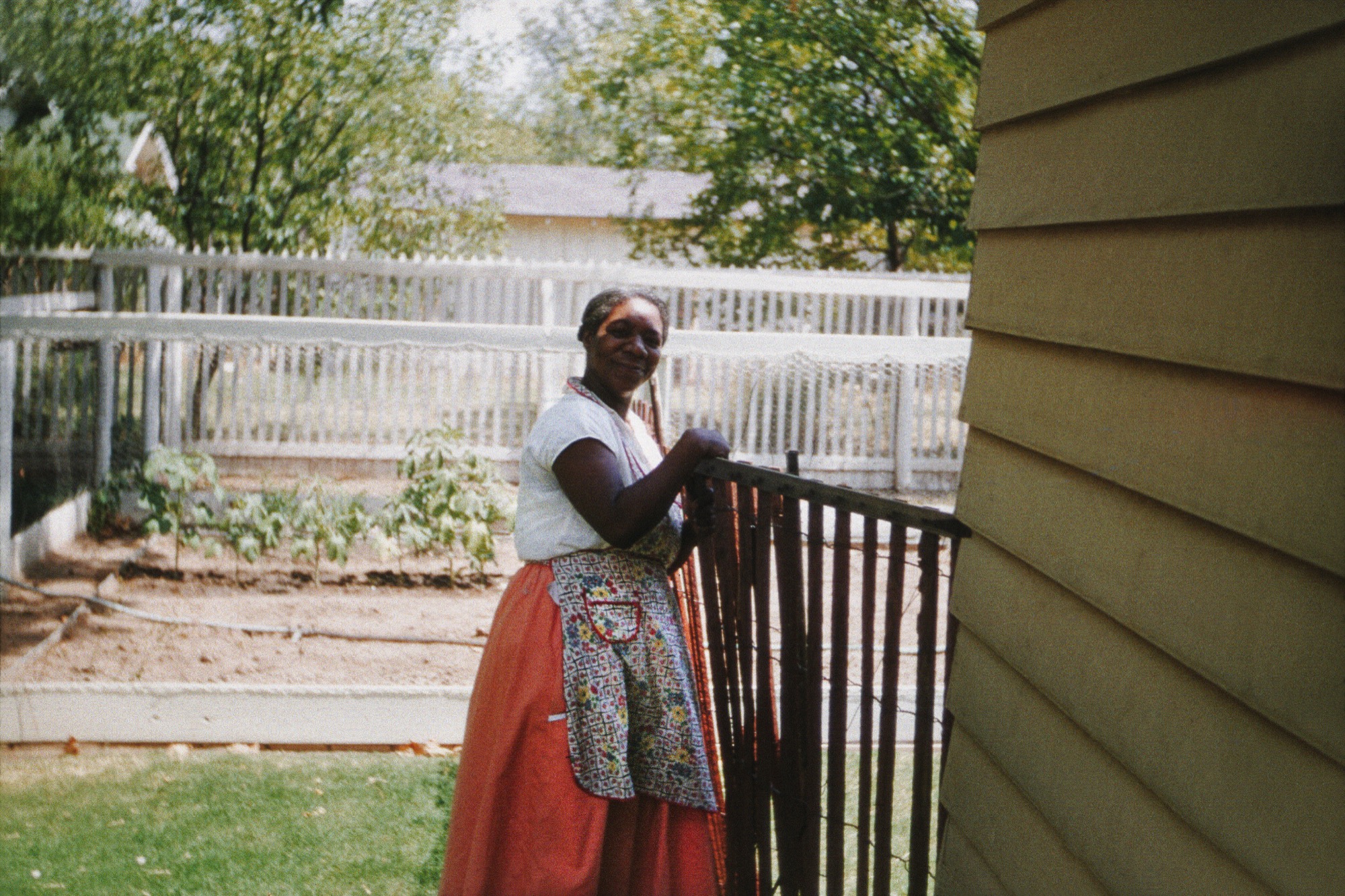
Michel Campeau Revoir Robert Frank et Les Américains. La photographie couleur amateur des années cinquante aux États-Unis, 2014–2016, diapositive, numérisation, impression au jet d’encre / slide, digitization, inkjet print, collection de l’artiste / artist’s collection 61 × 91 cm, référence à / reference to Beaufort – South Carolina, dans / in The Americans, Photographs by Robert Frank, New York, An Aperture Book, Grossman Publishers, 1969
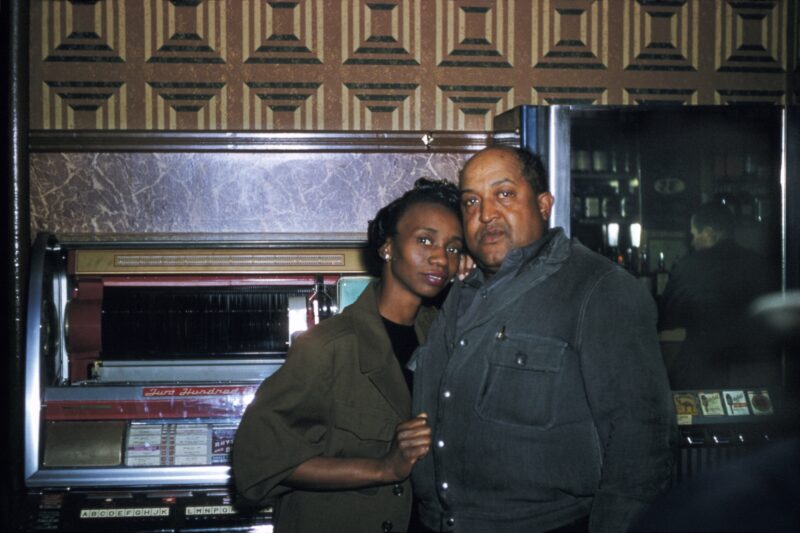
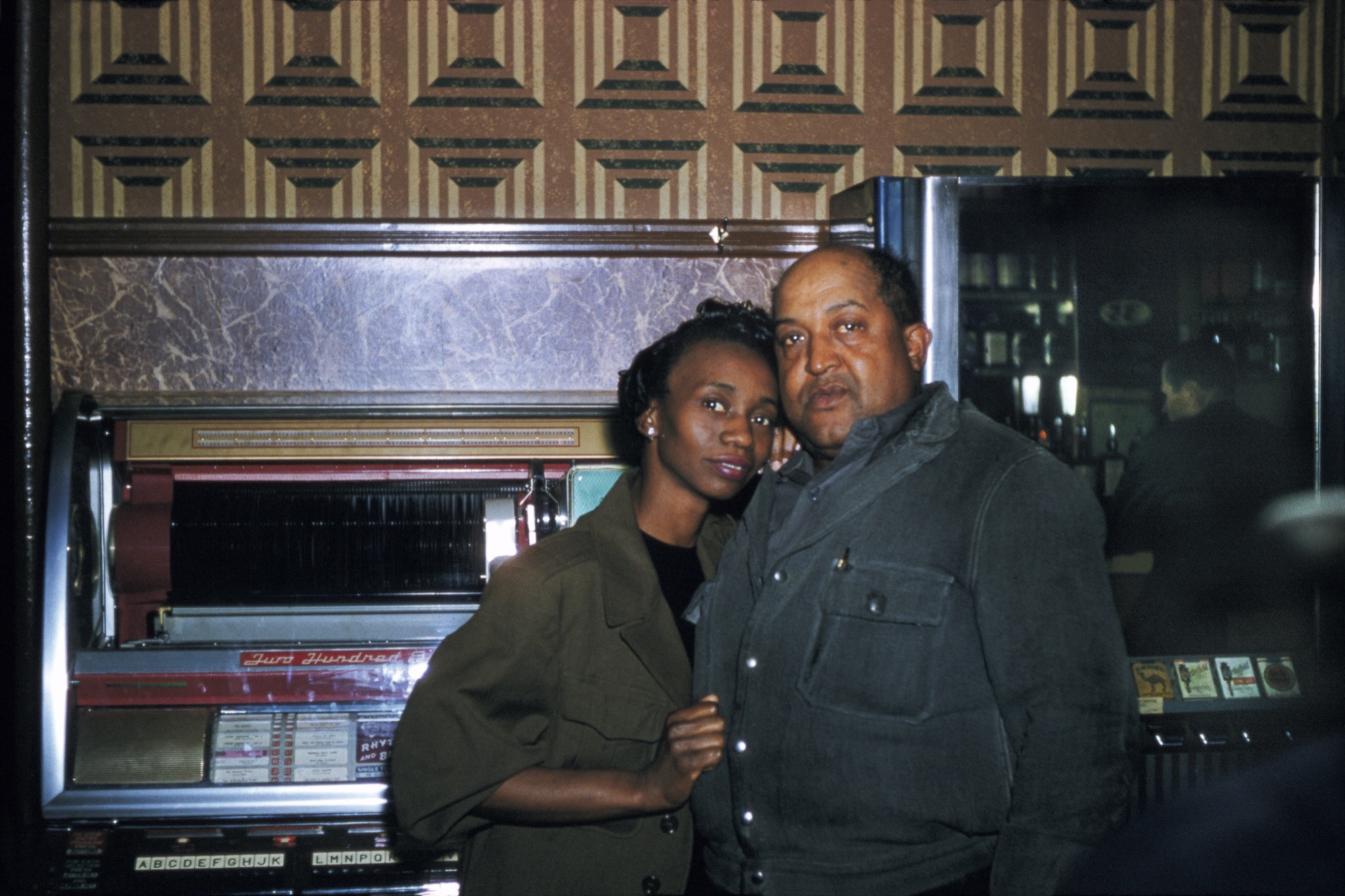
61 × 91 cm, référence à / reference to Bar – Las Vegas, Nevada, dans / in The Americans, Photographs by Robert Frank, New York, An Aperture Book, Grossman Publishers, 1969
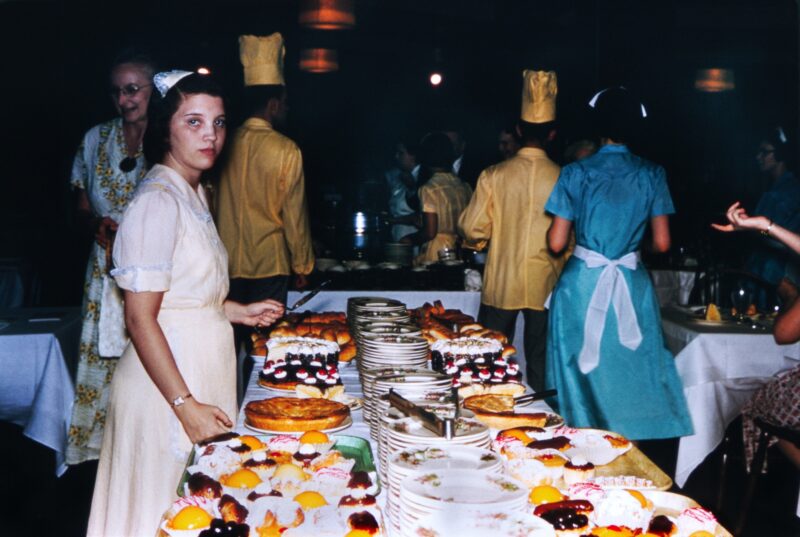
61 × 91 cm, référence à / reference to Beaufort – South Carolina, dans / in The Americans, Photographs by Robert Frank, New York, An Aperture Book, Grossman Publishers, 1969
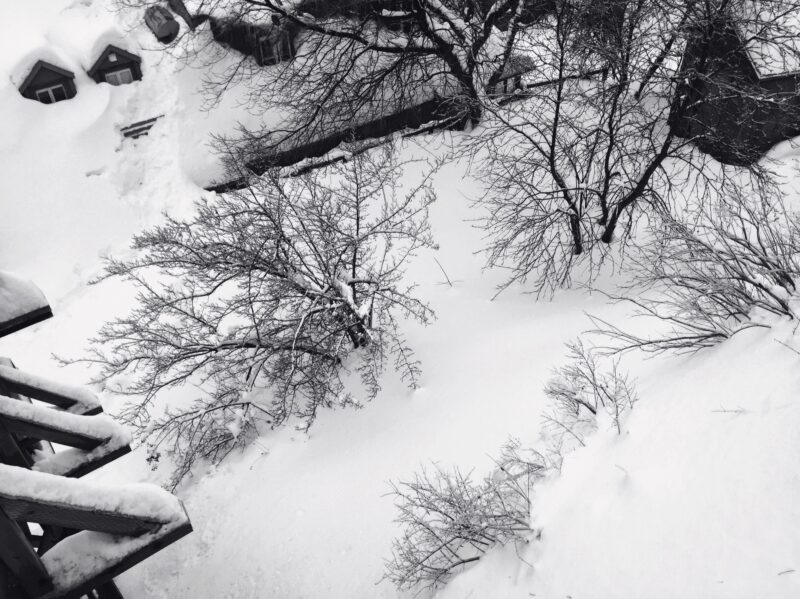
Anne-Marie Proulx Le jardin d’après Éditions Loco, 2021
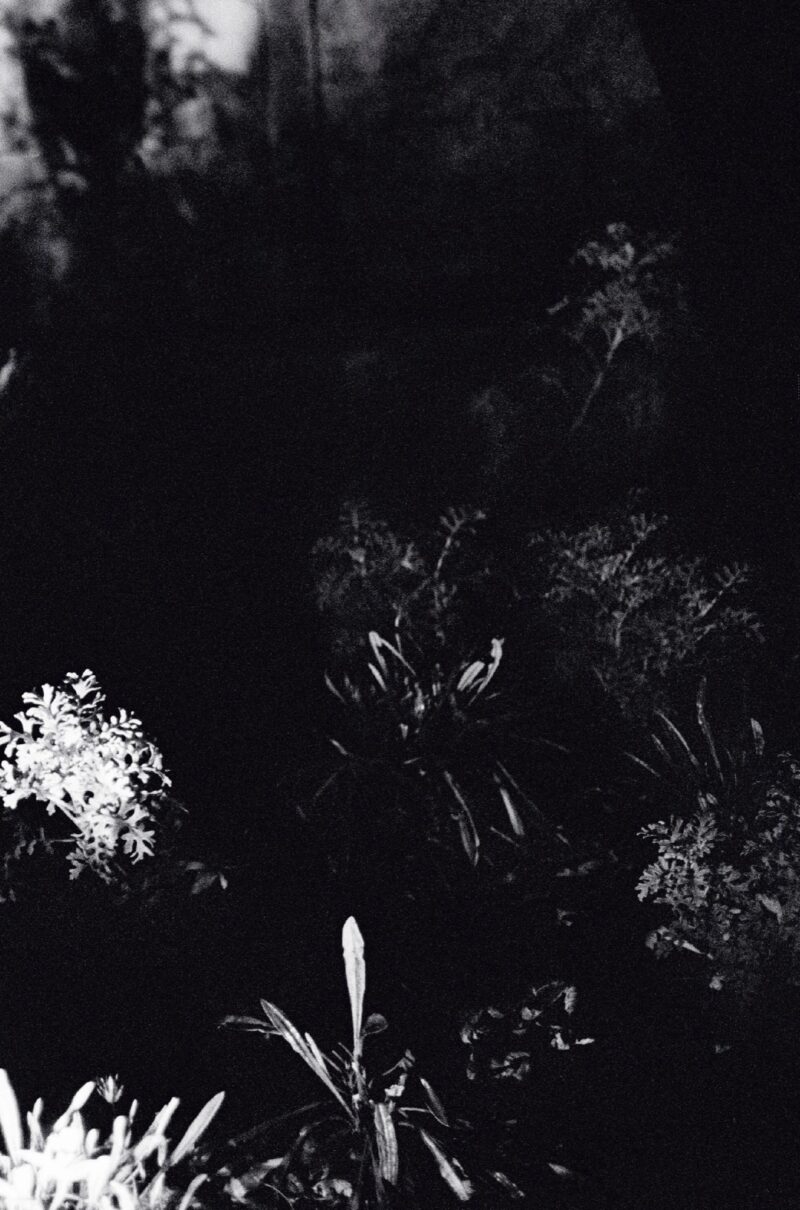
Anne-Marie Proulx Le jardin d’après Éditions Loco, 2021
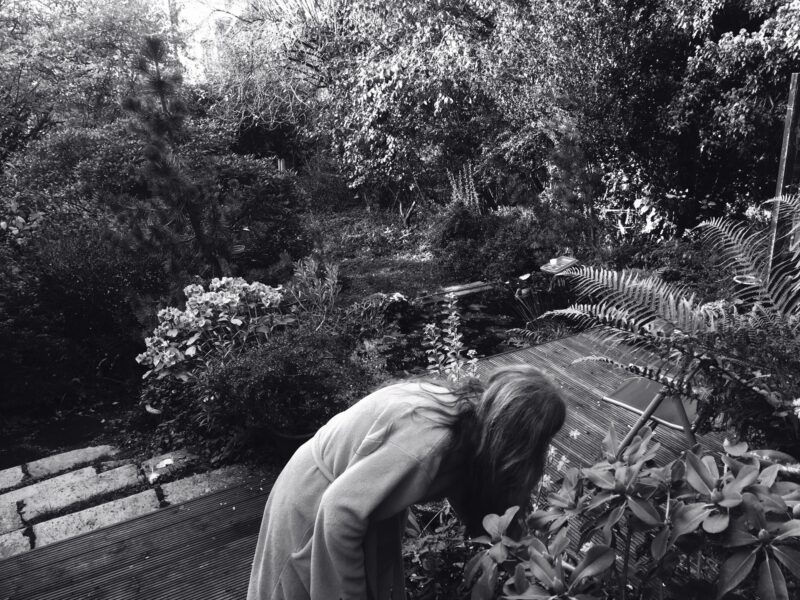
Anne-Marie Proulx Le jardin d’après Éditions Loco, 2021
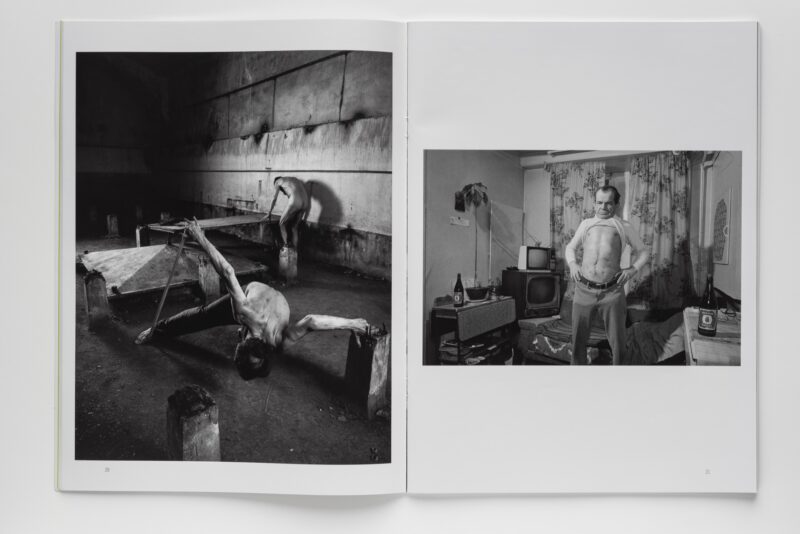
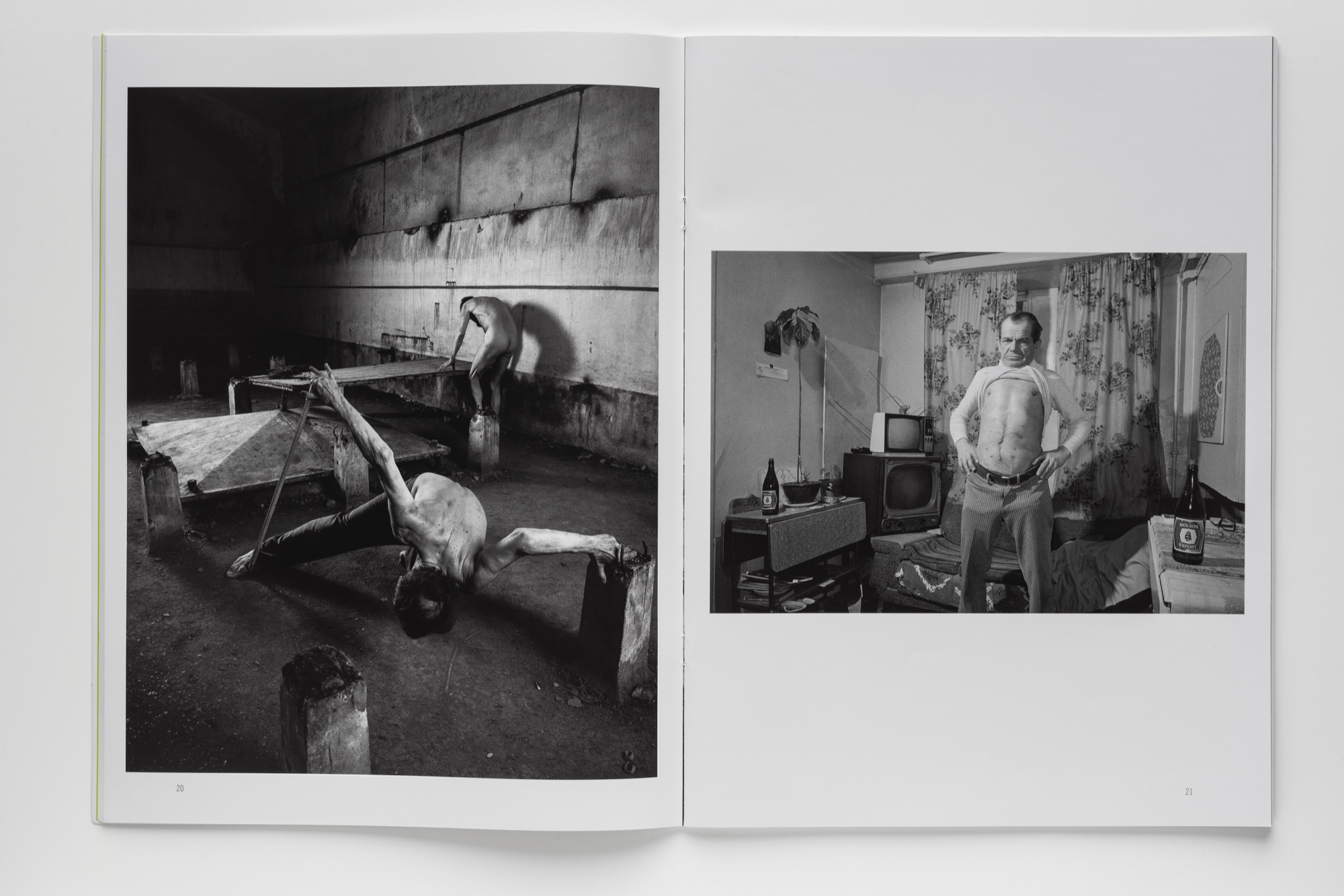
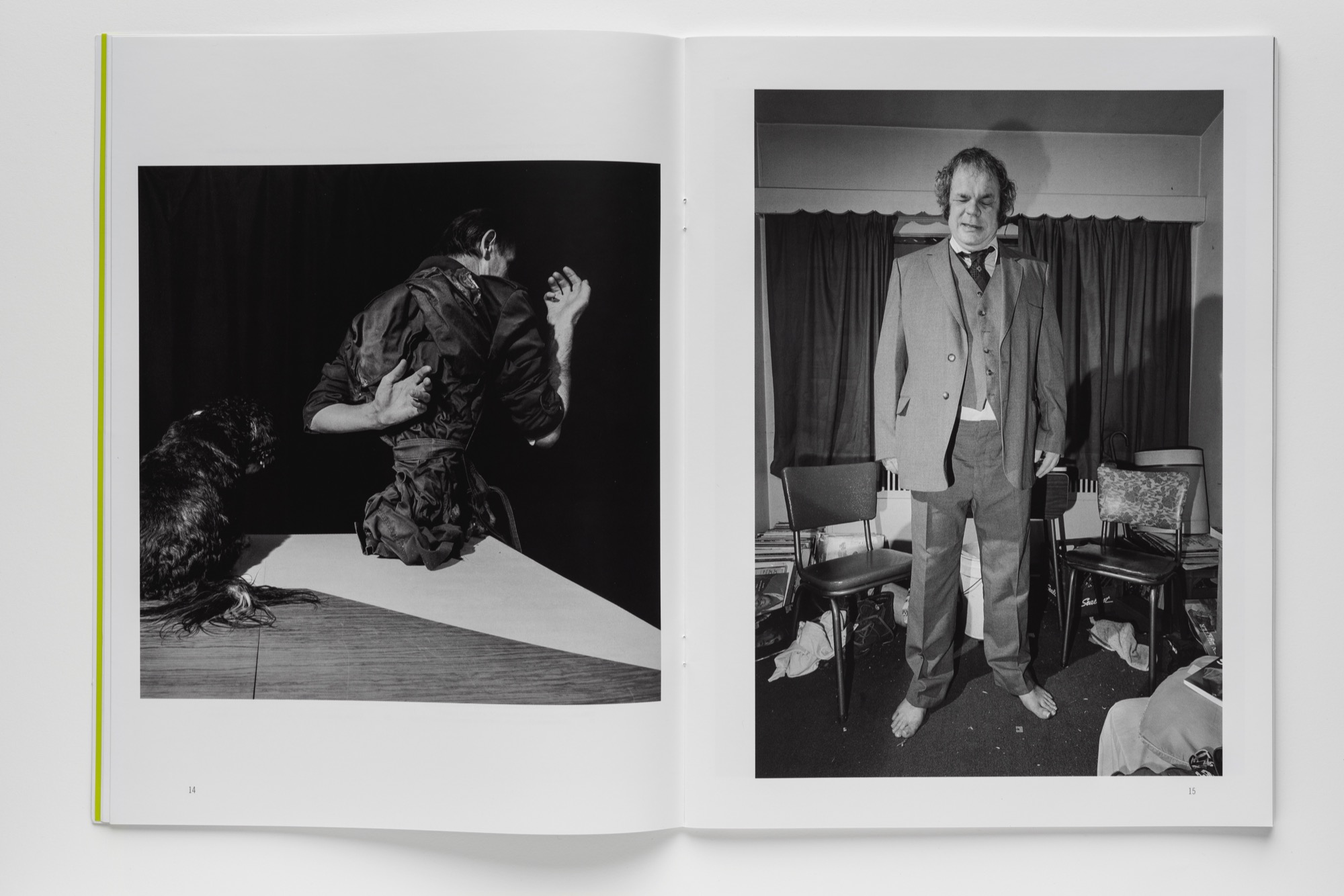
page de gauche / left page: Matthieu Brouillard Sans titre (Soldat tombant 7) / Untitled (Falling Soldier 7), 2011 de la série / from the series La Résurrection / The Resurrection 2005–2011, photographie noir et blanc / black-and-white photograph page de droite / right page: Donigan Cumming Sans titre (1er février 1984) / Untitled (February 1, 1984), de la série / from the series La réalité et le dessein dans la photographie documentaire, Partie 1 / Reality and Motive in Documentary Photography, Part 1, 1986, photographie noir et blanc / black-and-white photograph
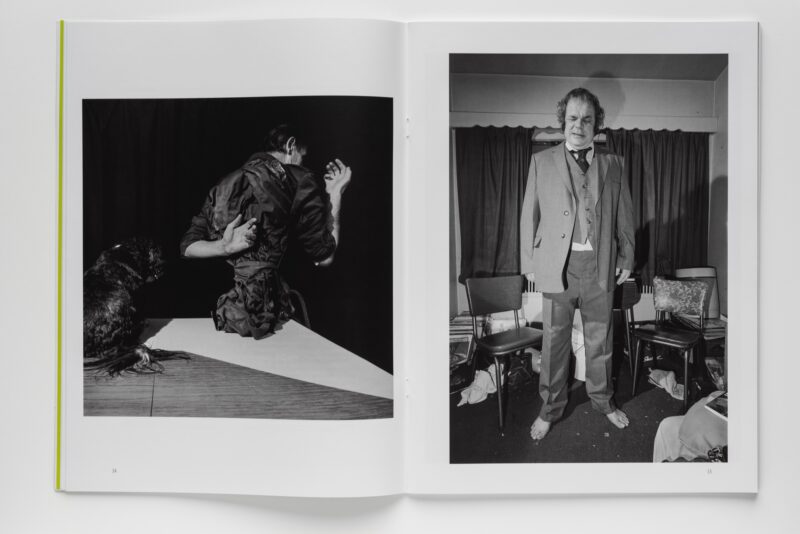
page de gauche / left page: Matthieu Brouillard Étude de marionnette sous forme d’être humain ou d’être humain sous forme de marionette / Study for Puppet in the Shape of a Human Being or for Human Being in the Shape of a Puppet, 2003 photographie noir et blanc / black-and-white photograph. page de droite / right page: Donigan Cumming Sans titre (1er février 1987) / Untitled (February 1, 1987) de la série / from the series Le Miroir, le Marteau et la Scène / The Mirror, The Hammer and The Stage, photographie noir et blanc / black-and-white photograph
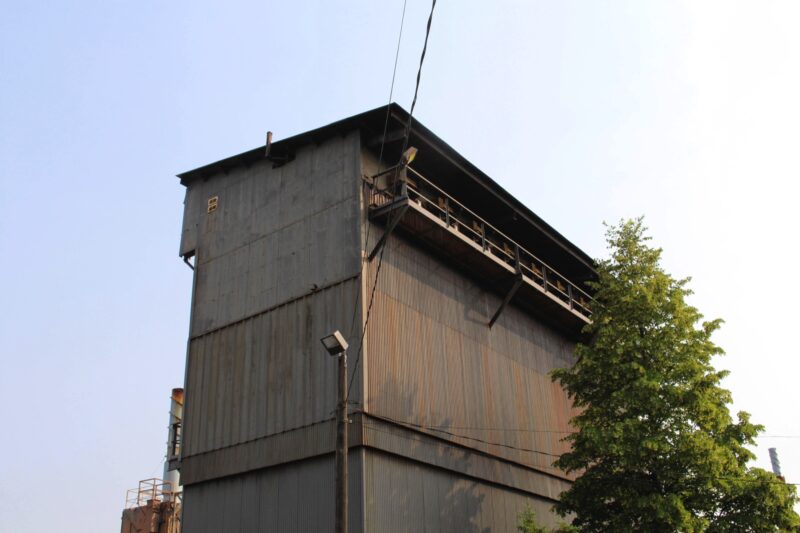
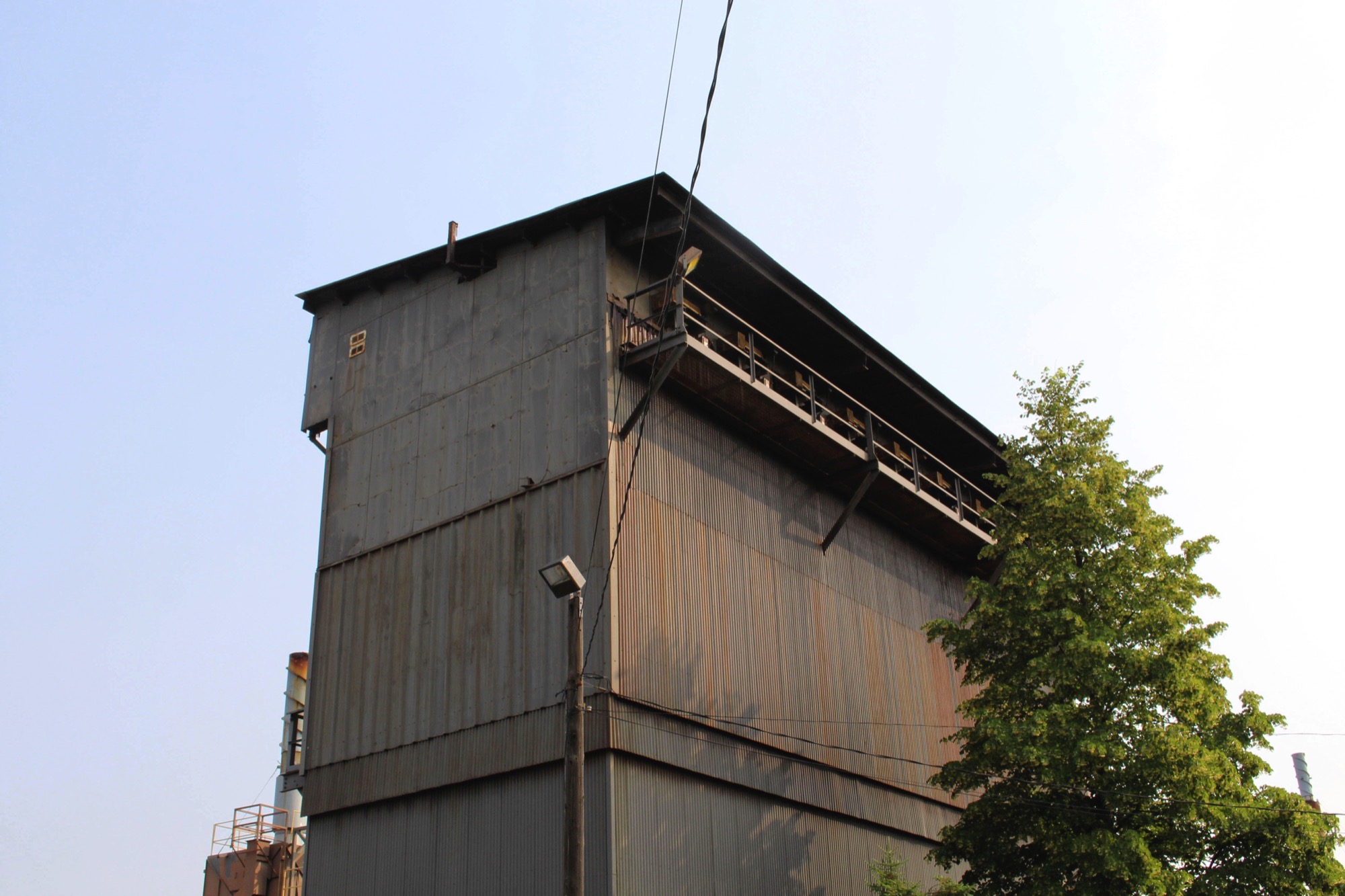
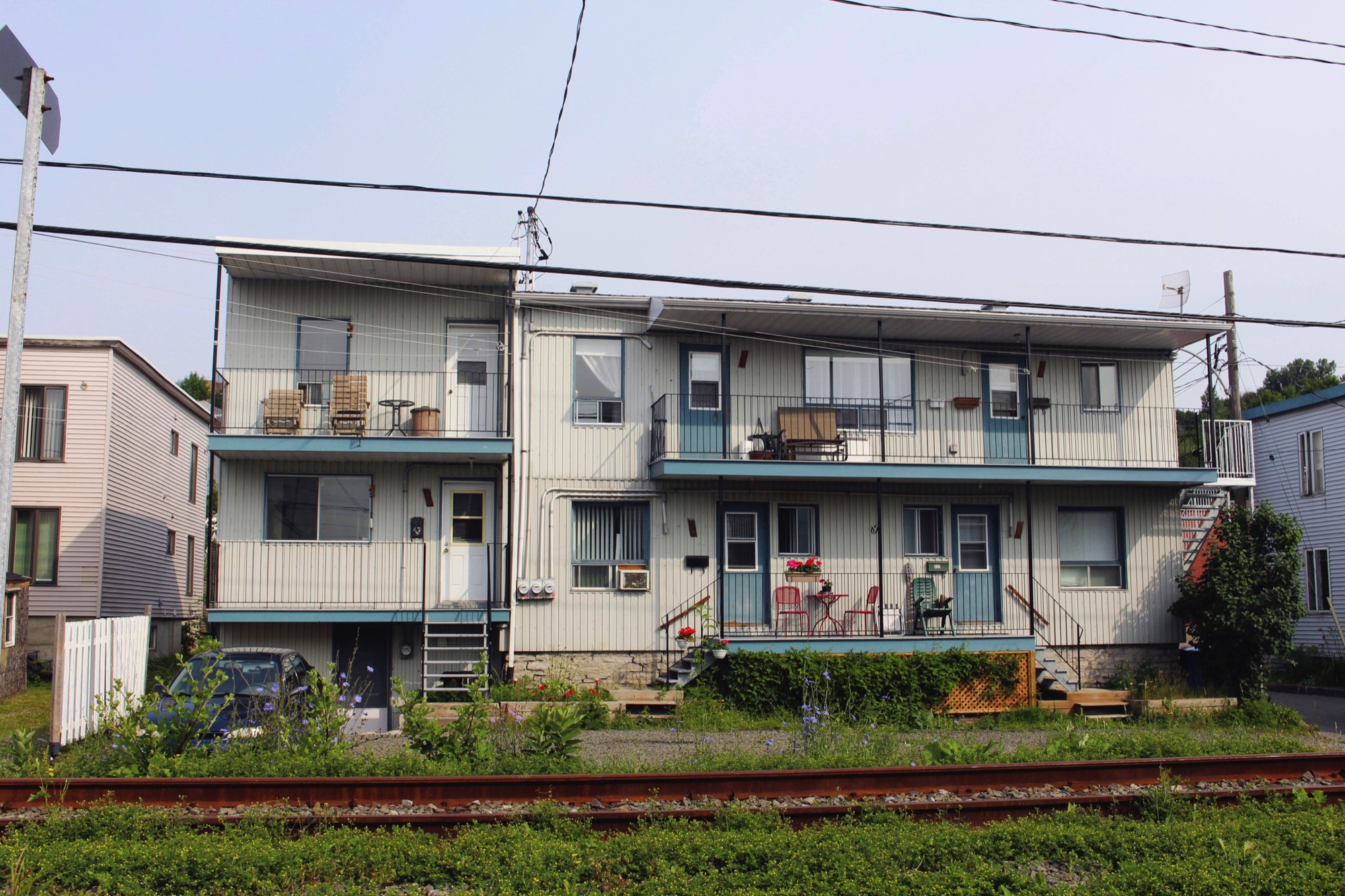
Florence Le Blanc de la série / from the series Les épaves scintillantes en cours de réalisation / currently in production
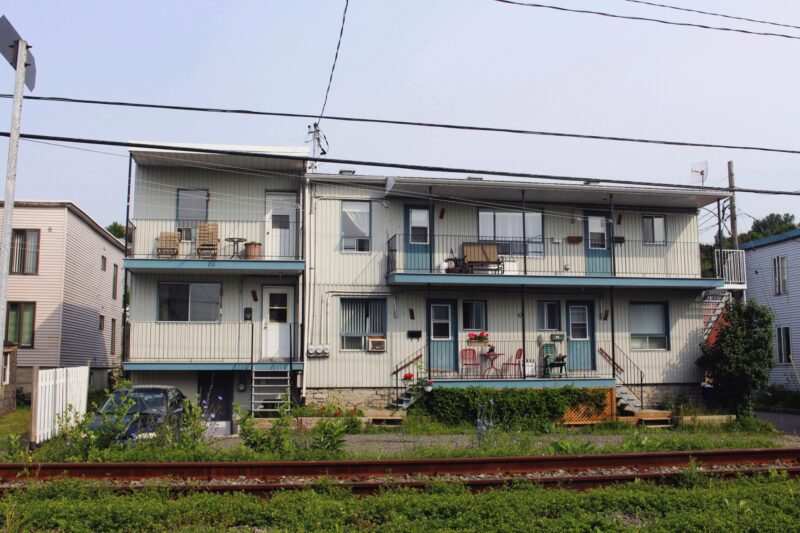
Florence Le Blanc de la série / from the series Les épaves scintillantes en cours de réalisation / currently in production

Florence Le Blanc de la série / from the series Les épaves scintillantes en cours de réalisation / currently in production
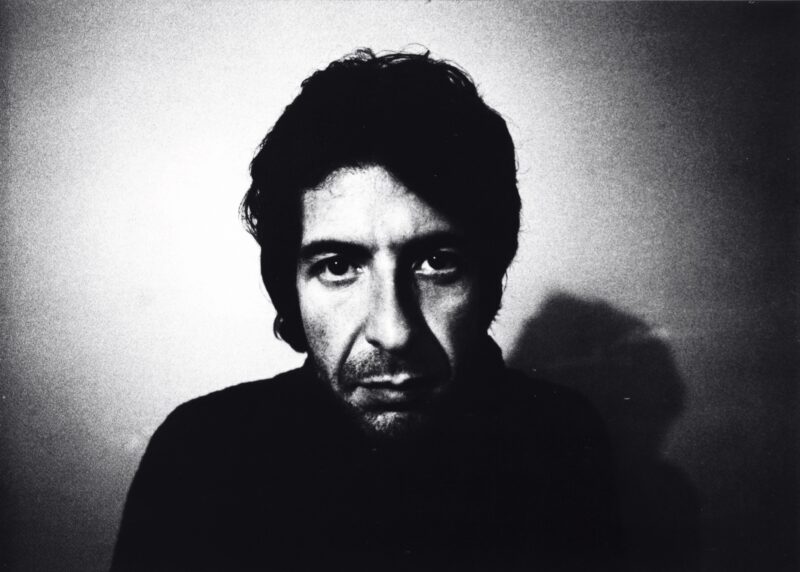
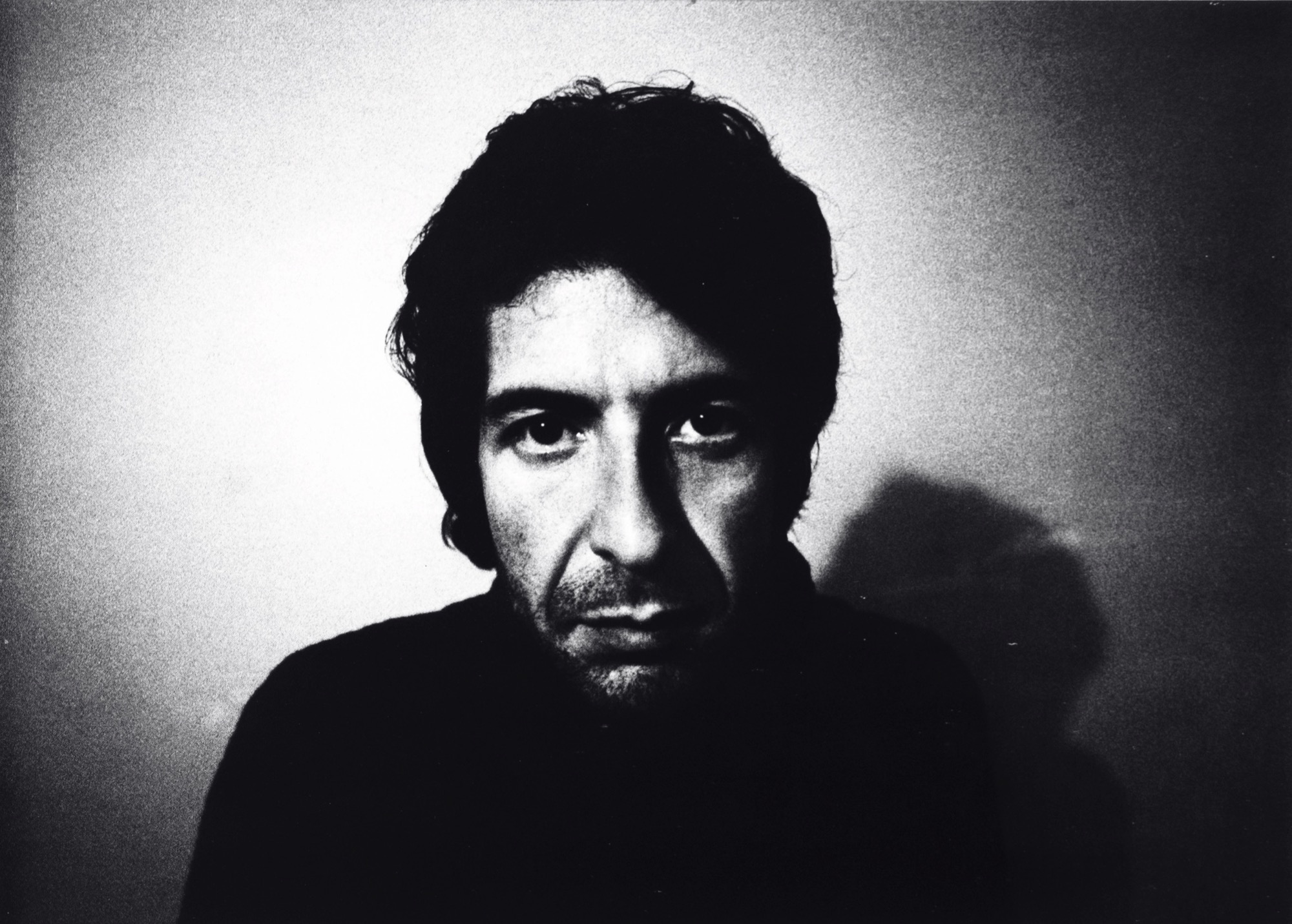
John Max Leonard Cohen
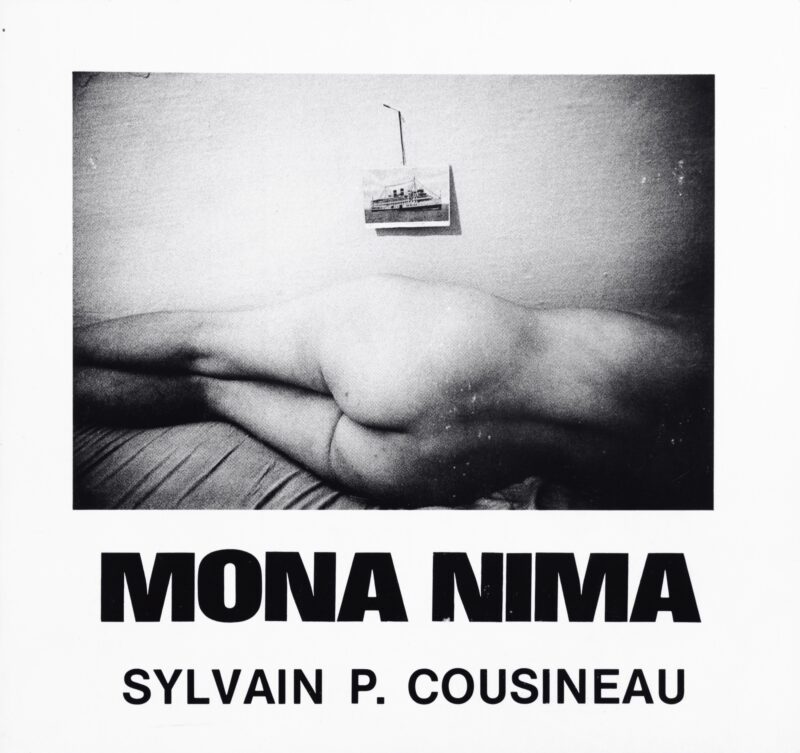
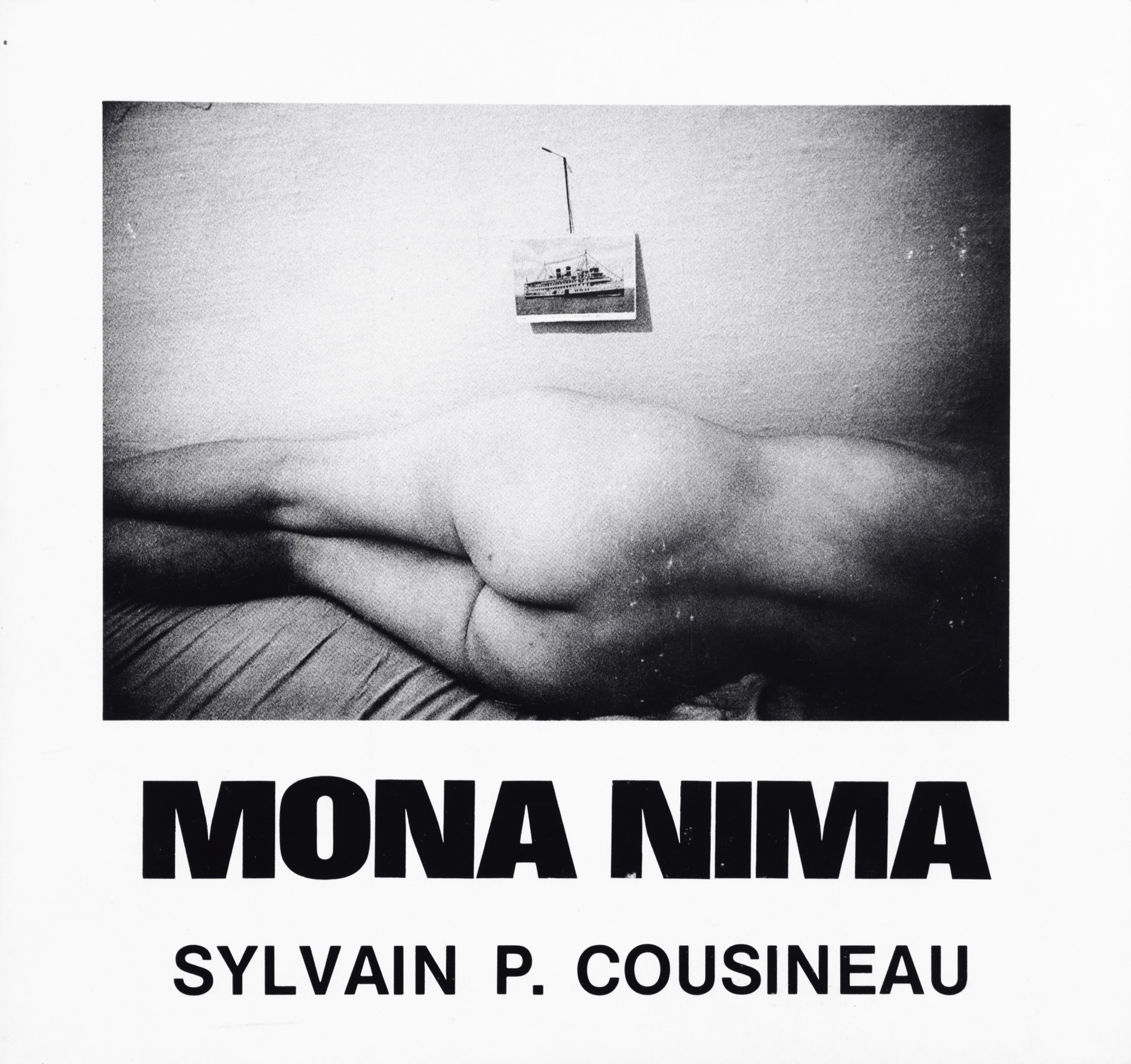
Sylvain P. Cousineau Mona Nima, 1977
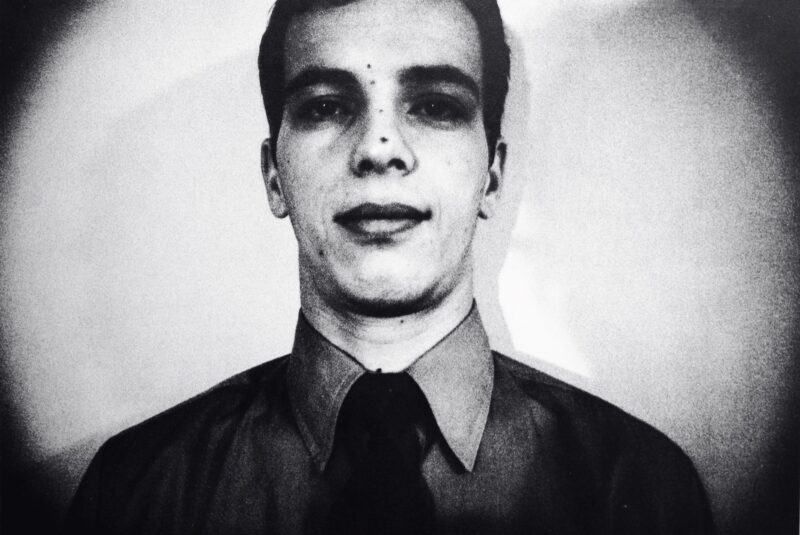
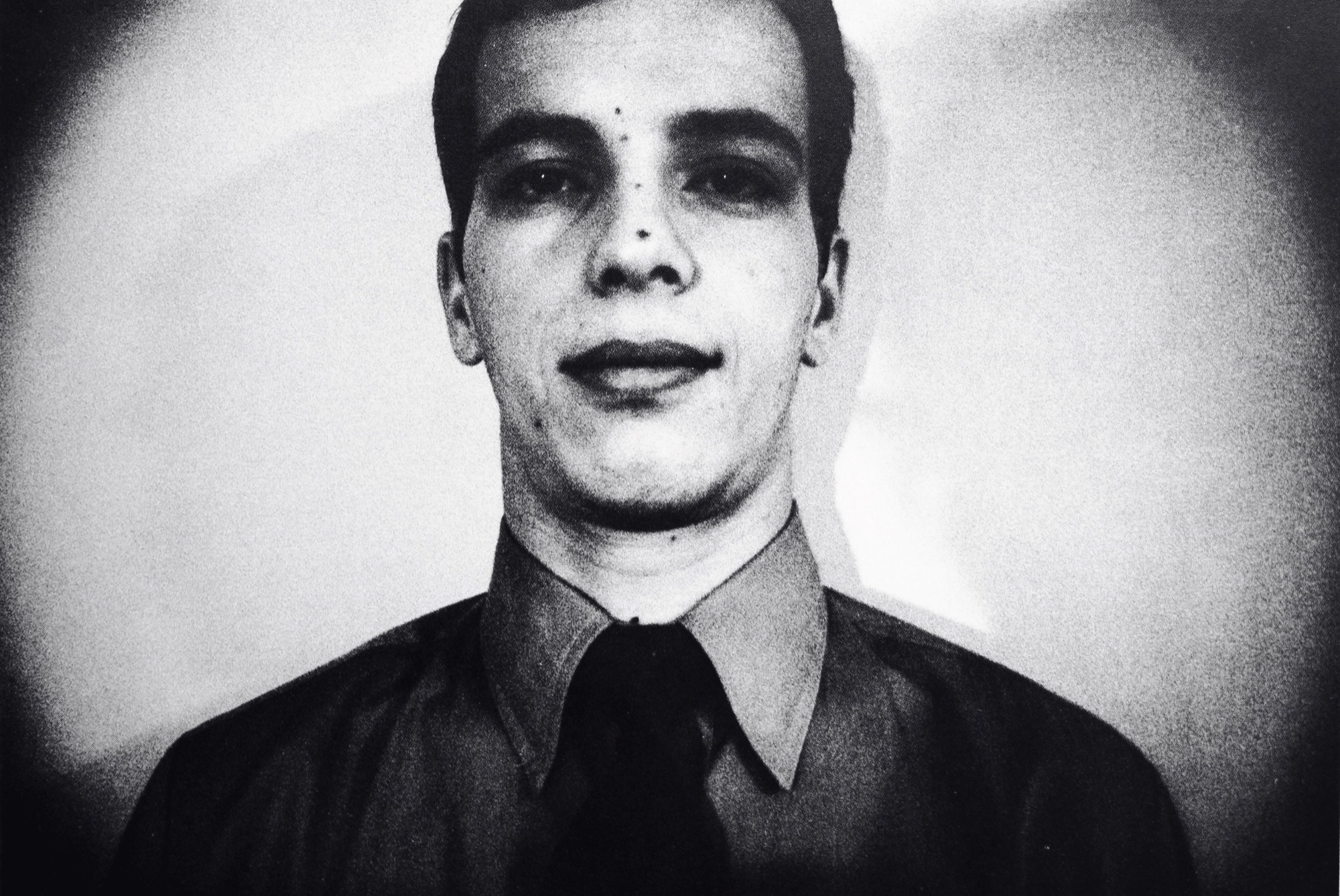
Sylvain P. Cousineau Larry, 1969
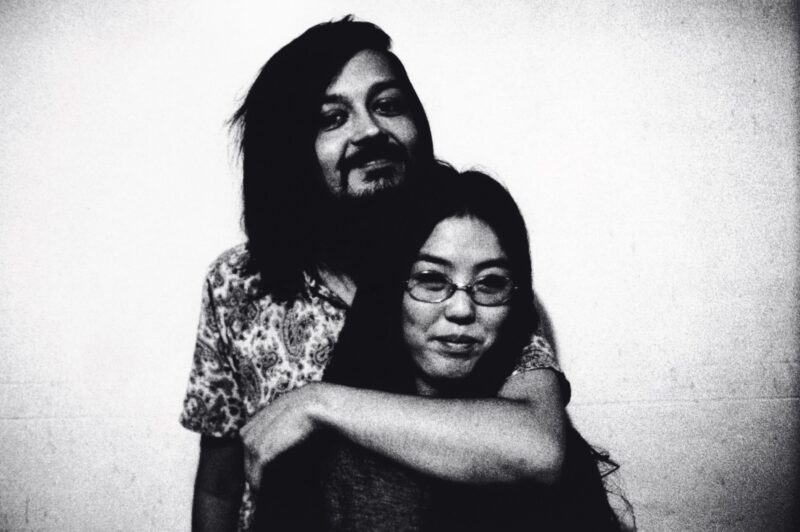
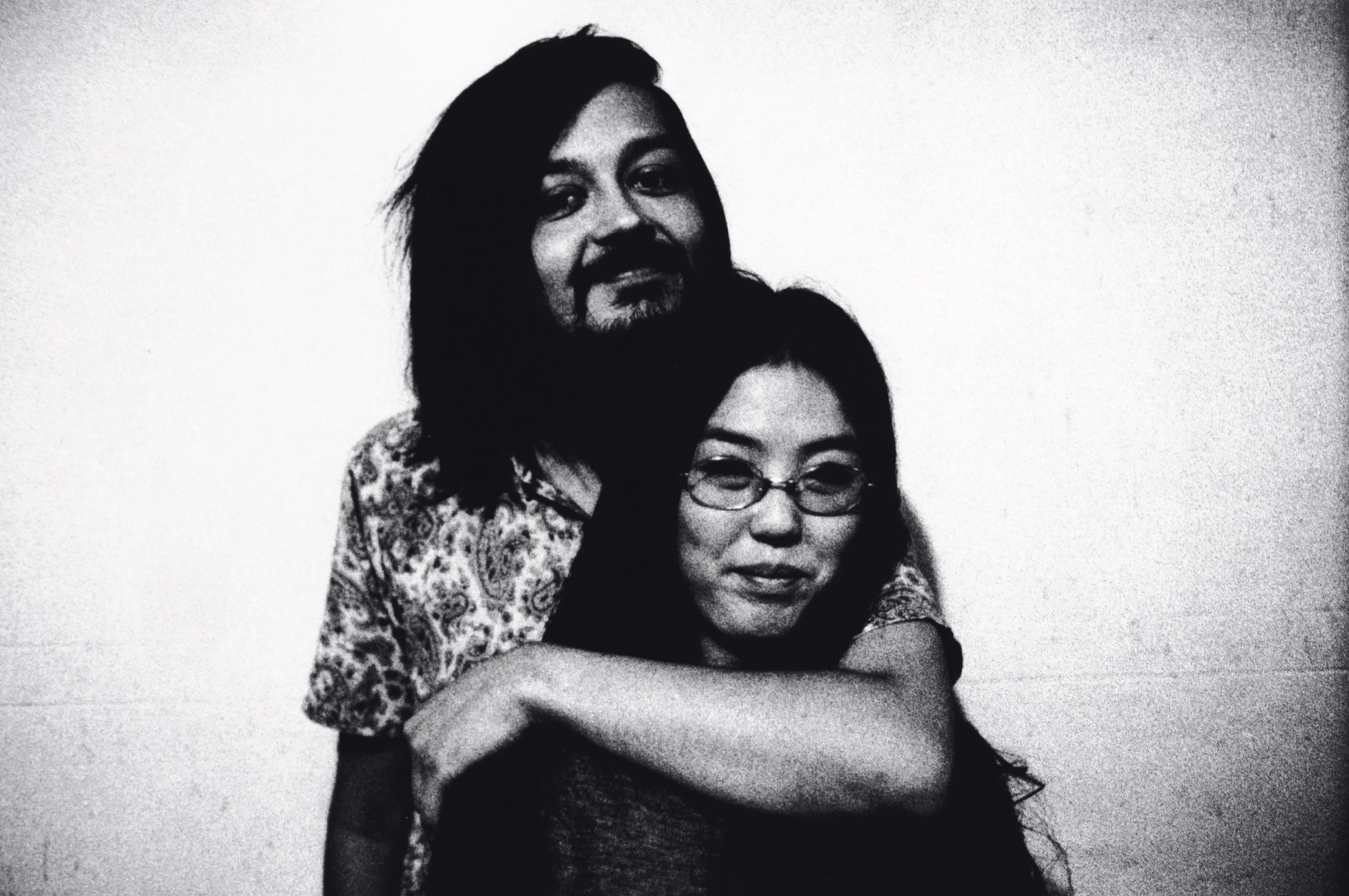
John Max Herb Greenslade et Germaine Ying Gee Wong
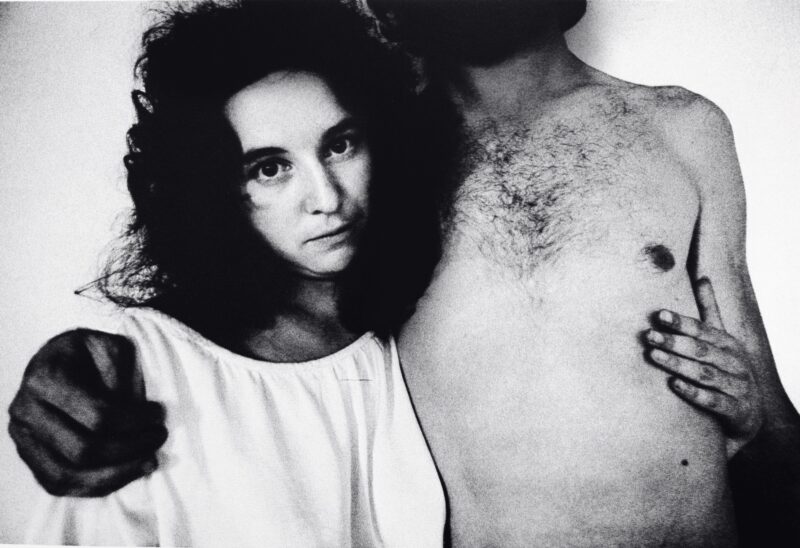
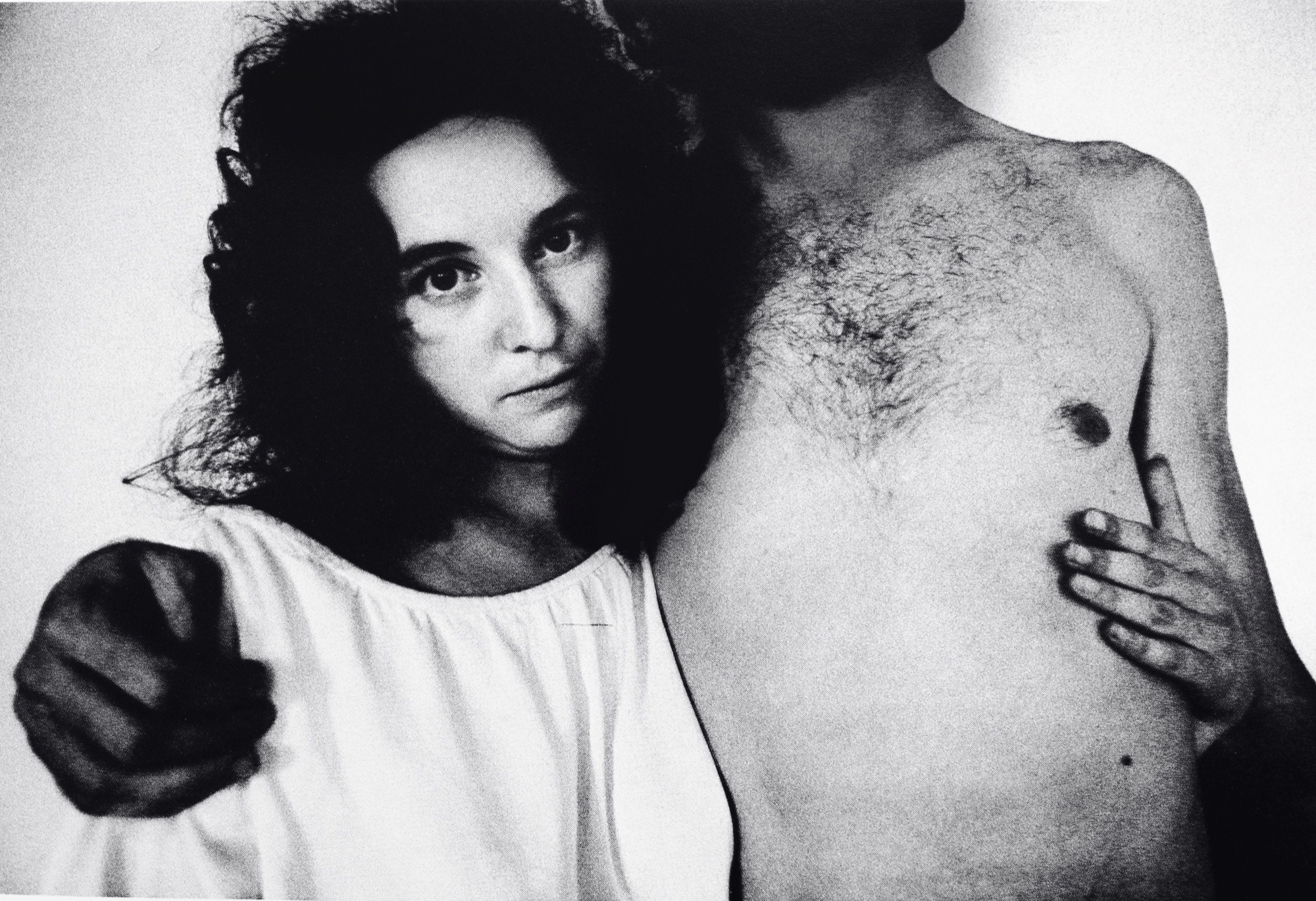
Sylvain P. Cousineau Chris et Cathy, 1973
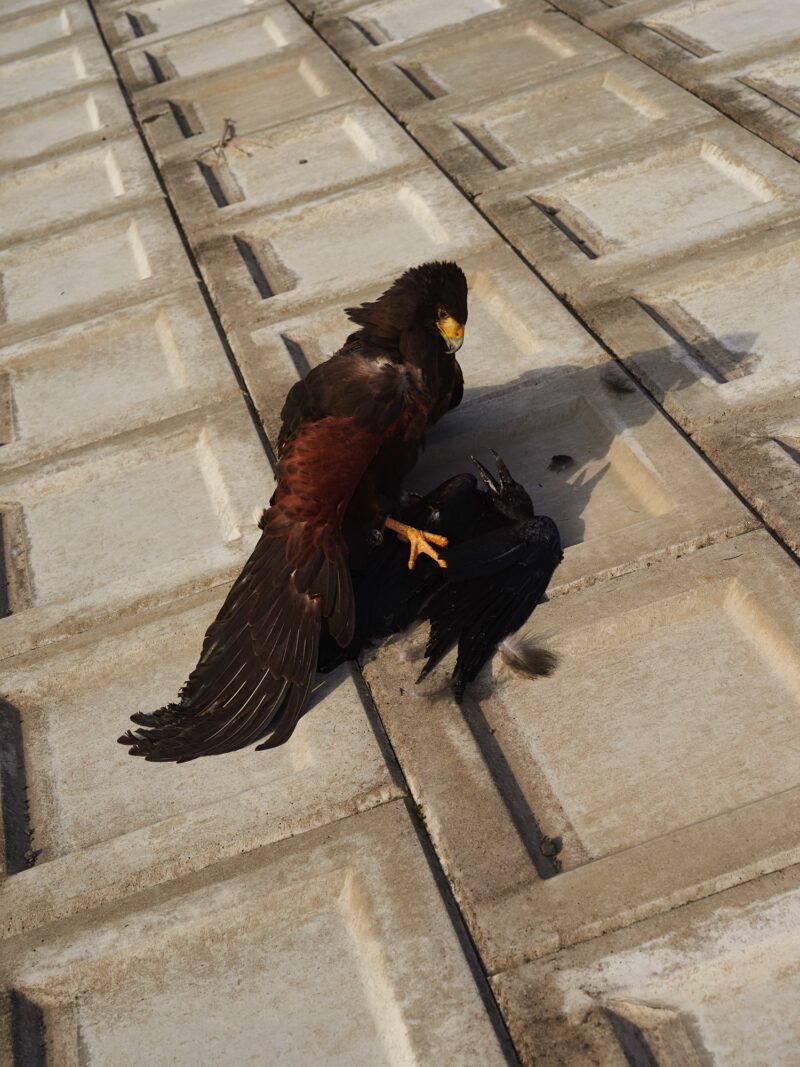
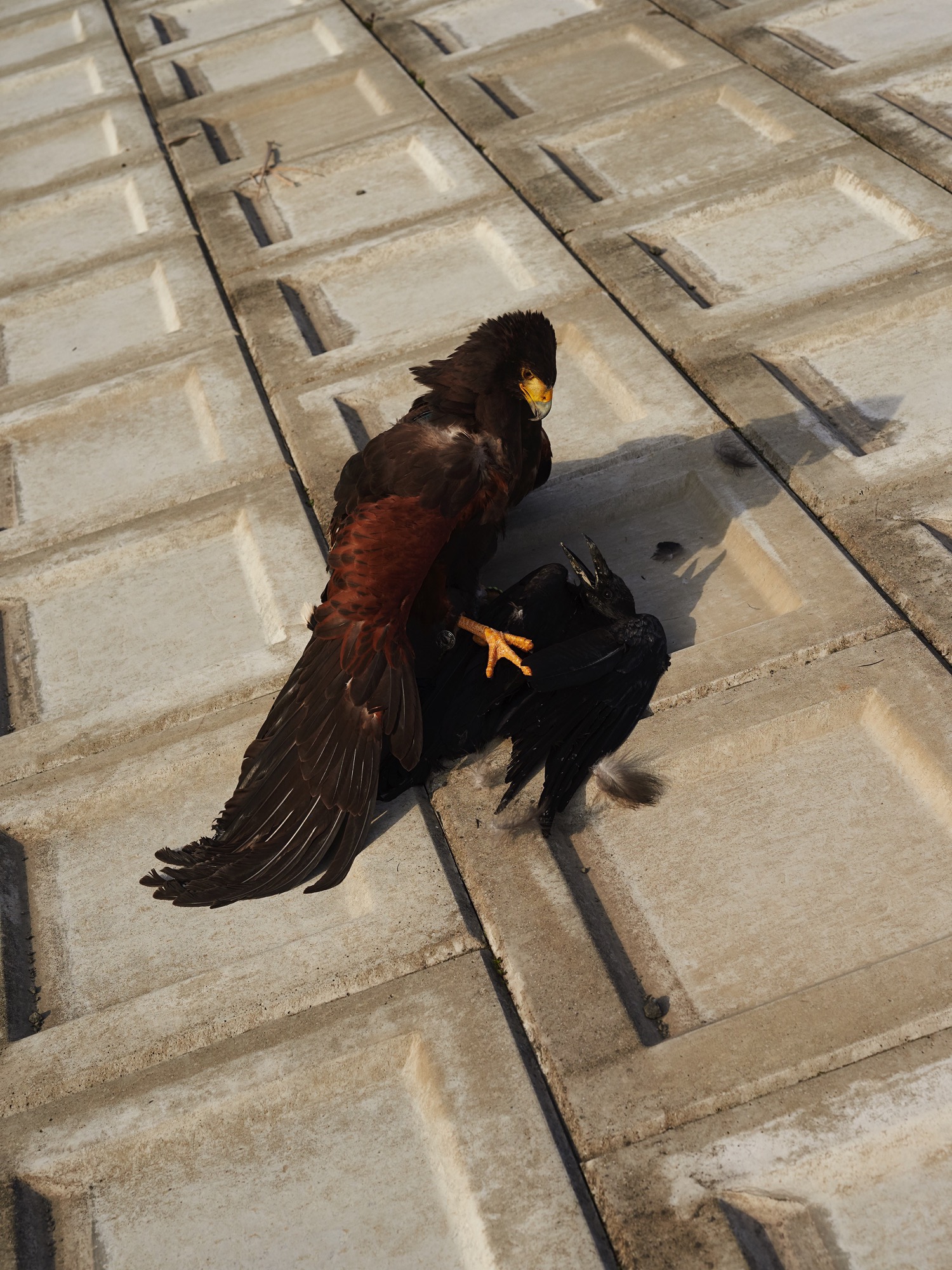
Guillaume Simoneau Murder MACK Books, 2019
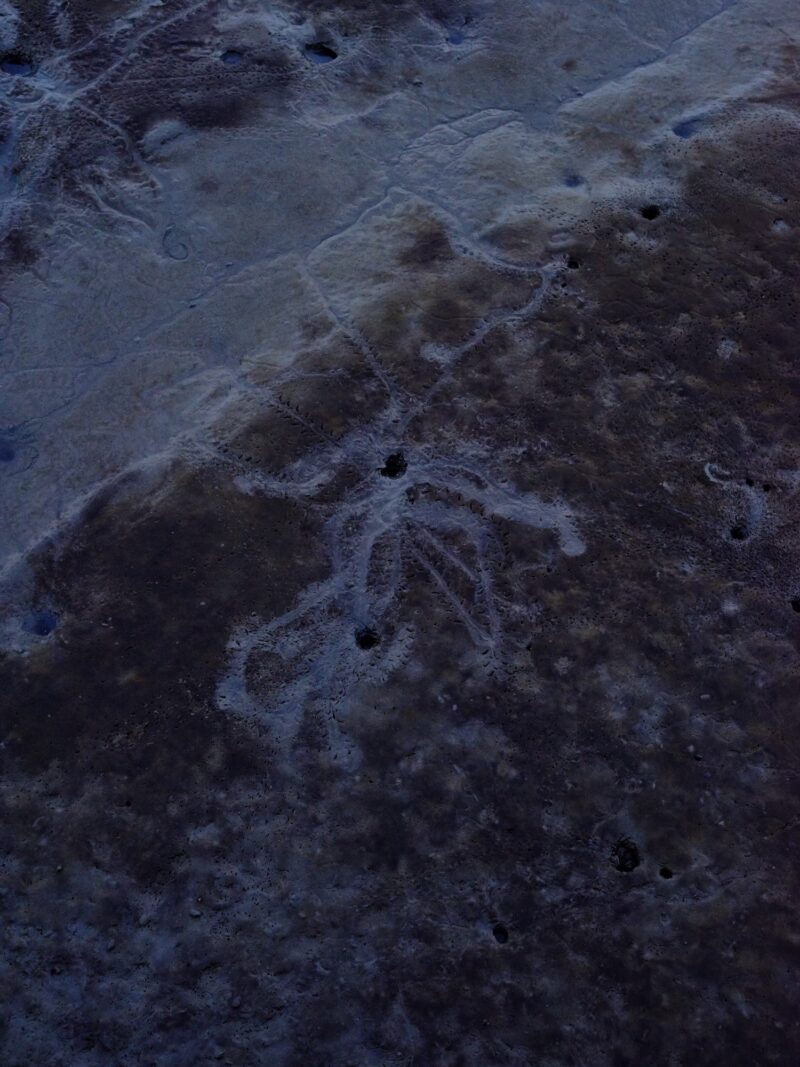
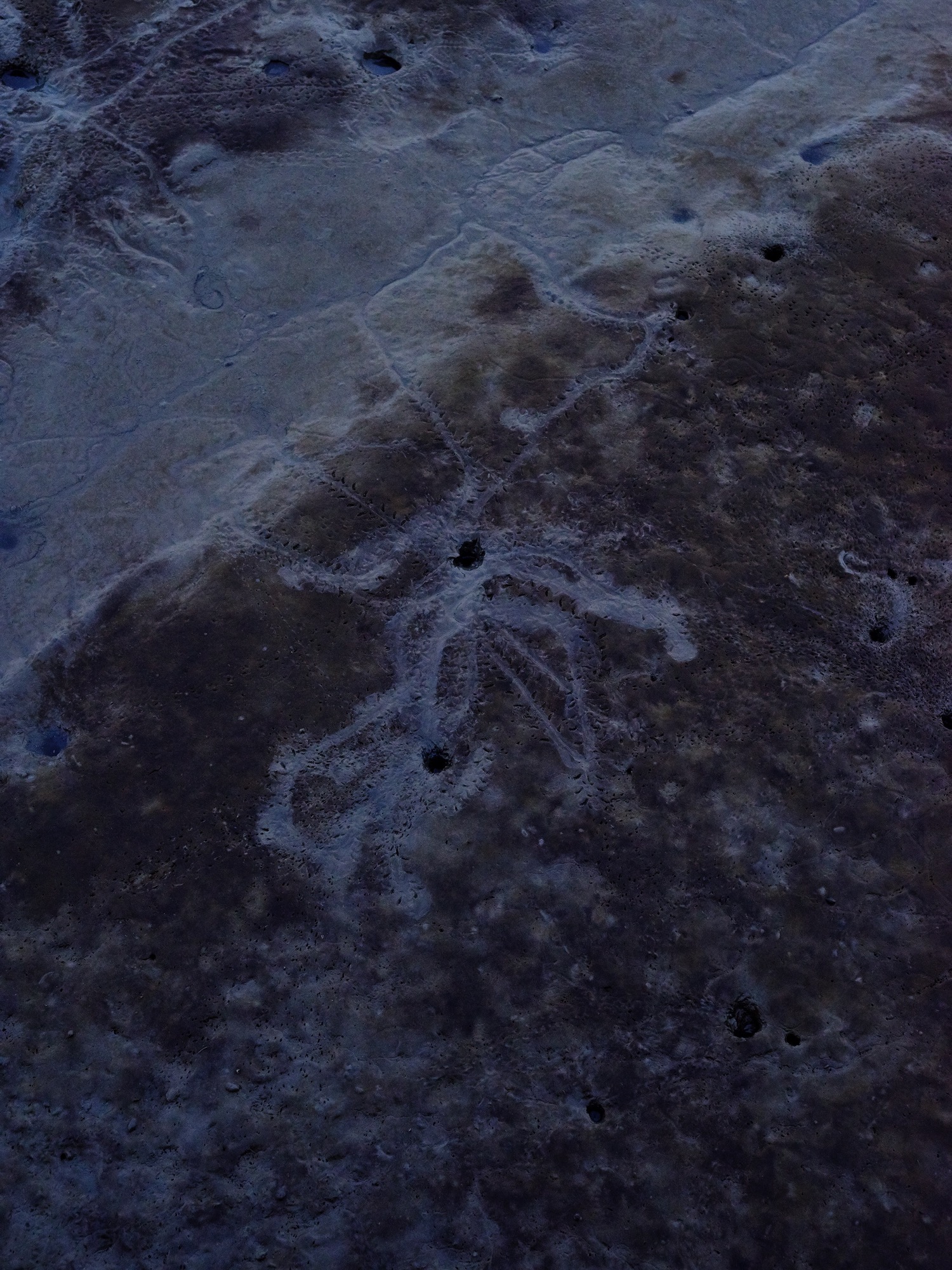
Guillaume Simoneau, Horus, Takeo city, Saga prefecture, Japan, 2016
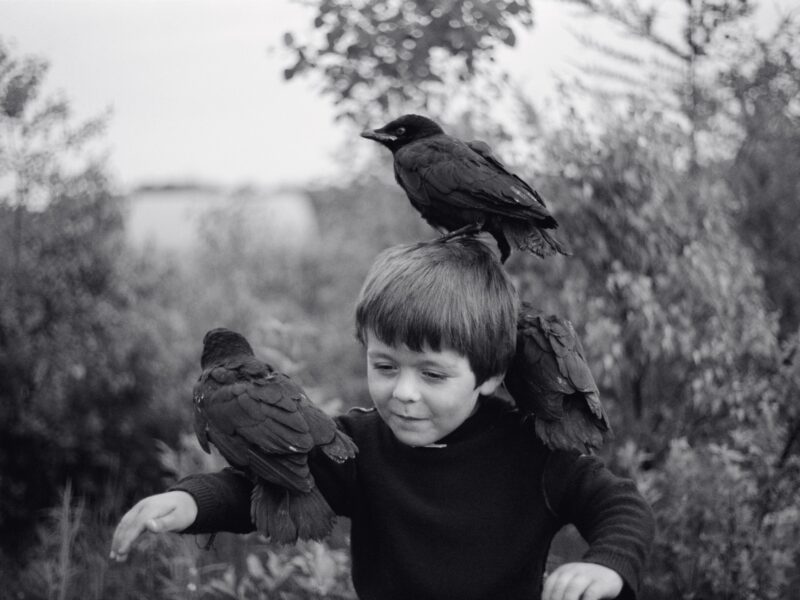
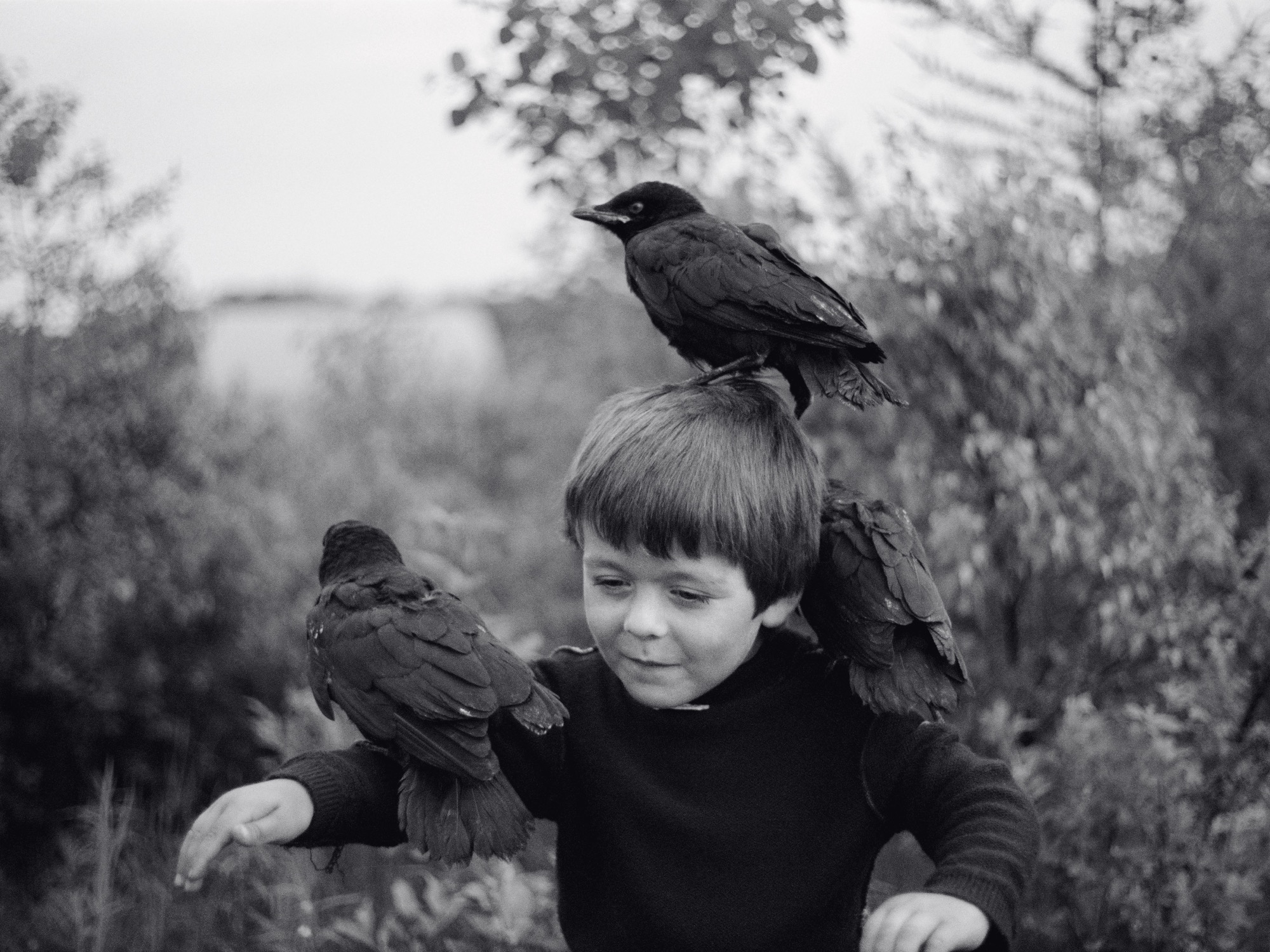
Guillaume Simoneau, Jeanne d’Arc 02, Ste-Marguerite, Canada, 1982


[Hiver 2022]
Et fili ? Cultural Transmission and the Quebec Photobook
By Michel Hardy-Vallée
It’s a lovely image: my father, who had been taking photographs since the 1960s, had given me his Beseler 23C II enlarger. I went to pick it up in order to flesh out my amateur darkroom, and I was thinking about transmission of culture. The caption might have quoted from John McCrae’s In Flanders Fields: “To you from failing hands we throw / The torch; be yours to hold it high.” And that’s historiography: the past gives the present the means for the future, like father to son. So, should we be surprised that in art history there is talk of “trailblazers” and “geniuses ahead of their time” that “anticipate” masterpieces to come?
Ever since Martin Parr and Gerry Badger returned the photobook to the agenda,1 it has been a historical object. Works of the past are republished; attempts are made to reconstruct the uncompleted ones. The excitement is palpable for those who, today, discover that a nineteenth-century forerunner was “avant-garde,” that a great name supported by the Guggenheim Foundation has left us a timeless heritage. We describe our relationship with this culture of the past, as we would with family, by the word that has become cruelly familiar: transmission. We don’t choose our parents.
It’s a lovely image, which seems to be as self-evident as the sequence of styles composed by the museum: Baroque, Classical, Romantic. But what about the son who didn’t take the enlarger?
In fact, we have a lot to say about the choice of our predecessors. This can be seen in a variety of recent photobook projects in Quebec, published or on the drawing board, that pose the question of cultural transmission. Many refer explicitly to other works – photographic ones, of course, but also literary ones. These creations offer us an inside look at historical comprehension in the process of being made. In particular, they enable us to conceive the history of Quebec photography in ways other than as a succession of generations.
In fact, we have a lot to say about the choice of our predecessors. This can be seen in a variety of recent photobook projects in Quebec, published or on the drawing board, that pose the question of cultural transmission. Many refer explicitly to other works – photographic ones, of course, but also literary ones. These creations offer us an inside look at historical comprehension in the process of being made. In particular, they enable us to conceive the history of Quebec photography in ways other than as a succession of generations.
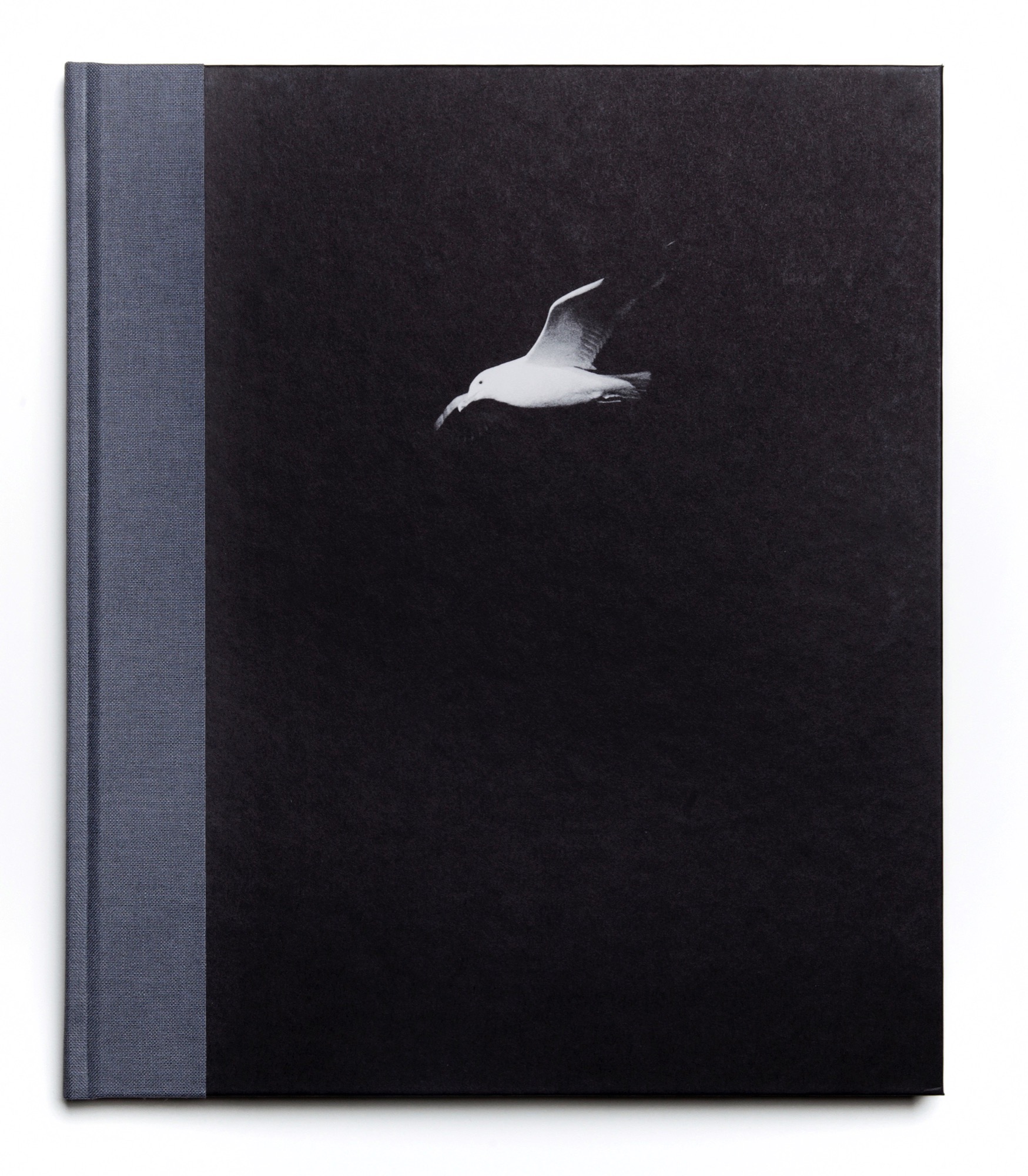
Perhaps Charles-Frédérick Ouellet’s Le Naufrage (2017) responds to the film Pour la suite du monde (1962). It’s a work that challenges the idea of tradition. In the twenty-first century, what do fishing on the St. Lawrence and analogue photography mean? Ouellet doesn’t answer with a categorical imperative to preserve or perpetuate but simply asks, in return, What shall we take from this? In philology, “tradition” defines the body of manuscripts from which the text of a work has been re-transcribed – for example, Virgil’s Aeneid, a marine poem if ever there was one. Tradition, in this sense, therefore is not a legacy: it is the act of reproducing, with all the variants that it implies. In Le Naufrage, when a fisherman shoots the photographer a defiant look, we can imagine as readers that he’s wondering, How is he reproducing me? What will he show of me, of my trade?
When one can connect two major works, the resulting trajectory becomes emblematic: the American photobook tradition is often summed up in the influence of Walker Evans’s American Photographs (1938) on Swiss photographer Robert Frank’s The Americans (1959). A quarter of a century ago, in Ciel variable, there was an attempt to find the sources of the subjective documentary in Quebec in the work of John Max, Michel Campeau, and Raymonde April, underlining Max’s influence on the other two. Yet, the idea of influence is an anachronism. As Tod Papageorge has observed, Frank’s book was conceived, rather, from his love for Evans’s book. Campeau publicly explained his historic refusal to engage in Max’s field of ideas at Max’s wake; April confirmed to me her respect for Max and his work Open Passport (1973), but also distanced herself from his sensibility.
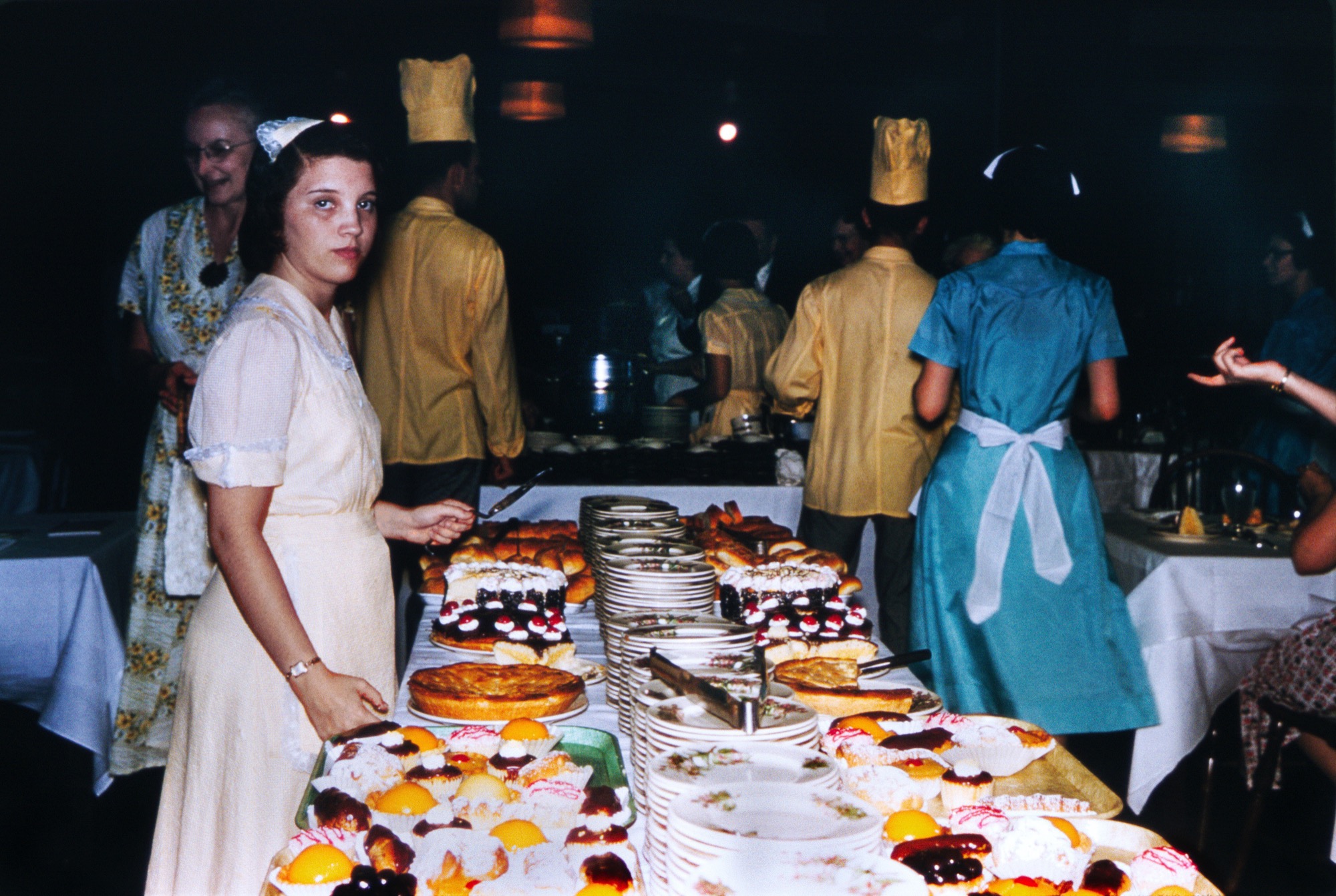
Campeau nevertheless tackled his project Robert Frank and American Amateur Colour Photography by pairing each image in The Americans with slides purchased at online auctions. In this vast, still unpublished body of work, Frank’s photographs are a springboard for thematic digressions and formal puns. By deconstructing the reverence for Frank, Campeau mines an autobiographical vein: his own fascination with colour, thwarted by the diktats of “serious” photography. He traces an apparent historical continuity with Frank and a direct one with the vernacular.
For Après Strand (2011), Bertrand Carrière follows in the footsteps of Paul Strand, who visited the Gaspé Peninsula in 1929 and 1936, until the two come to a natural divergence. Space, rather than time, provides Carrière’s continuity – an approach taken by Mark Klett in his Rephotographic Survey Project, in which he revisited the views taken by early surveyors of the American West, such as Timothy O’Sullivan. Some of Carrière’s portraits reproduce the poses of Strand’s subjects, and the architectural views and landscapes are constructed of formal echoes, but Carrière’s work doesn’t have a before-and-after outcome, as Klett’s does. For Carrière, both Strand and the landscapes and people of the Gaspé are data rather than results.
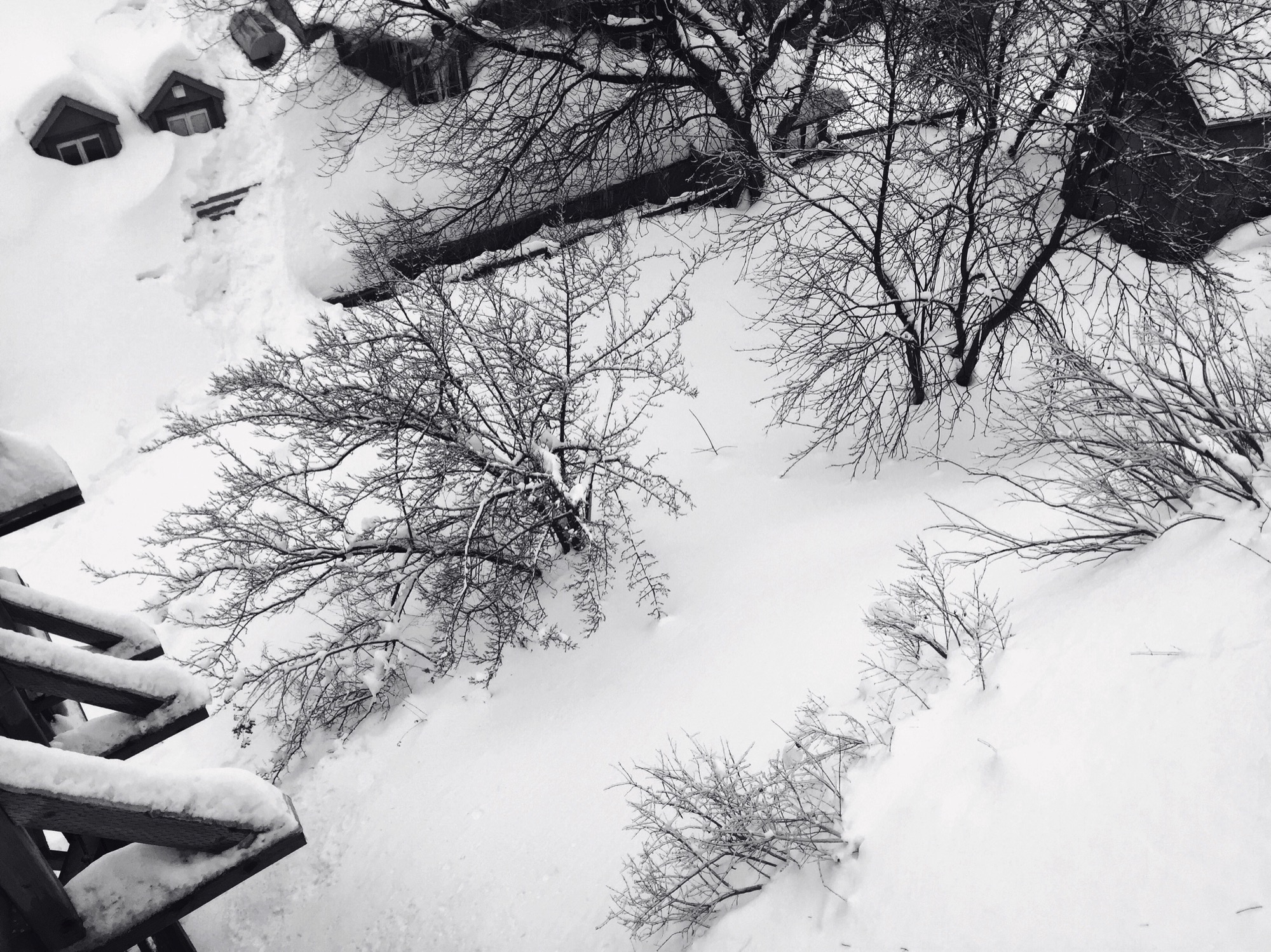
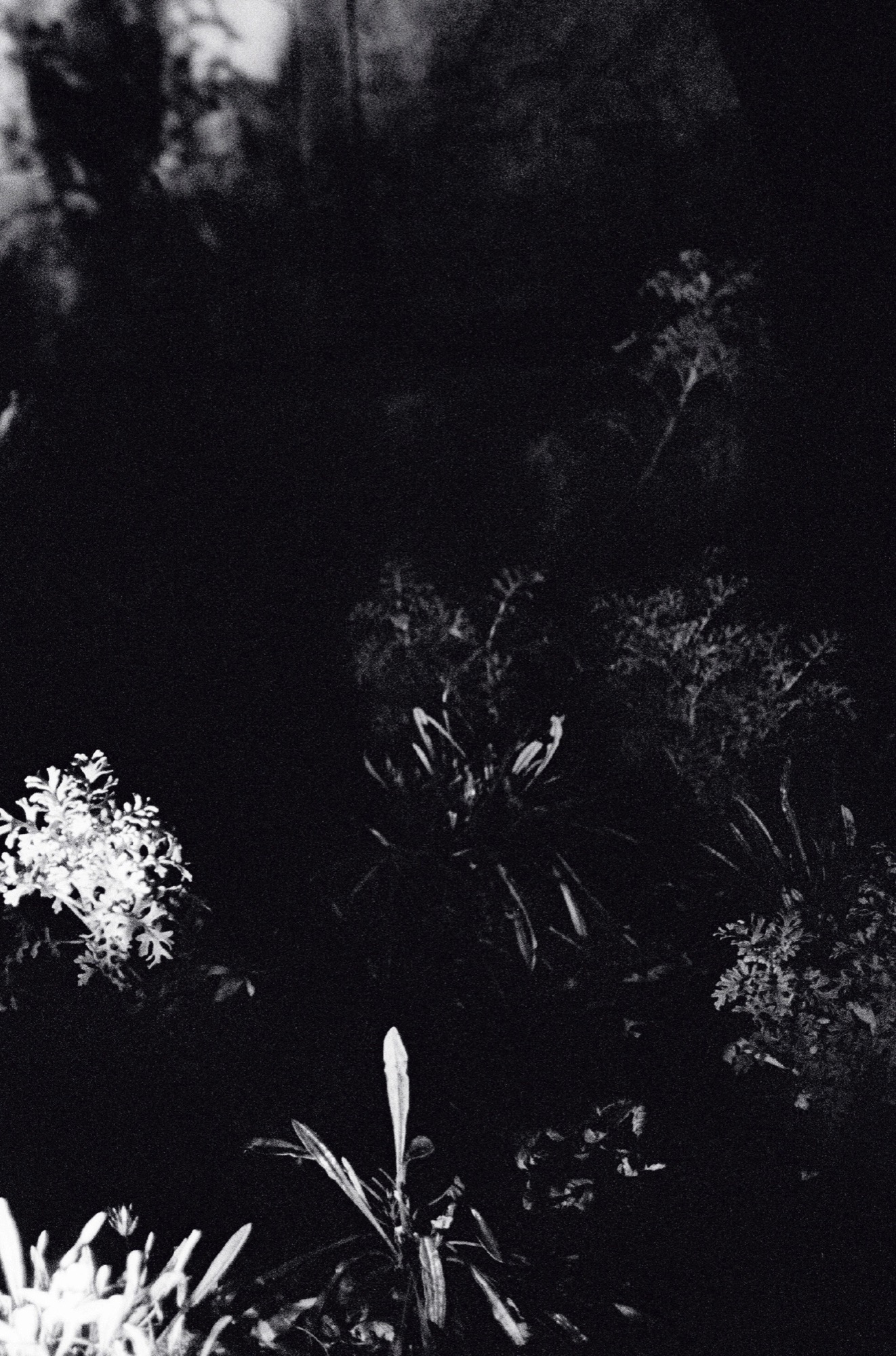
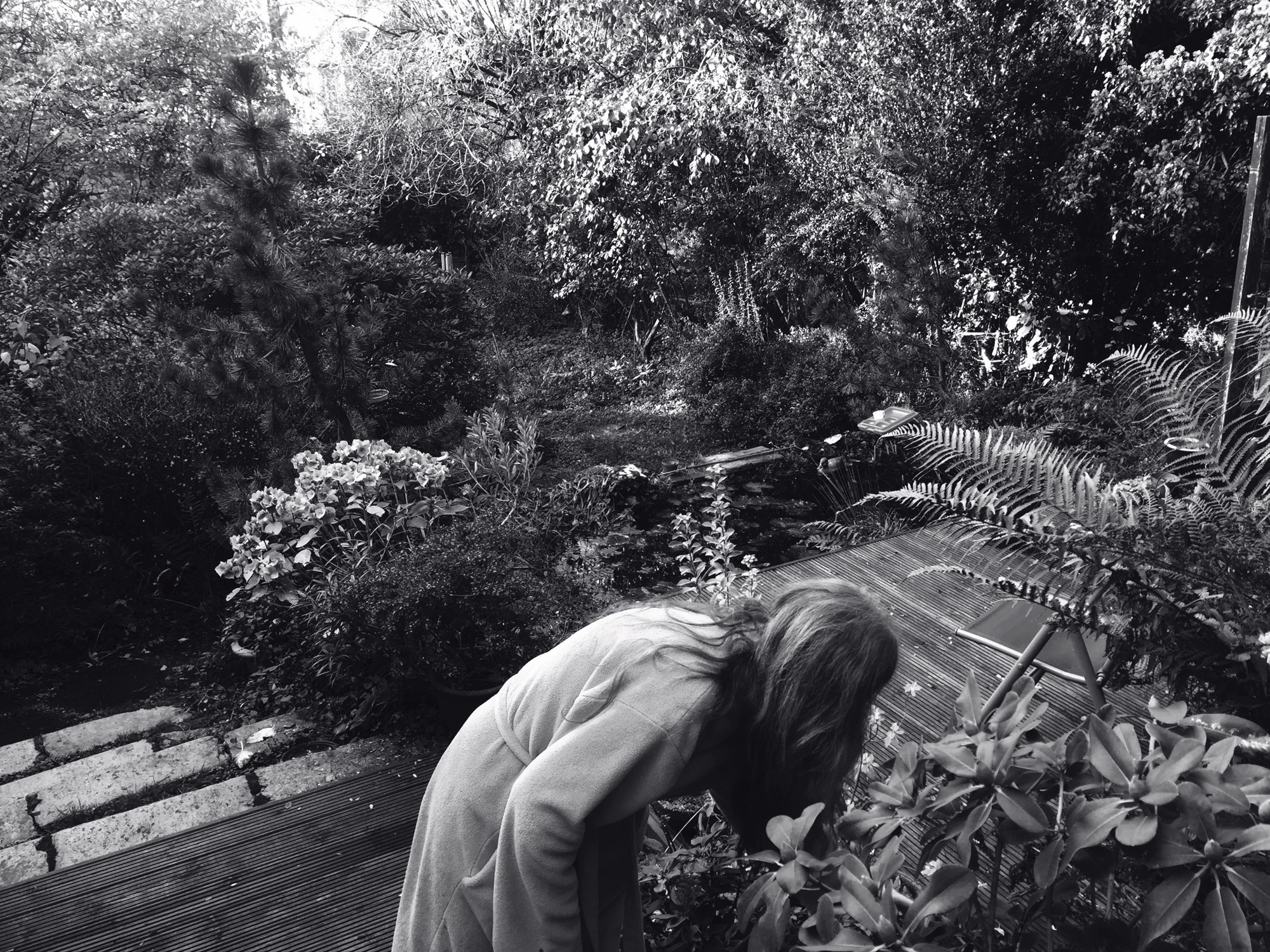
In Le jardin d’après (2021), Anne-Marie Proulx works with Anne Hébert’s novel Le premier jardin. The protagonist of the novel is an actor who surveys simultaneously her past roles and her story in a city – a dual focus that could serve as a paradigm for Proulx’s work. Proulx composes a narrative in palimpsest mode that takes in a simultaneity of presences. Her images are strictly at the edge of abstraction and a constant challenge to the eye, which searches for a vanishing point, a linear perspective. They are sequenced with excerpts from Hébert’s novel and with quotations from plays acted by its protagonist. The whole depicts an impression of memory – that of the characters, but also that of the readers: indeterminate due to the absence of captions, the photographs evoke different cities for different people.
Isn’t making such direct connections among works – Proulx goes as far as to reproduce the typography and cover design of Le Premier jardin – just a way of showing oneself in glorious company? Leo Steinberg would have an answer to this: it is “as if the storehouse of art were a cookie jar in which every practitioner keeps guilty fingers.” Our metaphors describing the relationship between two visual works, he continues, are inadequate: a borrowing doesn’t need to be rendered, no quotation is referenced, and motifs don’t travel like viruses. Joachim Du Bellay called how his contemporaries read Latin poets to feed into their own art “digestion,” but it would be tasteless to follow his metaphor to the very end.
Visual continuity is the very subject of the stunning collaboration between Donigan Cumming and Matthieu Brouillard that led to the book Coming Through the Fog (2012). One day, I had the privilege of having Cumming’s book Pretty Ribbons (1996) presented to me by Brouillard, who had just discovered it. A number of years after this unforgettable jolt, the two photographers put their images side by side in an exhibition, going so far as to graphically suture two of them together. The individual works of each artist were already in dialogue with other genres of visual expression – documentary for Cumming, mannerism for Brouillard – and it would have been easy to simply make the first the source for the second. In fact, it was Cumming who sought out Brouillard, and their approach was as partners rather than filial. If, as Jorge Luis Borges said, all authors have their precursors: a “Kafkaesque” author also changes the meaning of Kafka’s novels. In choosing to make a common and aberrant body of work, Brouillard and Cumming defused the timeline, as the work of one changed the meaning of the other’s.
The oblique and ironic quotations – even parodies – that were characteristic of a certain stream of postmodernism seem to be of little interest to Quebec photographers at the moment – including Campeau, whose ironic premise seemed to open the door to something authentic. For a rare continuity between two Quebec photographers departing from the general rule of dismantlement, I would look at Sylvain P. Cousineau’s Mona Nima (1977). His acid gaze at Open Passport by Max, his former teacher, can be contrasted with Serge Clément’s more sympathetic Hommage (2005), whose
approach is congruent with those discussed here.
That photographers refer to artworks or literary works indicates that a process of interpretation creates cultural continuity. Photographers are both readers and creators. The resulting relationship is spatial rather than temporal: for Proulx, Le premier jardin is a territory to explore and understand – just as Strand’s Gaspé Peninsula is for Carrière – not a motif to reproduce. Neither artist is seeking to explore different ways to produce photographic images of the world; rather, they are participating in a system of meaning.
Reading is a private activity; as Hans-Georg Gadamer underlines, understanding means grasping something by which one is struck. Florence Le Blanc’s reading of Marcel Proust’s À la recherche du temps perdu opened the door, for her, to the process by which personal memories are activated. To portray her memory of long childhood car trips to Florida punctuated by stops at rest areas, she rummaged through space seeking evocative places. In her project Les épaves scintillantes, currently in preparation for publication, photographs of peripheral regions of Quebec, in particular Côte-de-Beaupré, are stand-ins for Floridian landscapes. Wherever we are, we carry with us the memories and the culture through which we understand the world.
To understand a work is to apply oneself to it, by imitation, recycling, or a scheme that remains to be named. Walking in the footsteps of another is no more a lack of imagination than photography is a medium limited to representation of the visible. It is to recognize a relationship, as is shown, finally, in Guillaume Simoneau’s masterful Murder (2019). The critics brought up this work’s similarity to Masahisa Fukase’s Ravens (1986), to Simoneau’s previous books, such as Experimental Lake, and to his autobiography: after his father chopped down a tree that contained a nest of crows, the family adopted the birds, and his mother took many pictures of her son with them. The ties between Simoneau and Fukase – the preferred route for cultural transmission – supplanted, however, a neglected vector of continuity.
In a video in which Simoneau explains the genesis of the book, it is not Fukase whom he designates as a point of departure or a precursor, but his mother’s photographs. He had admired them for a long time and was looking for a way to show them. He is right: they are at once aesthetically superb, unique from a documentary point of view, and movingly tender. Fukase was the key. In developing a relationship with Ravens, making the longest possible detour via Japan, Simoneau found the way to interest us in his mother’s images, which were not inscribed in the discourses and institutions that constitute art photography. He realized his sense of belonging to his mother’s work through a now-famous Japanese photographer. The continuity that an artist establishes with an important figure can thus serve to provide a direction for a different relationship of continuity.
This is how I came to the idea of cultural transmission no longer as a filiation or lineage, but as a zeugma, the rhetorical figure through which one meaningfully harnesses together two disparate ideas. In the same way that my darkroom table now holds two enlargers. Translated by Käthe Roth.
2 Emmanuelle Léonard and Eugénie Robitaille, “ … d’une certaine tradition,” CV Photo, no. 32 (1995): 53; Sharon Harper, “Fiction,” CV Photo, no. 32 (1995): 58–59.
3 Tod Papageorge, Walker Evans and Robert Frank: An Essay on Influence (New Haven: Yale University Art Gallery, 1981), 7.
4 The McCord Museum did, however, present Romain Guedj’s film Michel Campeau: Looking Back at “The Americans” by Robert Frank in 2018.
5 Leo Steinberg, “The Glorious Company,” in Art About Art, ed. Jean Lipman and Richard Marshall (New York: E.P. Dutton, 1978), 14.
6 Joachim Du Bellay, La Deffence, Et Illustration De La Langue Françoyse (Geneva: Droz, 2008 [1549]), 91.
7 Jorge Luis Borges, “Kafka and His Precursors,” in Labyrinths: Selected Stories and Other Writings, trans. James East Irby (New York: New Directions Books, 2007), 201. Borges was himself recycling T. S. Eliot’s arguments.
8 Hans-Georg Gadamer, “Aesthetics and Hermeneutics,” iin The Gadamer Reader: A Bouquet of Later Writings (Evanston, IL: Northwestern University Press, 2007), 129.
9 https://www.youtube.com/watch?v=VHCIDjjV0cA.
Michel Hardy-Vallée is a historian of photography and Visiting Scholar at the Gail and Stephen A. Jarislowsky Institute for Studies in Canadian Art, Concordia University. His research is concerned with the photobook, visual narration, interdisciplinary practices, and the archive, in the contexts of Quebec and Canada. He has published his work in History of Photography and through a number of edited collections and conference papers. He is currently working on a monograph about Montreal photographer John Max (1936–2011).